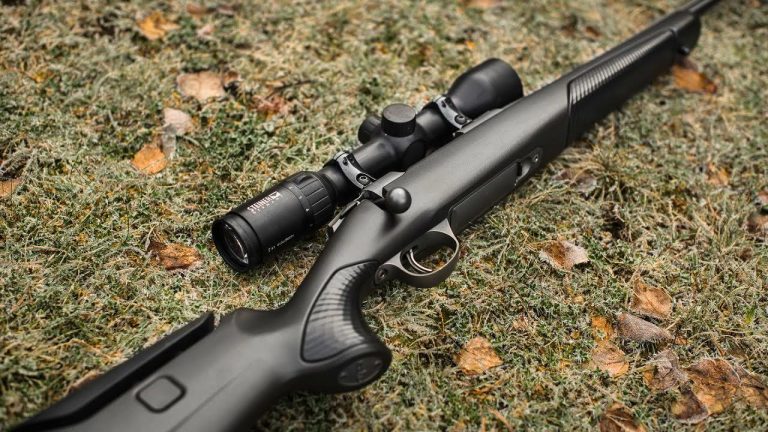
Rifles that stay reliable in bad weather
Bad weather has a way of exposing weak spots in rifles. Rain works into actions, cold thickens lubricants, and grit finds every opening you didn’t know existed. When you’ve hunted long enough, you learn which rifles keep cycling when the weather turns ugly and which ones start feeling fragile. Reliability in bad conditions isn’t about babying gear or perfect maintenance. It’s about solid design, consistent tolerances, and materials that don’t panic when things get wet, frozen, or filthy.
These are rifles you can carry through sleet, snow, and soaking rain without wondering if the next shot will happen. They’ve earned trust the slow way, through seasons of hard use when staying functional mattered more than comfort.
Tikka T3x

The Tikka T3x has a reputation for working when conditions turn miserable, and it earns it every fall. The bolt runs smoothly even when moisture creeps into the action, and the ejection stays consistent in cold rain or blowing snow. The synthetic stocks don’t swell, and the stainless options shrug off rust better than most factory rifles in the same price range.
You notice it most after long days in wet weather. The safety stays positive, the trigger doesn’t stiffen, and the magazine feeds without drama. When temperatures drop or storms roll in, the T3x keeps acting the same, which is exactly what you want when the weather is already working against you.
Winchester Model 70
The Winchester Model 70 has seen more bad weather than most modern rifles ever will. The controlled-round feed keeps cartridges moving smoothly even when the action is wet or dirty. That big claw extractor doesn’t care about rain or snow, and it keeps its grip when things get slick.
Carried through timber, mountains, and open country, the Model 70 keeps doing its job when the weather turns sour. The three-position safety stays usable with gloves, and the bolt doesn’t seize up when temperatures fall. It’s a rifle that feels predictable when conditions aren’t, which builds confidence during long, uncomfortable hunts.
Ruger Hawkeye
The Ruger Hawkeye has always leaned toward durability over refinement, and bad weather is where that shows. The action tolerates moisture and debris without binding, and the fixed-blade ejector keeps cases clearing the action when everything is wet. The rifle feels steady after days of exposure, not fussy.
The Hawkeye’s stock options handle rain and cold without shifting point of impact, and the integral scope mounts don’t loosen easily. You can strap it to a pack, lean it against a tree in a downpour, and expect it to fire when it matters. That kind of dependability matters when weather refuses to cooperate.
Savage 110
Savage 110 rifles have built their reputation on consistency, and they don’t fold when the weather turns harsh. The floating bolt head keeps lugs locking evenly, even when moisture or grime finds its way into the action. Feeding remains smooth when rain and cold try to slow things down.
The AccuTrigger keeps its feel in cold temperatures, which helps when gloves come out. Synthetic stocks don’t warp, and stainless variants resist corrosion better than most blued rifles left in the rain. When conditions turn sloppy, the Savage keeps shooting where you expect, without forcing you to fight the rifle.
CZ 557
The CZ 557 doesn’t get talked about enough when weather turns ugly, but it handles rough conditions well. The controlled-feed action guides cartridges cleanly, even when the bolt face is wet or cold. The bolt lift stays manageable, and extraction remains reliable in rain or snow.
The rifle balances well when soaked, and the trigger doesn’t change character as temperatures drop. Walnut-stocked versions need care, but the action itself keeps working. For hunters who stay out when others head back to camp, the CZ 557 proves itself as a rifle that keeps functioning when conditions test patience.
Mauser 98
The Mauser 98 is still one of the best designs for hostile conditions. The massive extractor and controlled feeding don’t quit when water, grit, or ice get involved. This action was built with bad environments in mind, and it shows every time the weather turns ugly.
The bolt tolerances allow debris to move through instead of stopping everything cold. Even with minimal maintenance in the field, the Mauser keeps chambering and extracting. That’s why so many modern rifles still borrow from it. When rain and snow start stacking the odds against you, this design keeps answering the call.
Lee-Enfield No. 4
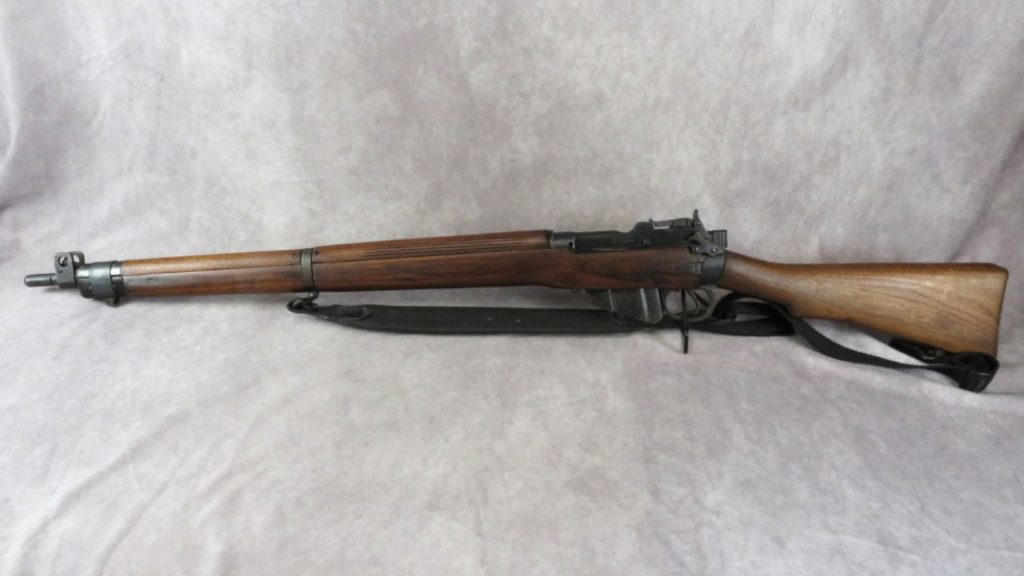
The Lee-Enfield No. 4 was built for damp, cold climates, and it still thrives there. The rear-locking bolt cycles smoothly even when wet, and the generous clearances help prevent binding. Mud, rain, and cold don’t slow it down the way they do tighter actions.
The safety remains usable with gloves, and feeding stays steady in poor conditions. Hunters who carry Enfields in rough weather learn quickly how forgiving the design is. It might not be refined by modern standards, but when storms roll in, the rifle keeps functioning without complaint.
AKM Pattern Rifles
AKM-pattern rifles are famous for surviving miserable conditions, and that reputation didn’t come from range days. The long-stroke piston keeps fouling away from the action, and the loose tolerances let dirt and moisture pass through instead of stopping the rifle.
Rain, snow, and blowing grit don’t affect cycling the way they do on tighter systems. While accuracy expectations should be realistic, reliability remains steady when weather gets rough. If conditions are bad enough to worry about function more than precision, an AKM keeps running when others start feeling delicate.
SKS
The SKS handles bad weather better than many give it credit for. Its short-stroke piston system keeps fouling out of the action, and the simple design tolerates moisture without drama. The bolt continues to cycle even when rain or snow works its way inside.
Cold temperatures don’t seem to change how the rifle feeds or extracts. The fixed magazine avoids issues with wet or dirty mags, which helps in prolonged bad conditions. When weather is unpredictable and maintenance opportunities are limited, the SKS stays dependable in situations that punish more complex rifles.
Browning X-Bolt
The Browning X-Bolt surprises a lot of hunters in poor weather. The bolt runs smoothly even when wet, and the rotary magazine keeps feeding consistent despite exposure. The action seals well enough to keep most moisture from causing trouble.
The safety and bolt unlock remain easy to manipulate with cold hands. Synthetic-stocked versions handle rain and snow without shifting impact, which matters when conditions stay bad for days. The X-Bolt doesn’t feel fragile when storms settle in, and that reliability earns trust during late-season hunts.
Sako 85
The Sako 85 is built with tight machining, yet it holds up well in bad weather. The controlled-feed bolt keeps cartridges aligned when the action is wet, and extraction remains consistent in cold conditions. Materials and finishes resist corrosion better than many rifles in its class.
Despite refined construction, the rifle doesn’t seize when moisture shows up. The safety stays positive, and the trigger remains predictable in freezing temperatures. For hunters who spend serious time in rough weather, the Sako proves that careful engineering can still deliver dependable performance when conditions turn ugly.
Remington Model Seven
The Remington Model Seven handles poor weather better than its light weight suggests. The action remains reliable in rain and cold, and feeding stays consistent when moisture creeps in. Its compact size makes it easier to manage when everything feels heavier in bad conditions.
Synthetic versions don’t shift point of impact after days of exposure, and the bolt keeps cycling even when temperatures drop. While not built for abuse, the Model Seven handles sustained bad weather without failing. For hunters who stay mobile when storms roll through, it keeps functioning when reliability matters most.

Asher was raised in the woods and on the water, and it shows. He’s logged more hours behind a rifle and under a heavy pack than most men twice his age.