Rifles that disappoint most owners
Here’s the hard truth about rifles that disappoint most owners: it isn’t that they don’t work at all. It’s that they don’t work the way you expected once you lived with them. You read reviews, you handle them in a store, maybe you borrow one at the range. Then you take it out into real conditions and things start to fall short—fit, accuracy, recoil, parts quality, ergonomics. I’ve carried, shot, and maintained enough rifles to know that even well-intentioned designs can reveal flaws once you’ve lived with them. What follows are rifles that leave too many owners shaking their heads after the shine wears off.
Ruger American Predator
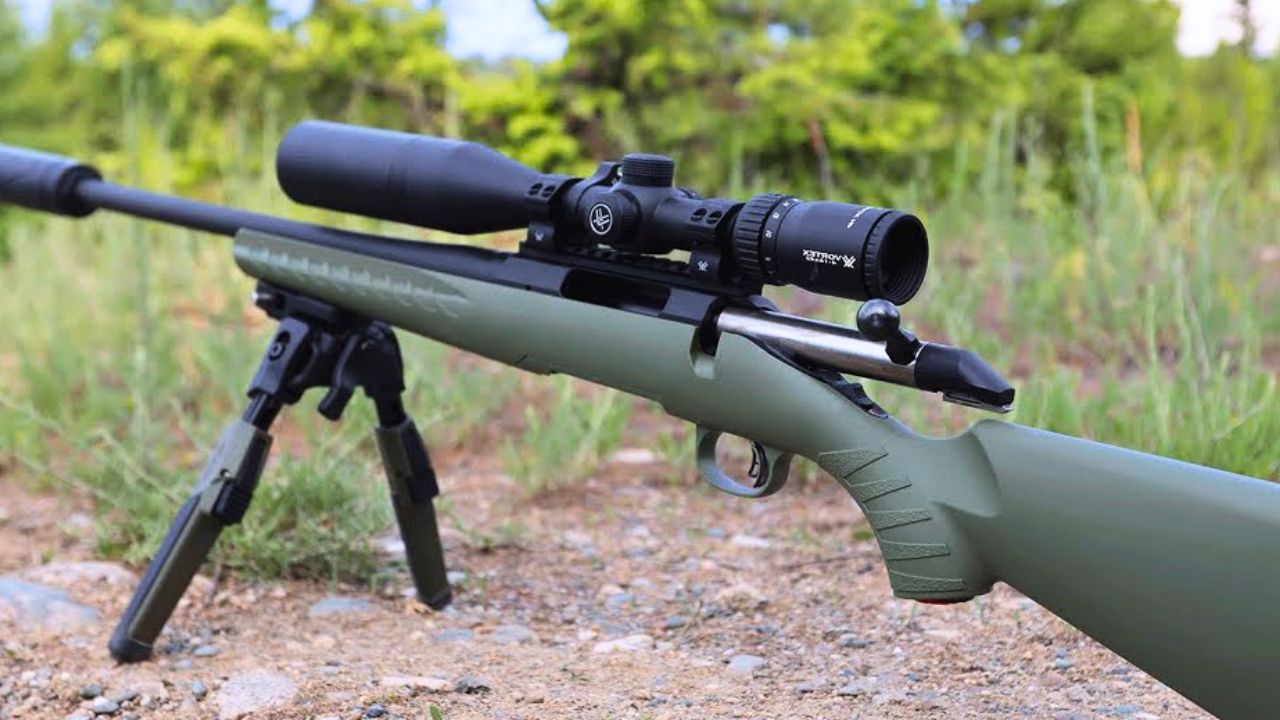
The Ruger American Predator looks like a sensible, affordable way to get into a precision-style bolt gun. Out of the box it feels light and well balanced, but accuracy potential often falls short of what owners hoped for. Some rifles will tighten up with careful ammo selection, but many don’t group consistently at extended ranges.
Add to that a stock that many shooters find flexes under load and a trigger that rarely shines without aftermarket tuning. You pay a premium for optics and rings on top of it all, and suddenly the cost advantage fades. For the money, lots of owners expect better out-of-the-box performance than this delivers.
Savage Axis II XP
The Savage Axis II XP is one of those rifles that should be a no-brainer budget choice. It’s light, affordable, and built on a familiar platform. But many owners report inconsistent accuracy from rifle to rifle, and groups that are broader than you’d expect for hunting or serious target work.
The factory stock leaves a lot to be desired in feel and stability, and the trigger—while improved over older Axis models—is rarely crisp without polishing. Some Axis II rifles surprise with decent performance, but too many leave you wishing you’d spent a bit more for something that truly performs when it counts. This rifle does the job, just not with the reliability most buyers expect.
Mossberg Patriot by Vortex
At one point the Mossberg Patriot with Vortex optics was a compelling ready-to-hunt package. In practice, though, a number of riders find the combination underwhelming. The barrel and action pairing doesn’t always yield the groups you’d hope for, especially at anything past typical deer range.
The stock and bedding often don’t help accuracy, and the bundled scope isn’t a standout performer. Some owners swap optics and bedding in search of better performance, which drives the cost up. That’s fine if you like tinkering, but if you bought this as a turnkey hunting rifle, you may be underwhelmed by where it lands at the range.
Thompson/Center Compass
Thompson/Center’s T/CR rifles were supposed to be solid, affordable hunting rifles. The Compass has that price appeal, but so does its need for upgrades. Stock quality varies, and many users report fit and finish that feels cheaper than its rivals. Accuracy from the factory can be inconsistent, and many owners find themselves chasing groups with different ammo or bedding blocks.
Reliability in feeding and extraction isn’t universally problematic, but it’s not reassuringly smooth either. You quickly realize that the baseline Compass is more of a starting point than a finished rifle. If you enjoy tweaking, fine; if you wanted something dependable right out of the box, this one may test your patience.
Weatherby Vanguard

Weatherby built a reputation on high-velocity designs and premium feel, but the Vanguard series often leaves owners wanting more for the price. Some rifles demonstrate solid accuracy, but many do not live up to the expectations set by the brand name. Groups are hit-or-miss unless you find the right load, and that takes time and expense.
The trigger and stock ergonomics vary between models, and some shooters find them uninspiring compared to competitors at similar price points. You buy a Vanguard expecting Weatherby’s best for the money, and sometimes what you get feels only marginally better than lesser alternatives. It runs, and it shoots, but not always with the consistency once hoped for.
Browning X-Bolt Composite
Browning’s X-Bolt line carries a strong name, and the Composite model should be a sensible, lighter choice. In reality, many owners find this rifle’s accuracy potential doesn’t justify the cost. Groups that should be tight underperform, and the stock material tends to feel less solid than metal-bedded alternatives.
Fit and finish are generally fine, but it’s not uncommon for shooters to chase loads or swap triggers in search of better performance. You expect a certain level of quality for what you pay, and while the X-Bolt Composite is functional, it rarely impresses with precision out of the box. For some folks it’s a fine hunting rifle; for others it’s a disappointment.
Tikka T3x Lite
The Tikka T3x Lite has a smooth action and a light feel that’s easy to carry. Yet a surprising number of owners find its accuracy underwhelming compared to other Tikka variants. Shots that should nestle together spread wider than expected, especially at longer ranges.
Part of this comes down to the flush magazine and stock design that feels less stable under pressure, and part likely stems from barrel profile choices. You expected crisp performance because of the Tikka name, but in this configuration it often falls short of its more capable siblings. You’re still carrying a decent rifle, just not the precision tool you envisioned.
Remington 783
When Remington rebranded and relaunched the 783, hope was high. Instead, many owners encountered subpar accuracy relative to cost. Factory groups tend to open up more than advertised, and the rifle often wants specific ammo to perform reasonably.
Stock chatter and a mediocre trigger don’t help matters. Some shooters report significant zero shifts with temperature changes. For a rifle marketed as a step up from entry level, it’s easy to feel like you bought a compromise. It functions, it cycles, it gets game down, but it doesn’t usually inspire confidence at extended ranges.
Marlin 336 (newer models)

The classic Marlin 336-style lever gun has long been a favorite, but newer production runs introduced hiccups for some owners. Chambers and bores on certain batches vary just enough to make accuracy inconsistent. Some rifles shoot fine, others struggle to group well out of the box.
Fit and finish isn’t terrible, but parts interchangeability and assembly quality have shown more variation than enthusiasts appreciate. If you love the platform you can sort some of this with time and gunsmith help, but the raw experience can feel underwhelming compared to the storied legacy you expected when you picked it up.
Savage 110 Apex
Savage’s 110 Apex promised refined performance and modern features. Unfortunately, some owners report that the stock bedding and barrel quality don’t deliver accuracy that matches the rifle’s looks or price. Out of the box groups frequently exceed what you’d hope from a rifle in its tier.
Reliability is generally fine, but precision lags without aftermarket bedding or stock upgrades. You find yourself spending more to coax performance than you did on the purchase itself. If you’re happy with tinkering, that’s fine. If you wanted a shooter that steps up to the plate right away, this model often underperforms relative to expectations.
FN SCAR 20S
The FN SCAR 20S is a big, impressive rifle on paper. In practice, a lot of owners find it heavy, expensive to shoot, and not quite the shooter they imagined. Recoil and balance can make extended sessions tiring, and while it’s tough, it rarely delivers match-grade consistency without careful load work.
At its price point, you expect exceptional performance. Many shooters feel the rifle’s weight and ergonomics blunt its capabilities. For long days on steel or in the field, this one often feels like too much rifle for what you’re trying to get done.
Beretta CX4 Storm
Semi-auto carbine fun aside, the Beretta CX4 Storm often disappoints owners who expect more out of it as a practical rifle. Ergonomics can feel awkward for longer use, and while reliable with the right magazines, it’s finicky with some third-party options. Accuracy is adequate for close-range work but nothing to write home about.
You buy this for versatility and range time, but many users find it wants more attention than similar carbines. Trigger feel, balance, and accessory support don’t stack up well unless you invest in upgrades. For casual plinking it’s fine, but as a serious tool it rarely measures up to what owners hoped for.

Leo’s been tracking game and tuning gear since he could stand upright. He’s sharp, driven, and knows how to keep things running when conditions turn.