
Rifles That Struggle in Deep Snow and Mud
Cold weather gear failures are one thing, but rifle failures are personal. When snow clogs actions, mud cakes inside chambers, and frozen metal refuses to cycle, you learn which rifles are fair-weather performers. Deep snow and sloppy ground expose weaknesses fast—gritty bolts, poor sealing, rough machining, and cheap stocks that warp when wet. A rifle that performs on the range doesn’t always survive a blizzard or a swamp bottom sit.
You need a gun that cycles under gloves, sheds debris, and fires without argument. These rifles can kill deer, but they’ve earned reputations for slowing down or quitting when the weather turns ugly and conditions get real.
Remington 770
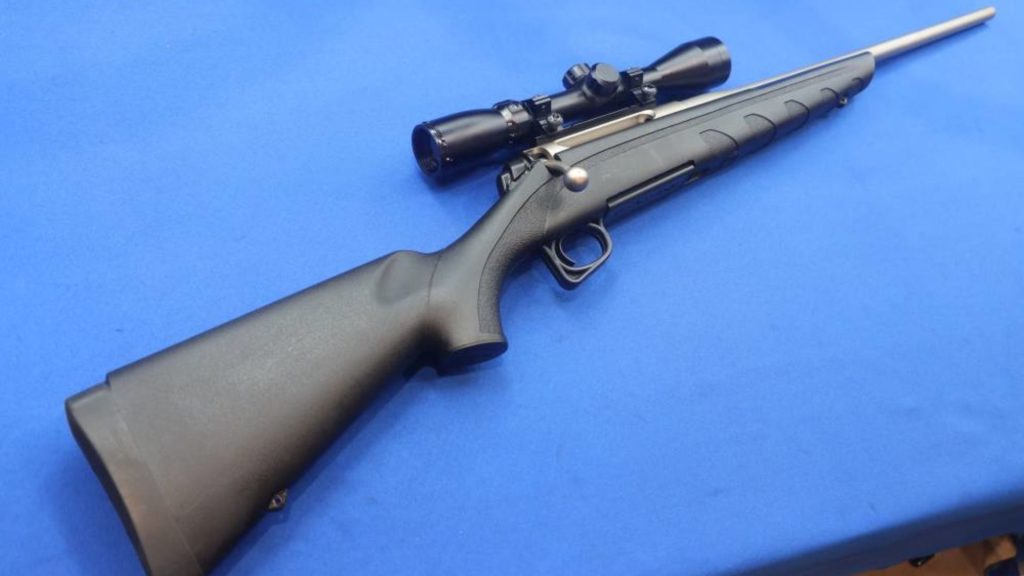
Snow finds every open spot on the Remington 770, and once moisture works into the action, cycling can feel like dragging gravel. Add cold weather and light primer strikes become more common, especially if oil thickens in sub-zero temperatures. The stock also flexes when wet or frozen, which can pull shots off target when rested on snow or a pack.
In fair conditions it works, but deep snow exposes the cut corners in build quality. Hunters carrying 770s into late-season country often keep the bolt wrapped or covered, because the rifle needs babysitting to stay reliable.
Savage Axis (Factory Trim)
The Savage Axis can shoot straight, but the lightweight design and tight tolerances aren’t friendly when mud works into the bolt raceway. Snow and slush melt inside the chamber, then freeze hard when temps drop. The heavy factory trigger doesn’t help when your hands are numb, and it’s easy to pull off target while fighting through gloves.
Upgrades fix most issues, but bone-stock Axis rifles demand more maintenance in wet or snowy hunts. Deep-country rifles get dragged through brush, set in snowbanks, and banged around in sleds—the Axis performs, but it needs constant attention to stay smooth.
Mossberg ATR
Budget rifles tend to reveal their limits in bad weather, and the ATR is no exception. Mud around the bolt makes the action sticky fast, and the thin finish doesn’t resist corrosion well when snow wets the metal all day. Water inside the stock can swell the bedding area and shift your point of impact at the worst time.
If you’re hunting deep snow ridges or spring runoff country, this rifle demands wiping, drying, and frequent cycling to stay alive. Many hunters eventually retire them after a few miserable storms teach hard lessons.
Remington 710
The 710 earned its reputation for bolt binding even in dry weather—so when snow or grit gets in, things go downhill quickly. The pressed-in barrel setup and plastic components struggle with temperature swings, and extraction issues are common when rounds get wet or cases frost up.
A 710 will take deer under controlled conditions, but late-season hunts are rarely controlled. When mud piles on your boots and snow fills your scope bell, you need a rifle with confidence built in. The 710 isn’t known for forgiving abuse.
Thompson Center Venture (Early Models)
The Venture shoots well in the right environment, but cold combined with mud can create stiff bolt lift. Snow melt around the chamber sometimes freezes during sits, especially when hunters breathe warm air into the receiver without thinking. The recoil lug bedding design on early rifles also allowed slight stock pressure changes when water saturated the forestock.
Later generations improved consistency, but deep snow country highlighted the weaknesses of early runs. Keeping the action under a cover helps—but a rifle shouldn’t need pampering when conditions get rough.
Browning AB3
While accurate, the AB3’s polymer magazine and latch system can be sensitive to grit and frozen slush. Snow that melts then refreezes can lock the mag in place or prevent full seating. The action is smooth, but when mud enters the bolt raceway, stiffness shows quickly compared to premium hunting rifles.
Hunters using AB3s in late-season often tape over mag wells or carry in a dry pouch to avoid failure. It’s a good rifle, but it doesn’t shrug off abuse like top-tier controlled-feed actions.
CVA Hunter Single Shot
Single shots sound reliable, but deep snow hunts expose the CVA Hunter’s weak points fast. Cold-weather moisture around the hinge and locking lug can create sluggish opening and closing. Thick gloves make the hammer awkward, and a freeze-up means no second shot—ever. Scope bases loosen easily if not checked, making wet hunts a maintenance chore.
This is a fine fair-weather gun, but late winter or swamp bottom hunts demand more durability and easier handling under gloves, snow, and shaking hands.
Rossi Single Shot Rifles
Rossi single-shots are light and affordable, but the break-action design doesn’t love slush and grit. Mud in the extractor groove can keep spent brass stuck tight, and snow freezing in the hinge makes follow-ups painfully slow. Cold triggers on these rifles often feel heavier, adding trouble when your nerves already spike.
Good for youth hunts or truck guns—less ideal for a stormy ridge when deer are moving after snowfall. If your hunt gets sloppy, this rifle requires more caution than confidence.
Budget Lever Guns with Exposed Hammers
Not all lever guns fail in weather—far from it. But cheap lever models with exposed hammers and sloppy tolerances struggle when snow packs under the hammer spur or inside the action. Frozen hammer springs can delay firing and mud can keep the lever from locking completely.
Lever rifles shine in the woods, but bargain ones need meticulous cleaning to survive wet hunts. In crusted snow or muddy river bottoms, failures aren’t rare. Quality levers run fine—budget ones fight you when the environment turns ugly.
Low-End AR Hunting Builds
A well-built AR runs all day in slop, but bargain hunting ARs often use budget gas blocks, low-grade springs, and rough BCG finishes. Snow melt mixing with carbon turns into sludge fast. Mud in the charging handle channel can halt cycling entirely. Steel-case ammo and weak extractor tension compound failure in freezing hunts.
You can absolutely hunt deer with an AR—but not all ARs handle deep snow well. A cheap build with tight tolerances needs more care than a rugged bolt gun when conditions fall apart.
Factory Stocks That Swell When Wet
Some rifles don’t fail because of the action—they fail because the stock warps. Cheap injection-molded plastic or unsealed wood swells fast in wet snow. Pressure changes on the barrel shift impact inches at 100 yards, sometimes more. The first shot prints center, the second after sitting in snow prints wide—you miss and wonder why.
Accuracy issues in weather often trace here. A good rifle becomes unreliable when its stock moves like wet cardboard. Bedding and sealing help, but not everyone knows until the shot already mattered.
Rifles with Tight-Bore Tolerances and Heavy Oil
It’s not brand-specific—some rifles hate thick oil in cold weather. Actions slow, firing pins drag, and bolts frost. Deep snow hunts demand light lube or dry components, but many rifles leave the store over-oiled. Combine that with freezing mud and you have slow lock time or no ignition.
A rifle doesn’t need fancy features to work—it needs smart prep. Deep snow exposes negligence brutally. When the deer steps out, you want metal that cycles like nothing happened.

Leo’s been tracking game and tuning gear since he could stand upright. He’s sharp, driven, and knows how to keep things running when conditions turn.


