Bass Tackle That Complicates Simple Patterns
Bass fishing has always rewarded anglers who can read water, seasonal movement, and basic forage. Somewhere along the way, tackle got louder, more technical, and harder to fish than it needed to be. That extra complexity doesn’t always help you catch more bass. In plenty of cases, it muddies the picture and pulls your focus away from location and presentation, which still matter most.
You’ve probably seen it happen. The bite should be straightforward, but the gear in your hands demands constant adjustment, tuning, or second-guessing. These are pieces of tackle that can work, but often turn an easy pattern into a mess. Here’s where things tend to go sideways.
Multi-Jointed Glide Baits

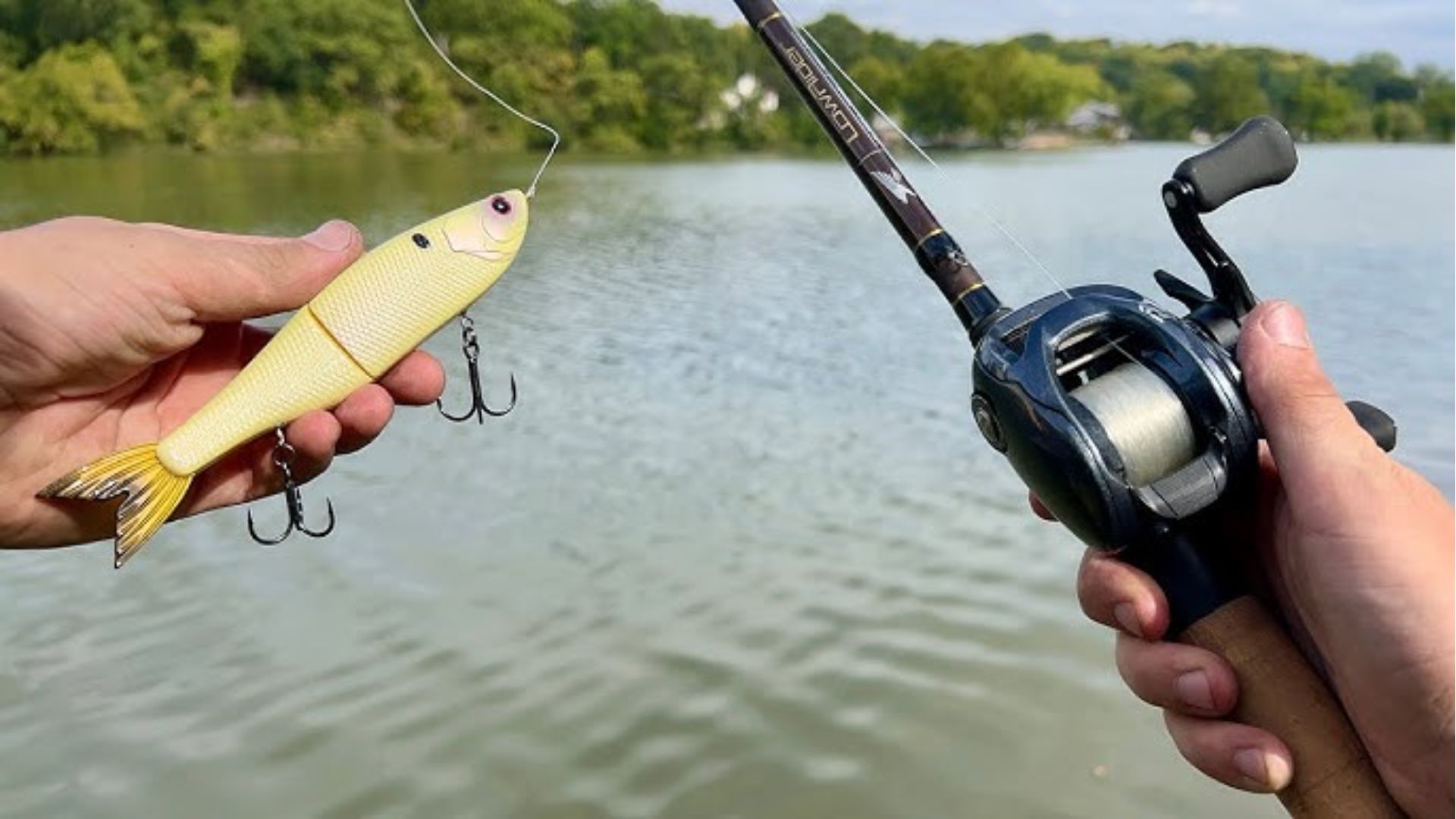
Glide baits look convincing in clear water, but they demand constant attention to retrieve speed and rod angle. If you’re off by a little, the bait rolls, blows out, or loses its side-to-side track. That can kill confidence fast when bass are already feeding shallow.
When fish are set up on banks or staging areas, a standard swimbait often gets more bites with less effort. Glide baits force you to think about cadence instead of cover. You end up tuning your hands instead of fishing the spot, which complicates what should be a straightforward search pattern.
Alabama Rigs
The Alabama rig catches fish, but it adds layers of decision-making that don’t always help. Wire spacing, head weight, blade choice, and soft plastic size all matter, and changing one thing affects the rest. That’s a lot to manage during a basic shad bite.
In many situations, bass respond just as well to a single swimbait or spinnerbait. The rig makes you worry about tangles, legality, and casting angles. Instead of covering water efficiently, you spend time managing the rig itself. When fish are active, that extra work rarely pays off.
Deep-Diving Crankbaits with Extended Bills
Long-billed crankbaits promise depth, but they demand constant tuning and perfect angles. If your cast is slightly off, the bait digs wrong or deflects poorly. You feel like you’re fighting the lure more than fishing structure.
On ledges or points, a medium diver often triggers the same bites with fewer hang-ups. Extended bills turn basic bottom contact into a technical exercise. Instead of focusing on where bass set up, you’re busy freeing snags and checking line. That added friction can pull you off a productive area too early.
Umbrella-Style Spinnerbaits
Oversized spinnerbaits with multiple arms look impressive, but they complicate retrieve speed and depth control. Keeping them in the strike zone takes constant rod adjustments, especially in wind or current.
Standard single-arm spinnerbaits track cleaner and give you better feedback. With umbrella designs, you lose feel and control, which matters around cover. Instead of ticking grass or bumping wood, the bait often rides awkwardly. That disconnect makes it harder to dial in a pattern that should be easy to repeat.
Heavy Tungsten Punch Rigs
Punching has its place, but heavy tungsten setups force commitment even when bass aren’t buried deep. You end up punching everything instead of reading which mats actually hold fish.
Lighter Texas rigs often slip through the same cover with better feel. Heavy punch weights remove subtlety and make every presentation feel the same. That takes away feedback that helps you adjust. When bass are using edges or thinner grass, punch rigs turn a clean pattern into guesswork.
High-Speed Baitcasting Reels
Ultra-fast reels sound helpful, but they can complicate timing. Retrieve speed jumps faster than expected, pulling baits out of productive zones.
With moving baits, slower reels often give better control. High-speed models force you to consciously slow down, which distracts from line watching and cover reading. Instead of letting the bait work, you’re managing gear. That extra mental load makes simple patterns harder to execute consistently.
Forward-Facing Sonar Lures
Lures designed specifically for live sonar often rely on precise angles and constant screen checks. You start fishing electronics instead of structure.
Traditional jigs and swimbaits still catch bass without staring at a display. Sonar-specific baits shift focus away from water and wind. When bass are positioned predictably, that tech-driven approach can overcomplicate decisions and slow you down when you should be casting and covering water.
Overweighted Football Jigs
Heavy football jigs are meant for depth, but they dull feel in moderate water. You lose bottom detail and subtle bites.
In many cases, a lighter jig maintains contact while giving clearer feedback. Overweighting turns a controlled drag into a plow. Instead of reading transitions, you’re hauling lead. That makes it harder to recognize productive bottom features that define simple offshore patterns.
Multi-Blade Buzzbaits
Buzzbaits with extra blades promise noise, but they often require fine-tuning to stay upright. One bad cast and the bait rolls or sinks.
Single-blade buzzbaits plane easier and recover faster. Multi-blade designs pull attention away from casting angles and bank length. You end up fixing the bait instead of covering water. On a basic topwater bite, that added fuss costs casts when fish are already shallow and active.
Finesse Rigs with Too Many Components
Stacked finesse setups with beads, swivels, and leaders complicate what should be light and clean. Each added part changes sink rate and action.
A basic drop-shot or Ned rig often gets more bites with less adjustment. Overbuilding finesse rigs makes them harder to cast and manage in wind. Instead of reacting to subtle bites, you’re untangling line and re-rigging. That takes you out of rhythm during conditions that reward efficiency.
Oversized Hollow-Body Frogs
Large frogs cast well, but they demand perfect timing on the hookset. Miss once or twice and confidence drops.
Smaller frogs collapse easier and hook fish more consistently. Oversized models force you to wait longer and adjust cadence constantly. Instead of focusing on lanes and openings, you’re second-guessing when to swing. That hesitation complicates a bite that should be visual and decisive.
Ultra-Stiff Flipping Rods
Extra-heavy flipping sticks have power, but they sacrifice feel. You lose bite detection in lighter cover.
Moderate-heavy rods often provide better balance and feedback. Ultra-stiff rods turn hooksets into guesses, especially with smaller plastics. Instead of reacting naturally, you’re forcing movements. That disconnect turns basic flipping patterns into a trial-and-error exercise when they should feel instinctive.

Leo’s been tracking game and tuning gear since he could stand upright. He’s sharp, driven, and knows how to keep things running when conditions turn.