Guns That Don’t Age Well
Some firearms feel solid when they’re new, then slowly show their age as rounds pile up and years roll by. It’s not always about neglect. Materials wear, designs fall behind, parts dry up, and little annoyances turn into real problems. You start noticing loosening tolerances, finishes that give up early, or quirks that didn’t matter when the gun was younger. Time has a way of exposing shortcuts and dated ideas.
Aging poorly doesn’t mean a gun was useless or unsafe when it launched. It means the years weren’t kind to it. These are firearms that tend to show their age faster than most, even when you take care of them.
Remington Model 742 Woodsmaster
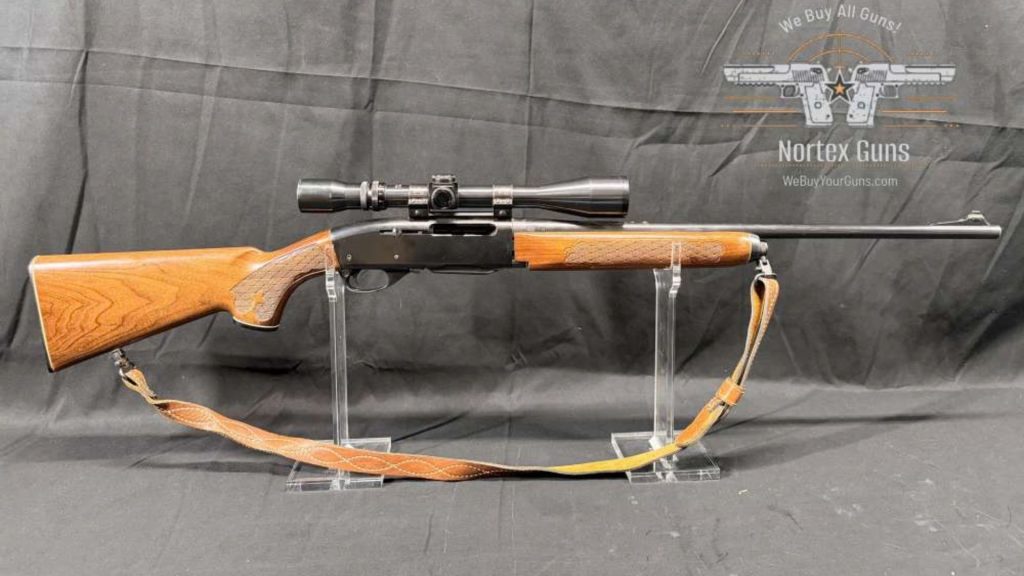
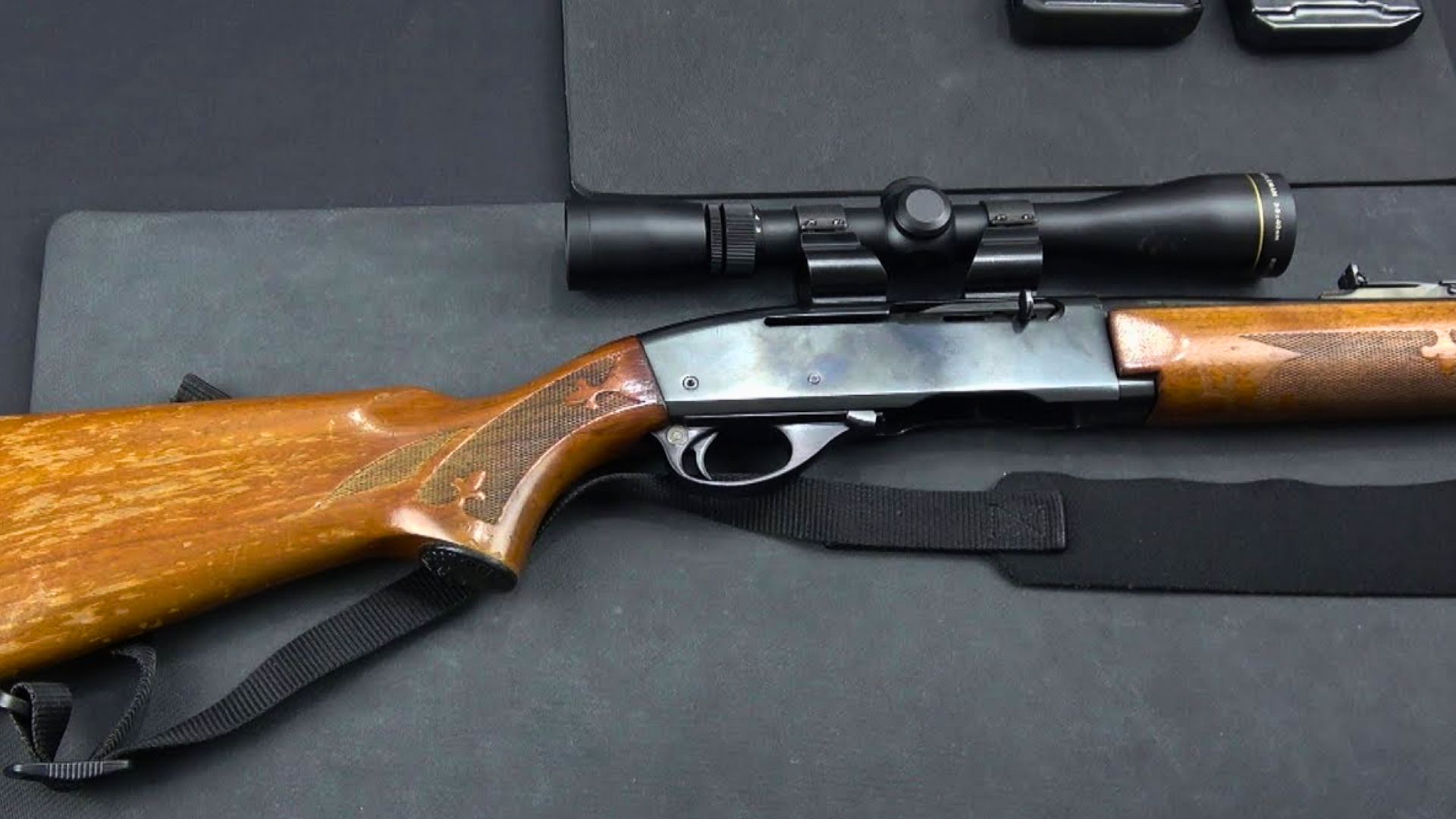
The Remington 742 looks great on a rack and shoulders well, but time is rarely kind to it. The action rails and bolt locking surfaces wear quickly, especially if you run hotter loads. Once that wear starts, reliability drops and accuracy follows.
As parts loosen, extraction issues become common, and replacement components aren’t easy to find. Even careful owners eventually notice rough cycling and inconsistent performance. Plenty of deer were taken with the 742, but decades later, many of them end up retired because keeping them running becomes more effort than they’re worth.
Winchester Model 100
The Winchester Model 100 carries classic looks, but aging exposes its weak spots. Earlier rifles suffered from firing pin issues serious enough to prompt recalls, and even updated versions show wear over time.
As springs soften and internal parts age, reliability can suffer, especially with inconsistent ignition. Magazine availability is limited, which turns a small problem into a big one. The rifle can still shoot well, but keeping it dependable often means tracking down parts that aren’t common anymore. What once felt modern now feels fragile with age.
Ruger Mini-14 (Early Thin-Barrel Models)
Early Mini-14 rifles earned loyalty, but time highlights their limitations. Thin barrels heat quickly, and as tolerances loosen, accuracy can wander more than you’d like.
Years of firing often exaggerate stringing issues, especially during longer sessions. While the action stays reliable, the rifle struggles to keep groups tight as components wear. Replacement barrels and upgrades help, but many owners notice their older Mini never shoots quite like it once did. Age turns a fun rifle into one that demands lowered expectations.
Colt AR-15 SP1
The Colt SP1 is a piece of history, but age makes it harder to live with. Proprietary parts and older dimensions complicate maintenance, especially when modern AR components don’t fit cleanly.
As aluminum wears and pins loosen, accuracy and consistency can suffer. The lightweight barrel profile doesn’t help over time either. You can keep one running, but it takes patience and careful sourcing. The SP1 still has collector value, yet as a regular shooter, it reminds you quickly that early AR designs weren’t built for decades of hard use.
Smith & Wesson Sigma Series
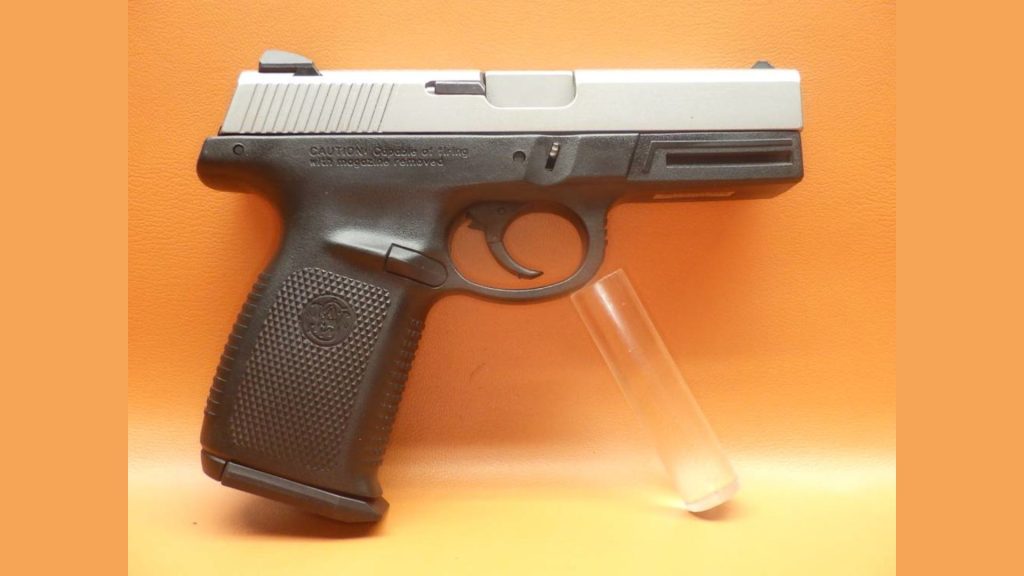
The Sigma pistols worked when new, but time magnifies their flaws. Triggers often become heavier or rougher with wear, and internal parts don’t always age evenly.
Frames can show flex over time, affecting consistency and accuracy. Replacement parts are limited, which turns routine maintenance into a challenge. Many shooters find their Sigma harder to shoot well as it gets older, even if it still functions. What once felt serviceable gradually becomes tiring to run, especially next to newer designs.
Taurus Judge
The Taurus Judge draws attention early on, but age reveals mechanical strain. Repeated firing, especially with heavier .410 loads, accelerates timing wear.
As tolerances open up, accuracy drops and cylinder alignment can become inconsistent. The long chambers don’t help longevity either. Some Judges hold up better than others, but many owners notice declining performance as round counts climb. What starts as an interesting idea often ends as a revolver that feels worn out long before it should.
Browning BAR Safari (Older Models)
Older Browning BAR Safari rifles shoot well when fresh, but aging brings complications. Magazines are proprietary and expensive, and worn internals aren’t easy to replace.
As springs weaken and gas systems accumulate wear, reliability becomes hit or miss. The rifle’s weight hides some issues, but accuracy can fade as components loosen. Keeping an older BAR running smoothly takes commitment. It’s still a capable rifle, but age makes ownership more demanding than most hunters expect.
HK P7
The HK P7 feels refined at first, but time exposes its limits. Heat buildup was always part of the design, and aging components don’t help.
Gas system wear affects reliability, and parts availability is thin. Grips and springs fatigue, and maintenance requires specialized knowledge. Even careful owners notice changes in performance as round counts grow. The P7 remains interesting, but age turns it into a pistol you shoot sparingly, not one you rely on heavily.
Rossi Circuit Judge
The Circuit Judge combines ideas that don’t age gracefully. Repeated use wears internal parts quickly, especially in the revolving action.
As tolerances loosen, accuracy and reliability decline. Timing issues show up sooner than expected, and support is limited. Owners often find their rifle works well early on, then becomes inconsistent. The design struggles to hold up long-term, making age a bigger factor than it should be.
Remington Nylon 77
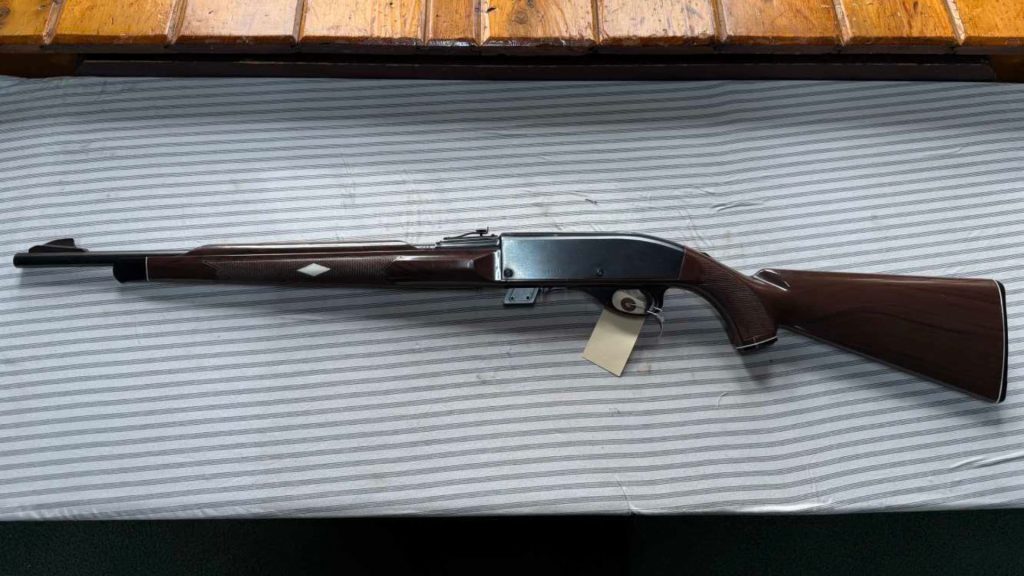
The Nylon 77 looks tough, but polymer and steel age differently. Over time, wear points inside the receiver can loosen, affecting consistency.
As parts shift, accuracy suffers, and repair options are limited. While lightweight and handy, the rifle doesn’t always age evenly across components. Some examples hold up fine, others don’t. When problems start, fixing them isn’t straightforward, and many owners decide it’s easier to retire the rifle than chase solutions.
Beretta Neos
The Beretta Neos feels modern, but age reveals durability issues. Internal wear can affect trigger feel and reliability after extended use.
As small parts loosen, consistency drops, especially with varied ammunition. Replacement components aren’t always easy to source. The pistol works well early on, but time tends to magnify its shortcomings. What once felt sleek slowly becomes finicky, especially compared to more traditional .22 designs that hold up longer.
Springfield Armory M1A Scout (Early Production)
Early M1A Scout rifles can struggle as they age. Stock fitment and mounting systems loosen over time, affecting zero retention.
As parts wear, maintaining accuracy becomes harder than expected. Bedding issues show up, and recoil impulse accelerates wear in key areas. The rifle still looks the part, but time turns it into a platform that needs frequent attention. For many owners, the maintenance burden grows faster than the satisfaction.

Leo’s been tracking game and tuning gear since he could stand upright. He’s sharp, driven, and knows how to keep things running when conditions turn.