Knives that fail at camp chores
Camp knives earn their keep doing boring, dirty work. You’re splitting kindling, trimming cordage, scraping fatwood, opening feed bags, and fixing whatever broke five minutes after you sat down. When a knife can’t handle those tasks without slipping, rolling an edge, or beating up your hand, frustration sets in fast. Some knives look great on a gear wall or feel fine for quick cuts, but fall apart once camp chores stack up. The problem usually isn’t steel alone. Grind, handle shape, blade length, and durability all matter once the work starts. These are knives that struggle when you actually rely on them around camp.
Ultra-Thin Fillet Knives
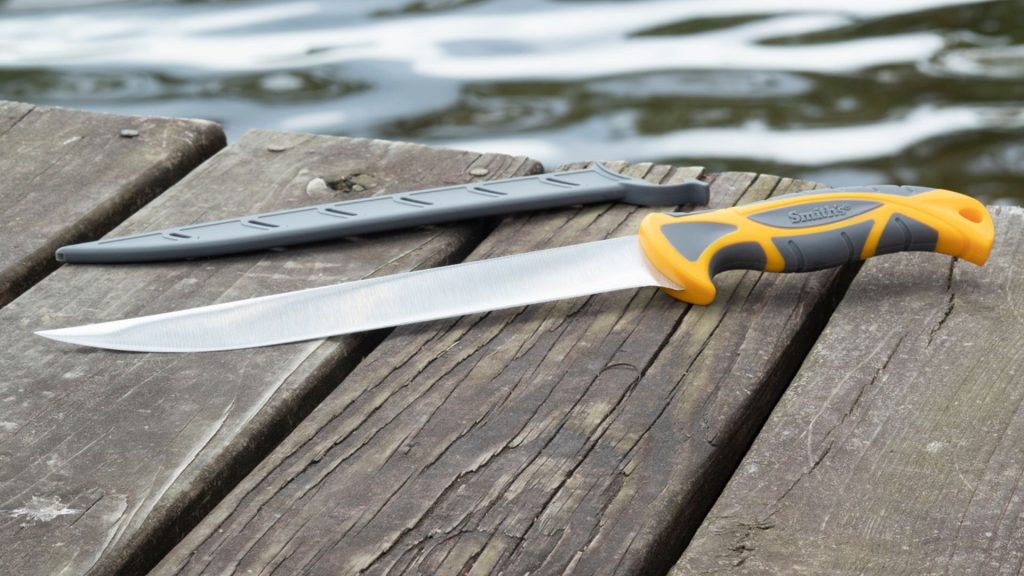
Fillet knives excel at fish, not camp work. The long, narrow blades flex under pressure and feel unstable when you try to split kindling or shave stakes. Even light twisting can make the blade wander.
At camp, you need control. Fillet knives force you to slow down and baby every cut. Handles are often slick, and guards are minimal. When your hands are wet or cold, the knife never feels planted. You spend more effort keeping the blade safe than getting work done, which makes routine chores take longer than they should.
Skeletonized Handle Knives
Skeletonized handles save weight, but they punish your hand during real work. Once you start carving tent stakes or batoning small wood, hot spots show up fast. The narrow grip edges dig into your palm.
With gloves off, pressure points build quickly. With gloves on, control suffers. These knives may look capable, but extended camp chores reveal their limits. You end up shifting grips constantly, trying to find comfort that never arrives. A knife that hurts to use becomes one you avoid, and that’s a bad sign around camp.
Mini Neck Knives
Neck knives have their place, but camp chores aren’t it. Short blades limit leverage, and tiny handles reduce control. Even cutting cardboard or trimming cordage feels cramped.
When it’s time to prep tinder or notch wood, you’re forced into awkward hand positions. Fatigue sets in quickly because your fingers do all the work. You can finish the job, but it feels like forcing a screwdriver to act like a pry bar. Camp knives should make work easier, not feel like a compromise.
Cheap Stainless Survival Knives
Budget survival knives often promise strength but deliver disappointment. Thick spines hide poor heat treatment, and edges roll or dull quickly. Once dull, they’re miserable to sharpen in the field.
Handles tend to be bulky without offering real control. Guards get in the way during fine cuts, and balance feels off. You might split a stick or two, but precision tasks suffer. Camp chores require consistency, and these knives feel unpredictable once real pressure is applied.
Tactical Daggers
Daggers are built for piercing, not chores. Double edges remove safe thumb placement and limit scraping or push cuts. Even basic food prep becomes awkward.
Around camp, you’re constantly adjusting grip to avoid cutting yourself. Blade geometry works against controlled carving. You may look capable carrying one, but once chores start, the design fights you at every step. Camp knives should feel intuitive, and daggers never do when utility matters.
Folding Knives with Soft Locks
Folding knives with weak or worn locks erode trust fast. Once you feel movement during a cut, confidence disappears. Camp chores involve torque, and that’s where problems show up.
You hesitate on cuts that should feel routine. Splitting small sticks or cutting dense material becomes risky. Even if failure never happens, doubt slows everything down. A camp knife needs to feel solid every time you lean into a cut, not make you second-guess pressure.
Ultra-Hard Super Steel Knives
Some high-end steels hold an edge but chip easily. Around camp, accidental bone hits or knotty wood expose that weakness. Micro-chips turn clean edges into snaggy messes.
Field sharpening becomes a chore of its own. Without proper stones, you’re stuck managing damage instead of fixing it. Camp knives should forgive mistakes. When steel punishes minor errors, chores feel tense instead of routine.
Overbuilt Chopper Knives
Big choppers promise power, but size works against them at camp. Heavy blades lack finesse for carving and food prep. Short grips combined with long blades throw off balance.
You end up switching tools or struggling through tasks that should be easy. Overkill becomes inefficient fast. Camp chores reward control more than brute force, and oversized knives feel clumsy once the work shifts away from wood splitting.
Hollow-Handled Knives
Hollow handles weaken structure and compromise balance. Even light batoning feels risky, and vibration travels straight into your hand.
Storage space inside the handle sounds useful, but it rarely offsets the downsides. Grip comfort suffers, and durability always feels questionable. Around camp, confidence matters. These knives never inspire it once real chores begin.
Ultra-Short Bushcraft Knives
Short blades excel at detail work, but struggle with general camp tasks. Splitting wood takes longer, and leverage is limited.
You compensate with extra effort, which leads to fatigue. For carving they’re fine, but camp chores are varied. When one knife can’t adapt, frustration builds. A camp knife should cover ground, not force constant adjustments.
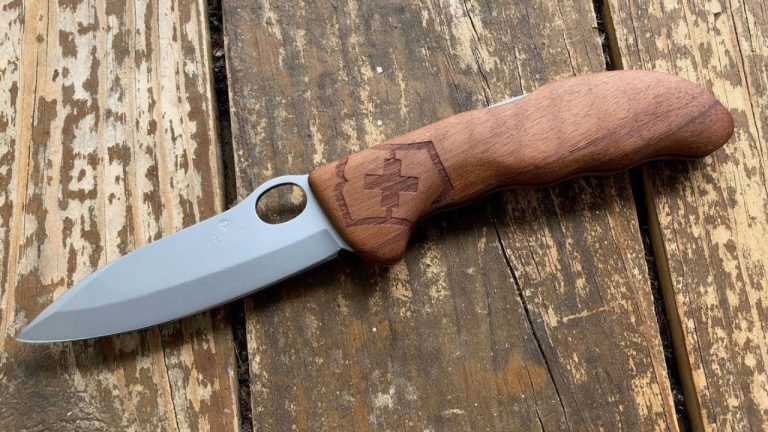
Decorative Handle Knives
Polished wood, antler, or smooth synthetic handles look great until they get wet. Once moisture shows up, grip security disappears.
Camp chores don’t wait for dry conditions. When your hand slips while carving or cutting, trust erodes. You start choking up awkwardly or slowing down. Beauty doesn’t matter when work starts, and these handles remind you of that quickly.
Thin Stock Full-Tang Knives
Thin stock blades slice well but struggle under pressure. When you twist or pry even slightly, flex becomes noticeable.
Around camp, you need versatility. Thin blades make you cautious, even when tasks demand confidence. Over time, hesitation adds up. Camp knives should feel dependable across chores, not require constant restraint to avoid damage.

Asher was raised in the woods and on the water, and it shows. He’s logged more hours behind a rifle and under a heavy pack than most men twice his age.