Equipment that makes long traplines manageable
Running a long trapline teaches you fast that effort compounds. Every extra pound, every awkward tool, every piece of gear that fights you instead of helping adds up by the end of the week. When daylight is short and weather turns mean, the right equipment doesn’t make the work easy, but it keeps it doable. You start valuing gear that carries well, works with cold hands, and doesn’t need babysitting. Experience trims your kit down to things that earn their place day after day. These are the tools that keep you moving forward when the line stretches long and quitting would be the easier option.
Waxed Canvas Pack Sled
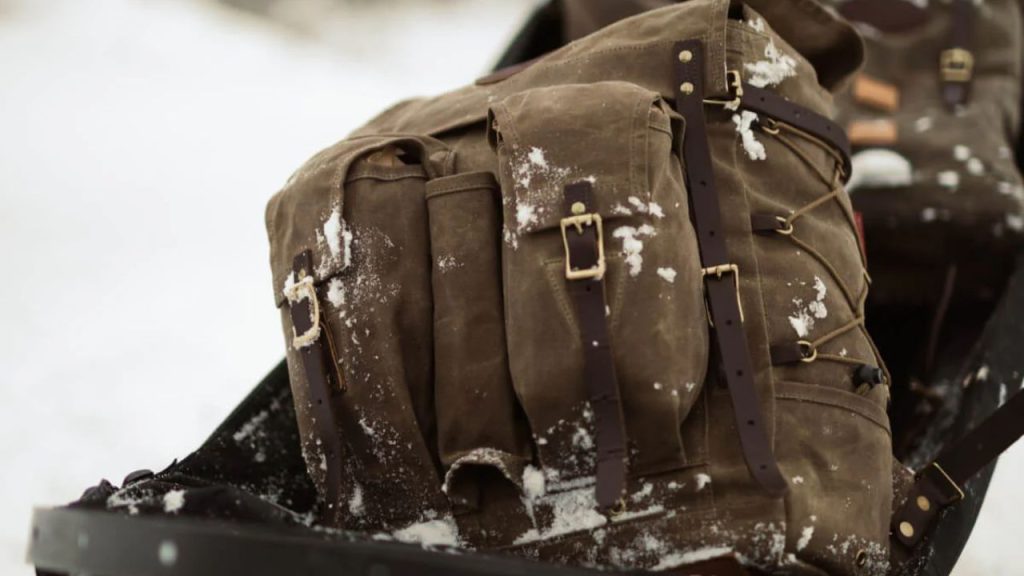
A waxed canvas pack sled saves your back when the line runs miles instead of yards. Dragging weight beats carrying it once snow sets up, and canvas slides quieter than plastic through timber.
You can pile traps, bait, and fur without worrying about cracking or brittle edges in the cold. The fabric flexes over roots and frozen ruts instead of hanging up. When you hit overflow or bare ground, it’s easier to lift and reposition than rigid sleds. It doesn’t care if it gets beat up, and by season’s end, it looks better broken in than new.
Trapper-Style Snowshoes
Long traplines demand snowshoes that track straight and don’t fight your stride. Traditional wood-frame or aluminum trapper snowshoes shine when the snow is deep and uneven.
They float enough to keep you moving but stay narrow so you can weave through brush and creek bottoms. Binding systems built for gloves matter more than people admit. You don’t want to fight straps when the wind’s biting. Good snowshoes keep your pace steady, conserve energy, and let you focus on reading sign instead of digging yourself out every ten steps.
Chest Waders With Reinforced Knees
Trapline work means water, ice, and mud whether you like it or not. Chest waders with reinforced knees and seat sections keep you moving instead of soaked.
You’re kneeling at sets, stepping through overflow, and breaking skim ice all day. Thin material fails fast in those conditions. Heavier waders hold up longer and block wind better when temperatures drop. The extra durability costs a bit of weight, but it saves time and body heat. Staying dry keeps your hands steady and your judgment sharp when the line stretches farther than planned.
Fur Handling Gloves
Cold metal, frozen bait, and wet fur punish bare hands quickly. A dedicated pair of fur handling gloves makes a difference by midday.
You want gloves that balance grip with warmth, not bulky insulation that kills dexterity. Rubberized palms help with frozen traps and slick hides. When blood and water soak in, you can swap them out without losing momentum. Keeping one pair dry in reserve matters more than people think. Hands that stay functional keep you efficient and prevent small mistakes that turn into long delays.
Compact Trap Setter
When you’re resetting dozens of traps a day, hand strength fades fast. A compact trap setter saves your hands and your patience.
Smaller setters fit easily into a pack or sled and still handle strong springs without drama. They let you work quickly without fighting leverage, especially late in the day when fatigue sets in. Using a setter keeps your grip consistent, which helps with clean, repeatable sets. Over a long line, reducing strain keeps your pace steady and your focus where it belongs.
Cable Restraint Storage Roll
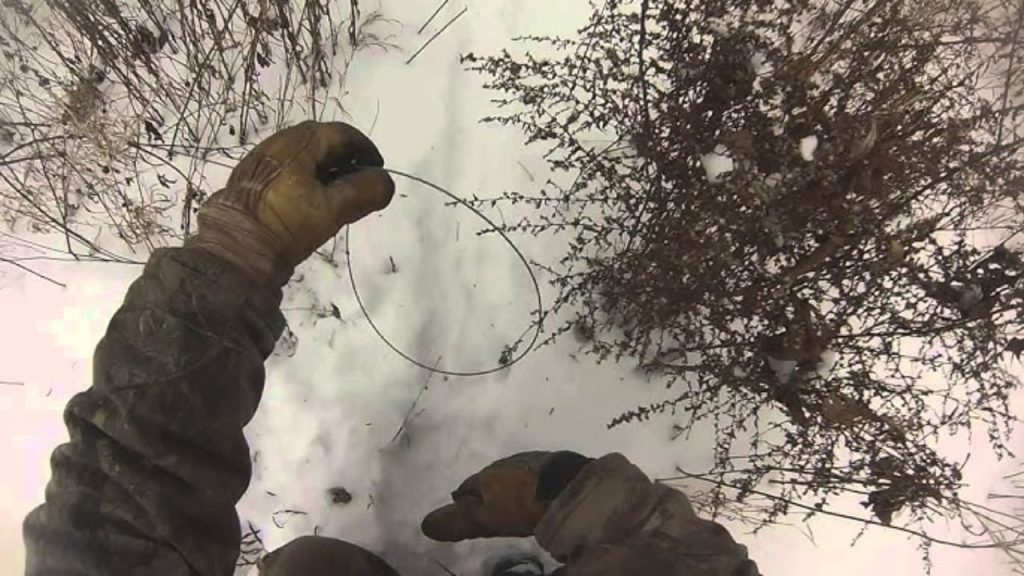
Cable restraints get tangled fast if you treat them like rope. A storage roll keeps them organized and ready.
Rolling restraints individually prevents kinks and speeds up deployment at the set. You’re not wasting time untangling wire with numb fingers while daylight slips away. It also protects locks and swivels from damage during transport. When everything has a place, you move faster and make fewer mistakes. On a long trapline, organization turns into efficiency, and efficiency keeps you ahead of weather and fatigue.
Headlamp With High Output
Short days and thick cover mean you’ll work in low light whether you plan to or not. A high-output headlamp earns its keep fast.
Hands-free light lets you remake sets, skin animals, and navigate rough ground without juggling a flashlight. Good lamps throw a wide beam with enough reach to read sign ahead of you. Cold-rated batteries matter when temperatures dive. A reliable headlamp extends your usable hours and reduces rushed decisions, which helps keep the line running smoothly when schedules slip.
Compact .22 Magnum Rifle
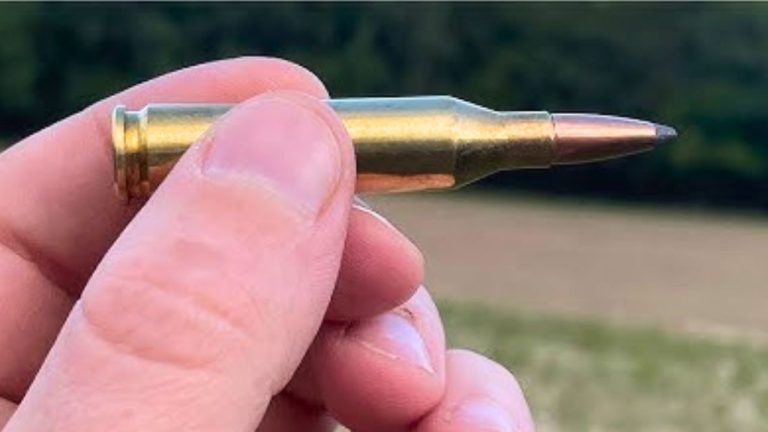
A lightweight .22 Magnum rifle handles dispatch duty cleanly without adding bulk. It hits harder than a rimfire .22 and stays manageable in tight cover.
Slim bolt-action models carry well on a sling or sled and don’t snag brush. The cartridge performs reliably in cold weather and minimizes pelt damage when placed right. You’re not hauling extra weight or recoil you don’t need. Over long distances, a small rifle that stays out of the way but does its job matters more than raw power.
Savage Model 42
The Savage Model 42 doesn’t get much attention, but it works well on a trapline. The combination of a .22 rimfire barrel over a .410 gives you flexibility.
You can handle dispatch, pests, or close-range work without swapping guns. Break-action simplicity means fewer worries in snow and grit. It carries flat and rides easily in a sled or scabbard. For trappers who value versatility without extra weight, it earns its keep quietly and without fuss.
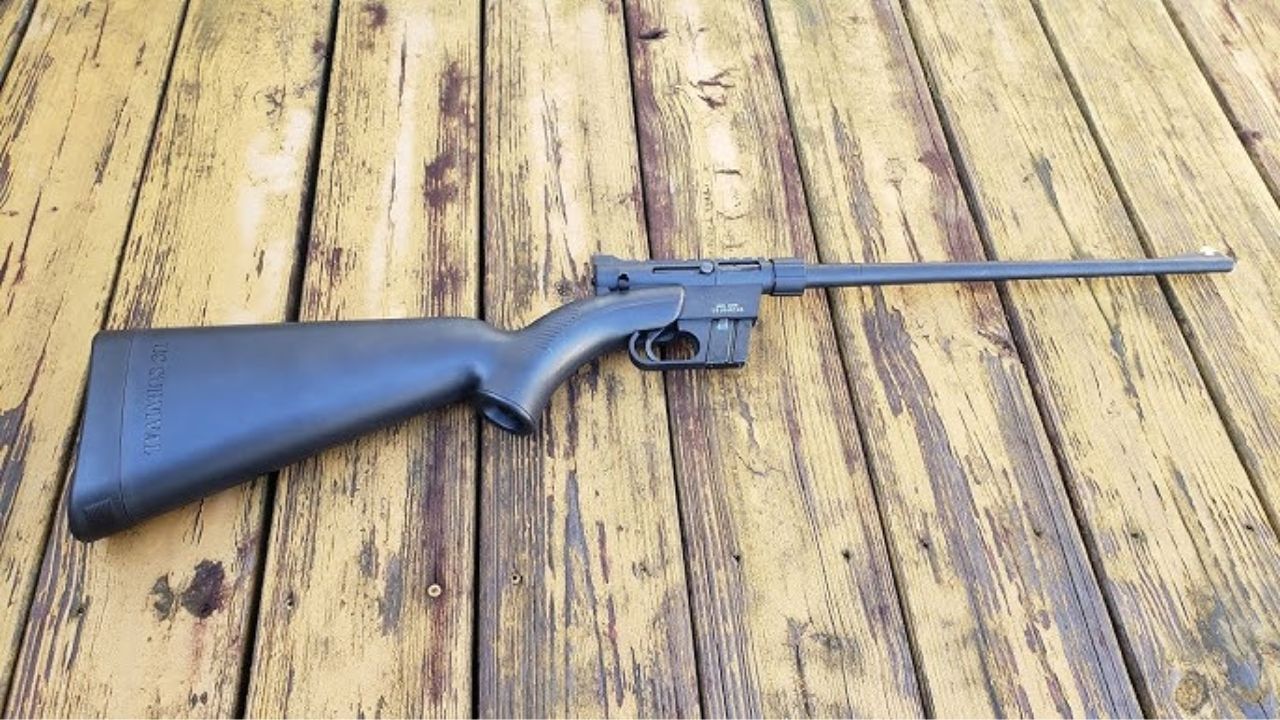
Henry AR-7 Survival Rifle
The Henry AR-7 makes sense when weight and space matter more than firepower. It breaks down small and rides inside its own stock.
On long lines, compact storage helps when gear piles up fast. The rifle handles basic dispatch work and small game when needed. It’s not built for speed shooting, but reliability and portability are the draw. When you’re already hauling traps, bait, and fur, a rifle that disappears until needed keeps things manageable.
Old-School Compass and Map
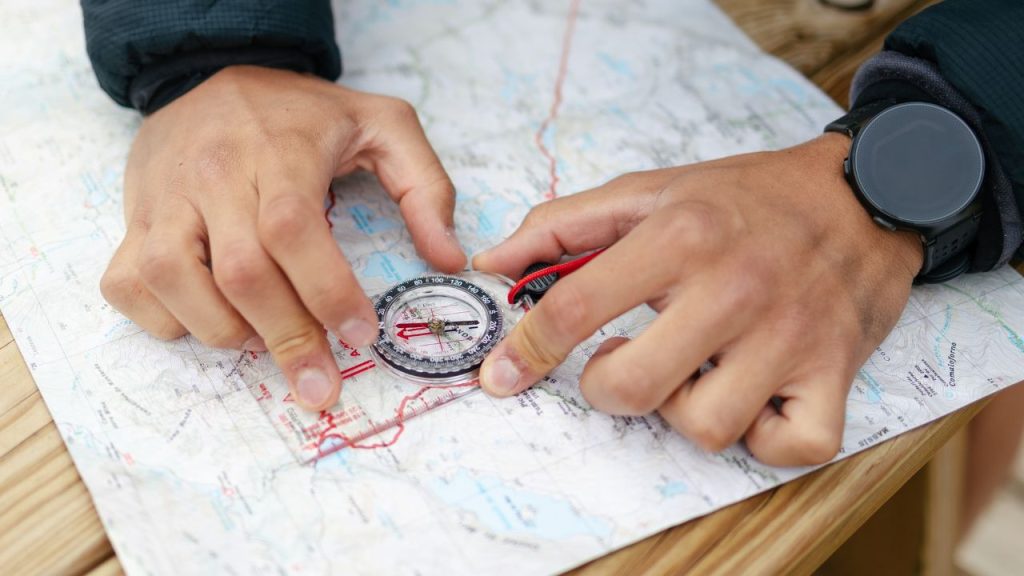
Electronics fail, especially in cold weather. A compass and paper map never do.
Long traplines often run through areas with weak signal or dead batteries. Knowing your route without relying on screens saves time and stress. A compass weighs nothing and works when everything else quits. Combined with marked maps, it helps you stay efficient and avoid backtracking. Confidence in navigation keeps your pace steady, even when weather or daylight throws plans off.
Thermos Built for Cold
A good thermos does more than carry coffee. It keeps you moving.
Hot drinks restore heat and morale during long stretches between stops. Cheap bottles fail when you need them most. A quality thermos keeps liquids hot for hours and doesn’t leak in your pack. Small breaks to warm up hands and core prevent mistakes caused by fatigue. Over a long line, staying fueled and hydrated keeps your judgment sharp and your body working like it should.

Asher was raised in the woods and on the water, and it shows. He’s logged more hours behind a rifle and under a heavy pack than most men twice his age.