Knives That Stay Reliable After Years of Neglect
Plenty of knives look sharp sitting in a drawer. The question is whether they still cut clean after living in a tackle box, riding in a truck console, or rusting in a forgotten pack pocket. A knife built with good steel and honest craftsmanship doesn’t need pampering to stay useful. It might dull, but it won’t fall apart. It won’t loosen at the pivot or snap when asked to do one more job. These are the knives that survive rust, moisture, grime, and neglect far better than their price tags suggest.
If you want a tool you can abandon and still depend on next season, these names have earned that trust.
Buck 110 Folding Hunter
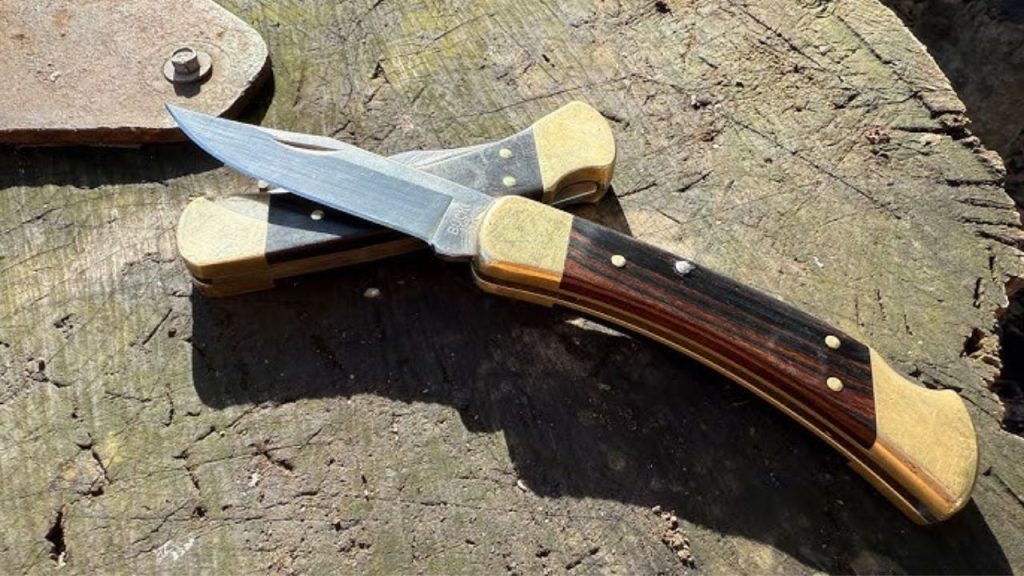
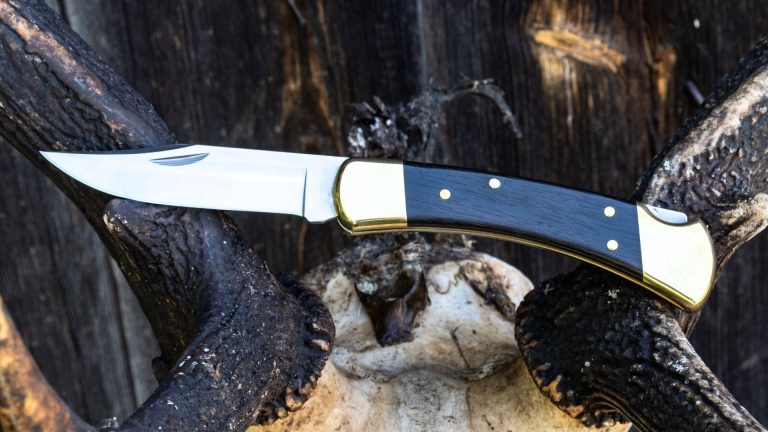
The Buck 110 is the poster child for durability through neglect. You could ignore one for years, wipe it with your shirt, and still quarter a deer with it. The lockback design rarely loosens, even after dirt and sand work into the hinge. The brass scales may tarnish, but the knife continues functioning. With only minimal sharpening, that blade bites through hide and wood like old muscle memory.
Plenty of hunters pass their 110 down through family with scratches as proof of use. It doesn’t need coddling—it needs a pocket and a purpose.
Mora Companion
The Mora Companion isn’t pretty, but its carbon steel holds up to wet sheds, tackle boxes, and barn shelves like it was made to be forgotten. Even with surface rust, a few swipes on a stone bring it back. The plastic handle and sheath tolerate mud, rain, and freezer sheds without warping. You can let it live in a truck door for two winters and it still sharpens fast and true.
Because it’s cheap and tough, you’re not afraid to abuse it. Many hunters discover their Companion still cutting even after they meant to replace it years ago.
Victorinox Swiss Army Knife (Farmer or Huntsman)
Swiss Army knives run smooth even when treated poorly. Their stainless steel resists rust, and the springs keep tension long after grit works inside. You can soak them in dish soap, rinse, dry, and they’re back in service. The Farmer and Huntsman models include saws and tools that stay functional without constant attention.
Plenty of folks find one in a drawer after a decade and it still opens without grinding. It won’t be razor sharp forever without upkeep, but it will function when almost anything else seized or snapped.
Opinel No. 8
An Opinel left in a glove box still locks and cuts when needed. The high-carbon blade sharpens quickly and takes a keen edge even after oxidation. The simple collar lock doesn’t rely on springs or complicated mechanics, which means nothing really “breaks” from neglect. You can sand the blade clean and put it back to work with little effort.
The beechwood handle may darken and swell with moisture, but it returns to form with drying and oil. It’s a knife made for working life, not gentle storage.
Case Trapper
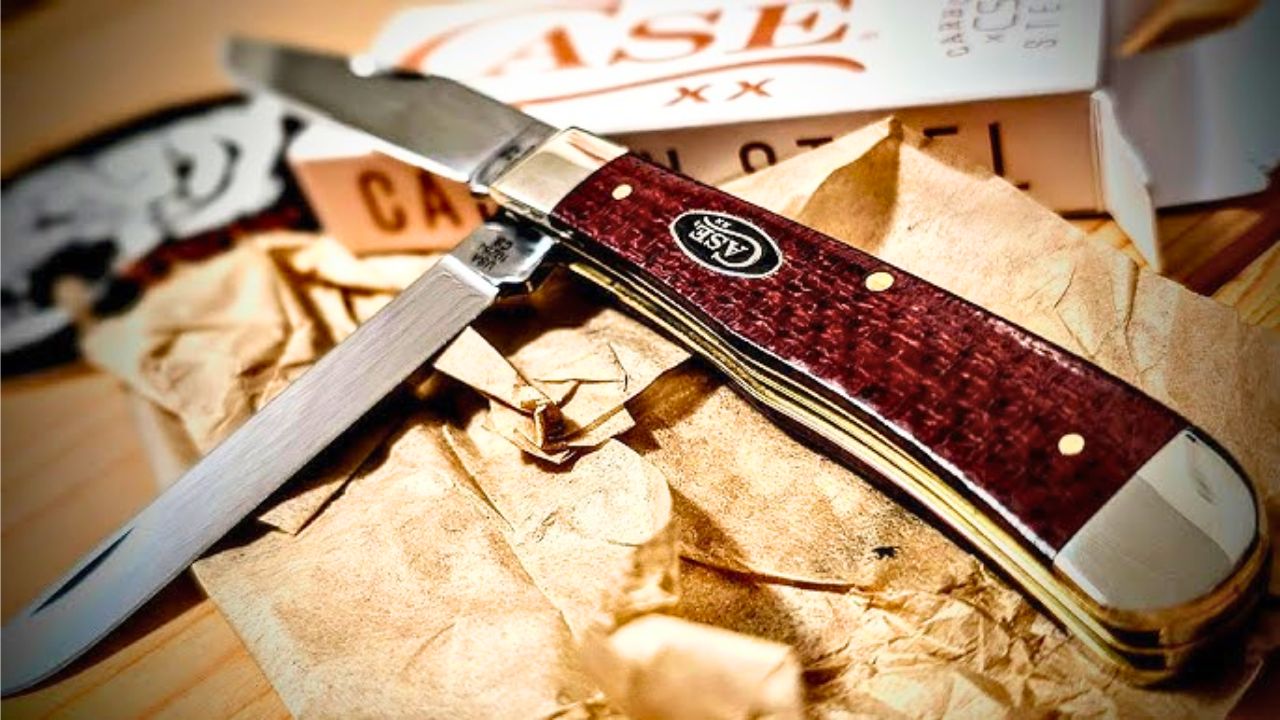
Case pocket knives have been riding in jeans and coveralls for generations. The CV carbon steel develops patina instead of rusting dangerously, and the slipjoint mechanism remains reliable with minimal oil over decades. Even if the edge dulls, it sharpens easily on a creek rock or steel.
You’ll see old Trappers that have opened feed bags, skinned rabbits, and scraped gasket surfaces for decades. They wear gracefully and stay functional with almost no care. Not many knives today earn as much time in real pockets.
Ka-Bar USMC Fighting Knife
Ka-Bars show up in climates that destroy gear—saltwater, jungle humidity, mountain cold—and still function. The 1095 Cro-Van steel sharpens well even when neglected, and the thick leather or synthetic handles withstand years of abuse. Many surplus Ka-Bars still cut cleaner than modern knives fresh out of packaging.
Even after rust spots and wear, the edge comes back quickly. The blade shape handles wood, hide, rope, and prying without fear. It’s a tool built for rough living, not gentle storage.
Old Hickory Butcher Knife
Plenty of hunters have one buried in a garage and still reach for it when processing game. Old Hickory blades are simple high-carbon steel that sharpens easily and holds an edge longer than expected. They patina heavily with moisture, but the blade keeps working.
You could neglect it for a season, scrub the surface, sharpen the edge, and break down a deer without worry. The wood handles age with time, often looking better scratched than polished.
Ontario RAT 1 (AUS-8 or D2)
The RAT 1 survives glove boxes, camp boxes, and dirty pockets without retiring early. AUS-8 steel is forgiving and responds well to sharpening after rust or dullness. D2 versions resist wear better for those who neglect maintenance even longer. The pivot stays smooth and the liner lock rarely backs out.
This knife feels like a truck tool. It opens boxes, cuts rope, guts fish, and disappears until the next task arises. Years later it still flicks open confidently.
Helle Gaupe
Helle’s laminated steel blades handle moisture and time better than many traditional knives. Even when forgotten in damp sheds, their core sharpens up without much effort. The curly birch handles age gracefully and keep grip even after neglect.
You’ll see Helle knives with patina and scars still slicing meat clean. As long as you don’t let the knife soak endlessly, it survives and revives reliably when needed.
USGI M7 Bayonet
Military gear is built to be tossed, dropped, and ignored. The M7 bayonet sits in surplus bins for decades yet works immediately with minimal touch-up. The steel resists abuse, the edge refreshes easily, and the scabbard shrugs off grime.
It’s not a refined hunter’s knife—but it cuts brush, opens feed bags, and dresses game in a pinch. This knife survives conditions that destroy modern folders.
Opinel Outdoor No. 8 (Synthetic Upgrade)
The Outdoor model solves wood swelling concerns by using durable polymer instead. Even after rain, snow, salt, or mud, the lock still twists freely. The blade sharpens quickly even when rust spots appear. The whistle is useful for survival, but durability is the selling point here.
Toss it in a kayak bag, forget it in a tent bin, rediscover it later—it still functions like a field knife should.
Cold Steel SRK
The SRK rides through saltwater hunts and mountain camps without quitting. SK-5 and VG10 versions handle neglect differently, but both sharpen back fast. The handle doesn’t rot, and the sheath survives wet climates. Many hunters never oil theirs and still break down fish or game yearly.
You can scrape bone, baton wood, or cut hide after months of storage. It’s the kind of knife that keeps going even when the owner doesn’t care for it properly.

Leo’s been tracking game and tuning gear since he could stand upright. He’s sharp, driven, and knows how to keep things running when conditions turn.