Weapons that fail when you need them most
Every experienced shooter learns, sometimes the hard way, that reliability isn’t a marketing promise—it’s something a firearm earns over time. A weapon can feel good at the counter, shoot tight groups on a calm range day, and still fall apart when conditions turn ugly or stress spikes. Cold weather, mixed ammo, awkward shooting positions, or long gaps between cleanings expose weaknesses fast. These are the guns that tend to stumble at the worst moments, not because you did something wrong, but because the design or execution never left much margin for error. None of these failures are myths. They’re patterns shooters have run into again and again.
Remington R51 (First Generation)
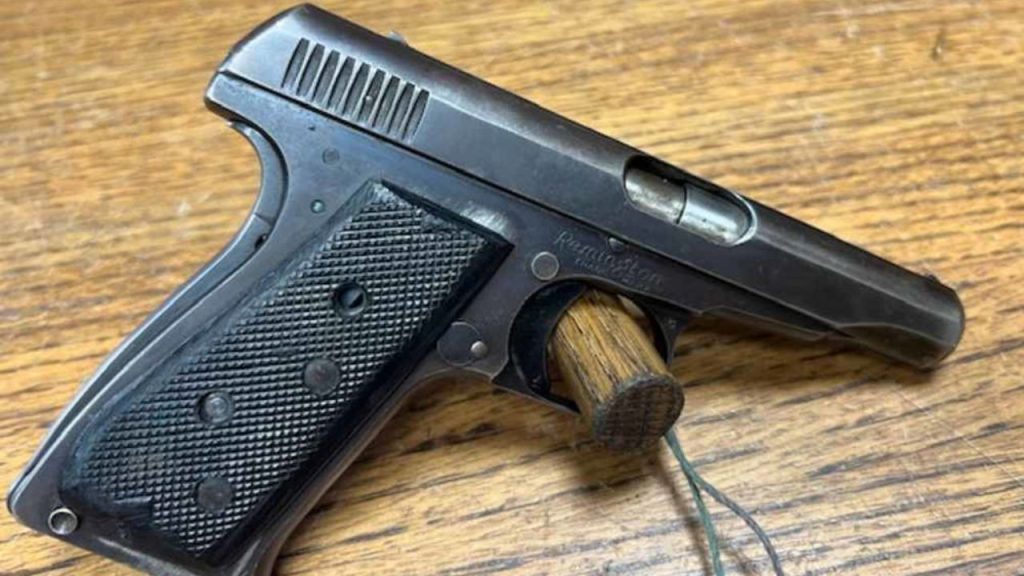
The original R51 was supposed to revive a classic design, but the execution missed the mark. Early production guns developed a reputation for failures to feed, failures to return to battery, and erratic extraction. Those problems didn’t always show up immediately, which made them more dangerous.
Under stress or rapid fire, the hesitation in the action becomes obvious. Shooters reported stoppages with common defensive ammo, not oddball loads. Remington eventually reworked the design, but the first generation left plenty of people stranded with a pistol they couldn’t trust when timing mattered most.
Colt All American 2000
The All American 2000 looked futuristic and promised modern performance, but reliability never matched the sales pitch. The rotating bolt system proved sensitive to dirt, ammo variation, and even grip pressure.
Failures to feed and inconsistent ignition weren’t rare, especially once the pistol warmed up. You could get it running on the range with careful ammo selection, but that kind of babysitting defeats the purpose. When a handgun needs ideal conditions to function, it’s not something you want riding on your belt when things go sideways.
SIG Sauer Mosquito
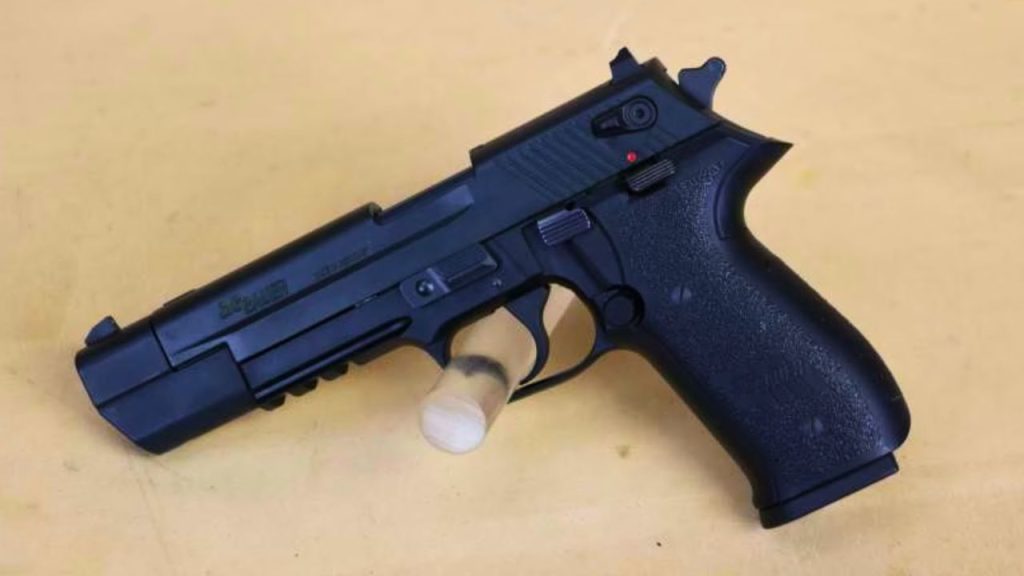
The Mosquito gained popularity as a trainer, but it’s also known for being picky and temperamental. Light rimfire ammo causes frequent failures to cycle, while hotter loads accelerate wear.
Under pressure, rimfire reliability already lives on thin ice, and the Mosquito doesn’t add much forgiveness. Feed ramps and magazines demand constant attention. Shooters often report the gun running fine for a magazine or two, then choking without warning. That unpredictability is exactly what erodes confidence when you’re counting on a gun to work every time.
Walther P22 (Early Production)
Early P22 pistols gained attention for their ergonomics, but reliability lagged behind. Cracked slides, feeding issues, and extraction failures showed up often enough to raise eyebrows.
Even well-maintained examples struggled with bulk ammo, which is what most people actually shoot. Once fouled, the pistol’s tolerance stack starts working against you. Under stress, small malfunctions pile up quickly. Later revisions improved things, but early models earned their reputation by quitting when shooters expected consistency.
Remington Model 742

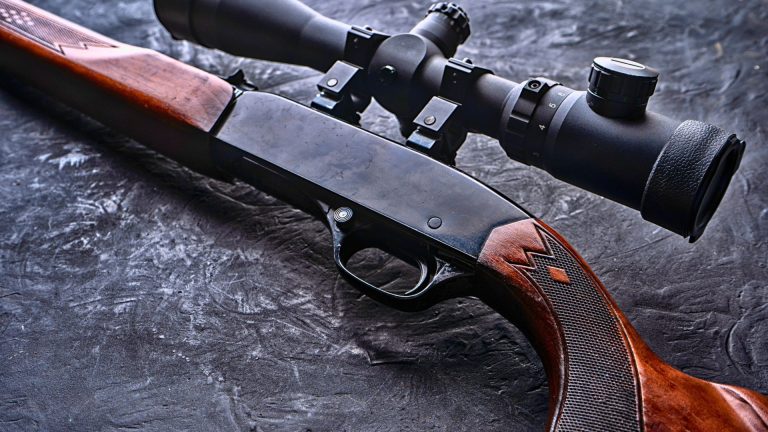
The Model 742 put a lot of semi-auto rifles in deer camps, but long-term reliability has always been its weak point. Worn rails and finicky feeding show up suddenly, often without warning.
Once wear sets in, jams become frequent and difficult to clear. Many shooters only learn this after years of use, when the rifle locks up during a hunt. It’s not abuse or neglect—it’s a design that doesn’t age gracefully. When you need a quick second shot, that limitation becomes painfully clear.
Kimber Solo
The Solo promised a compact 9mm with premium features, but it came with strict ammo requirements. Lighter loads often caused failures to feed or eject, even in clean guns.
That sensitivity doesn’t show mercy under stress. If your grip shifts or the pistol gets dirty, stoppages become more likely. A defensive pistol shouldn’t demand boutique ammo to function. When reliability depends on perfect conditions, the gun stops being a tool and starts being a liability.
Taurus Millennium (Early Generations)
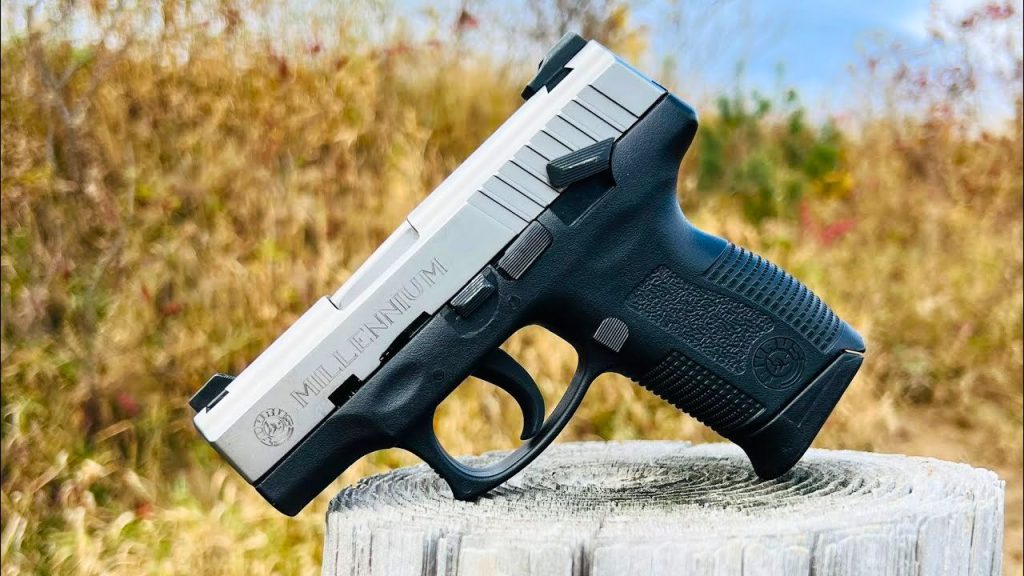
Early Millennium pistols had inconsistent quality control that showed up in reliability problems. Light strikes, trigger reset issues, and feeding problems were common complaints.
Some examples ran fine, others didn’t, and that inconsistency is the real problem. You couldn’t predict which camp your pistol fell into until it failed. Under stress, unpredictable behavior undermines trust fast. Later versions improved, but early models earned their reputation the hard way.
Winchester Model 100
The Model 100 is remembered fondly, but it carries a serious reliability concern. Original firing pins were prone to breaking, sometimes without obvious warning signs.
When the pin fails, the rifle simply stops working. That’s not a minor inconvenience during a hunt or critical moment. Winchester eventually addressed the issue, but many rifles remain unmodified. It’s a reminder that a single weak component can undo an otherwise solid rifle when timing matters most.
Kel-Tec PMR-30
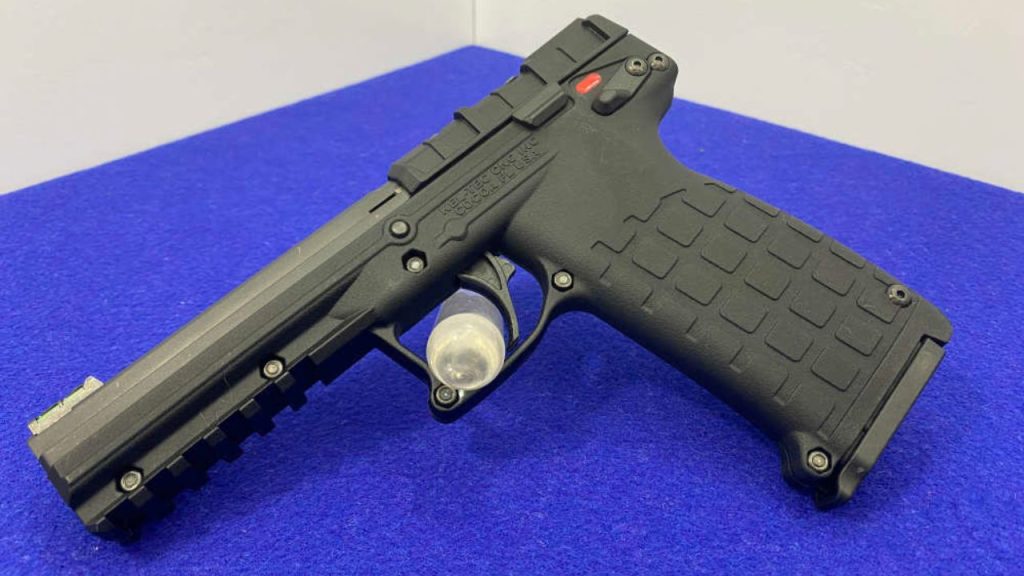
The PMR-30 offers impressive capacity, but it demands careful loading and ammo selection. Rimlock, feeding issues, and sensitivity to magazine stacking are well documented.
Under calm range conditions, you can manage those quirks. Under stress, they surface fast. A rushed reload or imperfect magazine seating often leads to stoppages. When a gun requires constant attention to stay running, it’s not something you want to rely on when everything else is already going wrong.
Ruger Mini-30 (Early Models)
Early Mini-30 rifles struggled with hard primers found in steel-case ammo. Light strikes were common enough to frustrate shooters who expected AK-like tolerance.
Even with brass ammo, consistency varied. In cold weather or after extended shooting, ignition problems became more noticeable. The rifle’s reputation for reliability suffered because performance depended heavily on ammo choice. When a rifle won’t reliably fire common cartridges, it leaves you questioning it at exactly the wrong time.
Mossberg 715T
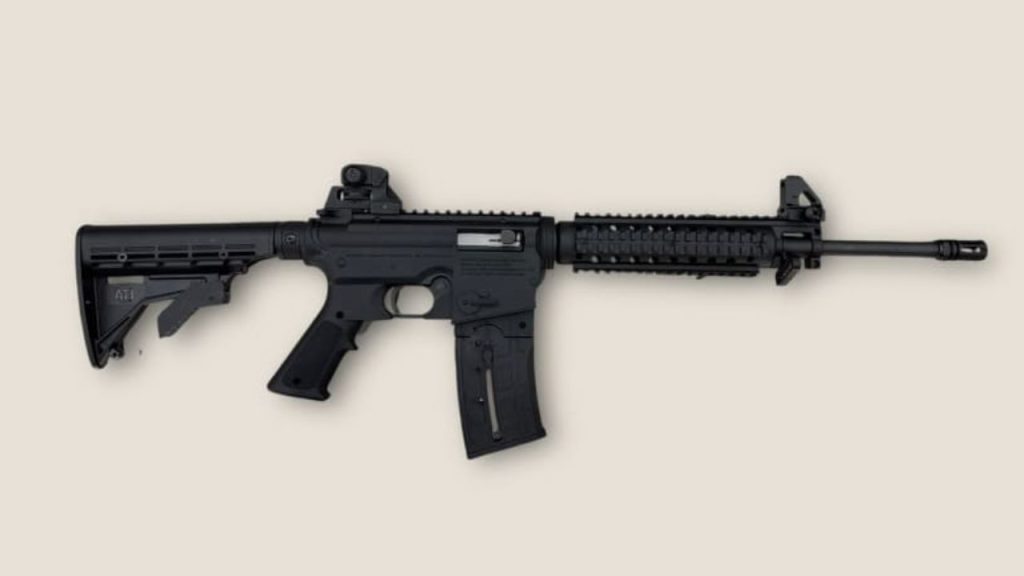
The 715T looks like a tactical rifle, but internally it’s a budget rimfire that shows its limits quickly. Feeding issues and fragile internals crop up after modest use.
Magazines wear fast, and once tolerances loosen, reliability drops sharply. Under stress, clearing repeated rimfire malfunctions becomes exhausting. The platform works fine for casual plinking, but it wasn’t built for situations where failure carries real consequences.
Rossi Circuit Judge
The Circuit Judge tries to bridge revolver and carbine roles, but reliability suffers when tolerances stack up. Timing issues and extraction problems appear more often than they should.
Under rapid fire or with mixed ammo, the action can bind. Clearing stoppages isn’t quick or intuitive. When a long gun demands revolver-level maintenance and patience, it’s not something you want when every second counts. The concept is interesting, but execution leaves little margin for error.

Asher was raised in the woods and on the water, and it shows. He’s logged more hours behind a rifle and under a heavy pack than most men twice his age.