

Pistols That Catch Beginners and Experts Off Guard
Every shooter runs into a pistol now and then that behaves nothing like the specs or reputation suggest. Some guns surprise new shooters with recoil or controls that feel less intuitive than expected. Others throw off experienced hands because they require a different rhythm than most platforms. These pistols aren’t bad, but they do tend to reveal gaps in technique—no matter how seasoned you think you are. Whether it’s odd balance, a trigger that demands patience, or sights that seem to float around the target, these handguns have a way of humbling anyone who picks them up.
Glock 43X
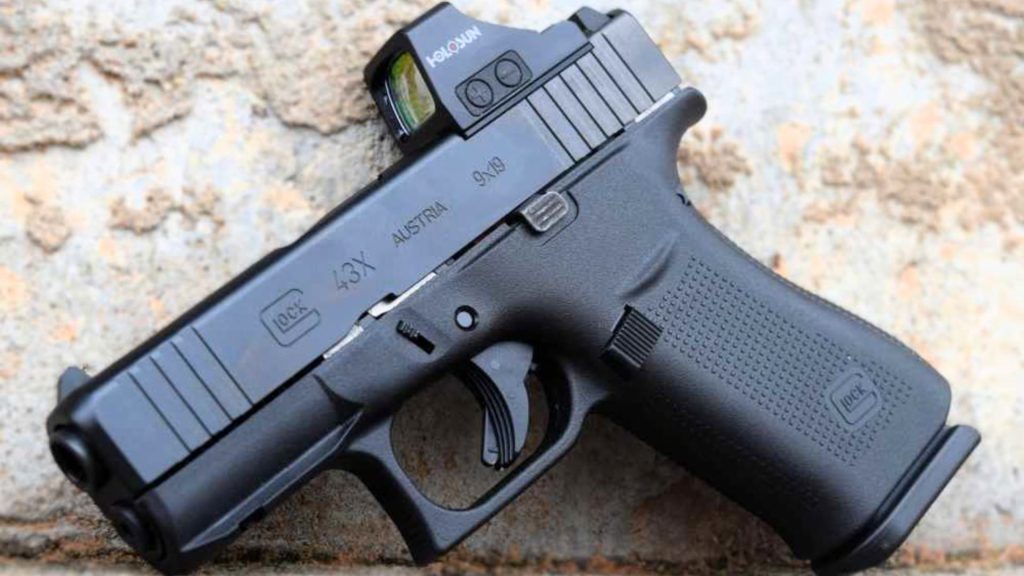
The Glock 43X looks like a friendly step between subcompact and compact pistols, but the balance can catch both new and seasoned shooters off guard. It’s light enough that recoil feels snappier than you expect, and if you’re used to a heavier pistol soaking up energy, you find your sights bouncing harder than anticipated. Beginners often start pushing shots low because they tense up, while experienced shooters end up adjusting their grip to keep the gun tracking smoothly.
The trigger behaves like other Glock triggers, but the shorter frame and lighter slide change the rhythm of reset and follow-up shots. Even solid shooters sometimes struggle to settle into a pace that feels natural. It’s a capable pistol, but one that demands a slight recalibration of technique before it starts behaving predictably.
SIG Sauer P365
The SIG P365 earned its reputation for capacity-to-size ratio, but the gun’s tiny frame amplifies every input from the shooter. New shooters tend to grip too loosely or too tightly, and that inconsistency shows up in their groups immediately. The gun rewards firm control, though it doesn’t give you much real estate to work with.
Experienced shooters often assume they can pick it up and run it like a larger pistol, and that’s where the surprises come in. The shorter sight radius doesn’t mask sloppy alignment, and the slide has a sharper impulse than you’d expect for a carry gun. It’s accurate, but only after you fine-tune your grip and settle into its unique rhythm.
Walther PPS M2
The Walther PPS M2 has a comfortable grip, but the combination of a narrow profile and a relatively crisp trigger can shock new shooters. That trigger break tends to surprise people who aren’t ready for it, sending early rounds off target. The gun is controllable, but not without understanding how tight the timing feels between recoil impulse and reset.
Even experienced Walther shooters sometimes find the PPS M2 behaves differently compared to the company’s larger models. The recoil comes straight back into the web of the hand in a way that demands better-than-average technique. Once you dial it in, it’s accurate and dependable, but getting there takes more time than most people expect.
Smith & Wesson M&P Shield Plus
The Shield Plus improved on earlier models, but the compact size still challenges shooters of all levels. New shooters often latch onto the upgraded capacity without realizing how snappy the recoil can feel in a small frame. That first magazine tends to reveal small grip flaws immediately.
Experienced shooters, used to the larger M&P pistols, often expect the same forgiving nature. Instead, the reduced size magnifies timing issues, especially when running rapid strings. The trigger is cleaner than the old Shield models, but the shorter slide disrupts the rhythm of recoil for many. It’s a solid concealed-carry pistol, but it makes you earn every clean group.
Glock 27
The Glock 27 in .40 S&W surprises a lot of shooters with harsh recoil relative to its size. New shooters often step into it thinking it’s simply a compact Glock, only to get driven off target by the sharp impulse. Grip technique becomes critical, and without a locked-in hold, the pistol starts wandering.
Experienced shooters sometimes underestimate how different a .40-cal compact behaves compared to 9mm. The gun moves more, resets differently, and punishes lapses in pressure and stance. Even those accustomed to larger .40-caliber pistols find the Glock 27 demands tighter fundamentals. It’s capable—but you have to be dialed in.
CZ P-07
The CZ P-07 has excellent ergonomics, yet the DA/SA system trips up both ends of the experience spectrum. New shooters often struggle with the heavier first pull, which can send early shots off target. Once they get past that, the light single-action pull can feel abrupt.
Experienced shooters who don’t routinely run DA/SA pistols may also stumble during transitions. The gun cycles smoothly, but managing the shift between trigger modes takes discipline. Even small errors in grip or finger placement show up in your group. It’s a strong platform overall, but only if you commit to mastering its two-stage personality.
Springfield Hellcat
The Springfield Hellcat packs a lot into a small frame, but that compact size creates challenges. New shooters often grip it too high or too low, leading to erratic recoil control. The short sight radius reveals small aiming mistakes immediately.
Experienced shooters sometimes walk into it thinking their fundamentals will carry them through, only to find the gun requires tighter timing than expected. The recoil has a sharp upward snap, and the trigger’s feel changes slightly depending on how aggressively you grip. Once you learn its preferred handling, it performs well, but the learning curve surprises more people than you’d think.
Ruger LCP II
The Ruger LCP II is extremely easy to carry but difficult to shoot well. New shooters often struggle with the small grip and lightweight frame, which exaggerate recoil beyond what its size suggests. Shots tend to scatter until they figure out how to anchor their hands properly.
Even experienced shooters find the pistol demands a level of focus that feels disproportionate to its role. The short barrel and minimal sights leave little margin for error, and the trigger, while improved from earlier versions, requires careful control. It’s a pocket pistol that does its job, but it can humble anyone who underestimates it.
Heckler & Koch VP9SK
The HK VP9SK is a quality pistol, but the shortened frame changes things more than many shooters expect. Beginners often struggle with the reduced grip surface, making it harder to manage recoil and maintain consistent pressure.
Experienced shooters who like the full-size VP9 sometimes feel thrown off by how the SK version disrupts their usual grip and timing. The gun is accurate, but it demands more deliberate technique than the larger model. Recoil is manageable, yet the compact frame makes every small mistake more noticeable. It takes time before it starts shooting like you expect an HK to shoot.
Beretta APX Carry
The Beretta APX Carry has a decent trigger and reliable cycling, but the single-stack frame creates balance quirks that surprise shooters. New shooters often have trouble stabilizing the pistol through recoil, and early groups show it.
Experienced shooters, especially those familiar with the full-size APX line, notice the difference immediately. The reduced mass shifts how the slide behaves under recoil, and timing your follow-up shots takes some adjustment. The grip texture helps, but the narrow footprint still demands good pressure. It’s a capable pistol, but mastering it doesn’t happen as quickly as many expect.
SIG Sauer P320 X-Compact
The SIG P320 X-Compact is well-built, but it behaves differently from the full-size versions. Beginners often feel surprised by the recoil impulse, which has a quicker snap than its size might suggest. Coupled with a shorter sight radius, small mistakes show up quickly on target.
Experienced shooters sometimes find the trigger reset feels slightly different in the compact models, altering their pace during rapid strings. The grip module is comfortable, but it encourages a higher hold that can lead to early adjustments. It shoots well once your hands and timing catch up, but it’s rarely intuitive right out of the gate.
Taurus G2C
The Taurus G2C has improved from earlier models, but the long trigger pull surprises many shooters. Beginners often rush the break, and that leads to early flyers. They also tend to relax their grip too much between shots, which shows up immediately.
Experienced shooters sometimes struggle with the reset and how it affects rapid-fire rhythm. The gun tracks differently than most compact 9mms, and it takes time to understand its pacing. Once you settle into its trigger and manage the recoil impulse, performance improves, but nearly everyone goes through an adjustment period.

Asher was raised in the woods and on the water, and it shows. He’s logged more hours behind a rifle and under a heavy pack than most men twice his age.


