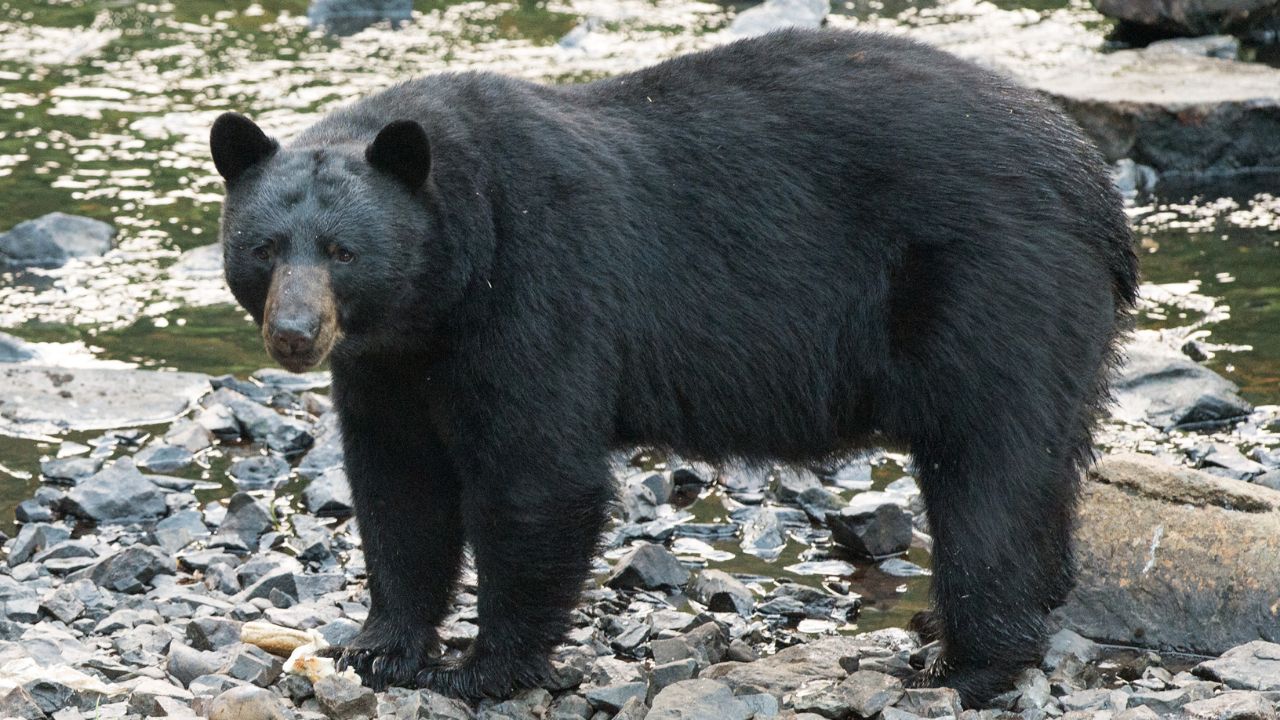
North america’s stealthiest big game
You’ve heard the whispers in hunting camps about those elusive shadows that slip through the timber without a sound. North America’s big game isn’t just about the biggest racks or the heaviest hides—it’s the ones that make you question your own senses, the animals that turn the tables on you as the hunter. You’ve glassed ridges at dawn, only to realize the game’s been watching you the whole time. These creatures have honed stealth over generations, using cover, silence, and instinct to vanish into the landscape. Whether you’re after a ghost in the Rockies or a phantom in the swamps, understanding their ways sharpens your edge. Stick with me here, and we’ll cover some of the sneakiest out there, based on years of trailing them across the continent.
Mountain Lion
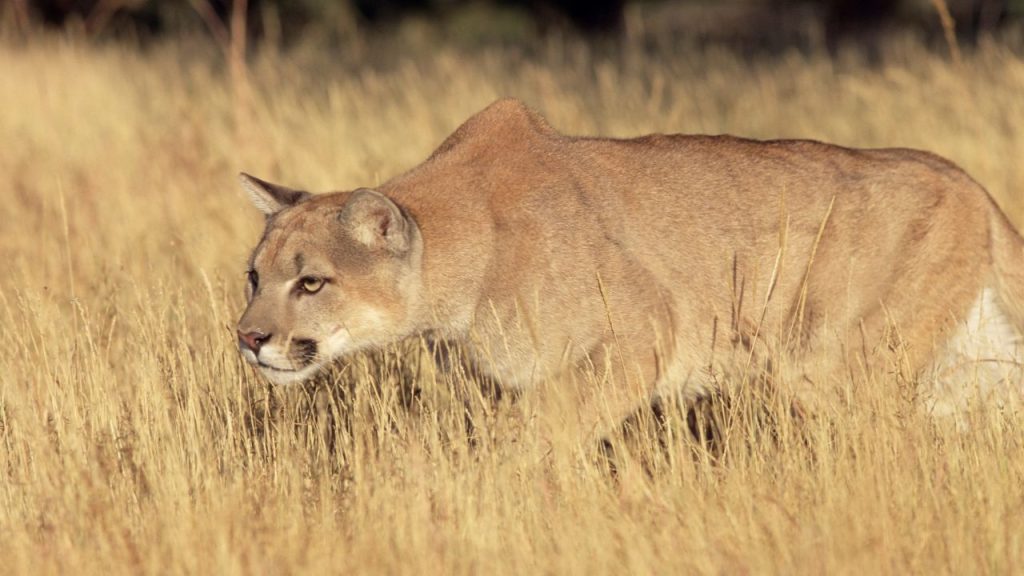
You spot fresh tracks in the snow, but that’s often all you get from a mountain lion—they’re masters at melting into the background. These cats move like smoke through dense brush or rocky canyons, their tawny coats blending seamlessly with the terrain. You’ve got to think like a predator yourself, scanning for subtle signs like scraped earth or cached kills, because they rarely give away their position with noise.
Patience pays off when you’re set up near a deer trail at dusk, where they ambush prey with explosive power. In places like the Sierra Nevada or the Canadian Rockies, they’ve adapted to human pressure by going nocturnal, making your hunt a game of wits. Keep your senses sharp; one wrong step, and that lion’s gone before you even raise your rifle.
Canada Lynx
You tread softly through boreal forests, eyes peeled for those oversized paws that let a Canada lynx float over deep snow without sinking. These elusive felines rely on their tufted ears and keen hearing to detect hares from afar, slipping through thick spruce stands like ghosts. In Alaska or northern Minnesota, they’ve got the edge in winter, using the cover of blizzards to close in undetected.
Setting traps or calling them in demands respect for their wariness—they’ll circle your position multiple times before committing. You’ve learned to look for their bounding tracks or scattered fur from a kill. Hunt them ethically, focusing on sustainable populations, and you’ll appreciate how their stealth turns a simple outing into a true test of skill.
Gray Wolf
You hear a distant howl slicing the night, but pinpointing a gray wolf pack is another story—they coordinate silently through body language and scents, vanishing into vast wilderness like Yellowstone or the Alaskan interior. These canines use the pack’s collective stealth to flank prey, melting into timberlines or river valleys where visibility drops.
Trailing them means reading the landscape for fresh scat or drag marks from a recent elk takedown. You’ve got to move upwind, staying low to avoid their sharp noses. In managed areas, hunting wolves sharpens your tracking, reminding you how their adaptability makes them North America’s ultimate team players in evasion.
Black Bear
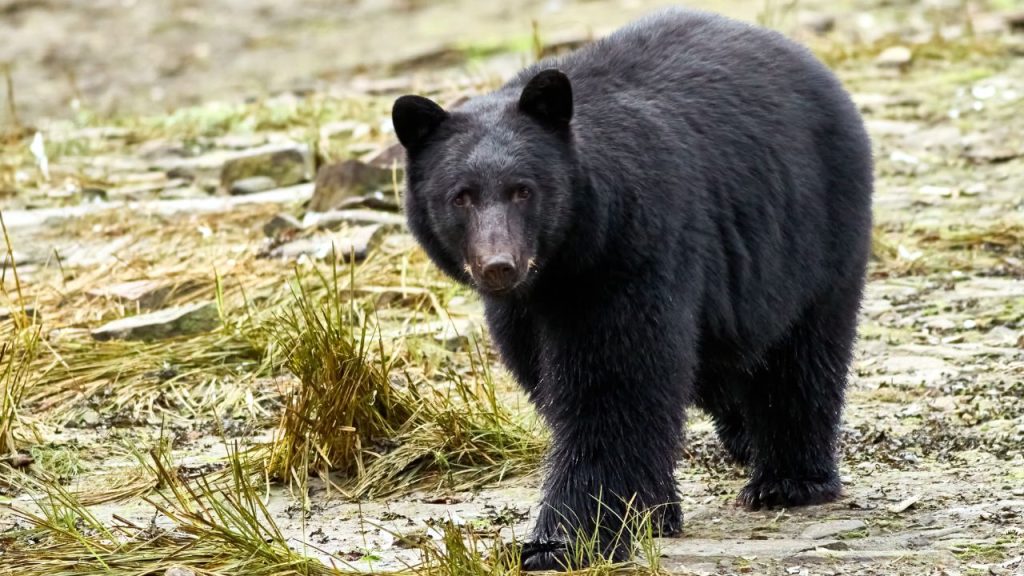
You ease through berry patches in the Appalachians, knowing a black bear could be foraging just yards away without a rustle. These bruins shuffle quietly on padded feet, their dark fur absorbing shadows in dense undergrowth. They’ve got a knack for climbing silently into trees or slipping into thickets when they sense you coming.
Scouting for claw marks on trunks or overturned logs gives you clues, but closing the distance tests your stealth against theirs. In places like the Pacific Northwest, they avoid trails, foraging at twilight. Approach with caution; their curiosity can flip to evasion in a heartbeat, teaching you the value of wind direction and slow movements.
Grizzly Bear
You navigate Alaskan riverbanks, aware that a grizzly could be hunkered in the willows, watching salmon runs without a sound. These massive bears use their bulk surprisingly well, padding through grass or along streams with minimal noise, their coats blending into earthy tones.
Look for fresh digs or fish remnants to track them, but remember they can charge silently if cornered. In the Greater Yellowstone Ecosystem, they’ve mastered using terrain for cover. Hunting grizzlies ethically means understanding their solitary, elusive nature—it’s about outlasting their wariness with smart setups and calls that mimic distress.
Whitetail Deer
You sit still in an eastern hardwood stand, waiting for a whitetail to materialize from the understory—they’re pros at freezing in place, their brown coats mimicking fallen leaves. These deer slip through briars and thickets with barely a twig snap, using their tails only as a last-resort flag.
Patterning their trails from rubs or scrapes helps, but you’ve got to account for their sixth sense for danger. In the Midwest farmlands or southern swamps, they bed in hidden pockets during day, emerging at edges. Your hunt becomes a chess match, where one creak from your stand sends them bounding silently away.
Mule Deer
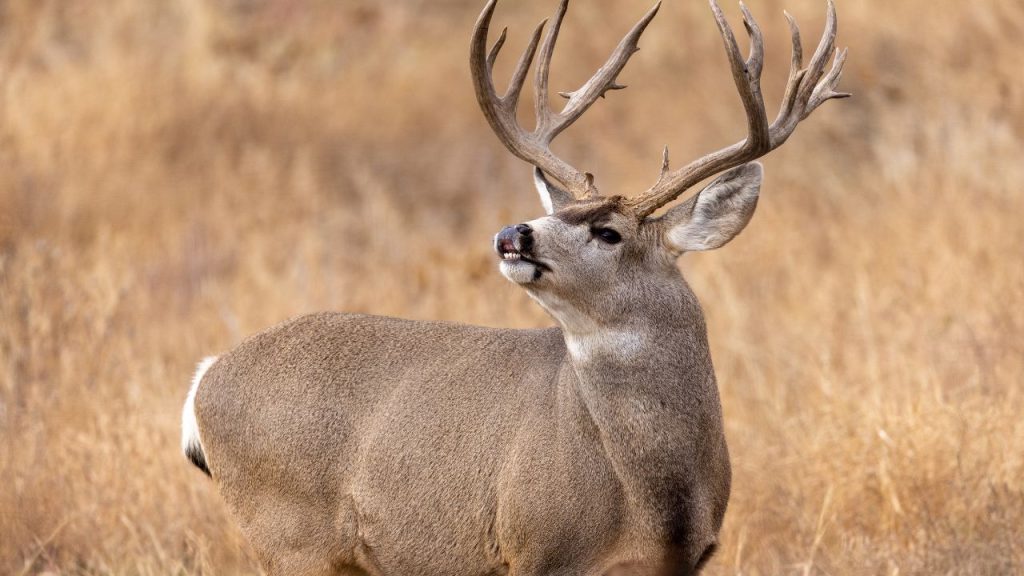
You glass high basins in the Rockies, spotting a mule deer’s ears twitching before the rest appears—they bound over ridges with effortless quiet, their grayish hides fading into sagebrush. These animals use elevation for vantage, slipping downslope undetected when pressured.
Tracking beds or fresh browse lines guides you, but closing in means hugging contours to stay hidden. In Colorado or Utah deserts, they’ve adapted to spot you from afar. Hunt them by anticipating their loops back to water at dawn, turning your pursuit into a lesson in matching their mountain stealth.
Elk
You bugle into a Montana meadow at first light, hoping to draw an elk from the timber—they ghost through pines with herd coordination, their tan bodies dissolving into dappled light. Bulls especially use wind currents to evade, circling wide before responding.
Scout for wallows or shed antlers to map their haunts, but you’ve learned they shift beds daily. In the Pacific Northwest rainforests, their stealth amps up in mist. Your success hinges on mimicking their calls subtly, pulling them from cover without spooking the group.
Moose
You paddle quietly through Maine’s bogs, scanning for a moose submerged in lilies—they wade silently, their long legs minimizing splashes, dark forms blending with muddy banks. These giants use aquatic cover to forage unseen, emerging only when safe.
Look for browsed willows or fresh tracks in mud to locate them, but approach via canoe to match their habitat. In the Yukon or Minnesota lakes, they’ve got the edge in swamps. Hunting moose teaches you to read water edges, where their stealth in vast wetlands demands precise shots from afar.
Bighorn Sheep
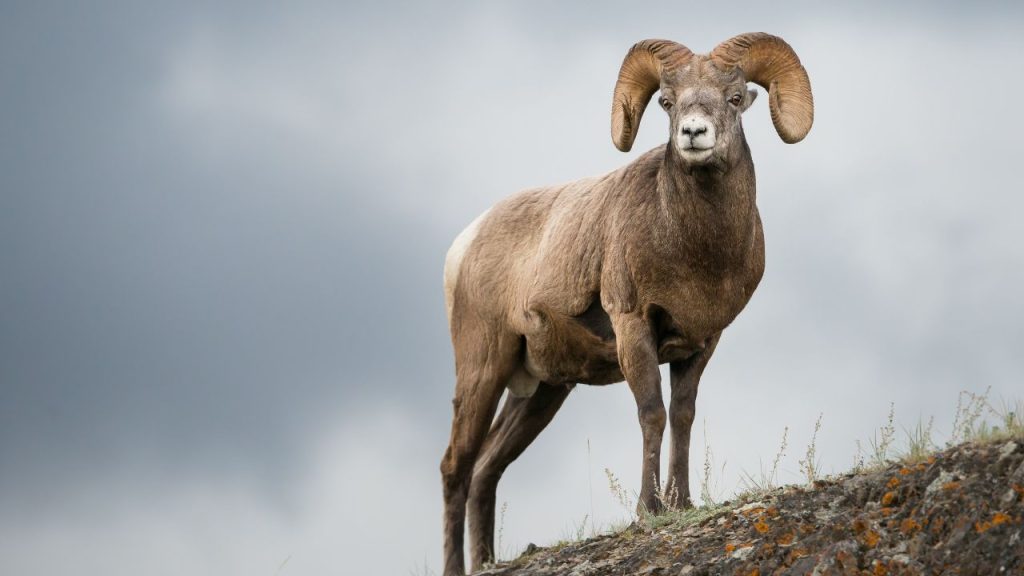
You climb sheer cliffs in the Badlands, eyeing a bighorn ram that seems to vanish into rock faces—their khaki coats match stone perfectly, hooves gripping ledges without a pebble’s clatter. Rams use heights for surveillance, slipping over rims undetected.
Glass from below for curls or fresh scrapes, but summiting tests your endurance against theirs. In British Columbia or Wyoming ranges, they evade by traversing impossible terrain. Your hunt revolves around spotting them first, a reminder of how their alpine stealth rewards the persistent stalker.
Mountain Goat
You ascend foggy peaks in the Cascades, where a mountain goat clings to crags like part of the mountain—white fur against snow or rock blends flawlessly, their surefooted steps silent on scree. They descend rarely, using vertigo-inducing paths for escape.
Binoculars reveal billies from afar via horn shapes or urine stains on ledges. In Idaho or Alberta, their high-altitude life amps evasion. Pursuing them means roping in or careful stalks, honing your skills in thin air where one slip ends the day.
Pronghorn
You scan open prairies in Wyoming, catching a pronghorn’s flash before it fades into grasslands—their white rumps signal alarms, but they sprint silently across flats, using speed as stealth. Herds post sentries, melting into horizons when alerted.
Track waterholes or fence crossings for patterns, but you’ve got to crawl low in sage. In New Mexico plains, they spot vehicles miles off. Hunting pronghorns sharpens your long-range game, where matching their vigilance turns pursuit into a wide-open duel.
Caribou
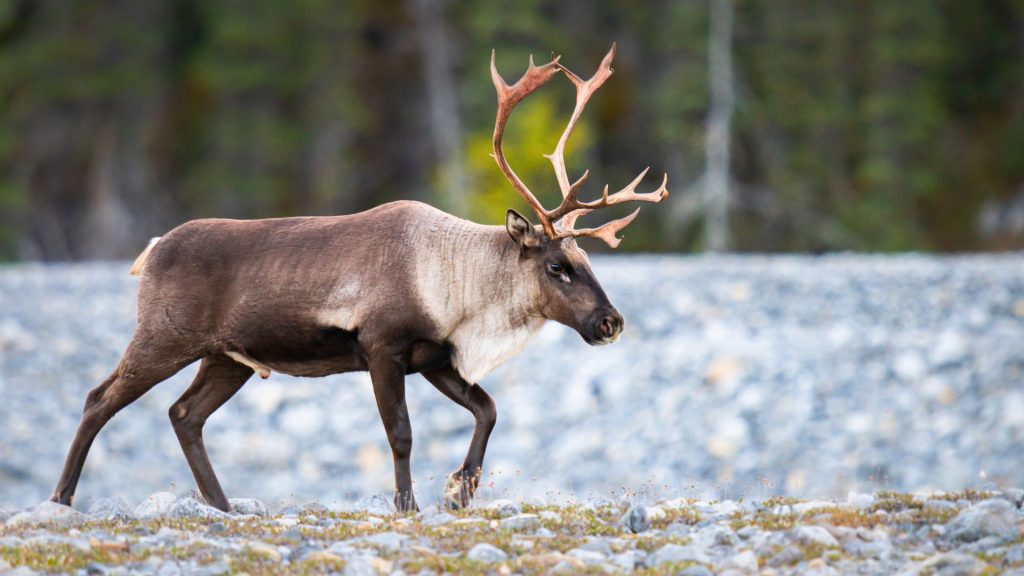
You trek tundra in the Arctic, where caribou herds shimmer like mirages—they migrate quietly over vast barrens, brown coats merging with lichen-covered ground. Bulls use antler spreads for display but evade by blending into the horde.
Follow migration routes via shed velvet or calving grounds, but wind carries your scent far. In Quebec or Alaska, their nomadic ways demand mobility. Your hunt involves intercepting funnels, appreciating how their group stealth in endless space challenges even seasoned trackers.

Asher was raised in the woods and on the water, and it shows. He’s logged more hours behind a rifle and under a heavy pack than most men twice his age.