Knives that lose bite halfway through a deer
Field dressing a deer is where a knife earns its keep. You start clean, confident, and moving with purpose. Then the edge fades, pressure increases, and cuts turn into pushes. By the time you’re freeing the last quarter, you’re wondering what went wrong. Edge retention isn’t about marketing claims or steel charts—it’s about how a blade behaves against hide, hair, connective tissue, and bone contact in cold, gritty conditions. Some knives feel sharp at the tailgate and quit when the work gets real. These are the blades that often start strong and leave you touching up steel far sooner than you should.
Budget Stainless Folder Blades
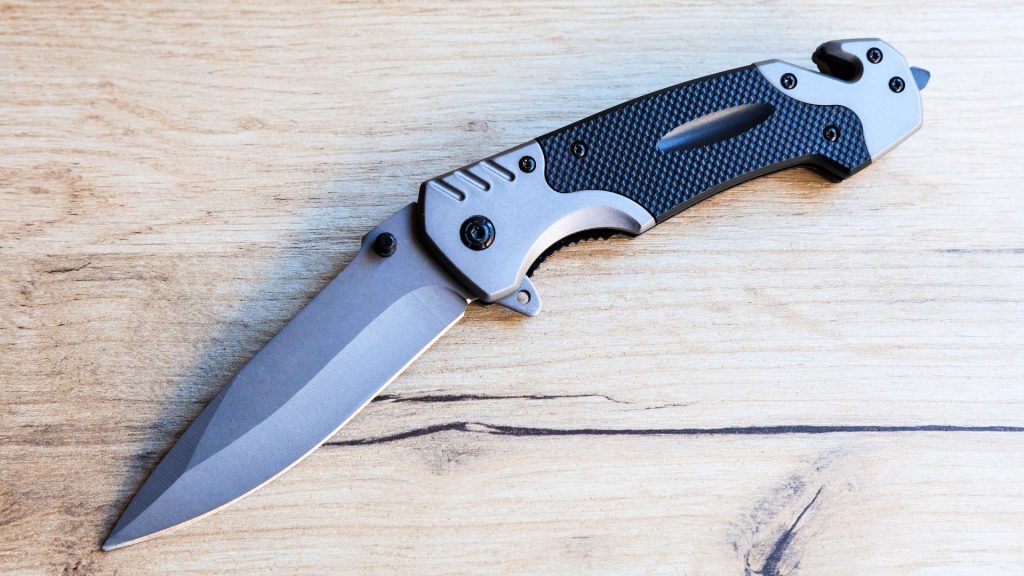
Cheap stainless folders often arrive shaving sharp, which gives you false confidence. The problem shows up once you’re into the hide and hair. Softer steels roll quickly, especially when you’re working around joints and rib edges.
Halfway through the job, the edge starts sliding instead of slicing. You press harder, which only speeds up edge loss. By the time you reach the pelvis or neck, the blade feels tired. These knives aren’t unsafe, but they demand constant touch-ups and don’t hold an edge long enough to finish a deer cleanly.
Big-Box Store “Hunting” Knives
Many mass-market hunting knives look the part with rubber handles and gut hooks, but the steel often tells a different story. Heat treatment is inconsistent, which means edge life varies blade to blade.
You’ll notice it when the first leg comes off smoothly and the second takes twice the effort. Hair dulls the edge fast, and cartilage finishes it off. The knife still cuts, but it no longer tracks straight or clean. You end up sawing instead of slicing, which slows everything down and wears you out.
Gut Hook Blades With Soft Edges
Gut hooks are handy tools, but many are ground from the same soft steel as the main blade. The hook dulls almost immediately when it meets hair and hide tension.
Once that hook loses bite, it becomes dead weight. Worse, the rest of the blade often follows. You finish opening the cavity only to realize your primary edge has faded too. These knives work early and disappoint late, leaving you switching tools when you should be wrapping up.
Thin Factory Grinds With Weak Heat Treats
Thin blades can feel amazing at first. They slip through hide and meat with minimal effort. The downside is edge stability, especially if the steel isn’t treated properly.
As soon as you twist through joints or scrape bone, micro-rolling starts. You don’t always see it, but you feel it. The edge still looks fine, yet it won’t bite. By the back half of the deer, you’re compensating with pressure instead of precision.
Decorative Damascus-Style Hunting Knives
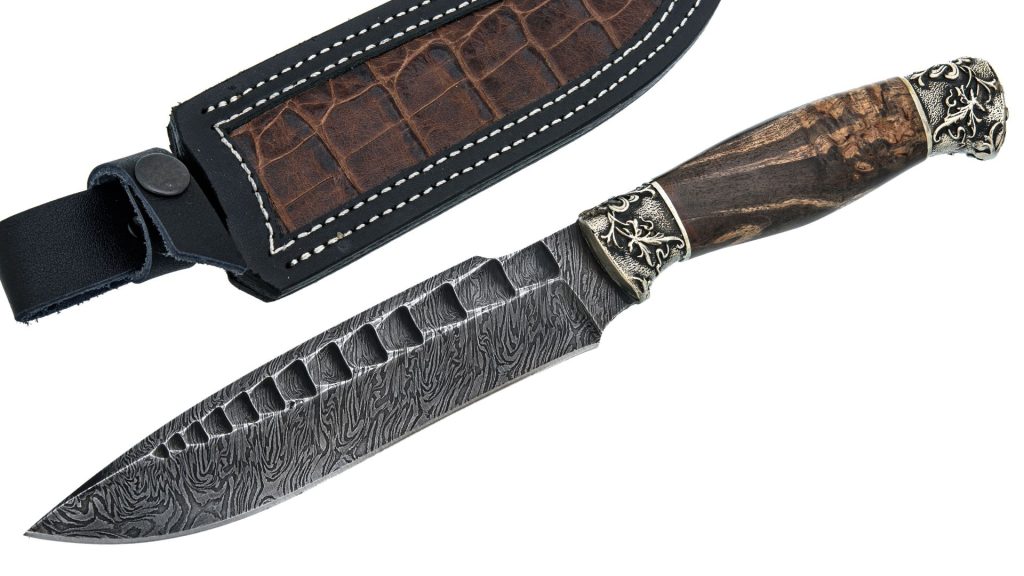
Patterned blades catch eyes and sell well, but many decorative Damascus knives prioritize looks over performance. The layered steel often lacks consistent hardness across the edge.
You’ll notice uneven cutting early on. One section stays sharp while another dulls fast. Midway through the deer, you’re chasing the sharp spot along the blade. The knife never fully quits, but it never feels dependable either, which is the last thing you want in the field.
Budget Replaceable-Blade Knockoffs
Replaceable blades can work, but cheap versions burn through edges fast. The steel is thin and brittle, and hair dulls it quickly.
Halfway through a deer, you’re already swapping blades or pushing one past its useful life. That leads to flex, chatter, and sloppy cuts. The system promises convenience, but in practice you spend more time managing blades than breaking down the animal.
Overly Hard, Brittle Steels
Some knives chase edge retention by going too hard. They hold sharpness early, then chip when they hit bone or frozen tissue.
Once those micro-chips form, cutting quality drops fast. Instead of a clean slice, the blade grabs and tears. You can’t fix it without proper sharpening tools, which you don’t have in the woods. The edge doesn’t fade gradually—it falls off a cliff halfway through the job.
Cheap Powder Steel Claims
Not all powder steels are equal, especially at lower price points. Some knives advertise premium steel but cut corners in processing and heat treatment.
They start sharp and fool you. Then abrasion from hair and dirt eats the edge quickly. By the time you’re skinning shoulders, the knife feels worn out. On paper it should perform better, but in real field work, it behaves like basic stainless.
Wide Bellied Blades With Soft Edges
Wide-bellied skinners are popular, but many are paired with softer steel to keep costs down. The shape works, the edge doesn’t last.
The belly sees the most contact with hair and hide tension. Once it dulls, the rest of the blade isn’t much help. You still have steel in your hand, but not a working edge. The knife looks right and quits early.
Factory Edges Never Meant for Real Use
Some knives ship with edges designed to feel sharp, not last. They’re polished thin and fast, without enough structure behind the edge.
That razor feel disappears quickly. Halfway through a deer, the knife feels slick instead of sharp. A proper field edge would last longer, but the factory grind gives up early and leaves you wishing you’d reworked it before the season.
Cheap Full-Tang Fixed Blades
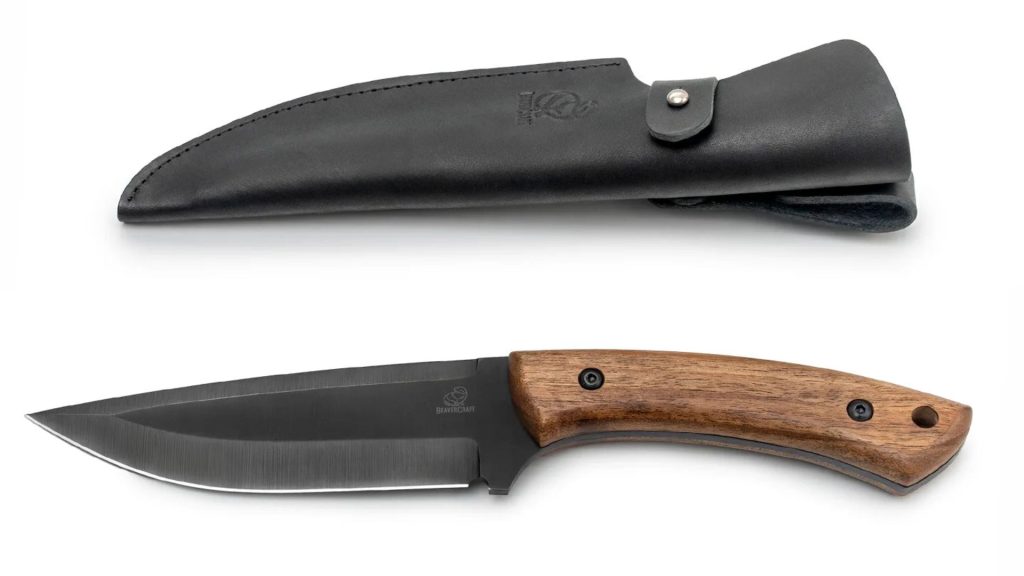
A full tang doesn’t guarantee edge retention. Many budget fixed blades use soft steel paired with thick grinds to hide it.
They feel solid, but the edge smears under use. You notice drag increasing with every cut. By the time you’re separating muscle groups, you’re working harder than necessary. Strength isn’t the problem—edge life is.
Knives Designed More for Looks Than Work
Some hunting knives are built to photograph well, not process animals. Shiny finishes, dramatic profiles, and oversized guards don’t help edge retention.
These blades lose bite once real work starts. Hair, dirt, and connective tissue expose their weaknesses fast. You’re left with a knife that looks good on a belt and struggles in your hand. When a blade fades before the job is done, it didn’t earn its place in the pack.

Asher was raised in the woods and on the water, and it shows. He’s logged more hours behind a rifle and under a heavy pack than most men twice his age.