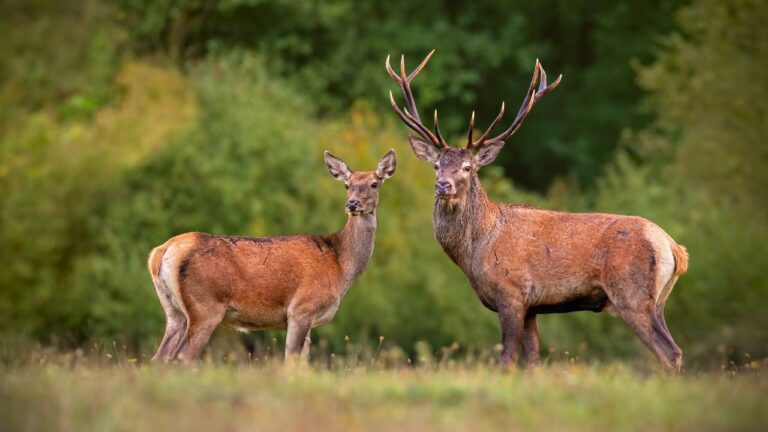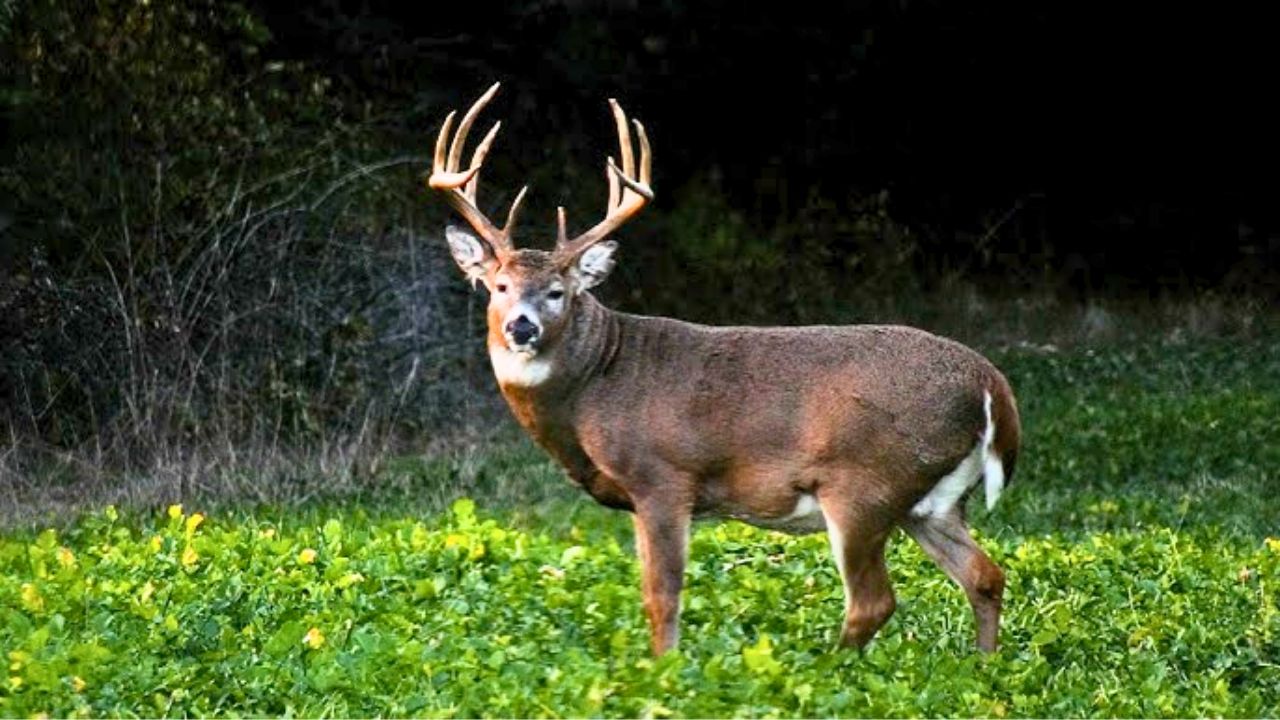
Deer Species That Hunters Constantly Overlook
Across North America, a few deer species dominate the headlines, the conversations, and the tag wish lists. But there’s a whole world of deer that rarely get the attention they deserve. Some live in places most hunters never explore, and others blend into habitats that don’t draw the same fanfare as classic whitetail country. When you start paying attention to these overlooked deer, you realize how much opportunity is hiding in plain sight. Whether you’re after unique behavior, challenging terrain, or a fresh tag to chase, these species offer far more than most hunters give them credit for.
Columbia Blacktail Deer

Columbia blacktails live in country that can wear you down fast. Dense timber, steep slopes, and unpredictable weather make them tougher to pattern than the whitetail many hunters are used to. They move quietly through thick cover, and spotting them requires patience and willingness to glass short distances for long stretches.
Because of that, most out-of-state hunters skip blacktail country altogether. But those who commit to it find a challenging and rewarding hunt. These deer respond well to slow, methodical tracking, and their home range is full of adventure for anyone willing to work for it.
Sitka Blacktail Deer
Sitka blacktails get overshadowed by the big game Alaska is known for. Most hunters head north dreaming of moose or brown bears, not a compact deer tucked into coastal islands and rugged alpine ridges. But Sitka blacktails offer a hunt that feels untouched, remote, and full of wild character.
They thrive in thick coastal vegetation and higher elevations, which creates a mix of spot-and-stalk conditions you won’t find elsewhere. Their numbers are healthy in many places, and tags are often easier to secure than other Alaskan species. For a hunter wanting something different, Sitka blacktails deliver.
Coues Deer
Coues deer get labeled as “small desert whitetails,” and that undersells them entirely. They’re some of the most wary, sharp-eyed game animals in North America. Their ability to vanish into open slopes and rocky terrain surprises even seasoned hunters. Glassing skills matter more here than raw shooting distance, and many hunters underestimate that.
The terrain they inhabit looks empty at first glance, which leads many people to overlook the opportunity altogether. But once you find them, the challenge becomes addicting. A Coues hunt rewards patience and precision more than brute effort.
Mule Deer in Prairie Country
Most hunters picture mule deer high on mountain slopes or tucked into sage basins. The open prairie herds get overlooked, even though they offer excellent hunting for anyone willing to rethink mule deer behavior. These deer move differently, bed differently, and use terrain breaks in ways that surprise new hunters.
The prairie doesn’t offer as much “classic” cover, so mule deer here rely on subtle dips, grass edges, and fence lines. Because many hunters focus on mountain tags, these regions often see lighter pressure. If you appreciate long glassing sessions, prairie mule deer are worth the attention.
Key Deer
Key deer may be small, but they’re also one of the most unique species in North America. Found only in the Florida Keys, they live in an environment unlike anything else in the country. Of course, they’re heavily protected, so this isn’t a huntable species—but that’s exactly why hunters tend to ignore them altogether.
Even so, understanding their habits and specialized habitat gives hunters a better appreciation for how adaptable deer can be. They’ve survived hurricanes, habitat loss, and constant human pressure. Their resilience is remarkable, and they’re a reminder that deer behavior varies far more than most hunters realize.
Sitka Blacktail on Kodiak Island
While Sitka blacktails are already overlooked, the Kodiak Island population deserves its own mention. Many hunters focus on the island’s bear populations and skip the chance to hunt deer in terrain that mixes steep climbs with wide-open glassing. The conditions are harsh, but the hunting can be exceptional.
These deer grow larger here and rely heavily on elevation shifts to navigate weather swings. Hunters who underestimate the terrain or the endurance needed often struggle, which helps keep pressure lower than expected. For those who can handle the elements, Kodiak offers a rare and rewarding hunt.
Columbian Whitetail Deer
Columbian whitetails once neared extinction, and their limited range keeps them unfamiliar to most hunters. They occupy small pockets in the Pacific Northwest, and tags are highly regulated. Because of that, they rarely enter hunting conversations despite being a distinct species with unique behavior.
These deer rely on river bottoms, brushy habitat, and gentle terrain. They move cautiously and are sensitive to pressure, making them a challenge even where tags are available. Many hunters don’t realize how different they are from Eastern whitetails until they study them closely.
Southern Coastal Mule Deer
Southern coastal mule deer live in pockets of California and Baja where thick chaparral and steep terrain create conditions few hunters willingly tackle. These deer are built for slipping through tight cover and bedding in places that test your patience. Visibility is limited, and spot-and-stalk often requires more listening than glassing.
Because California isn’t on many hunters’ mule deer radar, this subspecies doesn’t get the attention it deserves. Yet the challenge is real, and success feels earned in a way that mountain hunts rarely match.
Desert Mule Deer
Desert mule deer roam some of the hottest, driest terrain in the West, and many hunters underestimate how challenging they are. Water sources are limited, cover is sparse, and deer movement can be unpredictable depending on rainfall patterns.
Most hunters gravitate toward classic high-country mule deer hunts, leaving desert units with lighter interest. But for hunters willing to battle heat, glass endlessly, and cover miles of open ground, desert mule deer offer a serious test and an overlooked opportunity.
Marsh Whitetail Deer
Whitetails living in marsh or swamp country behave differently than those in hardwoods or agricultural lands. They favor bedding areas that are nearly inaccessible, and navigating their habitat requires a level of grit most hunters aren’t used to. Wading, crawling, and slogging through thick vegetation becomes part of the routine.
Because it’s demanding, many hunters avoid these areas altogether, letting mature deer thrive in overlooked pockets. Marsh whitetails teach you to read subtle terrain shifts and trust sign more than visibility.
Pacific Coastal Blacktail
Coastal blacktails outside of famous regions often slip under the radar. The thick coastal forest and frequent rain discourage hunters who aren’t used to hunting wet, dark, low-visibility environments. These deer use the terrain smartly and rarely offer long sightlines.
But for hunters who enjoy close-quarter tracking and reading fresh sign, coastal blacktail hunting is one of the most immersive big-game experiences. Their rut timing, movement patterns, and feeding habits differ from inland populations, making them a unique challenge many hunters never consider.
Desert Whitetail (Texas)
Desert whitetails in Texas live in scrub country that looks inhospitable to most game animals. Sparse cover, long sightlines, and constant heat shape their patterns. Many hunters focus on Hill Country or agricultural regions instead, leaving these populations overlooked.
They’re lighter-bodied and faster-moving than northern whitetails, and they rely heavily on terrain features for cover. Success requires studying subtle habitat details and adapting to unfamiliar landscapes. Those who do often find low-pressure hunting and smart, wary deer worthy of far more attention.

Leo’s been tracking game and tuning gear since he could stand upright. He’s sharp, driven, and knows how to keep things running when conditions turn.