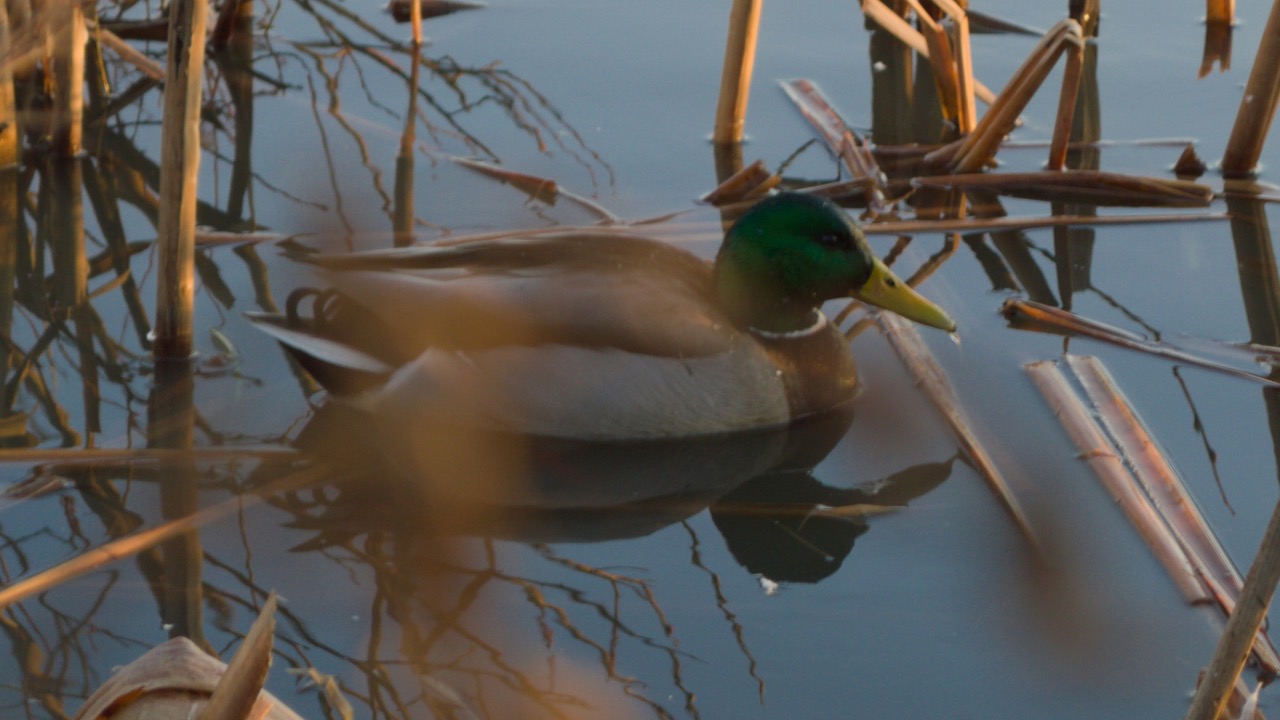
The decoy mistakes most hunters make
You’ve been out there in the blind before dawn, setting up your decoys, hoping for a good shoot. But sometimes, those birds just flare off or ignore your spread entirely. As someone who’s spent decades chasing ducks and geese across marshes and fields, I can tell you that decoys are a tool, not a guarantee. The key is avoiding the common slip-ups that turn a promising setup into a bust. Get these right, and you’ll pull more birds in close. Let’s walk through some of the big mistakes I see hunters make time and again.
Overcrowding Your Spread
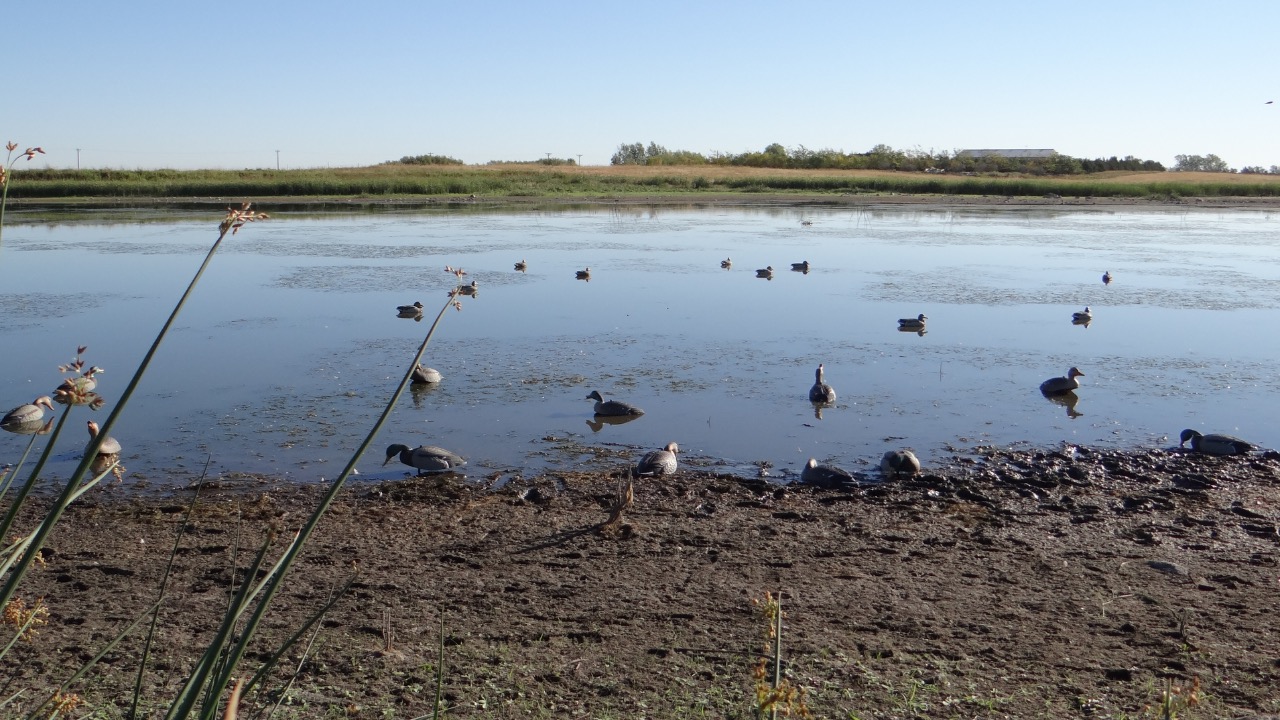
You set out every decoy you’ve got, thinking more is better. But packing them too tight makes the whole thing look unnatural. Birds spot that clump from a mile up and steer clear. Space them out like they’d land in real life—give them room to breathe.
I’ve seen guys haul out a hundred decoys for a small pond, and it backfires every time. Keep it realistic to the spot you’re hunting. Aim for clusters that mimic feeding or resting groups. That way, incoming birds feel comfortable dropping in without suspicion. Spread them unevenly, with some singles on the edges.
Ignoring the Wind Direction
You forget to check the wind and plop your decoys down anyhow. Birds always land into the wind, so if your spread isn’t facing right, they’ll swing wide. It’s a simple thing, but it ruins hunts fast.
Position your landing zone upwind, with decoys pointing into the breeze. That lets callers work the birds right over you. I’ve adjusted spreads mid-morning when the wind shifts, and it turns a slow day around. Watch how natural flocks sit—copy that, and you’ll fool more.
Using Beat-Up Decoys
You pull out those old, faded decoys from last season without a second thought. Scratched paint and dull colors scream fake to sharp-eyed birds. They won’t commit if something looks off.
Give them a once-over before heading out. Touch up paint, fix dents, and replace the ones too far gone. Clean decoys reflect light better and blend in. I’ve swapped out a few ratty ones mid-hunt, and suddenly birds start working. It’s worth the effort for consistent results.
Setting Unrealistic Patterns
You arrange your decoys in perfect rows or circles, like they’re on parade. Nature doesn’t work that way—flocks scatter randomly. That symmetry tips birds off quick.
Mix it up with loose groups, some facing different ways. Leave pockets for birds to land. I’ve experimented in fields, and irregular setups pull more geese every time. Think about how ducks loaf on water; replicate that chaos for better draws.
Skipping Motion Altogether
You stake your decoys static, no spinners or jerk strings. On calm days, that dead spread won’t catch attention from afar. Birds need something moving to investigate.
Add subtle motion like a flag or motorized decoy. But don’t overdo it—too much looks phony. I’ve used a simple pull string on windy days to ripple the water, and it brings cupped wings right in. Match the motion to the weather for natural appeal.
Mixing the Wrong Species
You toss duck and goose decoys together without thinking. In areas where species don’t mix much, that mismatch scares them off. Birds know their own kind.
Separate spreads if you’re targeting specifics, or group them logically. I’ve hunted mixed bags, but keeping ducks on one side helps. Observe local flocks— if geese avoid duck areas, set accordingly. It keeps things believable.
Neglecting Field Conditions
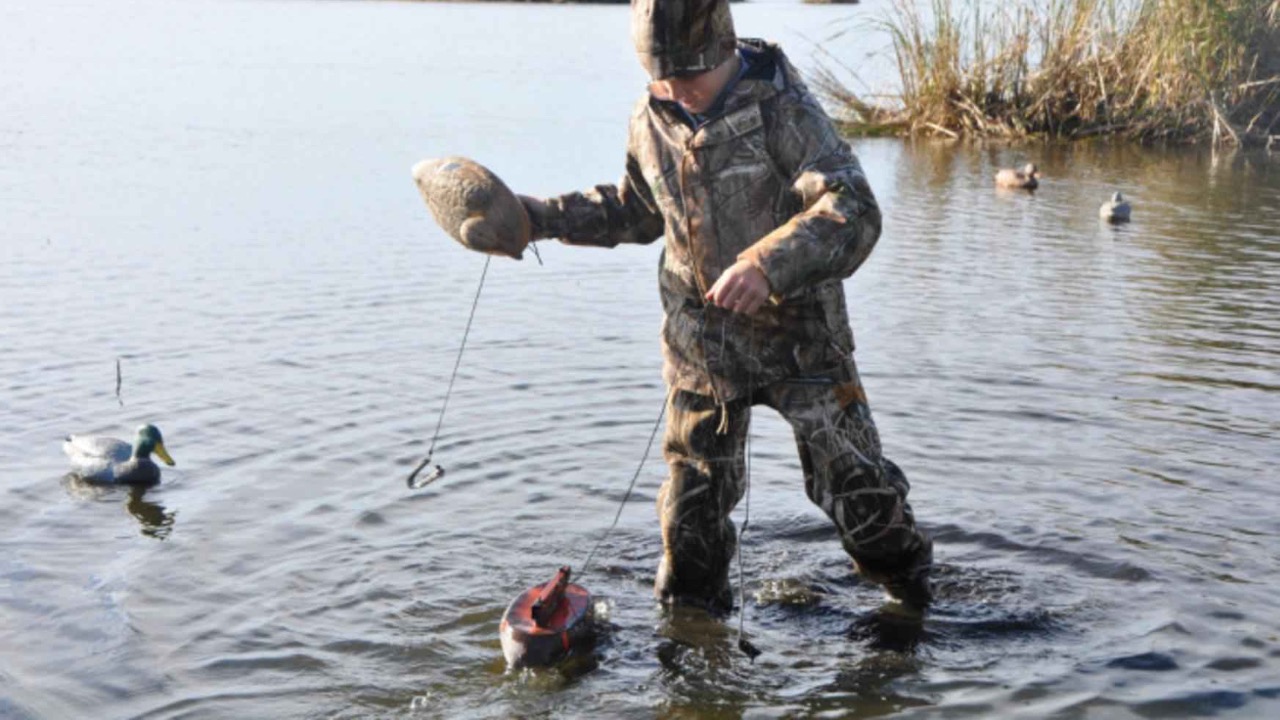
You ignore the terrain, setting decoys on bare ground when cover’s patchy. Birds spot the contrast and bail. Your spread needs to match the surroundings.
Camouflage stakes and blend decoys into stubble or grass. I’ve buried bases in mud to hide them, making everything disappear from above. Adjust for snow or crops—white covers for winter hunts work wonders. It fools even wary birds.
Forgetting About Distance
You cluster everything too close to your blind. Birds circle but won’t land, sensing danger nearby. Give them space to feel safe.
Push the main spread out 20-30 yards, with a few stragglers closer. I’ve backed off my setups in pressured areas, and kills improve. It lets you stay hidden while birds commit. Test distances on your spots.
Poor Decoy Maintenance
You store decoys wet or tangled, then wonder why they fail next time. Mildew and broken parts kill realism fast. Take care of your gear.
Dry them thoroughly after hunts, coil lines neatly. I’ve lost good decoys to neglect, so now I check everything preseason. Repair keels or anchors as needed. Solid maintenance means reliable performance when it counts.
Not Adapting to Bird Behavior
You stick to one setup regardless of how birds react. If they’re shying away, something’s wrong—don’t ignore it.
Tweak on the fly: move decoys, add or remove some. I’ve shifted spreads during slow spells, watching flight patterns. Learn from each hunt—what works one day might not the next. Stay observant, and you’ll outsmart them more often.
Using Too Few Decoys
You skimp on numbers, thinking a dozen will do. In big open fields, that tiny spread gets overlooked. Birds seek safety in numbers.
Build up to match the area—50 or more for geese sometimes. I’ve started small and added as needed, seeing response improve. But balance it; too few looks lonely. Gauge by local flocks for the right scale.
Failing to Scout Properly
You set up blind without checking recent activity. Decoys in dead zones waste time. Know where birds are feeding or roosting.
Hit the roads beforehand, note patterns. I’ve skipped spots after scouting, saving frustration. Place decoys along flight lines for action. It turns guesses into sure bets.

Asher was raised in the woods and on the water, and it shows. He’s logged more hours behind a rifle and under a heavy pack than most men twice his age.