Turkey hunting mistakes that cost birds every season
Turkey hunting is one of the most challenging pursuits in the woods. Birds are clever, wary, and can detect the smallest misstep. Even experienced hunters make mistakes that lead to empty stands year after year. From setup to calling, gear to timing, every detail matters when you’re trying to close the distance on a wary gobbler. Learning to identify and correct these common mistakes can turn a frustrating season into a productive one. Here are the most overlooked errors that consistently cost hunters birds, many of which don’t get discussed as often as they should.
Ignoring Subtle Hen Activity
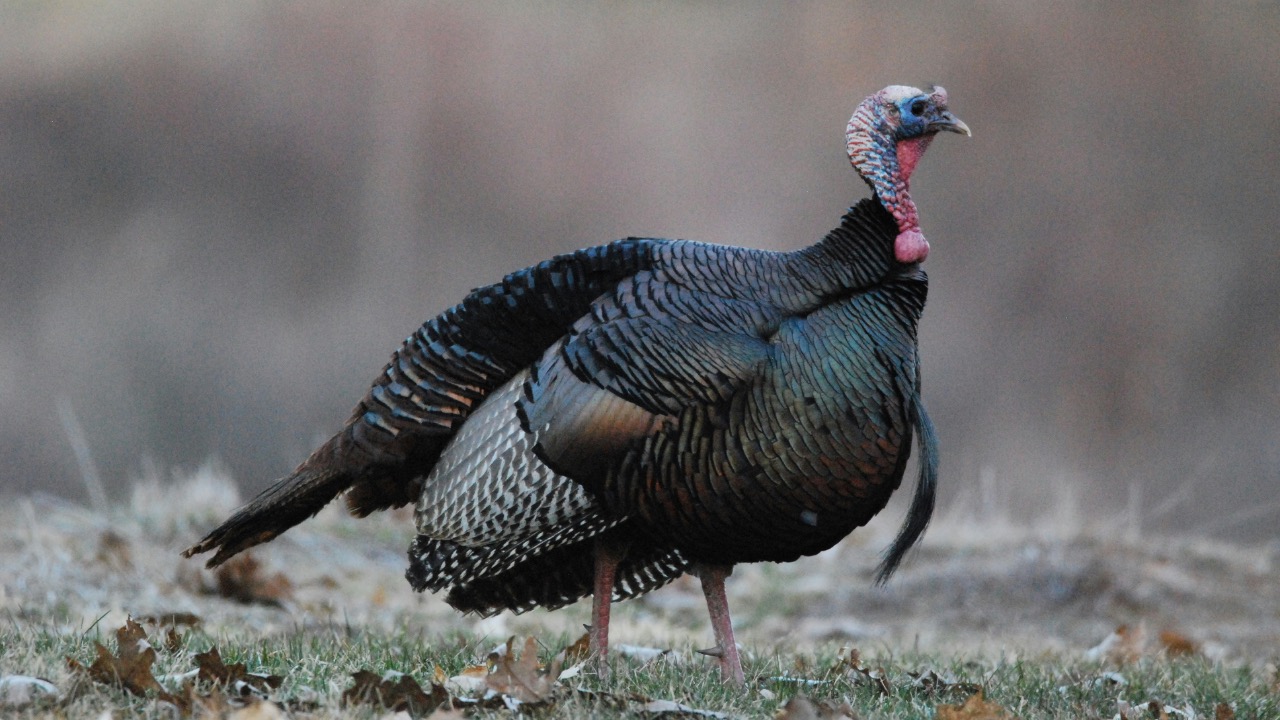
Many hunters focus solely on gobblers, forgetting that hens dictate a lot of turkey movement. Overlooking hen chatter, strut patterns, or feeding routes can leave you in the wrong spot.
Even minor observations, like the direction of hen flights or roosting patterns, can drastically change your setup strategy. Birds are social creatures, and gobblers often follow hens. By missing subtle signs from hens, hunters position themselves too far from active areas. Paying attention to hen behavior gives you a better sense of where a gobbler might appear, reducing long waits in unproductive locations.
Poor Wind Awareness
Turkeys have an incredible sense of smell, yet many hunters ignore wind direction. Setting up with a crosswind or tailwind can alert birds to your presence long before they’re visible.
Even slight shifts in breeze can carry human scent across feeding areas or travel corridors. Hunters often overlook checking the wind from multiple directions, leading to repeated spooks. Investing a few extra minutes in analyzing wind patterns can make the difference between a bird coming in range and leaving the area entirely.
Overcalling
It’s easy to get carried away with calls, but excessive or poorly timed calling can shut down a bird for the entire morning.
Gobblers respond best to realistic, intermittent calling. Overcalling signals desperation, confusing hens, and warning other birds in the area. Experienced hunters often underplay the importance of restraint. Strategic pauses and listening periods allow birds to make their own moves and respond naturally, improving your odds of bringing a wary gobbler into range.
Standing Too Close to Roosts
Arriving too close to a roost before dark or during pre-dawn setup often alerts birds that something is amiss. Movement, light, or noise can ruin your chance before the hunt begins.
Turkeys are sensitive to unusual activity in their immediate vicinity. Even careful approach paths can be detected if you ignore the natural travel patterns. Setting up farther away and using long glassing periods to locate birds reduces the chance of early detection and increases your odds of a successful morning hunt.
Failing to Scout Adequately
Relying on maps or old information can lead to wasted hunts. Many hunters underestimate the importance of fresh scouting close to season.
Turkeys move based on food availability, pressure, and weather, making last-year patterns unreliable. Without on-the-ground observation, you may miss active roosts, feeding zones, or newly established strut areas. Effective scouting involves tracking droppings, feathers, scratchings, and scratch patterns to identify current activity. Skipping this step leaves hunters guessing instead of positioning strategically.
Ignoring Shadow and Sun Angles
Light can make or break concealment. Hunters often set up without considering how the morning sun or shadows fall on their position.
Turkeys are sensitive to movement and contrast. Even subtle shadows that shift with rising sunlight can reveal a hunter. Positioning yourself to remain in natural cover and minimize unnatural silhouettes is critical. Failing to do so frequently results in birds refusing to approach, despite calling and setup efforts.
Overreliance on Decoys

Decoys can be helpful, but some hunters depend on them too much. Overuse or poorly placed decoys can look unnatural and spook birds.
Gobblers are suspicious of motionless decoys that don’t match surrounding terrain or behavior. Improper decoy spacing or unrealistic poses can alert birds rather than attract them. A realistic setup considers terrain, lighting, and subtle movement. Ignoring this often results in birds stopping short or circling the area without committing.
Poor Shot Planning
Even when a gobbler enters range, poor shot placement or hastily drawn positions result in missed opportunities or wounded birds.
Experienced hunters sometimes focus on calling and setup, forgetting to pre-plan their firing lanes. Branches, uneven ground, and limited shooting angles can make a safe shot impossible. Taking time to identify clear, ethical shot opportunities before a bird enters the area prevents rushed decisions and ensures a cleaner harvest.
Not Adjusting to Pressure
Hunting pressure can change turkey behavior quickly, yet many hunters fail to adapt. Birds that have been hunted heavily respond differently than naïve birds.
They may roost later, travel longer distances, or react more cautiously to calls and movement. Sticking to a “one size fits all” approach ignores this reality. Observing current bird behavior and adjusting stand locations, calling style, and hunt timing based on pressure improves your chance of success dramatically.
Overlooking Terrain Transitions
Turkeys often travel along ridges, creek bottoms, and edge habitats. Hunters who set up in flat or obvious locations often miss these travel corridors.
Ignoring natural funnels or choke points can leave you waiting in areas the birds rarely use. Subtle elevation changes and landscape breaks influence movement more than open fields. Positioning near these transitions allows you to intersect turkey traffic naturally, increasing the likelihood of a close encounter.
Using the Wrong Load
Shot size, pattern density, and shell choice are crucial. Many hunters use the same load for every situation, reducing effectiveness at different ranges.
Too light a load at long distance or overly heavy shot close in can mean missed kills or injured birds. Testing loads for your gun and understanding patterning improves performance and confidence. Consistently using mismatched ammunition creates unnecessary frustration and ethical concerns in the field.
Failing to Blend Scents
Turkeys detect human scent remarkably well. Hunters who neglect scent control often spook birds before they enter range.
Using clothing, sprays, and laundering routines designed to reduce odor can make a difference. Even wind direction and personal hygiene impact success. Ignoring scent management, especially in heavily pressured areas, turns promising setups into fruitless waits, frustrating hunters despite otherwise solid skills.

Asher was raised in the woods and on the water, and it shows. He’s logged more hours behind a rifle and under a heavy pack than most men twice his age.