Elk hunting: gear and tactics that actually work
Elk hunting has a way of humbling people fast. It doesn’t matter how good your tag is or how much gear you brought if you’re not prepared for long days, changing conditions, and animals that don’t make mistakes often. Success usually comes from doing simple things right, over and over, even when it gets uncomfortable.
This article focuses on gear and tactics that actually hold up in the mountains. Nothing flashy, nothing complicated. Just practical choices and habits that help you stay effective, make fewer mistakes, and put yourself in the right place when an elk finally gives you a chance.
Boots and packs matter more than you think

Elk hunting turns into a walking grind fast. You’re climbing, side-hilling, and stepping over deadfall all day. If your boots don’t fit right or lack support, everything else falls apart. Stiff soles help on steep ground, and solid ankle support saves energy by the afternoon.
Packs are the same story. It doesn’t need extra pockets or gadgets. It needs to ride comfortably and handle heavy weight without shifting. If it can’t carry meat without beating you up, it’s not worth bringing.
Layering beats heavy clothing every time
Elk hunts usually start cold and heat up fast. Heavy jackets sound good at the truck but get annoying once you start climbing. Light layers let you adjust without soaking yourself in sweat, which matters once you stop moving.
Stick to breathable base layers and add warmth only when needed. Getting chilled after sweating is a fast way to burn energy and lose focus. Staying dry and comfortable keeps you hunting longer, especially on all-day pushes.
Calls only work if you use them with restraint
Calling can help, but it’s easy to overdo it. Most elk hear plenty of bad calling every season. Soft cow sounds are often enough to let elk know you’re there without putting them on edge.
Bugles are useful for locating elk or answering aggressive bulls. Once you close the distance, calling less usually works better. If an elk goes quiet, don’t panic. Move, listen, and let the woods settle before making another sound.
Wind awareness beats camo every time
You can wear perfect camo and still blow a hunt in seconds if the wind is wrong. Elk trust their noses more than anything else. If they smell you, the game is over, even if you never see them.
Check the wind constantly as you move. Thermals change throughout the day, especially in steep country. Plan approaches that give you options when the wind shifts, not routes that lock you into a bad setup.
Still-hunting kills more elk than rushing
Covering miles feels productive, but it often bumps elk out before you know they’re there. Still-hunting slows things down and lets the woods talk back. Take a few steps, stop, and scan ahead before moving again.
Elk don’t always run when pressured. Many times they hold tight, especially in timber. Slowing down gives you time to catch small movements that most people walk right past.
Glassing saves your legs and your time
Even in thick country, glassing helps more than people think. Edges of timber, benches, and open pockets are worth slowing down for. A few minutes behind optics can save hours of hiking into empty ground.
Glassing also helps you spot elk before they spot you. Finding them first gives you time to plan an approach instead of reacting. That planning often leads to closer shots and calmer setups.
Shot opportunities come fast, so be ready
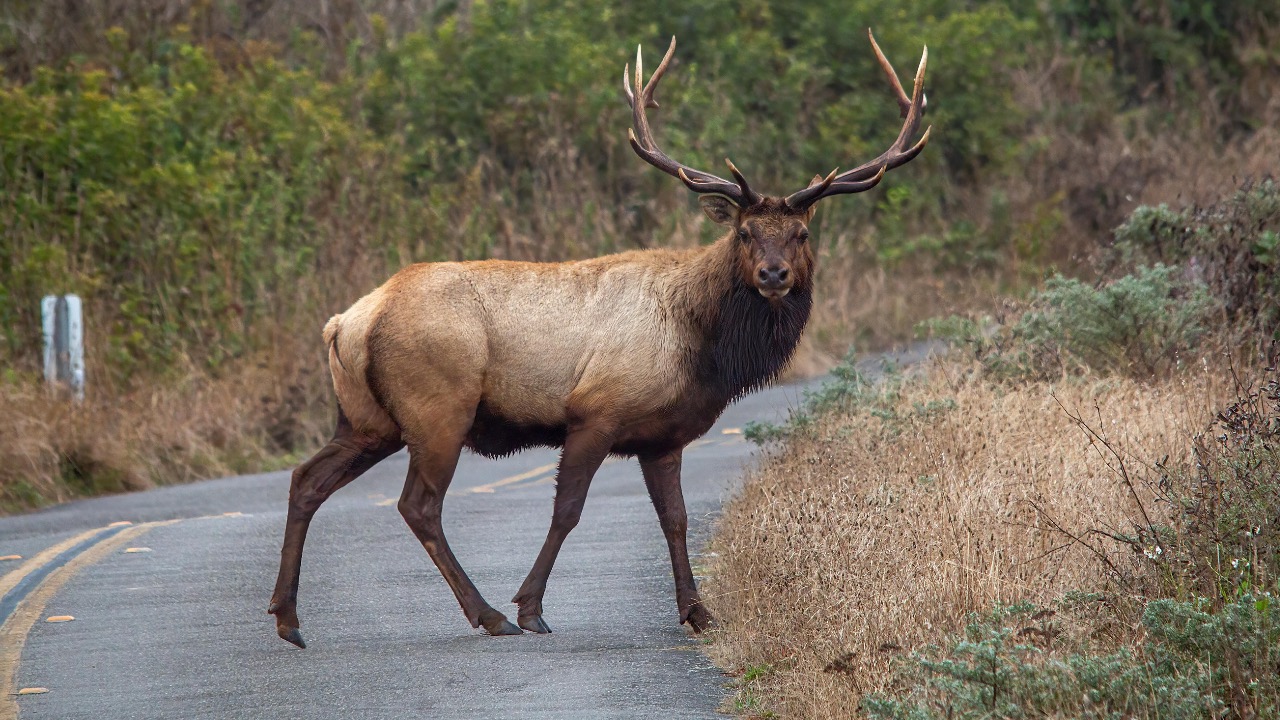
Elk rarely pause for long. When a shot opens up, it usually doesn’t last. Practice shooting from kneeling, uneven ground, and awkward angles, not just clean range setups.
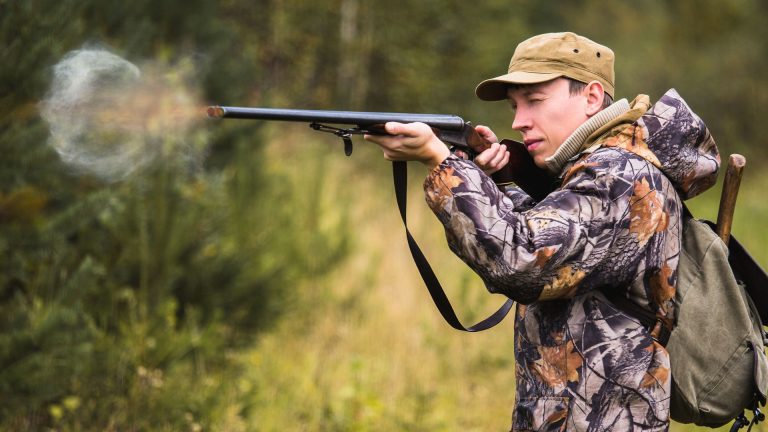
Keep your weapon ready when moving through good areas. That doesn’t mean unsafe, just accessible. Missed opportunities often come from fumbling gear instead of bad shooting. Being ready buys you seconds, and seconds matter.
Patience finishes more hunts than luck
Elk hunting tests patience more than skill. Long quiet stretches are normal, even in good areas. Leaving too early or pushing when you should wait often pushes elk out without you knowing it.
When you find fresh sign or hear elk nearby, slow everything down. Give the area time to settle. Staying put a little longer has paid off for more hunters than rushing off to the next ridge.

Leo’s been tracking game and tuning gear since he could stand upright. He’s sharp, driven, and knows how to keep things running when conditions turn.