Hunting ethics that matter more than gear
Gear and fancy setups can make a hunt smoother, but they don’t define what makes a hunt right. Over years in the field—from thick timber in the Midwest to open ridges out West—I’ve seen plenty of folks chase the latest rifles, optics, and camo patterns, thinking that’s what separates success from failure. Truth is, the real difference comes down to how you carry yourself when no one’s around to judge. Ethics keep hunting sustainable, keep access open, and keep the tradition alive for the next generation. A high-dollar rig won’t earn you respect if you cut corners on fair chase or leave the woods worse than you found them. What matters most is the code you follow when the trigger’s in front of you.
Knowing Your Limits
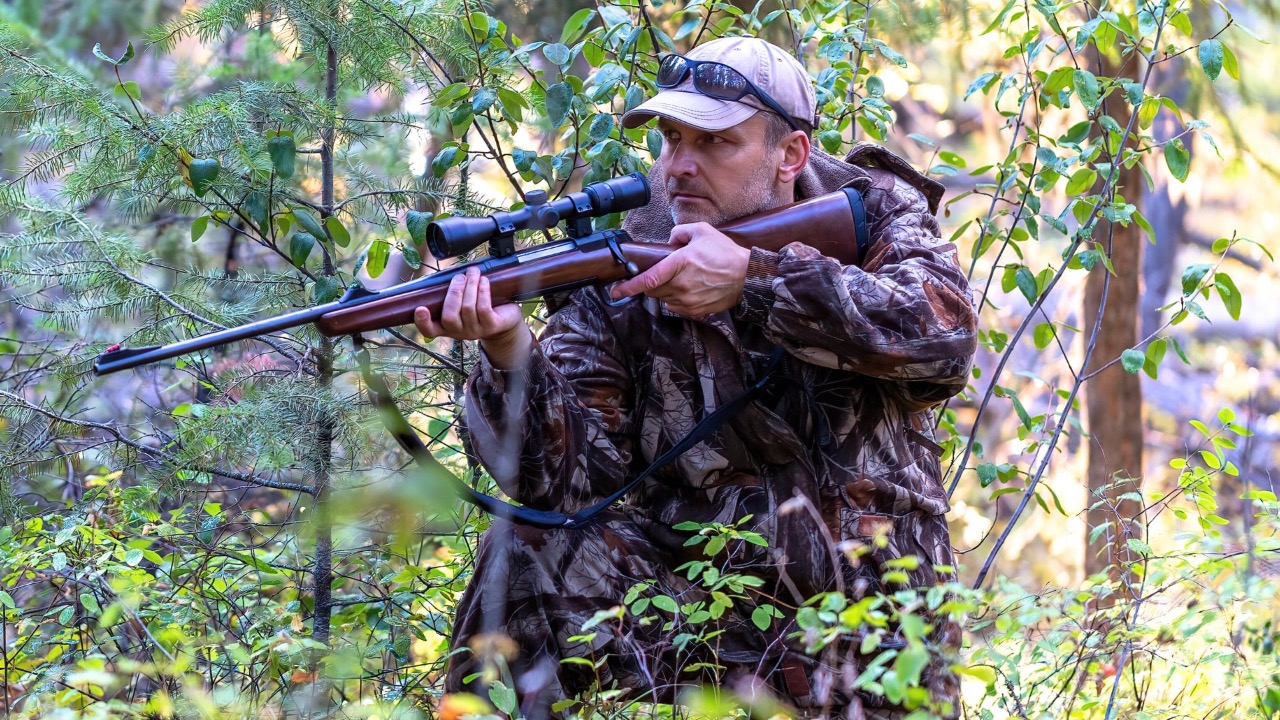
You learn early that pulling the trigger isn’t always the right call, even when the animal stands broadside and the shot looks perfect. Wind, light, background, distance—all those factors stack up quick, and one bad decision means a wounded animal or worse. Hold off when conditions aren’t right; that’s not weakness, it’s control. The animal deserves a clean end, and you owe it to yourself to walk away if the odds aren’t there. Over time, restraint builds confidence more than any harvest ever could. You start recognizing when to wait, and that patience turns hunts into something deeper than filling a tag.
Respecting the Animal
Once the shot connects, the work really starts. You track it down fast, make sure it doesn’t suffer longer than necessary, and handle the body with care. Dragging it out, field dressing it properly, using what you can—every step shows gratitude for the life taken. Leaving meat behind or wasting parts dishonors the animal and the hunt. I’ve watched guys rush through butchering to beat the dark, only to regret sloppy cuts later. Take your time; the animal gave everything, so give the process the attention it deserves. That respect carries forward into how you talk about the hunt and how others see what you do.
Following the Law to the Letter
Regulations exist for a reason—they protect populations and keep hunting fair for everyone. Know your seasons, bag limits, weapon rules, and boundaries cold. Cutting corners like hunting after hours or over limits might feel minor in the moment, but it chips away at the whole system. I’ve seen tags get pulled and access lost over small violations that snowballed. Stick to the rules even when no warden’s watching; that’s where real integrity shows. Laws change based on science and need, so stay updated and follow them without bending. It keeps the resource healthy and the privilege intact for years to come.
Practicing Fair Chase
The core of it all comes down to giving the animal a reasonable chance to evade you. No herding from vehicles, no electronic gadgets that pinpoint game, no shooting confined animals. You earn the opportunity through scouting, patience, and skill, not shortcuts. Fair chase keeps the hunt honest and the challenge real. When you stack the deck too heavy, the experience loses meaning. Plenty of legal methods push the edge, but ask yourself if they still let the animal use its instincts and terrain. Sticking to fair chase builds pride in the pursuit, not just the outcome.
Leaving the Land Better
Pack out everything you pack in, including scraps others left behind when you find them. Close gates, stay off soft ground after rain, avoid trampling young growth. The woods aren’t your personal playground—they support game, other hunters, and non-hunters too. I’ve hiked miles to find trash at a favorite spot and hauled it out, knowing it keeps permission open. Small habits add up; they show you value the place more than a quick hunt. When land managers see hunters caring for the resource, they keep doors open. Neglect it, and access shrinks fast.
Respecting Other Hunters
Public land means sharing space, so give others room. Don’t crowd a stand or push game toward someone else’s setup. If you hear shots nearby, swing wide instead of cutting through. On private ground, follow the owner’s rules to the letter and thank them every time. Word travels—good behavior earns invites, bad manners close them. I’ve lost spots because someone else acted selfishly, and I’ve kept them because I showed consideration. Hunting stays viable when folks treat each other right. That mutual respect holds the community together stronger than any gear ever could.
Passing It On Right
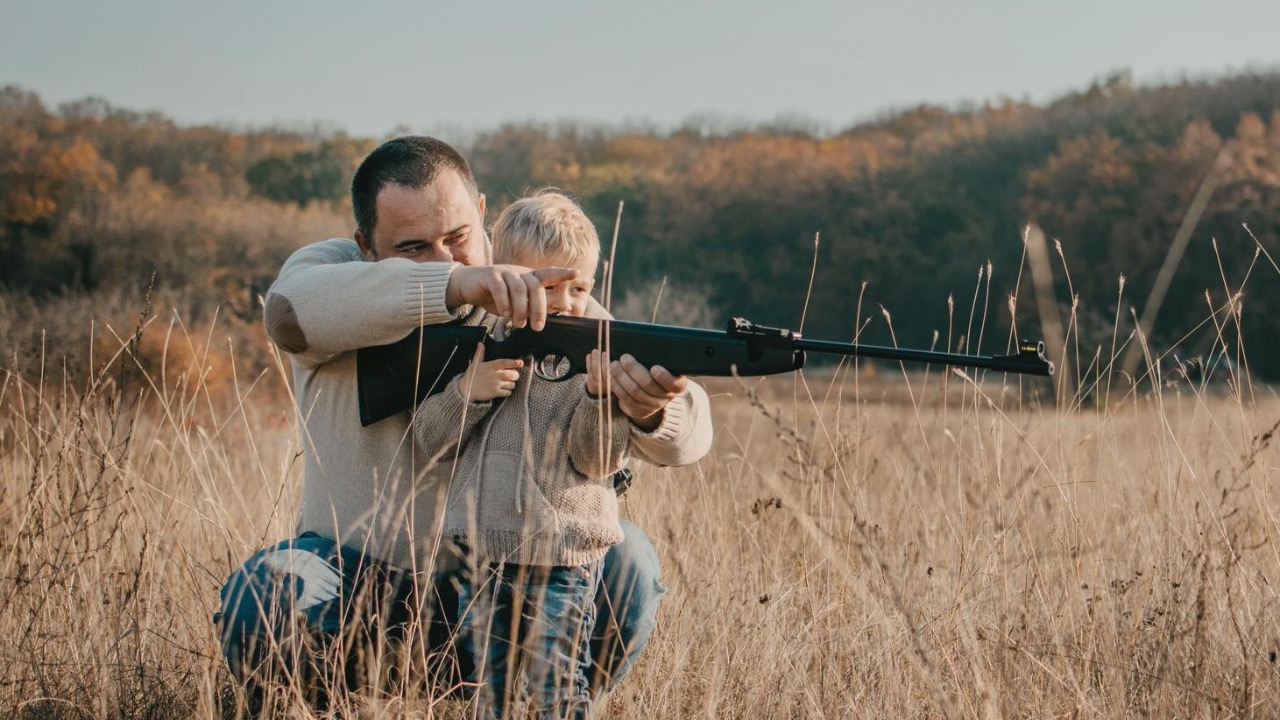
New hunters watch everything you do, so show them the way forward. Explain why you pass on marginal shots, why you pack out trash, why you follow regs strictly. Share stories of hunts that went wrong because of poor choices, not to scare them but to teach. Mentoring builds the next wave of responsible hunters who keep the tradition strong. I’ve taken kids and newcomers into the field and watched them pick up the quiet lessons. They remember the ethics more than the kills. Hand down the code, and hunting endures.
Knowing When to Stop
Some days the conditions never line up, and that’s okay. Walk out empty-handed rather than force a bad shot. Success isn’t measured by filled tags alone—it’s in coming home with integrity intact. I’ve had seasons where tags stayed unfilled because I held to my standards, and those felt more satisfying than rushed harvests. The restraint teaches humility and keeps you connected to the real reason you’re out there. When ethics guide the decision to stop, you preserve the hunt’s meaning for yourself and the game you pursue.
Owning Your Mistakes
Everyone makes a bad call eventually—a marginal shot that leads to tracking longer than planned, or a decision that doesn’t sit right after. Own it, learn from it, and adjust. Don’t make excuses or hide it; talk it through with trusted folks if needed. I’ve had tracks that ended empty, and the lesson stuck harder than any clean kill. Admitting fault keeps you honest and improves judgment next time. The field forgives honest errors when you grow from them, but ignoring them erodes the foundation. Ethics strengthen through accountability, not perfection.
Staying Humble in Success
A big buck or a tough stalk feels great, but bragging loud or posting every detail shifts focus from the animal to ego. Share stories quietly with those who understand. The real value lies in the memory, the effort, and the respect earned along the way. I’ve seen harvests that deserved celebration turn sour when they became about show. Keep it grounded—thank the animal, the land, and the chance. Humility keeps hunting pure and invites others in without alienating them.

Asher was raised in the woods and on the water, and it shows. He’s logged more hours behind a rifle and under a heavy pack than most men twice his age.