8 firearm myths that won’t go away
Firearm debates are crowded with confident claims that sound plausible but crumble under scrutiny. As with persistent space conspiracies or health hoaxes, some gun myths refuse to die and keep distorting how people think about risk, safety, and responsibility. I want to walk through eight of the most stubborn ideas, explain why they miss the mark, and show what is really at stake when policy and personal decisions are built on bad information.
1) “More guns automatically mean more personal safety”
The myth that simply owning a gun guarantees safety mirrors the logic behind many conspiracy-style beliefs, where complex realities are reduced to a single, comforting explanation. Just as some people insist secret space programs or alien coverups explain every unexplained light in the sky, detailed in collections of debunked conspiracies, gun owners can be told that one tool solves every threat. In reality, safety depends on training, secure storage, situational awareness, and lawful behavior, not the mere presence of a firearm.
When people assume a gun automatically makes them safer, they may skip hard but essential steps like practicing under stress, learning local law, or planning how to de-escalate conflict. That overconfidence can increase the risk of negligent discharges, mistaken-identity shootings, or impulsive decisions during arguments. For policymakers, treating gun volume as a proxy for safety distracts from investments in mental health, community violence interruption, and emergency response that actually reduce harm.
2) “A ‘good guy with a gun’ will reliably stop mass shootings”
Another enduring myth is that armed civilians will almost always intervene successfully in active shootings. The appeal is obvious: it offers a simple, heroic narrative in a frightening world. Yet real crises are chaotic, with smoke, noise, crowds, and split-second decisions. As with medical misinformation that promises a single, dramatic fix, such as claims that mRNA vaccines cause sudden “turbo cancer” refuted in analyses of vaccine myths, the “good guy” story oversells certainty where evidence is mixed.
In practice, even highly trained officers sometimes struggle to identify the shooter quickly or avoid hitting bystanders. Civilians face steeper challenges, including limited training, lack of protective gear, and the risk of being mistaken for the attacker by arriving police. Elevating this myth can shift responsibility away from prevention strategies like secure access control, threat assessment in schools and workplaces, and enforcement against illegal trafficking, all of which operate before shots are fired.
3) “Firearms are not a major factor in suicide”
A particularly dangerous myth is that guns play only a minor role in suicide, as if intent alone determines outcomes. Research on self-harm consistently shows that method matters because some methods are far more lethal than others. Public health experts who address common suicide myths emphasize that crises are often brief and ambivalent, and that limiting access to highly lethal means during those moments can save lives.
Firearms are among the most lethal methods, with very low survival rates compared with overdoses or superficial cutting. When a gun is readily available during an acute crisis, an attempt is more likely to be fatal, leaving no chance for later treatment or recovery. For families and policymakers, recognizing this link reframes safe storage, waiting periods, and temporary transfer laws as suicide prevention tools, not political symbols, and highlights the importance of pairing gun ownership with mental health awareness.
4) “Hunting experience fully prepares people for defensive gun use”
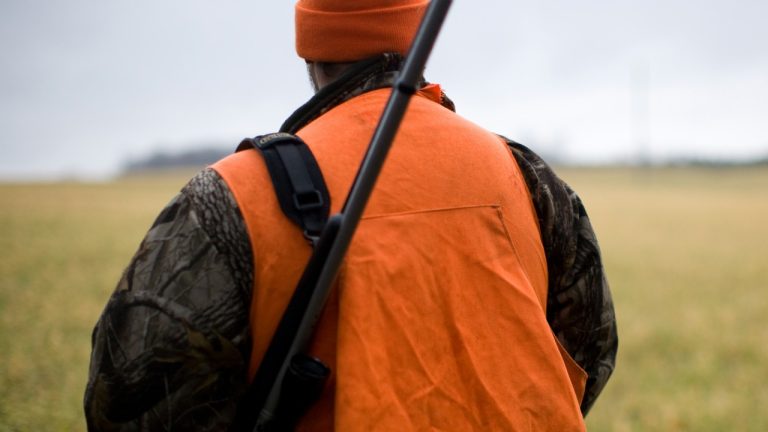
Many gun owners grow up hunting and assume that skill transfers seamlessly to defensive scenarios. Yet hunting emphasizes patience, distance, and predictable animal behavior, while self-defense involves close quarters, moving people, and legal constraints. Even within the outdoor community, long lists of deer hunting myths show how easily tradition can drift away from evidence, from wind direction to shot placement.
Defensive shooting requires rapid threat identification, shoot/no-shoot judgment, and the ability to fire accurately under extreme stress without endangering bystanders. It also demands deep familiarity with local self-defense statutes and the willingness to avoid confrontation whenever possible. Treating hunting as complete preparation can leave people overconfident and undertrained, which is risky for them, their families, and anyone nearby if a crisis unfolds in a crowded store, parking lot, or apartment hallway.
5) “Gun myths are harmless opinions, not a public health issue”
Some argue that firearm myths are just viewpoints and therefore inconsequential. Yet other domains show how persistent false beliefs can shape behavior in ways that cost lives. Space conspiracies about faked missions or hidden civilizations, cataloged in extensive lists of space hoaxes, may seem entertaining, but they erode trust in scientific institutions and data. In the gun context, myths influence storage habits, training decisions, and support for evidence-based laws.
When people underestimate suicide risk, overestimate defensive benefits, or dismiss the need for secure storage, their choices affect children, partners, and neighbors who never chose to own a firearm. Public health frameworks treat these beliefs as modifiable risk factors, similar to myths about seat belts or smoking in earlier decades. Challenging misinformation is therefore not about winning arguments, but about reducing preventable injuries and deaths across entire communities.
6) “Talking about gun risks encourages violence”
Another stubborn idea is that discussing firearm risks, especially suicide or domestic violence, will plant harmful ideas or glamorize misuse. Mental health experts confronting suicide stigma consistently stress that responsible, factual conversation actually lowers risk by encouraging people to seek help and by guiding families toward practical safety steps. Silence, not discussion, tends to leave people isolated with their fears and misconceptions.
Applied to firearms, open dialogue about safe storage, warning signs of crisis, and options like temporary off-site storage can empower households to act before a situation escalates. Avoiding the topic leaves myths unchallenged, such as the belief that “it could never happen here” or “my loved one would never use my gun.” For policymakers and clinicians, normalizing these conversations is a way to integrate gun safety into broader health and safety planning rather than treating it as an off-limits subject.
7) “Only criminals need to worry about gun laws”
Many people believe that if they are “law-abiding,” firearm regulations are irrelevant to them. This mirrors the logic behind some health myths, where individuals assume that only others are at risk from misinformation about vaccines or treatments, such as the debunked claims linking mRNA shots to turbo cancer. In reality, laws shape how every owner buys, stores, transfers, and carries firearms, and misunderstanding them can lead to unintentional crimes.
Background checks, safe-storage mandates, and red-flag procedures are designed to set baseline expectations for everyone, not just people with criminal intent. When responsible owners understand these rules, they are better positioned to comply, to recognize warning signs in their circles, and to support reforms that target genuine risk factors. Treating law as someone else’s problem weakens the shared framework that separates responsible ownership from dangerous behavior.
8) “Myths only mislead novices, not experienced gun owners”
The final myth is that experience alone inoculates people against bad information. Yet even seasoned hunters and competitive shooters can cling to outdated beliefs, just as veteran outdoors enthusiasts still debate long-disproven hunting folklore. Familiarity with a specific platform or discipline does not guarantee up-to-date knowledge about trauma medicine, legal changes, or evolving research on risk.
Experienced owners often serve as informal instructors for friends and family, so their misconceptions can spread quickly and gain extra credibility. When they update their understanding, they help reset norms around topics like locking guns when grandchildren visit, seeking training that includes de-escalation, or supporting data collection on injuries. In that way, confronting myths is not a sign of inexperience, but a mark of leadership within the broader firearms community.

Leo’s been tracking game and tuning gear since he could stand upright. He’s sharp, driven, and knows how to keep things running when conditions turn.