10 mistakes people make when choosing a first gun
Choosing a first gun is a high‑stakes decision that affects safety, finances, and long‑term responsibility. I see the same avoidable errors repeated in personal accounts and training reports, especially when people rush into ownership without a plan. By understanding the most common mistakes before walking into a gun shop or show, a new buyer can make a calmer, safer choice that actually fits their needs.
1. Rushing into a Purchase Without Defining Purpose
Rushing into a purchase without defining purpose is the foundational mistake that shapes every other error. In the personal account in buying my first gun, the narrator describes walking into a store with vague fears and no clear use case, then feeling swept along by the moment. That lack of clarity mirrors guidance from “Common Mistakes Most Make When Buying Their First Firearm,” which labels “Mistake #1: Not Determining The Why Before Purchasing” as a primary problem.
When I skip the step of deciding whether I want a handgun for concealed carry, a shotgun for home defense, or a .22 rifle for training, I invite regret and wasted money. The piece “5 Common Gun Buying Errors and How to Avoid Them” reinforces that “Another common mistake” is not knowing what I want “Before” I go shopping, which leaves me vulnerable to sales pressure and marketing hype. Clear intent narrows choices, guides training, and reduces the risk that a poorly chosen gun will sit unused or be handled carelessly.
2. Ignoring How the Gun Feels in Your Hands
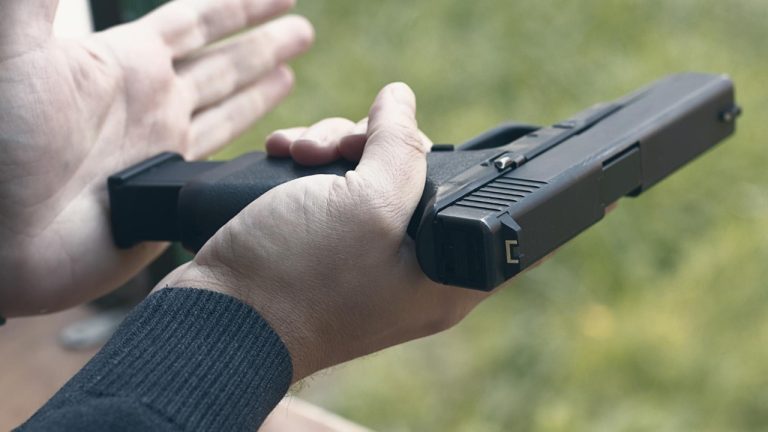
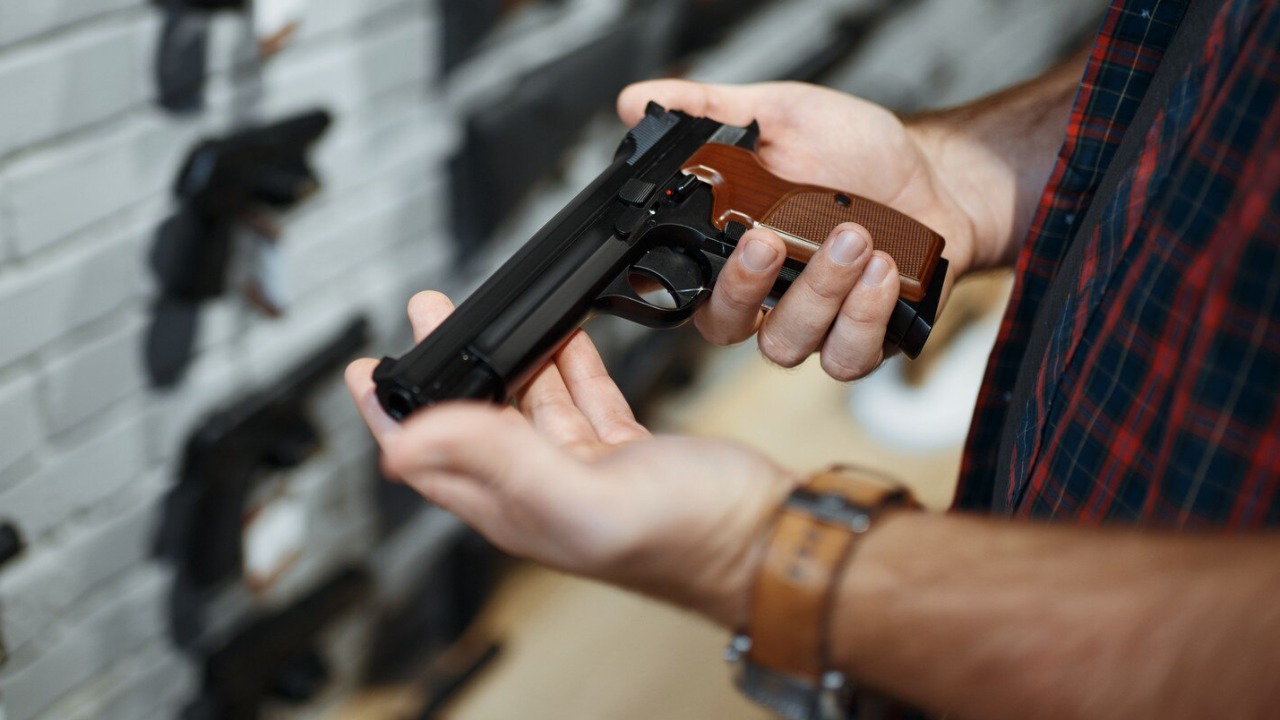
Ignoring how the gun feels in my hands is a quieter mistake, but it can make regular practice miserable. In the same first‑person narrative, the buyer realizes only after the sale that the grip angle, weight, and controls feel awkward, because they never spent time simply holding and manipulating the firearm. That experience echoes the warning in “Common Mistakes Most Make When Buying Their First Firearm,” where “Mistake #2: Not Trying or” otherwise testing the gun is flagged as a major error.
Ergonomics matter for safety as much as comfort, because a gun that does not fit my hand encourages poor trigger control and sloppy handling under stress. When I ignore how easily I can reach the magazine release, rack the slide, or manage recoil, I increase the odds of fumbling in a critical moment. A better approach is to handle multiple models at the counter, dry‑fire where allowed, and notice which one points naturally, so my first gun supports good habits instead of fighting them.
3. Skipping Hands-On Safety Instruction
Skipping hands‑on safety instruction is one of the most dangerous missteps a new owner can make. The personal account of buying a first gun describes a buyer who focuses on the transaction and the emotional weight of ownership, while formal training is treated as an afterthought. That pattern is exactly what “Common Mistakes Made by New Gun Owners (And How to …)” warns about when it states that “One of the biggest mistakes new gun owners make is assuming that just owning a firearm is enough” and that “Simply purchasing a gun doesn’t mean you’re prepared to use it.”
When I leave the store without booking a class, I am betting that luck and internet videos will cover gaps that should be filled by structured instruction. Safety courses teach the four core rules, safe loading and unloading, and range etiquette, which protect not only me but everyone around me. If I treat training as optional, I increase the risk of negligent discharges, mishandling under stress, and legal liability after an avoidable incident.
4. Letting Emotions Guide the Choice Over Facts
Letting emotions guide the choice over facts is a recurring theme in first‑time buyer stories. In the “dark heart of America” narrative, the author describes fear, cultural symbolism, and the charged atmosphere of the shop shaping the decision more than ballistics or fit. That emotional pull is exactly what the guidance in Common Mistakes to Avoid When Buying a Firearm targets when it notes that “One of the” quickest ways to turn a purchase into a catastrophe is to do no research and make it an impulse buy.
When I let anxiety, anger, or social pressure drive the purchase, I am less likely to compare calibers, reliability records, or ammunition costs. The same source advises that “Before the” gun show, buyers should research models and prices so they are not swayed by the energy of the event. Treating the gun as a tool instead of a symbol, and grounding the choice in data, helps ensure I end up with something I can control, afford to feed, and commit to training with over time.
5. Disregarding Local Laws and Restrictions
Disregarding local laws and restrictions can turn an otherwise legal purchase into a serious legal problem. In the first‑person account, the buyer moves through a landscape of regional norms and regulations, hinting at how easy it is to overlook details like waiting periods, transport rules, or magazine limits. That blind spot is why many training resources stress checking state and municipal law before buying, especially for people who travel or move frequently.
Legal guidance for new owners often emphasizes that requirements for permits, background checks, and storage can change from one county to the next. If I ignore those differences, I might buy a handgun that is legal in one jurisdiction but restricted in another, or carry it in a way that violates local rules. Beyond fines or criminal charges, a legal misstep can cost me my right to own firearms at all, so understanding the law is as important as understanding calibers.
6. Neglecting Long-Term Maintenance Needs

Neglecting long‑term maintenance needs is another mistake that surfaces after the excitement of the first purchase fades. In the essay about buying a first gun, the narrator focuses on the emotional and political weight of ownership, while cleaning kits, lubrication, and inspection schedules barely register. Training resources on “How To Fix Typical Mistakes Gun Owners Make” urge owners to “Discover the” maintenance habits that keep firearms reliable, because neglect can cause malfunctions at the worst possible time.
When I fail to budget time and money for cleaning supplies, replacement springs, and occasional armorer checks, I am treating a complex mechanical device as if it were maintenance‑free. Dirt, old lubricant, and worn parts can lead to failures to feed or fire, which undermine any defensive or sporting purpose I had in mind. Building a simple routine, such as cleaning after each range trip and logging round counts, protects both performance and safety over the life of the gun.
7. Valuing Looks More Than Functionality
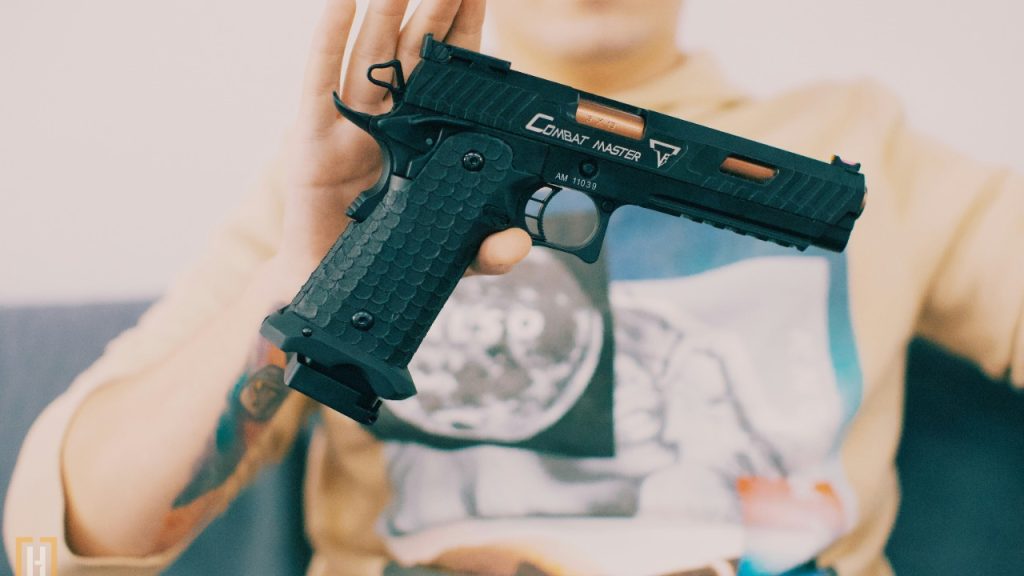
Valuing looks more than functionality is a subtle but costly trap for first‑time buyers. The personal reflection on buying a first gun describes the allure of certain finishes and aggressive styling, even when the shooter has not yet tested how those guns behave on the range. That aesthetic pull is why many instructors caution against choosing a firearm primarily because it “looks cool” in movies or marketing photos.
When I prioritize color schemes, slide cuts, or brand image over reliability and shootability, I risk ending up with a gun that is hard to control or poorly suited to my actual purpose. Practical factors like sight visibility, trigger quality, and aftermarket support matter far more once I start training regularly. A plain, proven pistol that fits my hand and budget will usually serve me better than a flashy model that impresses friends but frustrates me every time I pull the trigger.
8. Buying Without Firing or Handling It First
Buying without firing or properly handling the gun first is a central error in many first‑time stories. In the “dark heart of America” account, the buyer moves from counter to cash register without a meaningful trial, discovering only later how the gun recoils and points. That experience aligns with the warning in Common Mistakes Most Make When Buying Their First Firearm, which highlights “Mistake #2: Not Trying or” otherwise testing the firearm before committing.
Some ranges offer rental programs that let me fire several models side by side, revealing differences in recoil, trigger feel, and accuracy that are impossible to judge in a display case. If I skip that step, I might buy a compact pistol that feels snappy and unpleasant, discouraging practice, or a large gun that I cannot conceal. A short test session costs a little more up front but dramatically increases the odds that my first gun will be one I actually enjoy and train with.
9. Failing to Consider Safe Storage Solutions
Failing to consider safe storage solutions undermines every other responsible choice I might make. The first‑time buyer’s tale highlights gaps in planning for where the gun will live once it leaves the store, especially in homes with children or roommates. Safety guidance such as “4 common mistakes beginners make when handling a gun” lists “Not Storing” firearms safely as a core error, right alongside ignoring the basic rules of gun handling.
When I bring a gun home without a lockbox, safe, or clear storage plan, I increase the risk of theft, unauthorized access, and tragic accidents. Simple devices like cable locks, small bedside safes, or larger bolted cabinets can be matched to my living situation and budget. Thinking through how I will balance quick access with secure storage, and revisiting that plan as my household changes, is essential to keeping my first gun from becoming a hazard to the people I care about.
10. Making the Decision in a High-Stress Environment
Making the decision in a high‑stress environment magnifies every other mistake on this list. The introspective narrative about buying a first gun describes a charged atmosphere, with cultural tension and personal anxiety pushing the buyer toward a quick decision. Training advice in Learn the top mistakes for first‑time buyers similarly warns that crowded events, time‑limited sales, and social pressure can lead to rushed, poorly researched choices.
When I feel hurried by a salesperson, a long line behind me, or my own fear, I am less likely to ask hard questions, walk away to think, or compare options. The guidance in Another discussion of gun buying errors stresses that “Before” I go shopping, I should know my budget and priorities so I am not swayed by the mood of the moment. Stepping back, sleeping on the decision, and returning when I am calm can be the difference between a thoughtful first gun and an expensive mistake.

Asher was raised in the woods and on the water, and it shows. He’s logged more hours behind a rifle and under a heavy pack than most men twice his age.