Why the .357 Magnum isn’t overrated or obsolete
The .357 Magnum has been written off more times than I can count, usually by people who have not spent much time carrying one in the field. In a world obsessed with double-stack polymer pistols and micro-compacts, it is easy to assume a mid-size revolver chambered in a nearly 90‑year‑old cartridge has had its day. I see it differently: the .357 Magnum still solves real problems for hunters, backcountry travelers, and armed citizens, and the evidence on performance, versatility, and reliability backs that up.
How the .357 Magnum earned its reputation
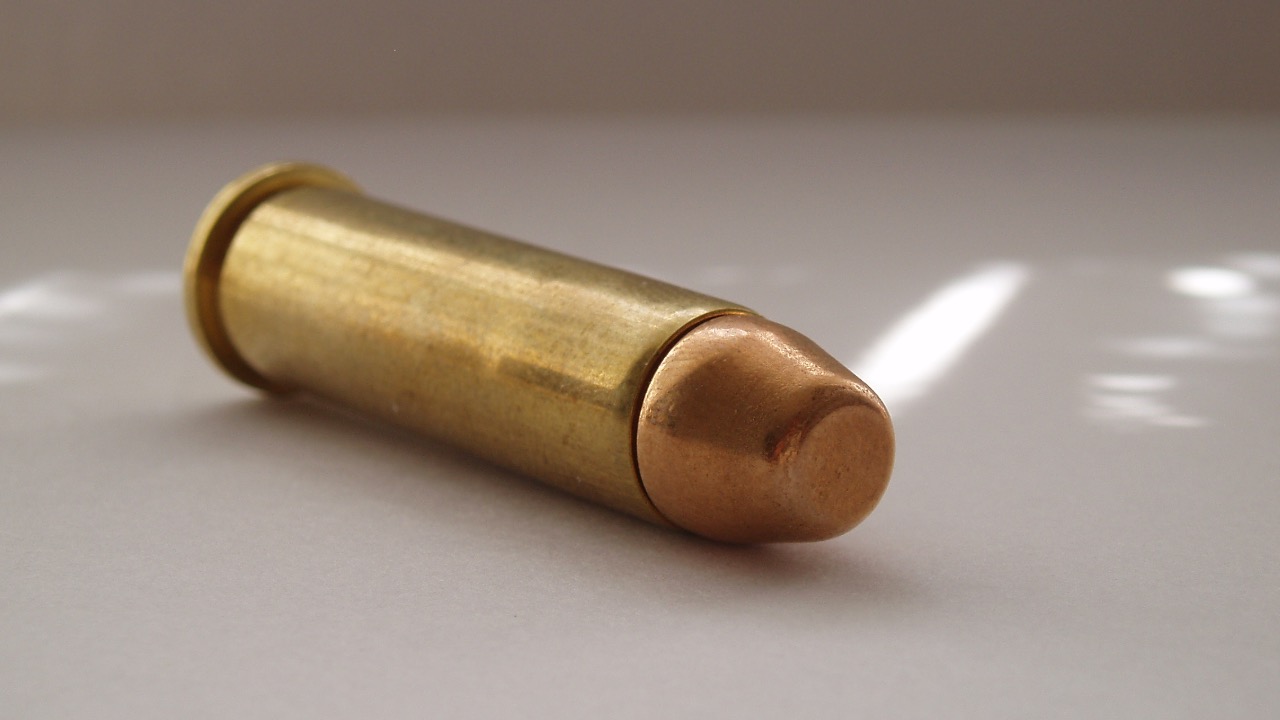
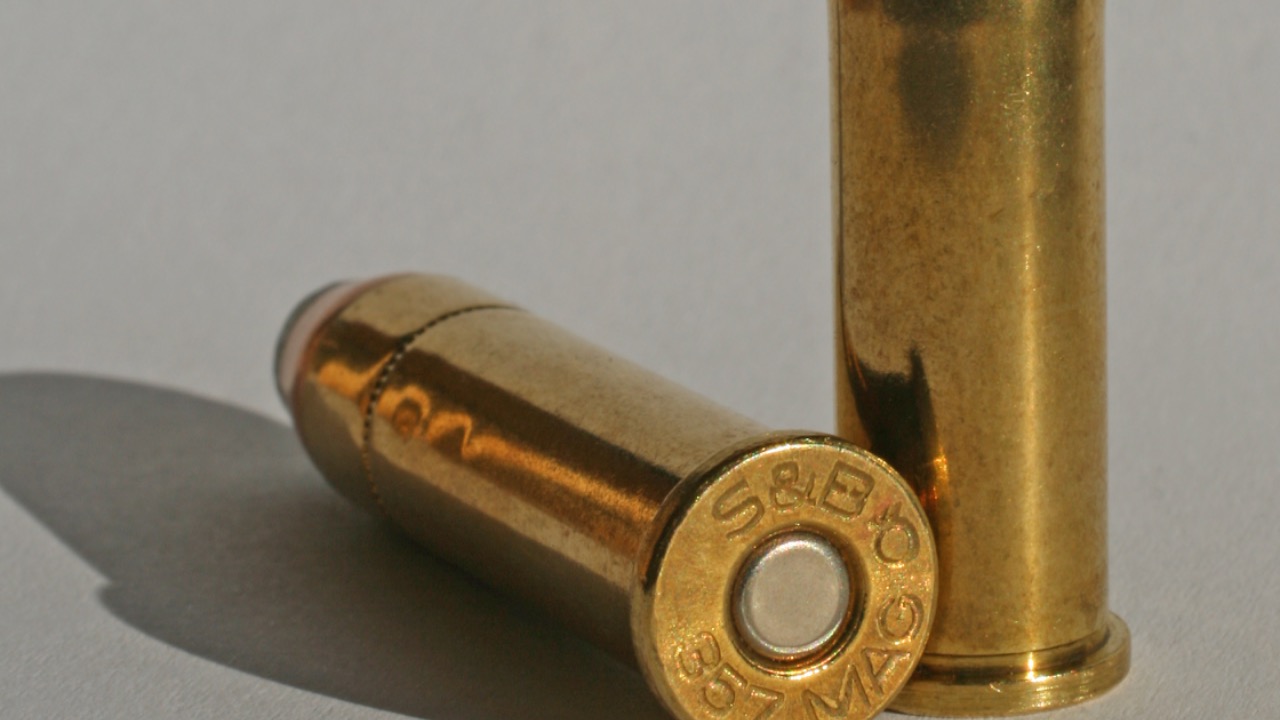
The .357 Magnum was built from the start as a problem solver, not a fashion piece. Lawmen wanted more penetration and power than the .38 Special could offer, and the result was a cartridge that pushed a similar diameter bullet much faster, with enough energy to punch through car bodies and heavy clothing. Almost a century later, the round is still widely used in law enforcement training circles and personal defense because it does what it was designed to do and has only improved with modern components.
Modern ammunition makers point out that the 357 M is “Better Than Ever,” with contemporary powders and bullets giving more consistent expansion and penetration than the early loads that built its legend. That long track record, combined with updated engineering, is why you still see .357 Magnum revolvers in gun shops, patrol cars, and nightstands instead of in museum cases. When a cartridge has been solving the same set of problems for nearly 90 years without being replaced on performance, it is hard to call it obsolete with a straight face.
Revolvers are not relics, and the .357 sits at the center
Any honest look at the .357 Magnum has to start with the platform most people shoot it from: the revolver. Critics like to say wheelguns are outdated, but that ignores the specific jobs they still do better than most semi-autos. A good .357 revolver will run with a wide range of loads, from light .38 Special target ammo to full‑power magnums, without worrying about cycling issues, magazine compatibility, or limp‑wrist malfunctions. In rough country or long-term storage, that kind of mechanical simplicity is worth a lot.
Plenty of experienced backcountry travelers still lean on revolvers for that reason. One prepper described carrying a single‑action Ruger in the mountains and flatly answered the question of whether the revolver is outdated with “No, it is not outdated at all,” explaining that he trusts the action and durability of his Ruger Super Blackhawk when backpacking. That mindset carries over to .357 Magnum double‑actions as well. When you are days from a road and everything you own is on your back, a gun that shrugs off dust, rain, and neglect has real value, even if it only holds six rounds.
Why revolvers still make sense in a semi-auto world
There is a separate argument that revolvers in general are “essentially obsolete” in a world of high‑capacity pistols. I hear that a lot, and I still carry semi‑autos often, but the claim falls apart when you look at how people actually use handguns. For many defensive situations, the first few rounds matter far more than the next fifteen, and a .357 Magnum revolver gives you those initial shots with excellent power, a consistent trigger, and no magazine to fumble under stress. For people who do not shoot weekly, a simple manual of arms can be a real advantage.
Even in online gun communities, where polymer pistols dominate the conversation, you see shooters pointing out practical upsides to wheelguns. In one Comments Section discussion about whether revolvers are obsolete, users noted that “They don’t leave shell casings behind” and that a well‑tuned revolver is “Damn nice” to shoot. Those are not theoretical points. For some armed professionals and private citizens, retaining brass matters, and for many others, a gun that encourages accurate practice because it is pleasant to shoot is more useful than a higher‑capacity pistol that never leaves the safe.
Ballistics: what the numbers say about .357 Magnum power
Power is where the .357 Magnum still earns its keep. Compared with common service calibers, it delivers high velocity and strong penetration, especially from longer barrels. That combination is why it became a favorite for highway patrol officers decades ago and why it still shows up in hunting camps and truck consoles today. When you are asking a handgun to handle more than soft‑tissue threats, raw ballistics start to matter a lot.
Side‑by‑side comparisons with other popular rounds highlight this. In one breakdown of .357 Magnum versus .45 Auto, analysts noted that 45 Auto is usually loaded with bullets between 185 and 230 g, while the .357 Mag. usually uses lighter bullets but at much higher speeds. Despite that lighter weight, the Despite higher velocity, the Mag offers a flatter trajectory and strong penetration, which matters for hunting and barrier performance. When you compare it to 9mm, both the Both the 357 and 9mm meet the FBI minimum penetration standards, but the 357 was designed for higher velocity and often carries more energy on target. That extra margin is why many still reach for the 357 M when they want a handgun that can handle both defensive work and medium game.
Real-world stopping performance and the “stunning effect” myth

Power on paper is one thing, but what people care about in a defensive handgun is whether it stops threats quickly. The .357 Magnum has a reputation for hitting hard, sometimes described as having a “stunning effect” on attackers. That phrase can be misleading, because no handgun round guarantees an instant stop, but there is a reason so many old‑school cops still speak highly of the cartridge’s street performance.
In a recent discussion among concealed carriers, one shooter asked if it was true that .357 Magnum has that kind of dramatic impact on “bad guys.” The responses were more grounded. One commenter pointed out that Yes, 9mm does stop threats, but it often takes multiple rounds, and that is also true of other handgun cartridges. Another urged readers to Look at real‑world shootings like the 1986 Miami incident to understand that shot placement and penetration matter more than caliber alone. The .357 Magnum’s edge is that, when loaded with modern defensive bullets, it tends to give reliable penetration and expansion, which increases the odds that a well‑placed hit will do its job. That is not magic, but it is meaningful.
Backcountry defense: bears, cats, and two-legged trouble
Where the .357 Magnum really separates itself from most service calibers is in the backcountry. A revolver that rides comfortably on your hip yet can handle both human threats and medium‑sized animals is a valuable tool. Plenty of hunters and anglers carry .357s as a compromise between the portability of a handgun and the power needed to punch through heavy muscle and bone if things go sideways.
There is honest debate about how far that role should stretch. One analysis of bear defense noted that 357 M Magnum has the penetration to reach vital organs in a grizzly, but it also asked hard questions about the odds of making that shot in a real charge. The author concluded that while the Magnum can work, larger calibers may be better for dedicated bear protection. I agree with that caution. For black bears, mountain lions, feral hogs, and the occasional sketchy stranger at a remote trailhead, a sturdy .357 with hard‑cast loads is a very capable sidearm. For big coastal brown bears, I would rather have more gun, but that does not make the .357 obsolete, it just defines its lane.
Versatility: one gun, many roles
One of the strongest arguments for the .357 Magnum is how many jobs it can handle with a single revolver. With .38 Special target loads, it is a mild, accurate range gun that new shooters can learn on without getting beaten up. Swap in mid‑range .357 loads and it becomes a solid home‑defense or truck gun. Step up to heavy hard‑cast or bonded bullets and it turns into a legitimate hunting and backcountry defense tool. Few other handgun platforms offer that kind of spread without changing barrels or recoil springs.
That versatility is part of why some writers still describe the Why the 357 M as one of the most useful handgun rounds available. The cartridge has been around for nearly 90 years, and it is still praised as a round that can do almost everything a handgun is reasonably expected to do. That same analysis framed the Magnum Is Still One of the Best Handgun Rounds because it can handle defense, hunting, and field carry without needing a different gun for each role. When one revolver can cover that much ground, it is hard to argue that the cartridge it is chambered in has been left behind.
Modern ammo and training keep the .357 current
Another reason the .357 Magnum is not stuck in the past is that the ammunition and training around it have evolved. Early loads were hot and often paired with small grips and fixed sights, which made them punishing to shoot. Today, you can buy everything from low‑recoil defensive loads to heavy hunting rounds, and you can match them to revolvers with better ergonomics and sights. That lets shooters tailor recoil and performance to their needs instead of taking a one‑size‑fits‑all beating.
Modern trainers and content creators have also helped shooters understand where the cartridge shines. One detailed video on the round’s history and use pointed out that the .357 Magnum “simply took care of much of the problems of police officers and federal agents at that time and even today,” and described how it is still seen as a strong choice for law enforcement and self‑defense in the right hands. That kind of perspective, shared in resources like Dec videos that walk through real‑world scenarios, keeps new shooters from writing off the cartridge based on internet myths. When you combine that education with better gear and ammo, the .357 Magnum looks a lot more like a current tool than a nostalgic throwback.
Where the .357 Magnum fits in a modern carry lineup
None of this means everyone should dump their 9mm carry pistols and strap on a four‑inch .357. Semi‑autos offer capacity, faster reloads, and slimmer profiles that are hard to beat for daily concealed carry. What the .357 Magnum offers is a strong option for people who want a handgun that can bridge the gap between urban defense and rural duty, or for those who simply shoot revolvers better and are willing to accept lower capacity in exchange for power and simplicity.
Even in online debates about whether revolvers are outdated, you see people carving out that niche. Some point out that a .357 wheelgun can be staged safely in a nightstand, carried in the woods, and used for range practice with .38s, all without worrying about magazines, safeties, or ammo sensitivity. Others in prepper circles emphasize that a rugged revolver is easier to maintain in long‑term emergencies than a more complex semi‑auto. When I look at the total picture, from the Magnum’s history in law enforcement to its ongoing role in hunting and self‑defense, I see a cartridge that has adapted to the times instead of being left behind. Overrated and obsolete are not the words that come to mind when a round still fills that many real‑world roles.

Asher was raised in the woods and on the water, and it shows. He’s logged more hours behind a rifle and under a heavy pack than most men twice his age.