Pistols built for long service life
Service pistols that truly earn their keep are not defined by marketing slogans but by how they hold up after tens of thousands of rounds, rough handling, and indifferent maintenance. The models that stand out combine conservative engineering with smart materials and a track record in the hands of soldiers, police, competitors, and working civilians. When I look at handguns built for a long service life, I see a common pattern of robust design, durable finishes, and support ecosystems that keep them running for decades rather than product cycles.
What “long service life” really means in a pistol

Longevity in a sidearm starts with the parts that take the most abuse, especially the barrel, slide, and locking surfaces. A pistol that is genuinely built for the long haul uses quality steel, heat treatment, and manufacturing methods that resist erosion and cracking under repeated firing. That is why designs that rely on cold hammer forged barrels, generous locking lugs, and conservative operating pressures tend to outlast trendier, lightly built guns that chase weight savings at the expense of durability.
Service life is not just about surviving round counts, it is about staying accurate and reliable while doing it. A barrel that keeps its internal dimensions and a slide that resists peening will hold zero longer, which matters as much to a patrol officer as to a competition shooter. When I evaluate a pistol’s staying power, I look for evidence that the manufacturer has prioritized durability in core components rather than cosmetic upgrades, and I pay close attention to how those choices have played out in military and law enforcement adoption over time.
CZ 75 and the case for forged barrels
Few designs illustrate the link between barrel construction and longevity as clearly as the classic CZ pattern. All CZ 75 series pistols are equipped with a cold hammer forged barrel manufactured in house, a choice that consistently provides high accuracy and helps ensure a long service life. That combination of in-house control and forging gives the 75 family a reputation for staying tight and precise even after years of regular use, which is why so many shooters still rely on these all-steel pistols despite the flood of newer polymer designs.
Cold hammer forging work-hardens the steel and produces a smooth, consistent bore, which reduces wear and helps the pistol maintain its accuracy standard over time. In my experience, that matters more than almost any cosmetic feature, because a sidearm that groups predictably after thousands of rounds is far more valuable than one that only shoots well when new. The way All CZ 75 models lean on this barrel technology is a textbook example of engineering for endurance rather than short term flash.
Military sidearms that proved too durable to retire
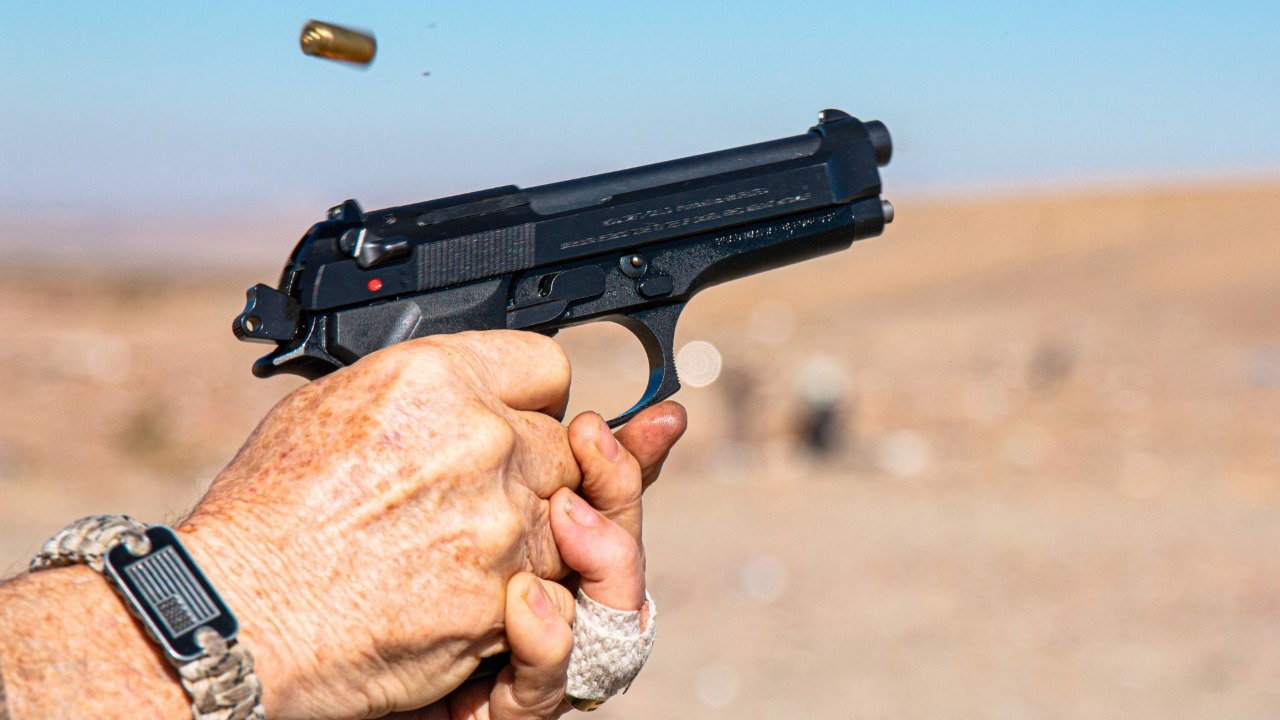
One of the clearest tests of a pistol’s durability is whether armed forces keep it in service long after newer designs appear. The Browning Hi-Power is a prime example, a steel-framed workhorse that earned a place in arsenals around the world and was often kept in inventory even as more modern designs arrived. In the same vein, the Beretta M9 and other long-serving duty pistols have shown that when a sidearm is accurate, reliable, and easy to maintain, logisticians are reluctant to let it go, no matter how enticing the latest catalog looks.
Lists of enduring military sidearms often read like a roll call of conservative, overbuilt designs that were simply hard to wear out. Models such as the Springfield 1911A1 Loaded, the FN Browning designs credited to Dragunova, and the rugged Makarov Pistol all appear in discussions of sidearms that proved “too good to let go,” precisely because they kept functioning across generations of users. When I see the Browning Hi-Power and Beretta M9 grouped together in that context, as they are in one survey of 30 military sidearms, it reinforces the idea that real-world service is the ultimate durability test.
Modern service pistols built on proven patterns
Contemporary duty pistols that dominate police and military contracts tend to share the same durability DNA as their predecessors, even if they use polymer frames and modular fire control units. In the United States, the SIG P320, Designated the M17 and M18 in military service, reflects that shift, combining a removable chassis with robust slide and barrel assemblies that can be refreshed without discarding the serialized core. Other nations still lean on The Browning Hi-Power or have moved to Glock style pistols, but the common thread is a focus on designs that can survive harsh environments and high round counts.
When I look across a global lineup of service pistols, from the Commonwealth Club’s historical reliance on The Browning Hi to the 20+ nations that have standardized on Glock variants, I see a convergence on platforms that are simple to maintain and supported by deep parts pipelines. That is why curated rundowns of the best service pistols tend to highlight models with long adoption histories and clear evidence of durability in the field, rather than boutique designs that have not yet proven themselves under institutional use.
1911s that earn their keep over decades
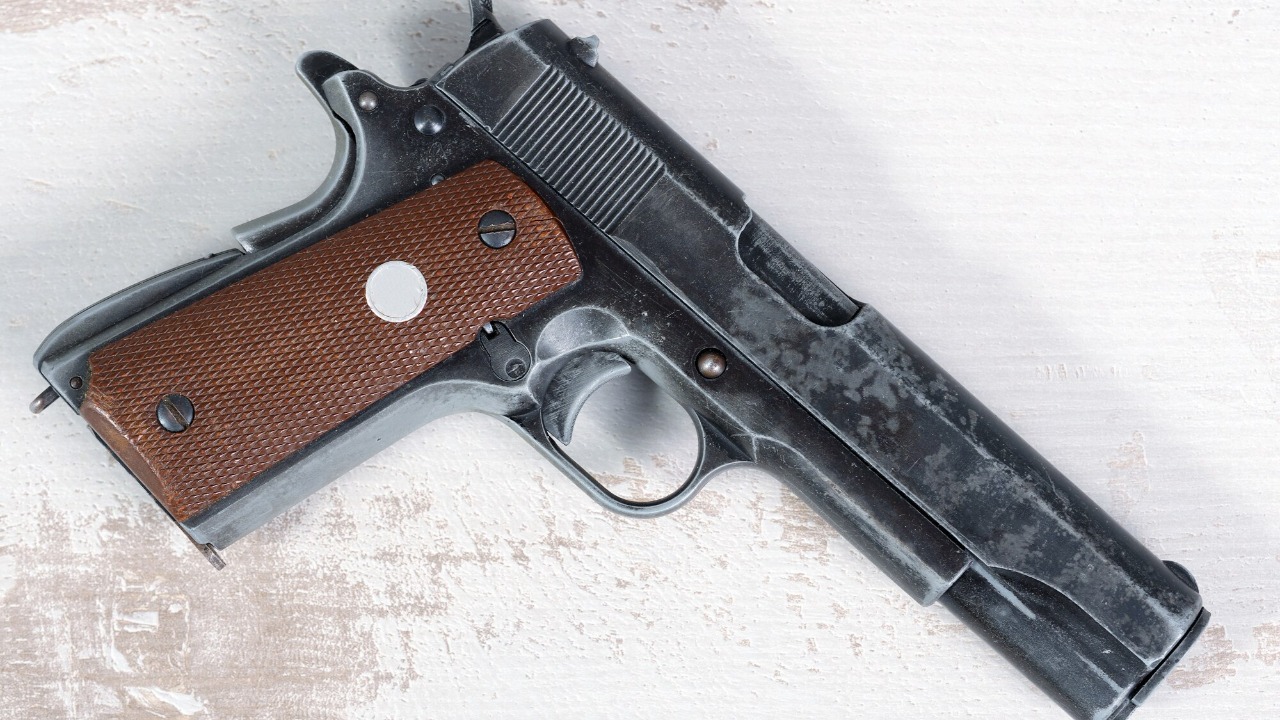
The 1911 pattern is more than a century old, yet it remains one of the clearest examples of a pistol architecture that can deliver a very long working life when built correctly. From the jungles of the Philippines to the deserts of Iraq the KO 1911 has earned a reputation as one of the most reliable and long serving interpretations of that design, showing how a well executed single action steel pistol can thrive in wildly different climates. That kind of track record is not an accident, it is the product of robust locking lugs, generous slide rails, and a design that armorers understand intimately.
Modern manufacturers have taken that legacy and updated it with materials and machining that further extend service life. The Springfield Armory Range Officer Elite, for example, is explicitly Built for a long life and cutting-edge performance, with rock-solid construction and a hammer-forged barrel for accuracy and durability. When I see a 1911 marketed that way, and backed by features like forged frames and slides, I read it as a direct response to the platform’s history of thriving in hard use, from early government contracts to contemporary carry and competition roles. The way Springfield Armory Range Officer Elite leans into that heritage shows how the 1911 remains a benchmark for service longevity.
For shooters who want a sidearm that can be passed down, a properly built 1911 still makes a compelling case. Parts support is deep, the design is well understood, and examples like the KO 1911 demonstrate that with the right materials and fitting, this old pattern can stand shoulder to shoulder with newer platforms in terms of reliability and lifespan. When I weigh long term ownership, that combination of proven architecture and modern metallurgy is hard to ignore.
Glock, Sig, and the polymer workhorses
Polymer framed pistols have become the default choice for many agencies, and their staying power comes from a mix of simplicity and smart engineering. Glock in particular is often described as the 800 pound gorilla in the handgun world, and that dominance is rooted in a design that is easy to maintain, forgiving of neglect, and supported by a vast aftermarket. Guides for new owners routinely highlight how They are extremely popular because they are simple to operate and have modest maintenance requirements, which directly supports a long working life in the hands of non-enthusiast users.
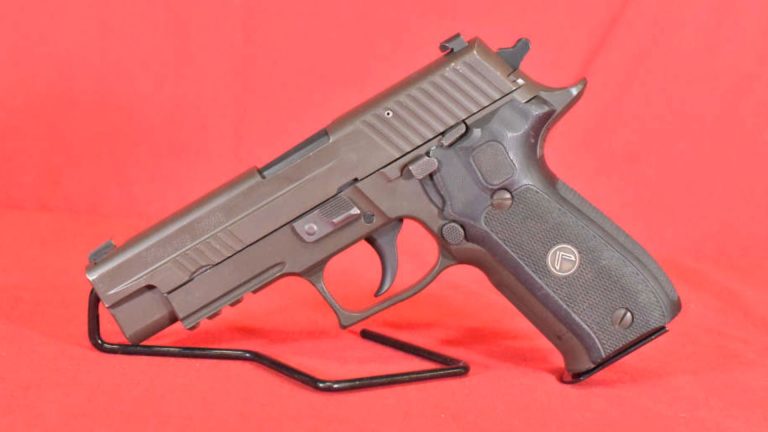
Durability is central to that appeal. One analysis of why Glock remains on top emphasizes that a concealed carry firearm should be Built to Last a Lifetime, and credits Glock’s rugged design and corrosion resistant finishes with helping pistols last for years even with regular use. In parallel, Sig has carved out its own reputation, with one overview noting that Sig is one of the top 5 arms producers in the world, that Its domain is handguns, and that They have first-class workmanship and extremely long service life baked into their products. Even at the component level, that focus on longevity shows up in details like a Sig Sauer P226 magazine Featuring a precision-engineered, heat-treated stainless steel body with a corrosion-resistant finish for lasting service in harsh environments. When I compare these platforms, I see a shared philosophy: build the gun and its critical parts to outlast the typical owner’s shooting career.
For everyday carriers and agencies alike, that means fewer unexpected failures and lower lifecycle costs. A pistol that can go tens of thousands of rounds with only routine spring changes, and whose magazines resist denting and rust, is more than a convenience, it is a safety margin. That is why I pay close attention to how companies like Glock and Sig describe their own durability choices, and why I give extra weight to claims that are backed by specific features such as nitrided slides, reinforced locking blocks, and corrosion resistant small parts.
Lessons from airguns and paintball pistols
Durability principles are not limited to centerfire handguns, they show up clearly in air pistols and even paintball markers that are expected to survive heavy recreational or training use. The Precihole Match Pro Air Pistol, for instance, is marketed on the promise that with proper care and regular maintenance it will provide years of reliable service, and that Its robust construction makes it an excellent long-term investment for serious shooters. That language mirrors what I look for in a duty pistol, because it signals that the manufacturer has thought about wear points, seal longevity, and the realities of repeated cocking and firing cycles.
Even in paintball, where stakes are lower, the same engineering logic applies. Mechanical Pistols These are easy to use and to maintain, and Because they use simple mechanical operations, they are highly reliable and can fire multiple shots with one pull of the trigger. That simplicity reduces the number of parts that can fail and makes field repairs straightforward, which is exactly what extends service life in any mechanical system. When I connect those dots back to firearms, I see a clear lesson: designs that favor straightforward mechanisms, robust materials, and easy maintenance, whether in a Match Pro airgun or a Glock duty pistol, are the ones most likely to keep working long after the novelty has worn off.
For buyers, paying attention to these cues across categories can sharpen instincts about what will last. If an air pistol or paintball marker is built around rugged construction and simple operation, it is reasonable to expect similar priorities in a manufacturer’s firearm lineup. That is why I often look at how companies talk about longevity in their training products and accessories as a proxy for how seriously they take the service life of their flagship pistols.

Leo’s been tracking game and tuning gear since he could stand upright. He’s sharp, driven, and knows how to keep things running when conditions turn.