7 hunting habits that lead to wounded game
Wounded game is the part of hunting nobody likes to talk about, but it happens for predictable reasons. When I look at the data, the same bad habits keep showing up in the numbers. Clean kills start long before the shot breaks, so it pays to understand the specific mistakes that lead to crippled animals and how to fix them.
1. Shooting Beyond Effective Range
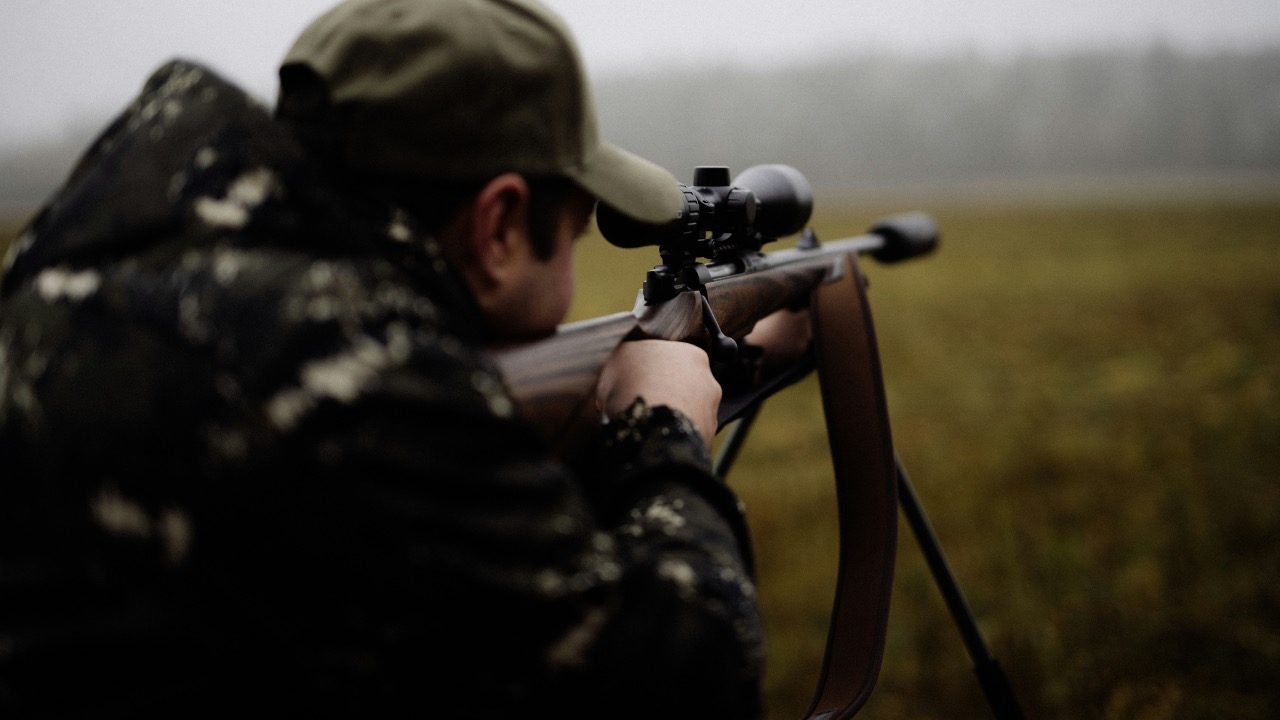
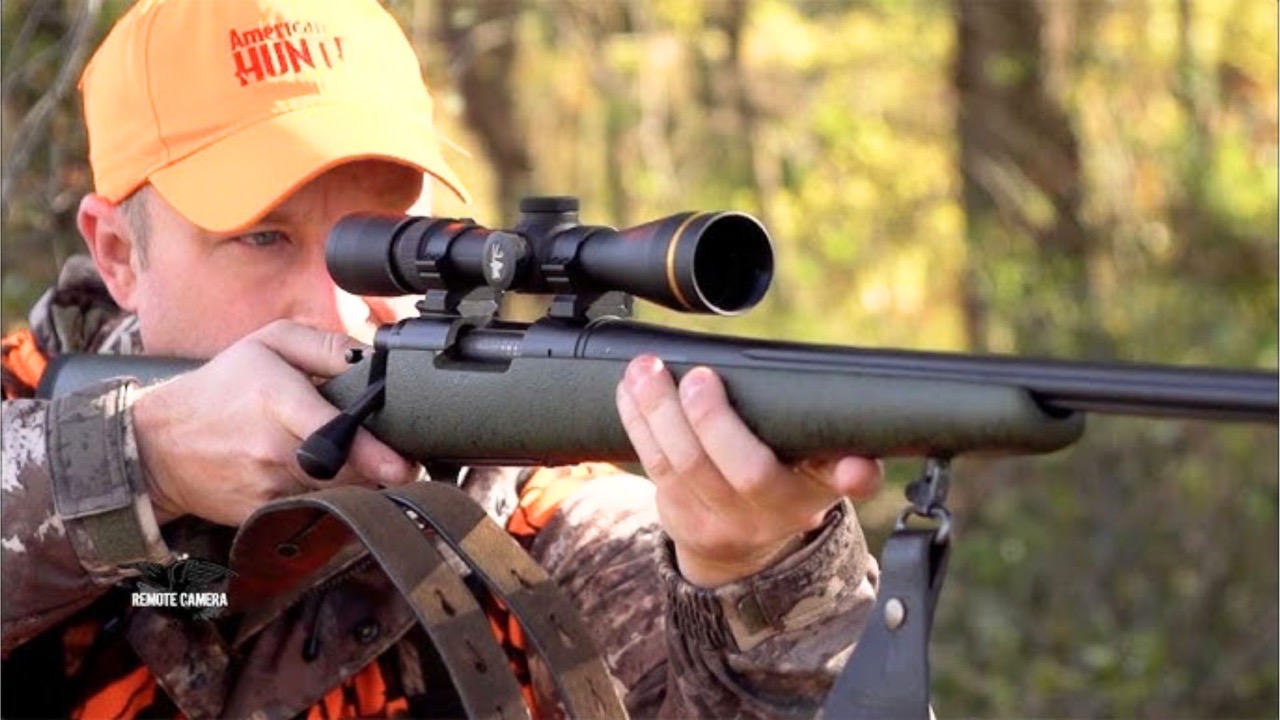
Shooting beyond effective range is one of the fastest ways to wound animals instead of killing them cleanly. A 2022 study from the National Deer Association reported that 42% of wounded deer came from shots taken past 200 yards, often in low-light conditions where hunters misjudged distance and their own capability. When light fades, scopes get dim, reticles blur, and it becomes harder to read body angles or see brush between you and the deer.
I treat that 200-yard mark as a hard ceiling unless I have verified dope, a rock-solid rest, and full daylight. The numbers show that guessing at range or holdover turns a broadside deer into a marginal hit very quickly. For anyone who cares about recovery rates and ethics, the fix is clear: know your personal limit, confirm it on steel or paper, and refuse shots that stretch beyond what you have proven in practice.
2. Misidentifying Game Species
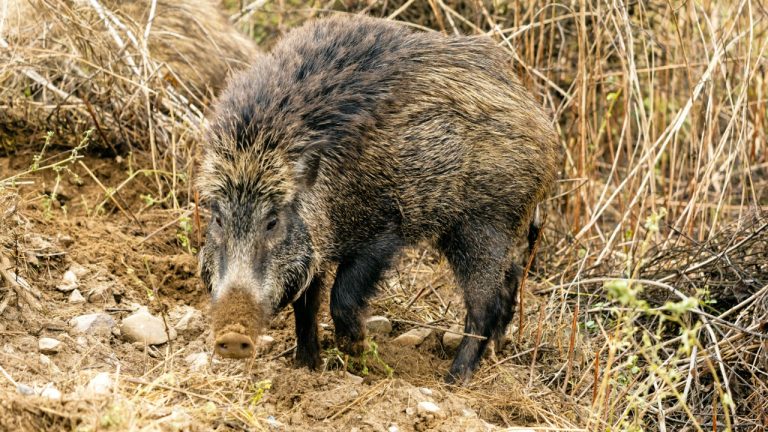
Misidentifying game species does not only cause legal trouble, it also drives a lot of non-fatal wounds. A 2019 report from the U.S. Fish & Wildlife Service found that 28% of non-fatal wounding incidents involved misidentification, including Wisconsin cases where hunters mistook coyotes for deer at dusk. In that low, gray light, people fired at movement or a vague outline instead of a clearly identified target.
When you shoot at an animal you have not fully identified, you are almost guaranteed poor shot placement, odd angles, and rushed decisions. That is how you end up with gut-shot predators or deer hit too far back. The stakes go beyond ethics, because these mistakes also fuel public pressure on hunting access. I slow myself down with one rule: if I cannot see the whole animal and confirm species, sex, and background, the safety stays on.
3. Aiming for Non-Vital Areas
Aiming anywhere other than the heart-lung area is another major driver of wounded game. A 2021 analysis in Backwoods Home Magazine found that poor broadside shot placement on the vitals accounted for 35% of recoverable wounded animals. In that piece, expert Jackie Childers said, “Aim for the heart-lung area, not just any hit,” underscoring that a bullet or arrow in muscle does not reliably kill.
When hunters “aim brown” instead of picking a specific spot tight behind the shoulder, they clip shoulders, hit high in the backstraps, or slide too far back into the guts. Those animals may be recovered after long, ugly tracking jobs, but many are not. I focus on waiting for a true broadside or slightly quartering-away angle, then burning a hole in a tennis-ball-sized spot over the heart, because the data and field experience both say that is where quick kills happen.
4. Taking Rushed Shots on Moving Game
Rushed shots on moving animals are a classic recipe for wounding. Ethics guidelines from the Boone and Crockett Club documented that 22% of wounding incidents came from shots taken while game was in active motion, including a specific case on October 15, 2018, when a hunter fired at a trotting elk in Montana. The bullet did not land in the vitals, and the elk left a sparse, difficult trail.
Trying to swing on a trotting or running animal adds lead, wobble, and guesswork to a moment that already carries plenty of pressure. The result is hits too far back or low in the legs, which can cripple an animal for miles. I would rather cow-call or whistle to stop an elk or deer for a standing shot than gamble on a moving target. The numbers show that patience here directly translates into fewer unrecovered animals on the landscape.
5. Using Inappropriate Ammunition Calibers
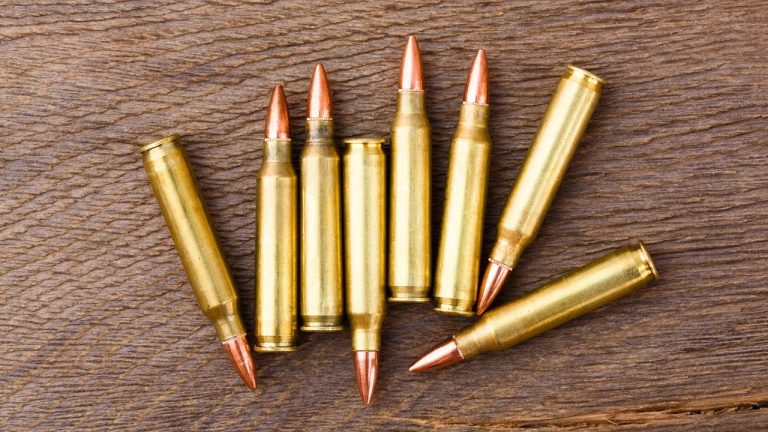
Using ammunition that does not match the game or terrain is another habit that shows up in wounding statistics. A 2017 survey from the International Hunter Education Association reported that 19% of wounded animals were linked to mismatched calibers, including examples of hunters using .243 rifles on large game in heavy Colorado brush. Light bullets that expand quickly can deflect on twigs or fail to penetrate deeply enough on big-bodied animals.
When caliber and bullet construction are not suited to the job, even decent shot placement can turn into a marginal hit. That means more tracking, more lost blood trails, and more animals that die hours later out of sight. I match my cartridge and bullet to the heaviest animal and worst angle I am realistically willing to take, because the data make it clear that under-gunning in thick cover is a direct path to wounded game.
6. Ignoring Wind Drift Effects
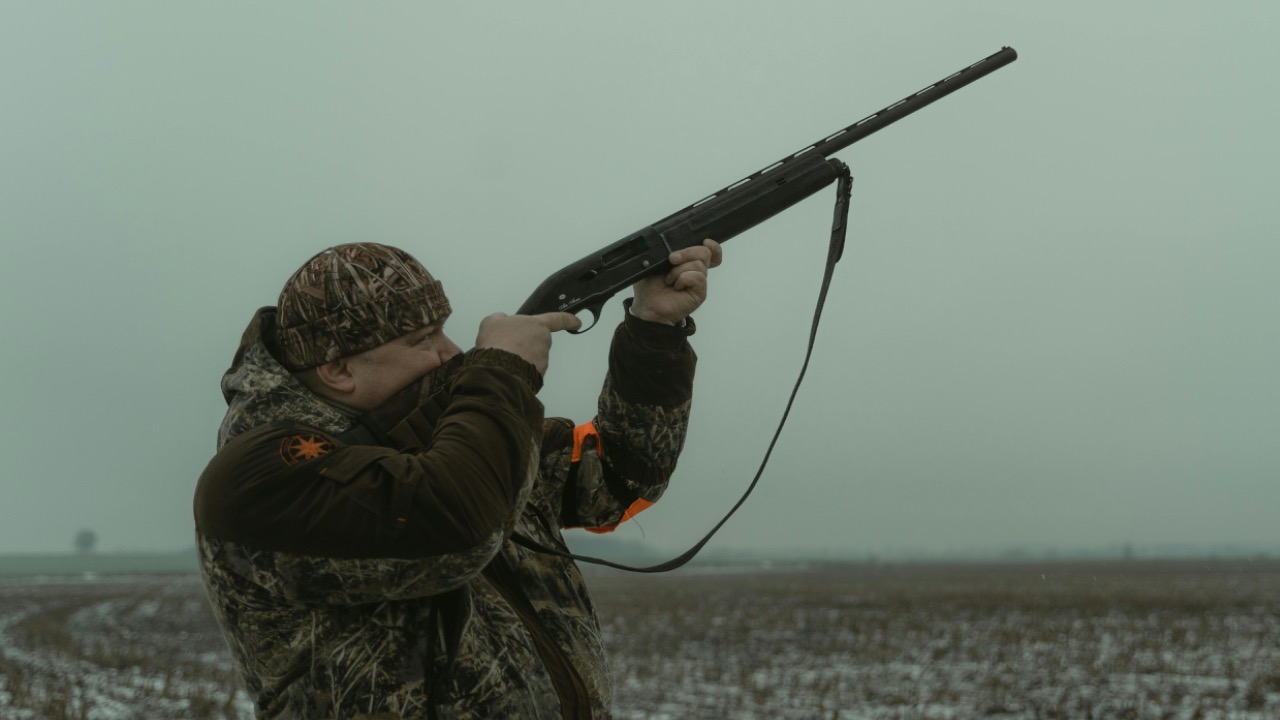
Ignoring wind drift, especially with archery gear, quietly causes a lot of off-target hits. A 2023 article in Hunter Safety Journal reported that failure to account for wind accounted for 31% of off-target shots, citing Texas archery hunts where 10 mph crosswinds pushed arrows 15 to 20 inches at 40 yards. That kind of sideways drift can turn a perfect pin hold into a paunch or ham shot.
Many bowhunters judge distance carefully but treat wind as an afterthought, even though arrows are far more vulnerable to crosswinds than bullets. The stakes are high, because a foot and a half of drift is the difference between a double-lung pass-through and a long, low-odds tracking job. I watch grass, leaves, and dust, then either hold into the wind or cut my maximum range when it is gusty, knowing the numbers are not in my favor otherwise.
7. Abandoning Blood Trails Prematurely
Even when the shot is not perfect, patient tracking can still recover animals, but many hunters give up too soon. A 2018 field study from the Quality Deer Management Association found that 25% of wounding incidents were tied to inadequate post-shot tracking. One Georgia case on November 3, 2017, involved a hunter who abandoned a blood trail after only 100 yards, despite visible sign that the deer was still bleeding.
Walking away that early turns a recoverable deer into a wasted one. Sparse blood, tough terrain, or fading light are not excuses when the data show that persistence often makes the difference. I slow down, mark every drop with flagging, and grid-search when the trail vanishes, because the responsibility does not end when the trigger breaks. The numbers make it clear that tracking discipline is as important to clean kills as marksmanship.

Asher was raised in the woods and on the water, and it shows. He’s logged more hours behind a rifle and under a heavy pack than most men twice his age.