Guns that don’t need special treatment
For most people thinking about self defense, the ideal firearm is not a finicky race gun or a collector’s piece. It is a tool that can sit in a safe, endure imperfect care, and still work when a door splinters at 3 a.m. Guns that do not need special treatment are not magic, they are the result of conservative engineering, proven calibers, and designs that tolerate real life rather than a laboratory bench.
When I look at what actually delivers that kind of low‑maintenance reliability, a pattern emerges across handguns, shotguns, rifles, and even non‑lethal options. The standouts are simple, rugged platforms with broad parts support and forgiving operating systems, paired with ammunition that is common rather than exotic. The details vary, but the core promise is the same: they keep functioning even when the owner is less than perfect.
What “no‑nonsense” really means in a defensive gun
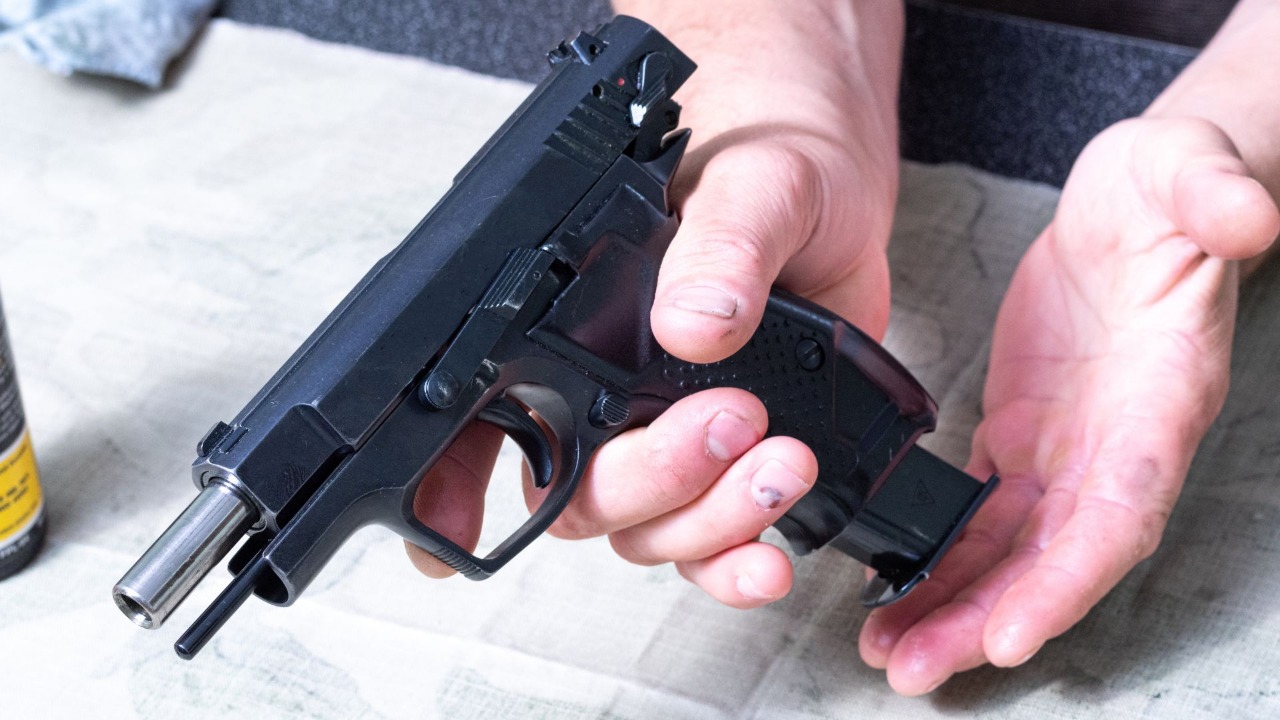
Reliability is often treated as a vague virtue, but in a defensive context it has a very specific meaning. A dependable firearm must cycle correctly with quality ammunition, tolerate some neglect, and remain controllable under stress. Guidance on avoiding so‑called “Saturday Night Special” type guns makes the point bluntly, noting that the way to ensure a firearm is reliable is to focus on maintenance and, crucially, on How regular care and higher‑quality designs dramatically improve performance. Cheap, poorly made pistols may function on a clean range day, but they are far more likely to choke when conditions are dirty or ammunition is inconsistent.
By contrast, modern defensive guns from reputable makers are engineered to keep running in less than ideal circumstances. Detailed guidance on handgun upkeep stresses that Quality handguns built by reputable manufacturers are intentionally rugged and reliable, designed to function even when they are dirty or exposed to adverse environments. That does not excuse total neglect, but it does mean that a well chosen pistol or long gun can survive the realities of busy lives, imperfect cleaning schedules, and the occasional box of budget ammunition without turning into a liability.
Handguns that forgive imperfect owners
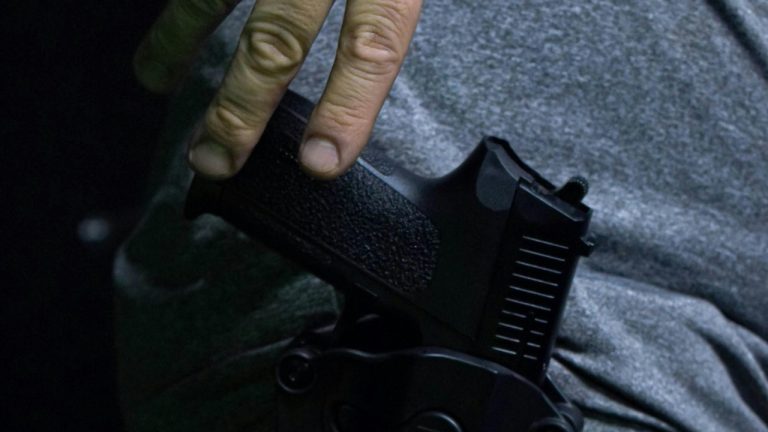
Among handguns, a few platforms have become shorthand for “it just works,” and the Glock 19 is at the center of that conversation. In home defense roundups, the Glock 19 is described as a timeless compact pistol that is versatile and easy to use, which is exactly what a stressed homeowner needs. Separate analysis of its concealed carry role notes that it is also incredibly durable and will still function even if it is not cleaned properly or regularly, while still urging owners to take proper care of their firearm. That combination of durability and practicality is why the Glock 19 for concealed carry so often doubles as a home gun that does not demand constant tinkering.
The broader category of polymer striker‑fired pistols has followed a similar path. Enthusiasts discussing emergency preparedness point to models like the CZ p10c as a great gun for home defense that can also serve as a carry pistol, precisely because it balances shootability with robust construction. On the technical side, experts emphasize that Today, modern handgun designs are far more tolerant of limited maintenance than older designs, often continuing to function properly even if the owner neglects them for stretches of time. For many households, that makes a mid‑size striker pistol in a common caliber a pragmatic first choice.
Simple controls, fewer gadgets, more uptime
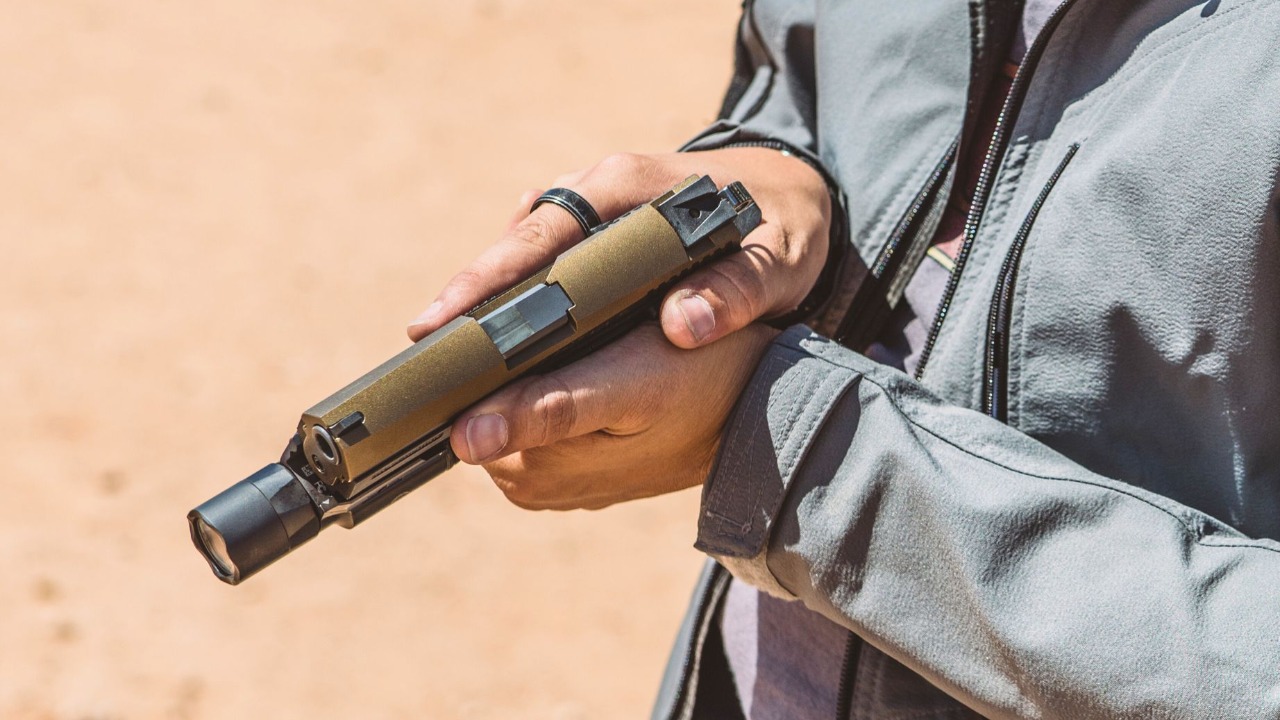
One underrated aspect of low‑maintenance guns is the virtue of simplicity. Every extra lever, optic, or moving part is another potential failure point, especially if the owner is not inclined to train regularly. That is why some shooters deliberately choose pistols with basic iron sights and straightforward controls. A comparison of optic‑ready pistols with traditional models highlights that Standard Glock Handguns Pros include a classic, uncomplicated design that appeals to users who do not plan to use optics and prefer fewer things to break or mis‑zero. In a defensive emergency, not having to wonder whether a battery died or a mount shifted is its own kind of reliability.
The same logic applies to long guns. Lever‑action rifles, often seen as old‑fashioned, have enjoyed a quiet resurgence among home defenders who value ruggedness over rails. Modern commentary points out that They do not always require accessories or other attachments to improve their functionality, and many work well right out of the box with little tinkering. For someone who wants a carbine that can sit in a closet and still be intuitive to run years later, a simple lever gun with a tubular magazine and fixed sights can be more practical than a heavily accessorized rifle that demands constant zero checks and battery changes.
Shotguns and rifles that thrive on neglect
When people talk about long guns that just keep going, the classic pump shotgun is usually near the top of the list. In Canadian legal guidance, the Remington 870 is singled out as a classic pump‑action shotgun renowned for its toughness, with the model designation “870” treated as a benchmark in its own right. That reputation is not accidental. A manually cycled pump action has fewer timing sensitivities than a gas system, and the design has been refined over decades of police, military, and hunting use. In practical terms, that means an 870 can ride in a closet or patrol car, get knocked around, and still feed and eject reliably when it matters.
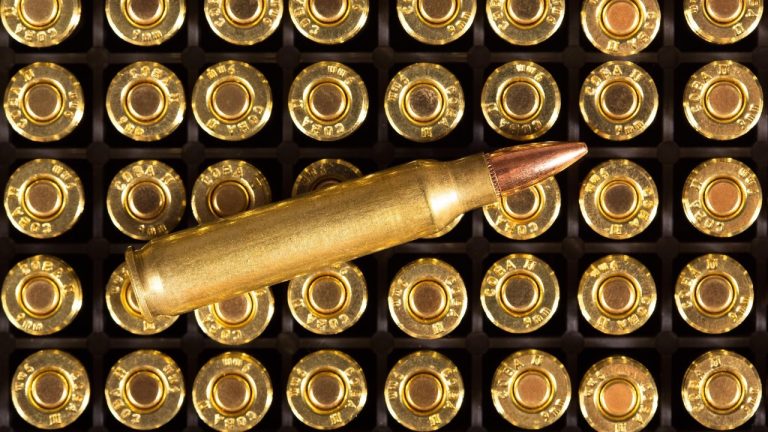
On the rifle side, the modern AR‑15 pattern has matured into a surprisingly forgiving platform when built correctly. Analysts weighing “only one gun” scenarios often land on a medium‑length AR chambered in a common intermediate cartridge, arguing that it is effective for in‑home defense and for wider disruptions sometimes described as WROL situations. The key is to stick with standard calibers like 5.56 or .223, which are supported by a vast ecosystem of parts and magazines. Suppressor manufacturers, for example, explicitly describe rifle cans sized for 5.56, 223 as the next step up in common rifle calibers, underscoring how mainstream that chambering has become. A rifle built around those dimensions is easier to feed, easier to service, and less likely to be orphaned by parts shortages.
Caliber choices that do not complicate your life

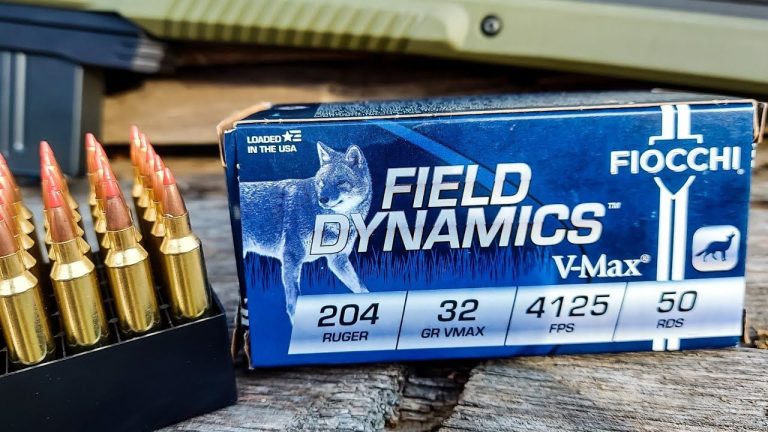
Caliber is often treated as a debate about “stopping power,” but for a gun that should not need special treatment, the more practical question is whether the ammunition is common, well developed, and easy to source. In handguns, that usually means sticking with established service calibers rather than chasing the latest boutique round. Even when new cartridges appear, their own designers acknowledge that they are incremental refinements rather than revolutions. Discussion of one such entrant, 30 Super Carry, notes that Not so much has development halted for handgun calibers, but the focus is on meeting specific performance niches rather than replacing the workhorse rounds that already dominate the market. For a homeowner who wants to be able to walk into almost any store and find defensive loads, 9 mm, .38 Special, and similar staples remain the low‑friction choice.
Shotguns and rifles bring their own considerations. In practical shooting, power factor rules highlight how much energy a typical 12 gauge shell delivers, with guidance noting that in shotgun competition only a major power factor of 480 kg·ft/s is used across divisions and that 12 gauge is the most common caliber. That ubiquity matters for a defensive owner, because it means a wide range of loads, from reduced recoil buckshot to slugs, are readily available and thoroughly tested. On the rifle side, the same logic that favors 5.56 or .223 in AR‑pattern guns also simplifies suppressor and accessory choices, since many products are explicitly engineered around those dimensions. Choosing mainstream calibers is less about fashion and more about ensuring that the gun can be fed and maintained with minimal hassle for years to come.
Non‑lethal tools that stay ready with minimal fuss
Not every household wants or can legally own a firearm, and even gun owners sometimes look for layered options that reduce the risk of lethal force. Here, too, the theme of low maintenance and simplicity is central. The Introduction to the Byrna Gun describes The Byrna Gun as a Non Lethal Self Defense Weapon that fires chemical or kinetic projectiles to stop an attacker from a safe distance, without the storage and licensing burdens that come with traditional firearms. Because it uses compressed gas and projectiles rather than powder‑burning cartridges, it sidesteps many of the cleaning and lubrication demands that intimidate new gun owners, while still providing a tool that can be staged in a nightstand or backpack.
Other non‑lethal platforms lean even harder into regulatory simplicity. Some manufacturers of compact launchers and similar devices emphasize that in many jurisdictions there is No License Required for Carry, either openly or concealed, which removes a major barrier for people who do not want to navigate firearm permitting systems. For those users, a non‑lethal tool that can be carried legally, stored without special safes, and maintained with little more than periodic cartridge or battery checks fits the same “no special treatment” ethos as a rugged shotgun or striker pistol. It is not a replacement for a firearm in every scenario, but it is a realistic option for many households that would otherwise have nothing at all.
How much care is “enough” for a dependable gun
Even the most forgiving firearm benefits from basic care, and the good news is that the required routine is usually modest. Detailed cleaning guides stress that a simple regimen of unloading, field stripping, wiping carbon from key surfaces, and applying a light coat of oil is sufficient for most defensive pistols. The emphasis on Quality handguns being designed to run under less‑than‑ideal circumstances is not a license to ignore them, but it does mean that a quarterly cleaning and occasional function check will keep most modern designs in fighting shape. Owners who are honest about how often they will actually clean their guns can choose platforms that are known to tolerate that kind of schedule.
From a practical standpoint, I look at the entire system: the gun, the ammunition, and the human. A Glock 19 or CZ p10c loaded with mainstream defensive 9 mm, a Remington 870 with familiar 12 gauge buckshot, or a mid‑length AR in 5.56 or .223 all represent ecosystems where parts, magazines, and training resources are abundant. Non‑lethal tools like The Byrna Gun or compact launchers that require no license to carry add options for people who cannot or will not own firearms. Across all of them, the common thread is clear. Choose proven designs, in common calibers, with simple controls, and then give them just enough attention that their built‑in ruggedness can do the rest. Those are the guns, and tools, that truly do not demand special treatment yet are most likely to work when everything else is going wrong.

Leo’s been tracking game and tuning gear since he could stand upright. He’s sharp, driven, and knows how to keep things running when conditions turn.