How to Choose Ammo That Won’t Let You Down
When you press a trigger in a real emergency, you are betting your life on a tiny stack of brass and lead. The right ammunition can stop a threat quickly and stay on target, while the wrong choice can fail to expand, overpenetrate into another room, or choke your gun at the worst possible moment. Choosing ammo that will not let you down means understanding how bullets behave in flesh, in walls, and in your specific firearm, then matching that knowledge to proven loads instead of marketing buzz.
I look at defensive ammo the same way I look at a backcountry pack or a treestand harness: it has to work every single time, under stress, in the real world. That means prioritizing reliability and terminal performance first, then tuning details like bullet weight and recoil to your skill level and environment. Once you know what matters and what is noise, the ammo aisle stops being overwhelming and starts looking like a set of clear, workable options.
Start With What “Terminal Performance” Really Means
Before you can pick a good load, you need to know what success looks like when a bullet hits something that fights back. In plain language, terminal performance is how a projectile behaves when it reaches the target and how effectively it stops a human threat or kills game. One detailed explanation defines Terminal performance as the way a bullet reacts in tissue and how quickly it incapacitates, which is a lot more useful than obsessing over muzzle energy on a box flap. For defensive use, you are looking for controlled penetration into vital organs, reliable expansion to create a wider wound path, and enough retained weight to keep driving instead of fragmenting on the surface.
That is why so many trainers hammer home that the ammo in your carry gun matters, but not as much as your ability to put it where it needs to go. One seasoned breakdown of concealed carry stresses that the terminal performance of the ammunition in your defensive handgun is important, but not as important as running a pistol that is 100 percent reliable in your hands, a point that is laid out clearly in a beginners guide. I take that to mean you should pick a reputable defensive load, verify it feeds and fires in your gun, then spend most of your time and money learning to hit quickly and accurately under pressure.
Defensive vs Practice Ammo: Know the Difference
A lot of new shooters assume a bullet is a bullet, and that whatever is cheapest on the shelf will work for everything. That is a mistake. Practice ammo is built to be affordable and consistent for training, while defensive ammo is engineered to perform in flesh and minimize risk to bystanders. One detailed comparison points out that some practice rounds can over penetrate, meaning they can fly through the target and still have enough energy to be fatal to someone behind it, which is why defensive loads are designed to reduce the chance of over penetrating, as explained in a breakdown of the important differences between the two.
That design difference shows up most clearly when you compare FMJ to hollow points. A technical overview of FMJ and JHP explains that full metal jacket bullets tend to keep their shape and penetrate deeply, which is great for training and some hunting, but risky in a crowded environment. Jacketed hollow points, often shortened to JHP, are built to expand in soft tissue, dump more energy, and have greatly reduced potential for exiting the target. I run FMJ for range work and save quality JHP for carry and home defense, and I recommend most people do the same.
Why Hollow Points Dominate Real-World Defensive Use
When you look at what professionals carry, the pattern is clear. Duty ammo for police and other armed professionals is overwhelmingly hollow point, not FMJ. One detailed explanation of duty loads notes that Law enforcement agencies universally select hollow points over FMJ because they are more effective at stopping threats and safer for bystanders. That is not theory, it is decades of street data and liability lawyers pushing agencies toward bullets that expand reliably, stay in the target more often, and end fights faster.
Everyday carriers have come to the same conclusion. In one discussion about what to load in a 9 mm, a commenter flatly states that Carry ammo, intended for self defense, is almost exclusively some type of hollow point that is meant to expand on contact, and they mention carrying a specific grain Federal HST as an example. Another thread on California gun owners calls one popular 9 mm Pretty much the gold standard for JHP, with shooters comparing 147 grain and 124 grain offerings. When I see that kind of consensus from both cops and serious civilians, I pay attention.
Bullet Weight, Penetration, and the “Enough, Not Too Much” Problem
Once you settle on a hollow point, the next question is weight and velocity. People love to argue about grains, but the truth is more nuanced. One candid comment on a carry forum sums it up by saying, i mean.. as far as the force and penetration and whatnot, not really. a pistol is a pistol, then goes on to note that where grain can matter is in how a particular gun shoots and cycles. I agree. In handguns, any modern 9 mm defensive load in the 115 to 147 grain range that meets FBI style penetration standards is going to be “enough” on paper, so I focus on what I can control: which weight I shoot fastest and most accurately.
Penetration is where things get tricky. One heated debate over FMJ versus hollow points points out that Without penetration, you’re not going to get physiological incapacitation of an attacker, and that no handgun is a death ray regardless of how much expansion it gets. That is true, but it does not mean you should carry FMJ in town. The goal is a bullet that penetrates deeply enough to reach vital organs, usually in the 12 to 18 inch range in gel, while still expanding to limit overtravel. That is why I pay attention to gel tests and why I am wary of ultra light, ultra fast gimmick rounds that fragment early and stop shallow.
Home Defense: Walls, Neighbors, and Overpenetration
Inside a house or apartment, the ammo equation changes again. You are no longer thinking only about the threat in front of you, but also about your kids down the hall and the neighbor on the other side of the drywall. A detailed breakdown of Factors to Consider When Choosing Ammo for Home Defense highlights bullet design as a key factor, noting that hollow points and other expanding bullets are preferred because they transfer energy quickly and reduce the risk of passing through walls. That is one reason I lean toward quality JHP in both pistols and carbines for home defense, even if I might choose different loads for the woods.
At the same time, you should not fool yourself into thinking there is a magic bullet that will stop a determined attacker but somehow bounce off sheetrock. One frank discussion of defensive ammo that will not pass through walls notes that There‘s not much out there that will reliably penetrate 12 inches in gel and then stop in a wall, and one commenter bluntly adds, “It’s physics.” I take that as a reminder to combine smart ammo choices with smart tactics: know your backstops, control your angles, and do not send rounds toward rooms you are not willing to shoot through.
Caliber-Specific Picks: 9 mm, 5.56, and Beyond
Once you understand the principles, it helps to look at concrete examples that have earned a good reputation. In 9 mm, several loads have been shot into gel and vetted by trainers and regular shooters alike. One extensive test of Best 9mm Defensive Ammo highlights Federal Premium HST 124gr JHP as a solid all around performer, with commendable expansion and penetration. In the real world, I see that echoed by folks who call Federal Premium HST the standard and by people who carry 147 grain versions in compact pistols, as mentioned in the California thread that labeled one load Pretty much the gold standard for JHP.
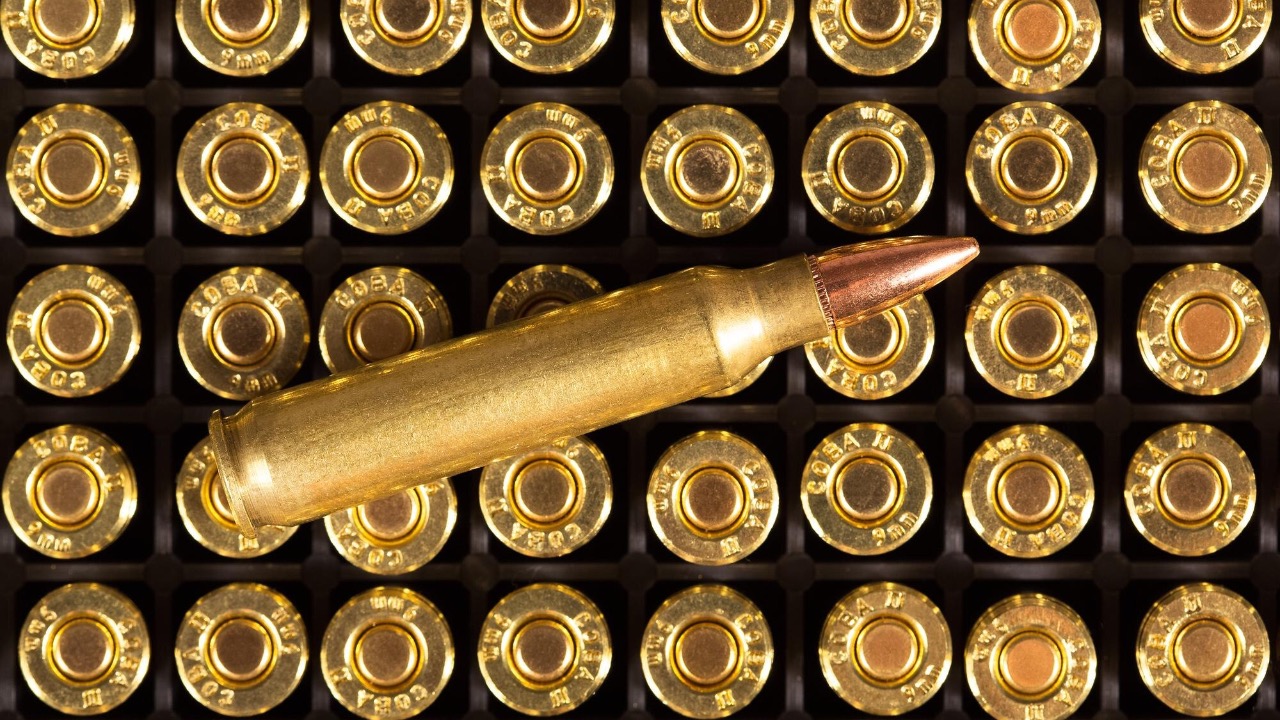
For rifles, the same logic applies, but the loads look different. A detailed rundown of defensive 5.56 notes that if you are looking for the hardest hitting round on the market, you can reach for a box of Speer Gold Dot 75 g JSP ammo, which uses a bonded soft point to hold together and penetrate while still expanding. In shotguns, the conversation shifts again, and one no nonsense explanation to a new shooter points out that Otherwise there’s not really a point to slugs for most folks unless you want to put big holes in targets for fun, which is a good reminder that buckshot, not slugs, is usually the smarter home defense choice in close quarters.
Brand, Construction, and Reliability Details That Actually Matter
Brand names on their own do not stop threats, but some companies have earned trust by building bullets that behave predictably. I look for manufacturers that publish real ballistic data and have a track record in law enforcement or hunting, like the long running lines of defensive and hunting bullets from Hornady. One seasoned carry instructor says they look for a company that has a reputation for consistent quality and bullets that expand reliably in tissue, a point laid out in a breakdown of 5 Factors to Consider When Choosing Self-Defense Ammunition. I share that bias: I would rather carry a boring, proven load from a big name than a flashy boutique round with no track record.
Construction details like case finish and primer quality also matter when you are betting your life on a magazine or two. One review of 9 mm home defense loads points out that Sig‘s nickel plated cases and quality primers ensure reliable cycling, which is crucial in a high stress defense scenario. I have seen the same thing in my own guns: slick nickel cases tend to feed and extract more smoothly, especially in compact pistols with tight chambers. When I am picking a carry load, I look at the bullet design first, then I look at whether the ammo is built like something I would trust in bad weather and dirty conditions.
Match the Ammo to Your Gun, Your Skills, and Your Environment
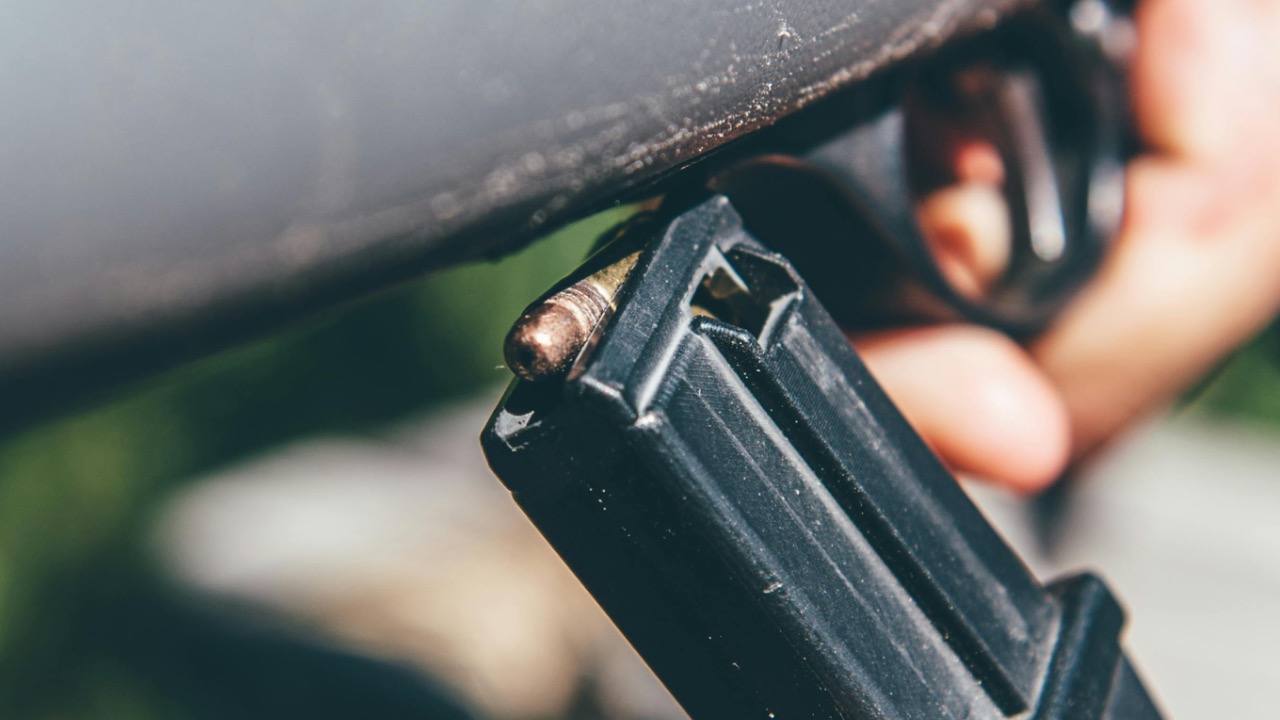
Even the best bullet on paper can fall flat if it does not run in your specific firearm. Barrel length, feed ramp geometry, and recoil springs all play a role in how a given load behaves. One practical checklist for 9 mm carry ammo stresses Barrel and weapon compatibility, urging shooters to test rounds in their gun before trusting them for carry. I do the same thing: I run at least a couple of boxes of my chosen defensive load through each pistol I carry, making sure it feeds from every magazine and locks the slide back on empty.
Environment and mission matter too. One guide to home defense ammo points out that bullet design should be chosen with your living situation in mind, and that hollow points reduce the risk of passing through walls, as laid out in the earlier Factors discussion. If I am setting up a pistol for deep concealment in public, I might favor a slightly lighter, faster load that expands reliably out of a short barrel. If I am loading a carbine for coyotes on the back forty, I might pick a bonded soft point that holds together through bone and hide. The key is to be honest about what you are actually going to do with the gun and pick ammo that fits that job.
Safety, Cost, and Training: Where to Spend Your Money
Good defensive ammo is not cheap, and that tempts some folks to cut corners with reloads or sketchy surplus. That is a bad idea. One manufacturer level safety guide flatly warns, Do not use reloaded, remanufactured, or hand loaded ammunition in defensive pistols because it may not meet SAAMI, CIP, or NATO standards and can cause malfunctions or damage. I handload for hunting and fun, but I carry factory defensive ammo that has been pressure tested and sealed, because I do not want to wonder if my pet load will light off after riding in a hot truck for a summer.
At the same time, you do not need to burn through cases of premium JHP to be prepared. One thoughtful discussion of game design mechanics notes that Conserving ammo is a core part of survival gameplay, and in the real world, I treat my defensive ammo the same way. I buy enough to function test my guns and shoot a magazine or two every few months to stay familiar, then I do the bulk of my training with cheaper FMJ that has a similar recoil impulse and point of impact. That balance keeps costs sane while still giving me confidence that the rounds in my carry gun will do their job.
Cutting Through Noise and Bad Advice
Finally, you have to filter the flood of opinions that come with any gun topic. Social media is full of half remembered myths, like the idea that hollow tips are for practice at the range, which one confused commenter floated before being corrected in a discussion of what type of bullets are suitable for self defense. Another thread on self defense ammo that will not let you down points out that one bullet can perform perfectly in one cartridge and insufficiently in another, a nuance that is spelled out in a piece on Self Defense Ammo that Won’t Let You Down. I try to separate the folks who are repeating marketing lines from the ones who are talking about actual gel tests, duty use, or hunting results.
There is also a lot of noise around exotic loads and gimmicks. One guide for new carriers reminds readers that guns are so dynamic and different that each one exhibits different strong and weak points, and that you should focus on proven designs instead of chasing every new thing, a point made in a breakdown of 5 Factors to consider. When I am sorting through options, I keep a short checklist in my head: Is this load from a reputable maker? Does it use a modern JHP or bonded soft point that has been tested in gel? Do cops or serious hunters use it? Does it run in my gun? If I can answer yes to those questions, I am comfortable loading it up and trusting it when things get loud.

Asher was raised in the woods and on the water, and it shows. He’s logged more hours behind a rifle and under a heavy pack than most men twice his age.