The XM7 is the U.S. Army’s latest rifle platform with modern features
The XM7 marks the first time in decades that the Army has overhauled its standard rifle around a new cartridge, a new operating system, and a purpose-built suppressor. It is a modern fighting rifle built to punch through tougher armor, stretch engagement distances, and give small units more control over recoil and signature than the aging M4 platform ever could. I see it as a full rifle “ecosystem” more than a single gun, and that mindset shows up in everything from the cartridge to the stock hardware.
For hunters, shooters, and gear nerds watching from the sidelines, the XM7 is also a preview of where future civilian rifles and ammo are headed. The same design ideas that drove the Army’s choice are already filtering into commercial versions, and they are going to shape what we carry in the deer woods and on the range over the next decade.
From XM5 to M7: how the Army’s new rifle came to be

The rifle the Army now calls the M7 started life as the XM5, then XM7, and traces straight back to the SIG MCX-SPEAR that won the Next Generation Squad Weapons competition. The service picked that platform to replace the M4 in close combat units, pairing it with a new 6.8 mm cartridge and a companion light machine gun. Earlier in the fielding process, units received the weapon under the XM7 label, but once it cleared testing and initial operational hurdles, the Army formally adopted it as the M7 rifle in its inventory.
That decision capped a long search for a rifle that could handle higher chamber pressures and deliver more energy on target than legacy 5.56 NATO. The Army awarded a 10 year contract to SIG Sauer to produce the XM7 rifle, the XM250 light machine gun, and associated gear, signaling that this was not a small pilot program but a generational shift in small arms. As the rifle moved from test units into line formations, the service dropped the experimental “X” and locked in the M7 designation.
What makes the XM7 a “modern” rifle platform
On paper, the XM7 looks like a contemporary AR style rifle, but the details show how far the design has moved from the M4. The gun is built around a short stroke gas piston system, a fully adjustable stock, and ambidextrous controls that let right and left handed shooters run it without awkward workarounds. It also ships with a suppressor as standard equipment, which changes how soldiers manage flash, blast, and communication in tight spaces.
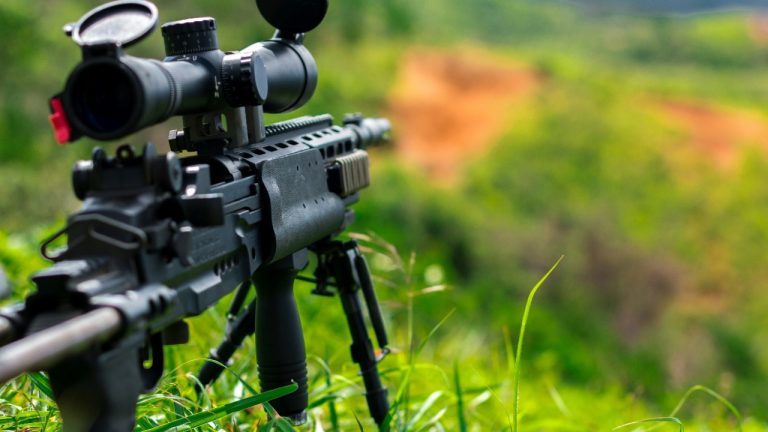
The rifle is based on the MCX Spear design from Sig Sauer, with a 13 inch barrel and both standard and left side non reciprocating charging handles that give shooters more options for manipulations around cover. That MCX lineage brings a monolithic upper, free floated barrel, and a layout that is already familiar to many civilian shooters who have run earlier MCX variants. In practical terms, the XM7 is built like the kind of rifle many of us have been piecing together in the custom market for years, only tuned for a much hotter cartridge.
Design details: weight, magazines, and ergonomics
One of the first things anyone notices when they pick up an XM7 is that it is heavier than an M4, especially once you hang glass and a suppressor on it. The core rifle weighs 8.38 lb (3.80 kg), and that figure climbs to 9.84 lb (4.46 kg) with the issued suppressor attached, according to the Army’s own design data. That extra mass helps soak up recoil from the 6.8 mm round, but it also changes how the gun carries on a sling and how quickly a soldier can snap between targets.
The M7 uses SR 25 pattern magazines rather than the lighter aluminum 5.56 mags troops are used to, which adds more weight but is necessary for the larger cartridge. The rifle feeds from a 20 round box SR 25 pattern magazine, a detail spelled out in the design description, and that capacity is a tradeoff the Army accepted in exchange for more energy per shot. From an ergonomics standpoint, the controls, stock, and rail space feel familiar to anyone who has run a modern AR 10 style gun, which should ease the learning curve for soldiers and for civilian shooters who eventually pick up the commercial cousins.
The 6.8 mm cartridge and the NGSW ecosystem
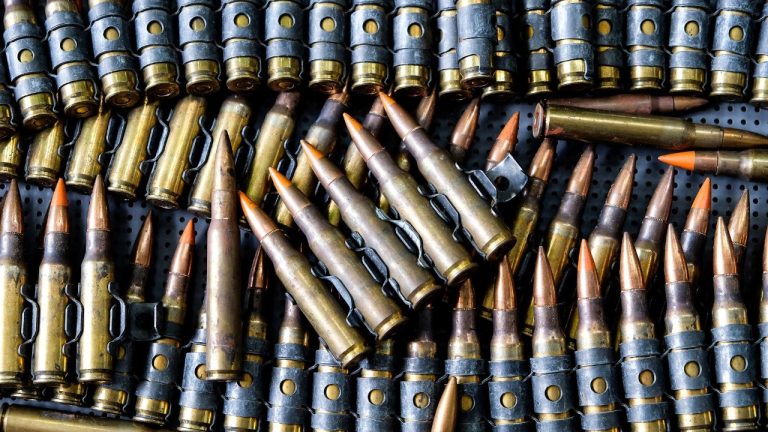
The XM7 is not just a new rifle, it is the centerpiece of a broader Next Generation Squad Weapons ecosystem built around a new 6.8 mm cartridge. The Army wanted a round that could defeat modern body armor at longer ranges than 5.56 NATO, and that meant higher pressures and more efficient bullets. The rifle, the light machine gun, and the suppressors were all selected together so they could handle that pressure and deliver consistent performance in the field.
At the heart of that system is The SIG FURY Hybrid Ammunition, a 6.8 Common Cartridge that uses a hybrid case to manage very high chamber pressures while keeping weight reasonable. The Army folded the XM7, the XM250, and SIG SLX Suppressors into the same package so that the weapons, ammo, and muzzle devices all work together to deliver higher target energy in lighter weapons than older 7.62 NATO systems. That kind of system level thinking is what separates this program from past one off rifle upgrades.
Fielding to combat units and early soldier feedback
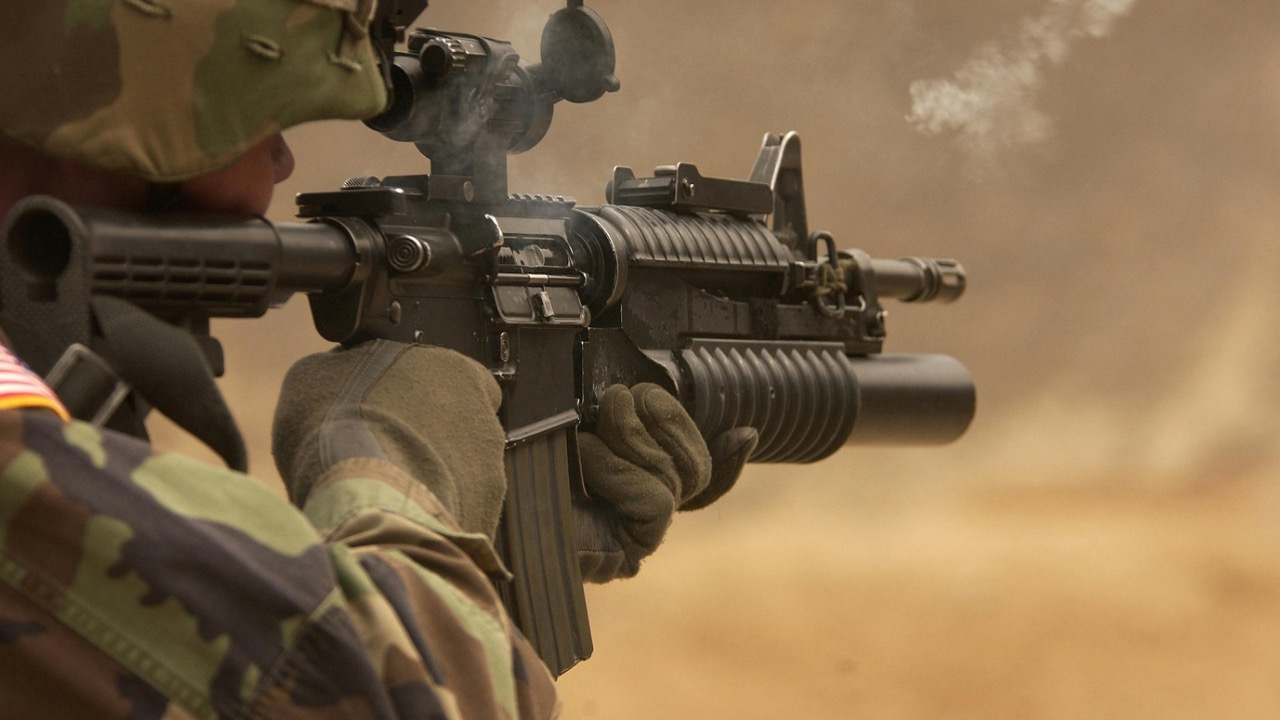
Once the contract was in place and test guns had run through the usual trials, the Army started pushing XM7 rifles into line units. One of the first formations to receive them was 1st Battalion, 506th Infantry Regiment, which began fielding the weapon as part of the service’s plan to equip close combat forces first. By the time the rifle shed its experimental label and became the M7, it was already in the hands of soldiers who were putting it through live fire and maneuver training.
That early fielding is documented in Army records that note how 1st Battalion, 506th Infantry began receiving the XM7 while the rifle was still technically in limited service. From what I have seen and heard, troops appreciate the controllability and the way the suppressor tames blast, but they also feel the weight and bulk compared to the M4. That mix of enthusiasm and complaint is normal whenever a service rolls out a new primary weapon.
Controversy, criticism, and the Army’s response
No major weapons program rolls out without friction, and the XM7 has already drawn its share of criticism from inside the ranks. One Army captain publicly argued that the rifle was “unfit,” pointing to concerns about weight, reliability, and the practicality of the new cartridge for all environments. That critique tapped into a broader debate about whether the service should have doubled down on 5.56 improvements or moved to a heavier hitting round.
The Army has pushed back on those claims, stressing that the XM7 is one part of the Next Generation Squad Weapons family and that the full NGSW package delivers improved performance and reduced weight at the squad level when you factor in the XM250 and new ammo. At the same time, the service has continued to refine sustainment plans and training, and it has given the rifle its formal seal of approval despite ongoing debate. One report framed this as Rifle Gets Army Seal Of Approval Despite Controversy, which captures the tension between critics and the institution that has to field and sustain the weapon over the long haul.
Armor, lethality, and what the XM7 means for protection
One of the main reasons the Army chased a new rifle and cartridge was the steady improvement in body armor around the world. Plates that could shrug off 5.56 NATO at typical combat distances were becoming more common, and that forced planners to look at higher energy rounds that could punch through. The XM7 and its 6.8 mm cartridge are meant to give infantry a better chance of defeating that armor while still carrying a manageable load.
That shift has ripple effects for armor makers and for anyone who thinks about survivability on the battlefield. Analysts looking at the program have framed the XM7 as the New Service Rifle under the NSGW Program, noting that it forces armor designers to rethink materials and thickness to handle the higher impact energy. For civilians, that same arms race will shape what level of plate you buy for a personal carrier and what kind of rifle you might want for hunting larger game at extended ranges.
Civilian cousins: MCX-SPEAR and commercial specs
Any time the Army picks a new rifle, civilian shooters start asking when they can get something similar. In this case, the answer came quickly, because the XM7 is built on a platform that already had a commercial footprint. Sig has been selling MCX rifles for years, and it moved fast to bring a version of the Spear to the broader market once the Army made its choice.
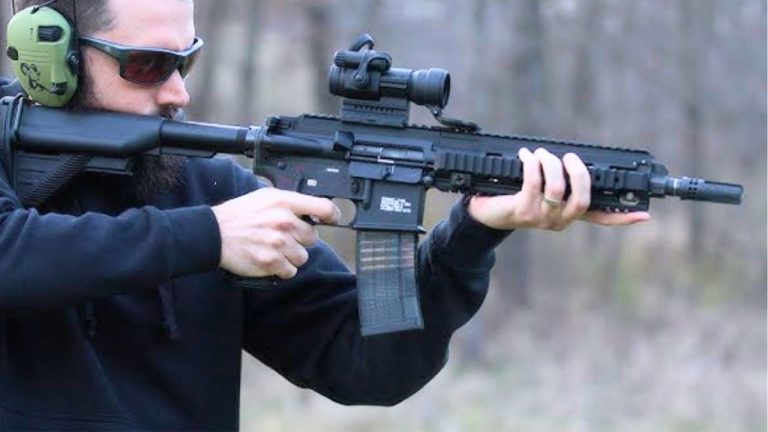
The SIG Sauer MCX-SPEAR Rifle Hits Civilian Market with features like a Matchlite Duo trigger, two stage gas piston system, and the same general ergonomics as the military gun. Another breakdown of the SIG MCX SPEAR Specifications lists caliber as 7.62, with overall length around 38.3 inches and weight about 9.2 lbs in one configuration, which puts it in the same ballpark as the service rifle once you account for barrel length and accessories. For hunters and long range shooters, those numbers mean a rifle that carries like a traditional .308 battle rifle but with the ergonomics of a modern AR.
How the XM7 actually shoots: handling and range impressions
Specs on a page only tell part of the story. What matters to most shooters is how the rifle feels when you run it through drills or stretch it out on steel. The XM7’s short stroke piston, adjustable gas, and suppressor friendly design all aim to keep recoil manageable and the gun flat in rapid fire, even with a hotter cartridge than 5.56. In my experience with similar setups, that combination can make a heavier rifle feel surprisingly quick from shot to shot.
We have already seen shooters put the MCX-SPEAR and XM7 style rifles through their paces on camera, including one segment where Jay runs an MCX based gun and talks through charging, recoil, and handling. Another overview of XM7 performance notes that the rifle uses a gas operated, rotating bolt system and packs in a host of upgrades that set it apart from the M4, including better suppression and more effective range, as laid out in a Dec analysis of XM7 specs. Put together, those impressions line up with what soldiers are reporting in training: more punch, more weight, and a rifle that rewards good fundamentals.
What the XM7 signals for the future of American rifles
Looking at the XM7 as a hunter and shooter, I see a clear signal about where American rifle design is headed. Higher pressure cartridges like 6.8, hybrid cases, and suppressor ready barrels are not niche features anymore, they are becoming baseline expectations. The Army’s choice to field a suppressed, piston driven rifle with ambidextrous controls will nudge the civilian market even further in that direction, especially as more MCX variants and similar guns show up on shelves.
On the military side, the XM7 and its NGSW stablemates will shape training, logistics, and tactics for a generation of soldiers who have never known anything but the M4. On the civilian side, the same ideas are already filtering into hunting rifles, precision rigs, and even budget AR builds. The The SIG SAUER family of rifles has become a kind of proving ground for those concepts, and the XM7 is the highest profile example yet of how that design language can scale from a gun shop counter to the standard rifle of the U.S. Army.

Asher was raised in the woods and on the water, and it shows. He’s logged more hours behind a rifle and under a heavy pack than most men twice his age.