Why cheap ammo can cost you more in the long run
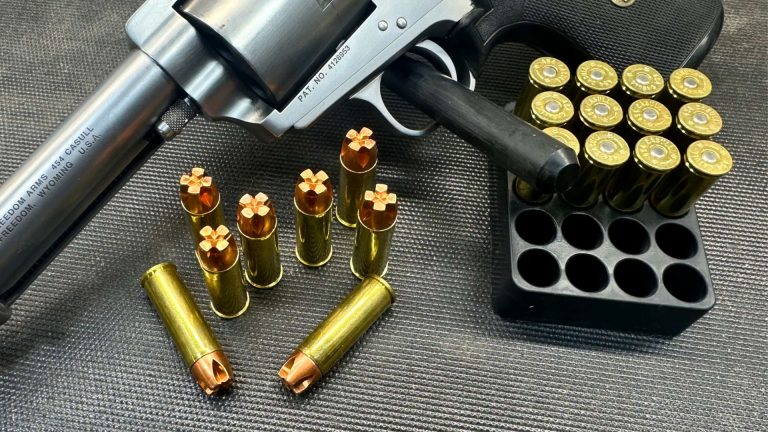
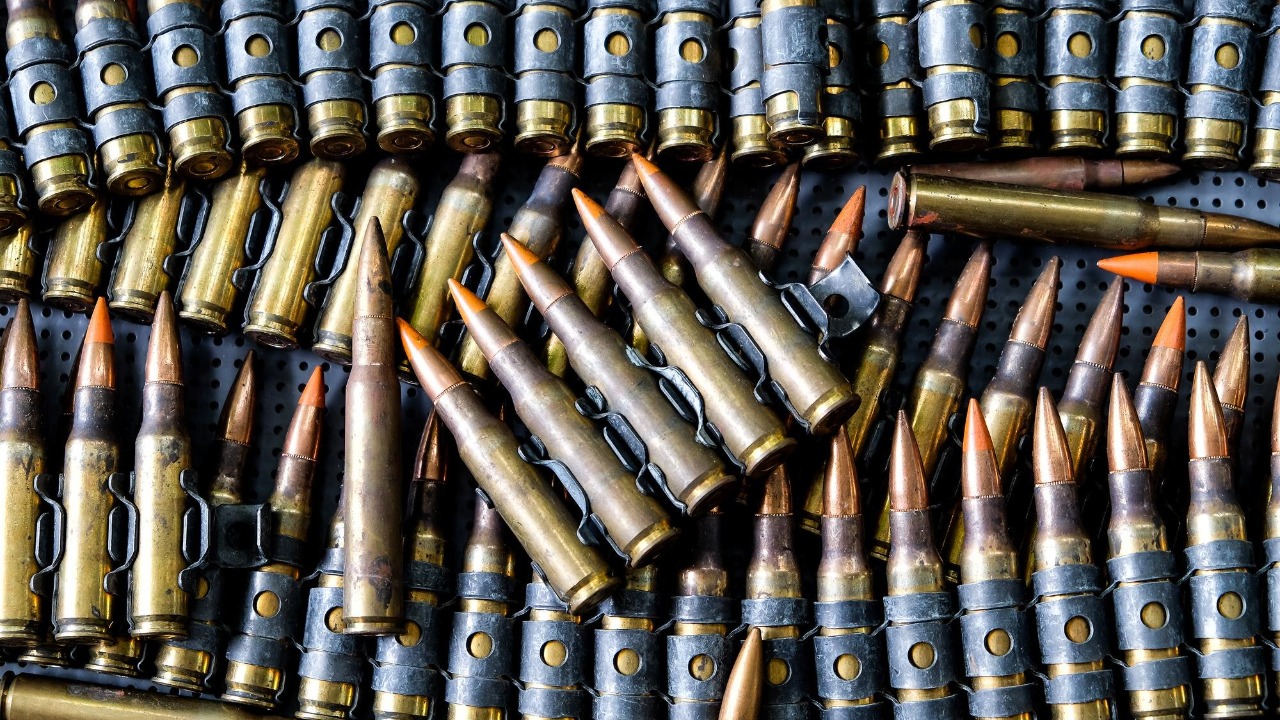
Sticker shock at the ammo counter pushes a lot of shooters toward the lowest price per round, especially when they are trying to train more or feed multiple calibers. The catch is that the cheapest box on the shelf can quietly drive up your costs in broken parts, unreliable performance, and wasted range time. Over months and years, the “deal” ammo that looks so attractive on a receipt can end up costing far more than buying better cartridges from the start.
When I look at how ammunition interacts with a firearm, the pattern is clear: quality control, consistency, and proper specifications are not luxuries, they are the foundation of both safety and long term value. From Safety Considerations to repair bills and even future price hikes, the real question is not whether cheap ammo saves you money today, but how much it might drain from your wallet over the life of your gun.
Cheap ammo, real safety risks
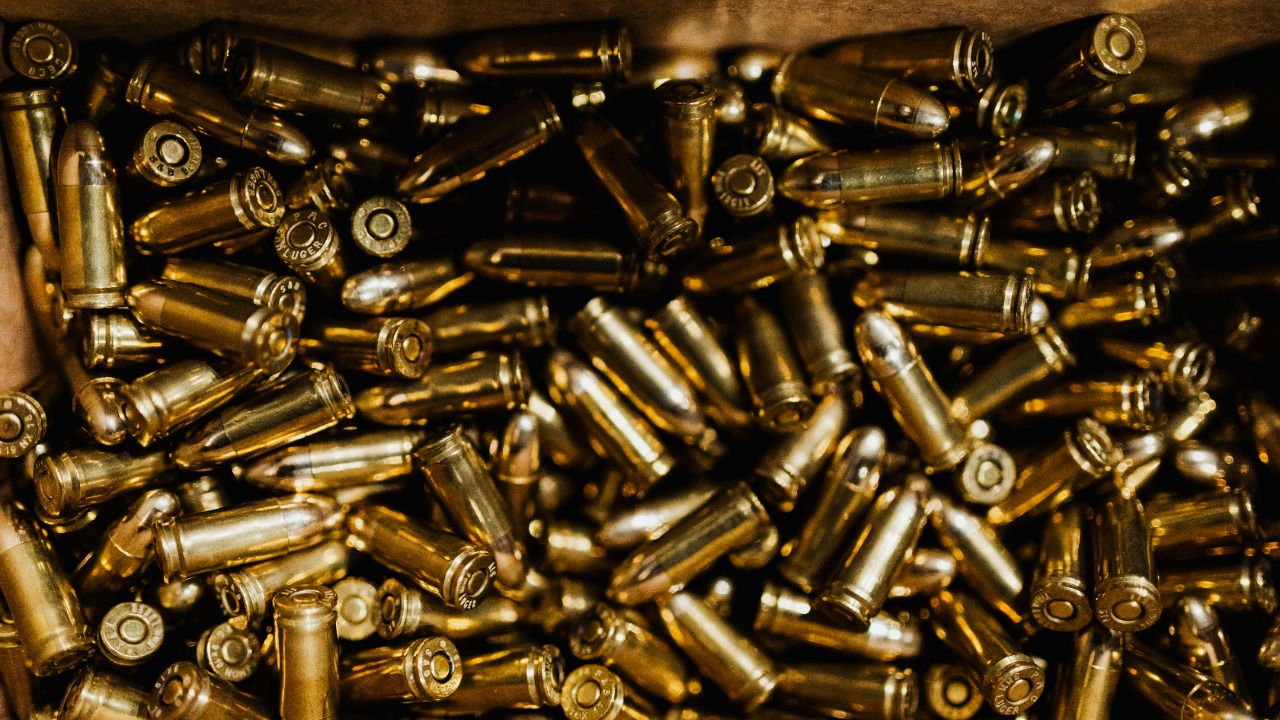
The most serious hidden cost of bargain cartridges is the risk they pose to you and your firearm. When Ammunition does not meet proper spec, pressures and dimensions can vary enough to create dangerous conditions in the chamber and barrel, which is why detailed guidance on Safety Considerations stresses that Quality ammunition is not just about tight groups. If a round is underpowered, it may fail to cycle or leave a projectile lodged in the bore, setting up a catastrophic failure when the next shot is fired into an obstructed barrel.
Those problems are not always obvious on the first magazine, which is what makes them so insidious. Long term use of out of spec cartridges can create subtle damage that only shows up later as cracked lugs, battered locking surfaces, or a barrel that suddenly loses accuracy, and the section on Long term Reliability Impacts notes that Prolonged exposure to poor quality loads can erode performance even when each individual shot seems uneventful. When a single overpressure or squib round can destroy a gun or injure a shooter, the small savings per box start to look like a bad bet.
Malfunctions, jams, and the price of lost confidence
Even when cheap cartridges do not blow anything up, they are far more likely to choke your firearm at the worst possible time. Detailed breakdowns of Ammunition Issues explain that using low quality ammo leaves residue that can gum up moving parts, cause a failure to feed, or cause a delayed ignition, and that these problems sit alongside other factors like From Quality to Compatibility in the list of top reasons guns jam, which is why Ammunition Issues are treated as a primary culprit. When every third magazine brings a stovepipe or light strike, you are not just burning cheap rounds, you are burning range time clearing stoppages instead of building skill.
That pattern shows up in user experiences as well as technical write ups. In one Jun thread on Testing and Personal Preference, shooters dissect the tradeoffs of running Wolf Ammunition, noting Cons like its Steel cases being harder on extractors and leaving the gun dirtier, which is why some users on Wolf Ammunition threads accept it only as a training compromise. Others in a separate Oct discussion in a Comments Section argue that Your gun may simply not like certain casings or primers, and that while some budget loads can work, they often demand more frequent cleaning and troubleshooting, as reflected in the advice shared on Your handgun practice choices. Every malfunction erodes trust in your equipment, and rebuilding that confidence often means spending more money on diagnostics, gunsmith visits, and better ammo later.
Hidden wear and tear on your firearm
Cheap cartridges do not just dirty a gun, they can grind it down faster than many shooters realize. Technical comparisons of good and Bad Ammunition point out that Bad rounds often have improperly seated primers, inconsistent powder charges, or out of spec bullets that batter internal parts instead of gliding through them, which is why Bad Ammunition is flagged as unsafe and unreliable. Over time, those small defects translate into peened feed ramps, chipped extractors, and accelerated throat erosion, all of which shorten the service life of barrels and bolts that are far more expensive to replace than a few cases of better ammo.
Manufacturers that specialize in diagnosing firearm damage are blunt about the role of bargain cartridges. One detailed guide on How Ammunition Quality Affects Firearm Health notes that cheap low quality ammo can cause excessive fouling, extractor wear, and firearm damage, contrasting each Factor between High and Quality Ammo and Cheap alternatives in a side by side table, which is why How Ammunition Quality Affects Firearm Health is framed as a long term maintenance issue. Another warning from a retailer that sees broken guns on the bench every week is that Cheap ammo is more likely to have catastrophic failures that can damage slides, frames, and barrels, and that the risk of a destroyed firearm or injury is simply not worth the few dollars saved, a point driven home in their analysis of Cheap cartridges. When a single broken extractor or cracked barrel can cost as much as several hundred rounds of premium ammo, the math on “saving” with the lowest bidder starts to flip.
Accuracy, consistency, and the cost of wasted training
For anyone who cares about hitting what they aim at, the quality of the Projectile, powder, and assembly matters as much as the firearm itself. In a Sep discussion, one shooter named Dorzack boils the difference between cheap and expensive ammo down to Projectile used and amount of quality control, noting that Lead free ammo required for hunting in California often costs more because it uses better components and stricter inspection, and that they personally stay away from the reloaded crap, a sentiment captured in the Dorzack exchange. When bullet weight, jacket thickness, and powder charge vary from round to round, your groups open up, your zero wanders, and you end up chasing problems that are in the ammo, not the rifle.
That inconsistency is exactly what many budget lines deliver. Detailed breakdowns of common issues with bargain cartridges list Inconsistent Shots and Accuracy as a hallmark of Cheap off brand loads, explaining that they can throw flyers, shift point of impact, and undermine confidence in your sights, which is why one analysis titled Here are some of the common issues associated with budget ammunition warns that you may spend more time and money trying to diagnose accuracy problems that disappear the moment you switch to better rounds, as outlined in the overview of Inconsistent Shots and Accuracy. The same source argues in a section called The Real Value Behind Quality Ammunition that When you choose top quality ammo, you are paying for predictable trajectories and reliable ignition, and that while bargain ammo might seem like a smart way to stretch your budget, it can lead to malfunctions, damage, or even injury to the shooter, a warning underscored in the discussion of The Real Value Behind Quality Ammunition. Every flier and malfunction in training is a rep you cannot trust, and rebuilding that skill later often means buying more ammo and spending more time on the line than if you had started with consistent loads.
When “cheap” pricing is a mirage
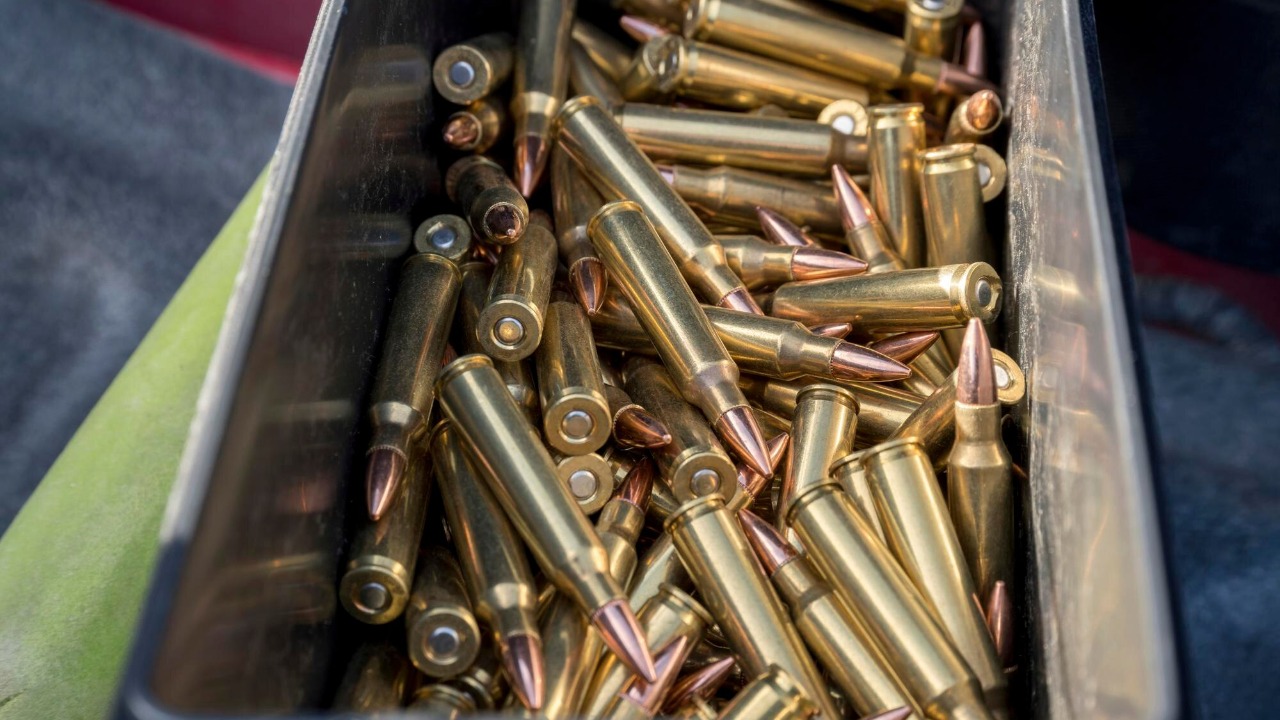
Even before a round is fired, the economics of bargain ammo are more complicated than a price tag on the shelf. Industry watchers tracking why ammunition remains expensive after the Covid era shortages note that while some costs have eased, structural pressures in primers, brass, and other inputs keep prices elevated in some segments of the market, which is why a detailed breakdown of current conditions explains that the sky high cost of ammunition during the Covid pandemic has not fully unwound and that some segments of the market remain stubbornly high, as outlined in the analysis of Covid era pricing. In that environment, a box that looks dramatically cheaper than its peers often reflects corners cut in components or quality control rather than some magical efficiency.
Retailers are candid that Sometimes those eye catching deals are loss leaders sold below cost, or that they jack up the shipping to make up for the cheaper ammo, a tactic spelled out in a pricing explainer that notes Sometimes the cheapest advertised price is not the lowest total bill once freight and fees are added, as detailed in the breakdown of Sometimes misleading bargains. Bulk surplus sellers add another wrinkle, warning that While surplus ammunition can often offer shooters rock bottom prices, poor craftsmanship and components of inferior quality can cause excessive fouling and premature wear and tear on your firearm, a tradeoff spelled out in their description of While surplus 9 mm. Once you factor in shipping tricks, cleaning supplies, and accelerated maintenance, the “cheapest” option often stops being the best value.
Rising prices and why planning beats panic buying
Looking ahead, the pressure on ammunition prices is not going away, which makes smart buying even more important. Analysts examining the 2026 ammunition outlook note that over the past several years, manufacturers have faced persistent constraints in primers and upstream raw materials, and that these bottlenecks help explain why recovery timelines in this sector tend to be measured in years rather than months, as laid out in the forecast of Dec supply conditions. Shooters discussing these trends in a Dec thread titled Hey gang, I came across this quite helpful article on anticipated supply chain and demand challenges, warn that all you the individual shooter can really do is budget, buy steadily, and avoid getting caught in the next panic, advice that surfaces repeatedly in the Hey conversation.
Manufacturers are already signaling that higher prices are coming. In EAST ALTON, IL, Winchester Ammunition has notified customers of a planned price increase of 3% to 8% on all ammunition, according to a customer letter that has circulated ahead of the change, a move detailed in the report on EAST ALTON pricing. At the same time, cartridge specific reviews point out that As for cost, you can find .30/06 fodder as cheap as 50-cents per round, but that such deals are often limited and tied to particular loads, as noted in the As for overview of .30-06 Springfield. In a world where baseline prices are drifting up, the temptation to grab the absolute cheapest option will only grow, which makes it even more important to understand the long term costs hidden inside that bargain box.
Maintenance, malfunctions, and smarter ways to save
One of the most overlooked costs of running dirty, inconsistent ammo is the extra maintenance it demands. Guides on Why Gun Maintenance Matters remind shooters that Firearms are mechanical devices with multiple moving parts that must work together to ensure performance when you need it most, and that regular cleaning and inspection are non negotiable for reliability, as explained in the overview of Why Gun Maintenance Matters. When low grade ammo leaves extra fouling and unburned powder in every crevice, you either spend more time and money on cleaning supplies or you accept a higher risk of stoppages and corrosion, both of which eat into any savings at the register.
Malfunction statistics reinforce that point. One of the most common reasons for firearms malfunctions is ammunition related problems, with Ammunition Issues like old or damaged cartridges, improper storage, and poor quality control all singled out as major contributors, a pattern highlighted in the breakdown that begins with Aug Ammunition Issues. Another technical explainer on why guns malfunction notes that These rounds are typically manufactured to very poor standards or no standards at all, and that They will cause malfunctions and can even be considered dangerous, a blunt assessment in the discussion of They substandard ammo. For competitive shooters, the smarter play is often to trim costs elsewhere: one set of Money Saving Suggestions notes that While in years past there was nothing to choose in between plinking and hunting ammo and $14 per box match grade, today there are mid tier options that offer near match performance without the premium price, a strategy outlined in the While guidance for serious shooters.
Balancing budget and reliability at the checkout counter
For most gun owners, the real challenge is not choosing between the most expensive boutique load and the sketchiest surplus, it is finding the point where cost and reliability meet. Practical buying guides suggest that if you go with low end rounds, you will likely experience more jams and misfires than you would with higher quality ammo, so you are faced with a balancing act between price and performance, a tradeoff spelled out in the advice on If you go with low end rounds. That balance will look different for a casual plinker than for someone who carries daily or hunts big game, but in every case, the cost of a malfunction in a critical moment is far higher than the few cents saved per trigger pull.
Community discussions and technical data both point toward the same strategy: buy the best ammo you can reasonably afford for any role where reliability matters, and reserve the truly cheap stuff, if you use it at all, for controlled range sessions where a malfunction is just an inconvenience. As one training focused thread in the Comments Section puts it, the goal is not to obsess over doing right vs wrong, but to understand what you are trading when you choose the lowest bidder, a nuance that surfaces repeatedly in the Comments Section debate. In a market where prices are rising and quality gaps are widening, the cheapest ammo on the shelf is rarely the least expensive choice once you count the cost of malfunctions, repairs, and the training time you cannot get back.

Leo’s been tracking game and tuning gear since he could stand upright. He’s sharp, driven, and knows how to keep things running when conditions turn.