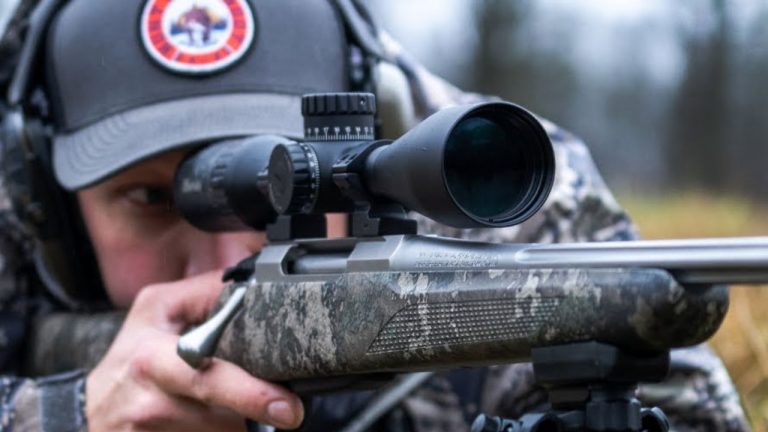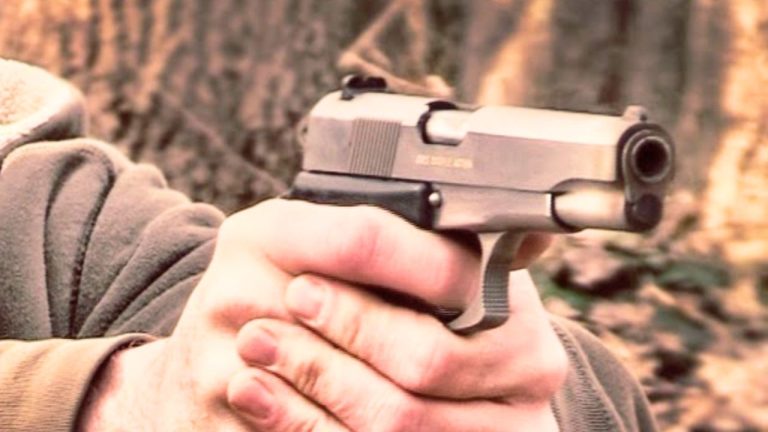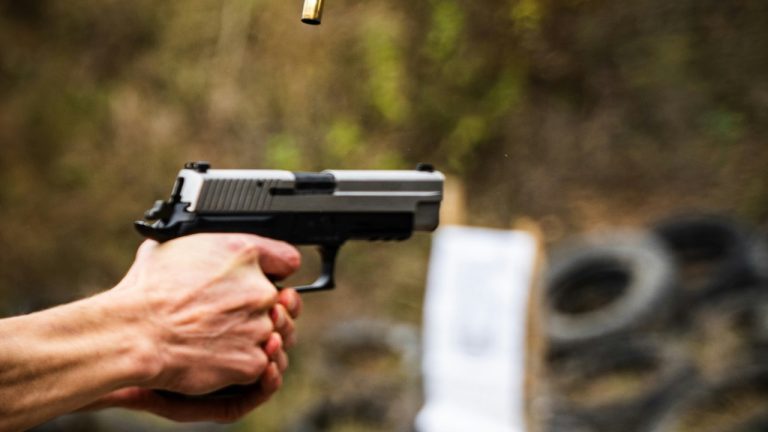
Hunting rifles built to last
Hunters talk about “heirloom rifles” for a reason. In the field, a rifle that shrugs off bad weather, holds zero season after season, and still cycles smoothly after thousands of rounds is more than a tool, it is a long term partner. When I look at modern designs and classic workhorses side by side, the rifles that truly feel built to last share a few consistent traits in their actions, materials, and real world track records.
Durable hunting rifles are not just about nostalgia or pretty walnut. They are about smart engineering, proven platforms, and components that resist rust, abuse, and neglect without giving up accuracy. From stainless barrels and synthetic stocks to time tested bolt actions like the Remington 700 pattern, the market is full of options that can realistically serve one hunter for decades and still be ready for the next generation.
What “built to last” really means in a hunting rifle
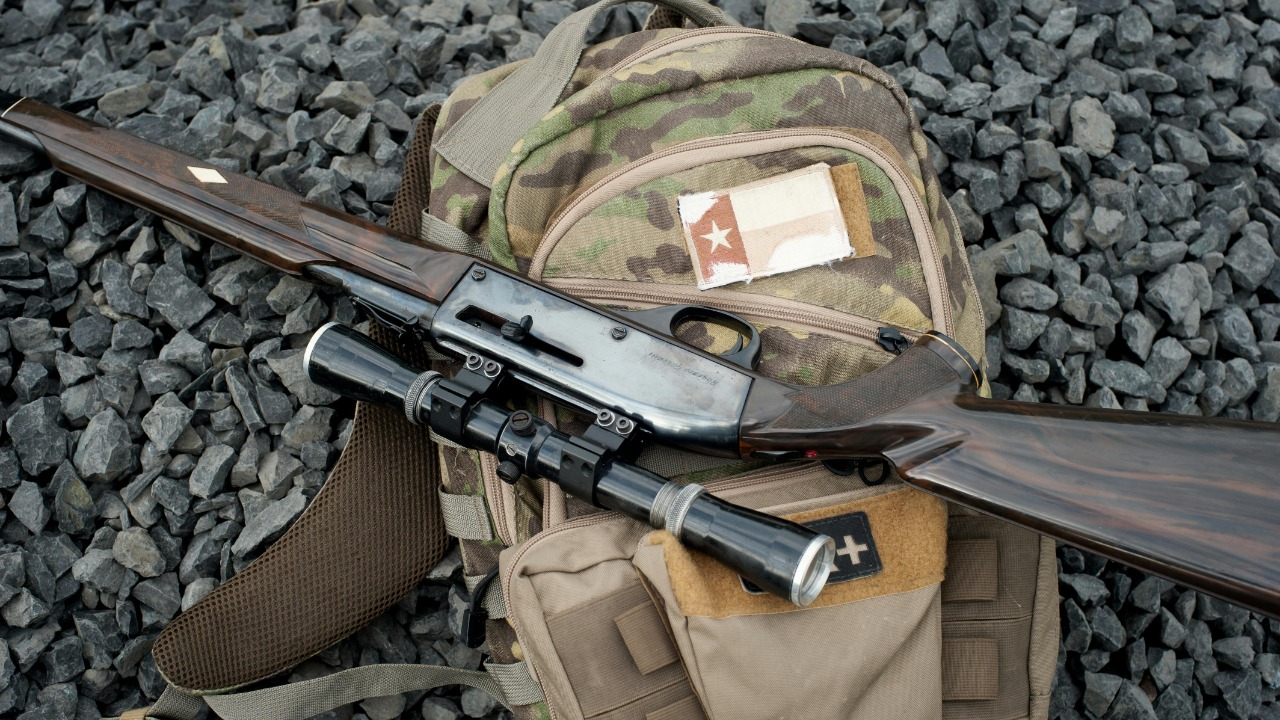
Longevity in a hunting rifle starts with durability, but it does not end there. A rifle that survives a fall down a shale slope yet loses its zero is not truly reliable, and one that groups well on the bench but rusts after a wet week in elk country is not either. I look for designs that combine rugged materials, stable accuracy, and user friendly maintenance so the rifle can handle years of hard use without becoming finicky or fragile.
That blend of toughness and consistency is exactly how experienced hunters describe a good rifle. One detailed breakdown of what makes a solid field gun stresses that a serious hunting arm should be Durable, with weather resistant components like polymer or carbon fiber stocks and corrosion resistant metalwork that keep functioning in the most extreme conditions. Another long range focused guide frames it similarly, arguing that Durability and Material Quality are central because long range hunting exposes rifles to harsh environments and high round counts, so robust construction and quality finishes directly enhance longevity and reliability in the field.
Actions and platforms with proven lifespans
When I evaluate whether a rifle is likely to last, I start with the action. Bolt actions dominate this conversation because their simple, rigid design tends to tolerate abuse and still feed, fire, and extract reliably. A detailed guide to bolt guns points out that The Remington 700 is one of the most popular options on the market, in large part because its basic pattern has been refined for decades, with a huge range of configurations and aftermarket support that let hunters tailor the rifle to their game and personal fit. That kind of ecosystem matters, because a platform with widely available triggers, stocks, and barrels can be refreshed instead of replaced.
Other overbuilt actions have earned similar reputations. A rundown of classic workhorses over the Last 50 years highlights the CZ 550 Safari Magnum, noting the Safari Magnum chambered in heavy calibers like 550 class dangerous game rounds, and also calls out the Ruger American Rifle as a modern budget friendly design that still delivers reliable performance. That same Remington lineage shows up again in a list of top all purpose hunting guns, where the Remington Model 700 is described as so ubiquitous that no list of the best rifles feels complete without it, precisely because its action has proven adaptable to countless hunting situations.
Barrels and stocks that survive weather and time
Even the strongest action will not carry a rifle through decades of use if the barrel and stock are weak links. Barrel material and length both influence how a rifle ages. A technical overview of barrel construction notes that when you ask What Materials Are Rifle Barrels Made Of, the answer is usually steel, with stainless steel highlighted as stronger than standard carbon steel and more resistant to corrosion, which is why many competition rifles use stainless steel for consistent performance over long service lives. A separate deep dive into building a long term hunting setup emphasizes the barrel as the heart of the system, explaining in a section titled The Barrel, Precision and Performance that for big game, a length of 22 to 26 inches balances velocity and handling, and that high quality makers like Hart Rifle Barrels are focusing on consistency and precision that hold up over time.
Stocks are just as critical for longevity, because they determine how well the rifle resists moisture, temperature swings, and rough handling. A detailed stock material comparison opens with an Introduction to What Makes the Best Rifle Stock and asks, very directly, Are you confused about what material makes for the best rifle stock, before walking through the tradeoffs between traditional wood, fiberglass, and modern composites. The analysis stresses that it is important not to underestimate how much a stable, weather resistant stock contributes to accuracy and durability, since swelling or warping can shift point of impact and shorten the useful life of the rifle in real hunting conditions.
Modern rifles engineered for decades of use
Some of the most durable rifles on the market today are not the most expensive, but they are engineered from the start to handle rough treatment. One detailed accuracy test of current production guns singles out the Ruger American Gen II and notes that a Ruger American Predator is, by far, one of the most accurate guns available at a bargain price, describing the Predator as a very accurate one that still comes in at a cost that encourages hard use rather than safe queen treatment. That same family of rifles appears again in a rundown of new models, where a section on the Top Ten new rifles for 2025 explains that The Ruger American Gen II keeps the familiar feel of the original while updating features, a sign that the manufacturer is iterating on a proven, durable platform rather than chasing short lived trends.
Other makers are building rifles specifically marketed for harsh environments. Bergara’s B-14 line is a good example, with the company describing its B-14 WILDERNESS SERIES as Bridging the gap between the B-14 and Premier Series, and positioning the Wilderness Series as designed with the features and coatings needed to withstand these conditions. That kind of focus on sealing, finishes, and rugged stocks is exactly what matters when a rifle is expected to ride in a scabbard, bang around in a truck, and still print tight groups after years of abuse. Ruger itself leans into this ethos across its catalog, with the company’s main portal highlighting a broad lineup of hunting rifles under the Ruger name that share common design cues like robust actions, corrosion resistant finishes, and user friendly ergonomics.
Calibers, cartridges, and the “buy it for life” mindset
A rifle that lasts mechanically is only half the equation, because a truly long term choice also depends on ammunition that will remain available and effective. That is why so many experienced hunters gravitate toward classic mid bore cartridges. In a long form test of current hunting rifles, one reviewer notes that they evaluated 60 rifles to identify the best performers and specifically calls out a budget friendly option, explaining that Under $600 the CVA Cascade stands out, while also warning readers with the phrase What many people do not know about this price range is that careful selection is needed to avoid junk. That kind of testing reinforces the idea that a well built rifle in a mainstream chambering can deliver long term value without a premium price tag.
The same logic shows up in enthusiast communities that focus on gear meant to last a lifetime. In one widely shared discussion about a hunting rifle to “buy it for many lifetimes,” a commenter compares different actions and safety systems, mentioning that Tikka required the safety to be off to cycle the bolt, which they rejected, and then adds that they would choose a . 308 over 3 other options because of its balance of recoil, effectiveness, and ammunition availability. That specific reference to 308 is telling, since cartridges like .308 Winchester, .30-06, and 6.5 Creedmoor have deep support from manufacturers and are likely to remain easy to feed for decades, making them smart choices for rifles meant to be handed down.
Accuracy, ergonomics, and the test of time
Durability is meaningless if a rifle will not shoot straight, and the most respected long term platforms tend to be those that combine rugged construction with repeatable accuracy. A comprehensive test of deer rifles highlights this balance, naming the Wilson Combat NULA Model 20 Bolt Action Centerfire Rifle as the Best Overall pick in a list of F&S Top Picks, and noting that the Wilson Combat NULA Model 20 Bolt Action Centerfire Rifle is available through outlets like Palmetto State Armoryse. That same rundown of the Best deer rifles, which appears again in a more general Best Hunting Rifles overview, underscores that a well designed bolt action with quality components can deliver both precision and field reliability.
Independent accuracy testing of factory rifles reinforces this pattern. One list of the most precise production guns ever evaluated includes the Seekins Precision Havak Pro Hunter Rifle, noting that it was tested with a trigger breaking at 2 pounds 5 ounces and still delivered outstanding groups. Another accuracy focused review of hunting rifles points out that the In the world of bolt guns there are a few insanely popular models everyone seems to jump to buy, precisely because they combine user friendly ergonomics with consistent performance. When a rifle is comfortable to shoot, easy to run under stress, and predictably accurate, hunters are more likely to keep it, maintain it, and pass it on.
Long range, specialty builds, and future proof choices
Some hunters now expect their rifles to perform at distances that were once reserved for target ranges, and that shift has influenced what “built to last” looks like in newer designs. A detailed look at long range capable rifles highlights Tikka as a standout, noting that Tikka is Manufactured by the Finnish rifle powerhouse Sako and that models like the T3x are also available left handed, which broadens their appeal and ensures a larger user base to support parts and service. That same long range perspective shows up in the earlier discussion of durable materials, where stainless barrels, rigid stocks, and quality optics mounting surfaces are treated as non negotiable for rifles expected to hold zero at extended distances.
Specialized hunting rifles are also evolving to meet changing expectations without sacrificing longevity. A list of the 9 Best Hunting Rifles in 2025, which explicitly states that the author tested 60 rifles to find the best, notes that around $750 the Tikka T3x Superlite is a standout and cautions buyers to be Careful to Avoid the Junk in crowded price brackets, reinforcing that not every new model is built with the same long term mindset. At the same time, a separate overview of bolt actions reminds readers that Jul is not just about calendar timing but about how, in the world of firearms, and especially bolt guns, there are a few designs that have become benchmarks because they keep delivering season after season. When I look across these reports, the rifles that truly feel future proof are the ones that pair classic, serviceable actions with modern materials and thoughtful ergonomics, giving hunters confidence that their investment will still make sense decades from now.

Leo’s been tracking game and tuning gear since he could stand upright. He’s sharp, driven, and knows how to keep things running when conditions turn.