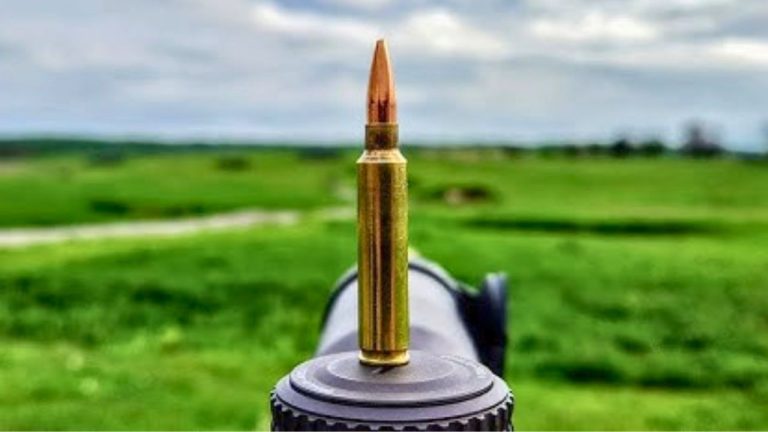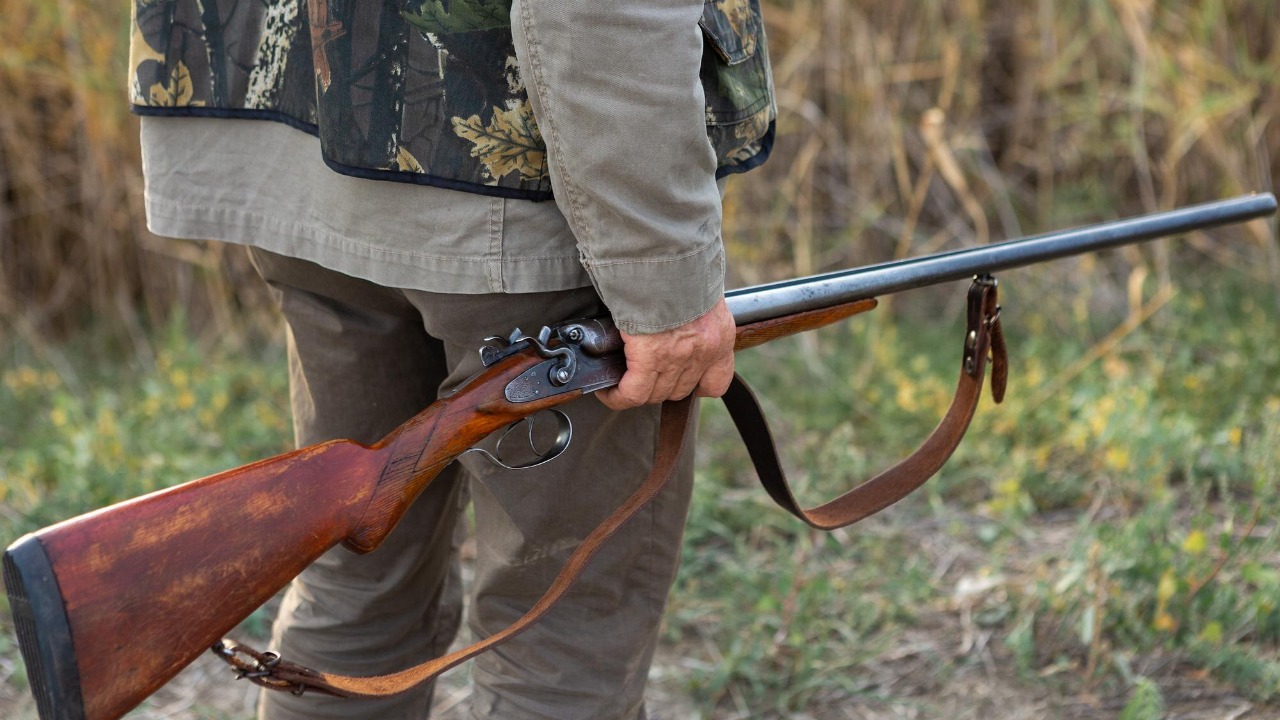
Rifles that don’t fade with age
Some rifles do not just survive the decades, they improve with them. The firearms that truly do not fade with age are built, maintained, and used in ways that echo other buy‑it‑for‑life objects, from hand tools to cast iron cookware, where durability and repairability matter more than novelty.
When I look at rifles that stay relevant across generations, I see the same pattern: smart material choices, conservative engineering, and owners who treat them more like infrastructure than fashion. The result is hardware that can be handed down like a well‑kept wrench set or a seasoned skillet, still ready to work.
What “ageless” really means for a rifle

For a rifle, aging well is less about looking pristine and more about holding zero, cycling reliably, and staying safe after thousands of rounds. A stock might pick up dings and a blued barrel might thin, but if the action locks up tight and the bore is sharp, the rifle has effectively outrun the product cycle that pushes newer models every few years. In that sense, longevity is a performance metric, not a cosmetic one.
I think of these rifles the way I think of serious workshop gear. Good equipment is expected to last through multiple owners, not just one warranty period, and it is judged by how little drama it adds to the job. That is the same standard applied to Hand tools Good quality hand tools, which are described as capable of serving for a couple of generations when built with the right steel and reinforced handles. Rifles that age gracefully share that DNA: they are overbuilt where it counts, simple enough to service, and designed to be used hard without being used up.
Materials that shrug off decades
The first clue that a rifle will not fade with age is the material mix. Actions and bolts cut from quality steel, barrels with generous wall thickness, and stocks that resist swelling and cracking all contribute to a firearm that can be stored in a safe, carried in the rain, and still shoot to the same point of impact years later. When manufacturers skimp on alloys or chase weight savings at all costs, they trade away that margin of safety and longevity.
I see a close parallel in the way cast iron cookware has earned its reputation. Heavy cast iron kettles, cauldrons, and pots became heirlooms precisely because the iron tolerated heat, abuse, and time, then passed from one generation to the next without losing function. That same combination of mass and resilience is why a well made rifle receiver or barrel, like a cast iron pan, can outlast trendier, lighter alternatives that look impressive on a spec sheet but age poorly in real use.
Design choices that resist obsolescence
Even the best steel can be undermined by fussy design. Rifles that stay relevant tend to favor straightforward actions, common calibers, and parts that can be replaced without exotic tools. A controlled‑round‑feed bolt gun, a simple gas‑impingement semi‑automatic, or a classic lever action in a widely available cartridge will be easier to keep running in 20 years than a niche platform that depends on proprietary magazines and electronics.
That is the same logic that makes certain hand tools feel timeless. When guidance on long‑lasting gear urges buyers to Look for for fiberglass or metal handles instead of wood, it is really an argument for choosing designs that anticipate wear points and solve for them up front. In rifles, that might mean opting for a synthetic stock that will not warp in humidity, or a modular trigger group that can be swapped when it finally wears, instead of a sealed system that forces a full replacement.
Maintenance as a generational habit
No rifle, however well built, will survive neglect. The firearms that feel ageless usually belong to families that treat cleaning and inspection as part of the shooting ritual. Regular bore cleaning, lubrication of moving parts, and periodic checks for headspace or stock cracks keep small issues from turning into failures. That routine is not glamorous, but it is what allows a rifle to fire the same way for a grandchild as it did for a grandparent.
In that sense, the rifle is just another tool in a broader culture of care. Owners who oil a stock after a wet hunt are often the same people who wipe down their chisels and store their wrenches properly, trusting that Good maintenance will pay off over decades. When I talk to shooters who still run rifles from the middle of the last century, they almost always mention a parent or mentor who insisted on that discipline, turning upkeep into a habit rather than an afterthought.
Why some rifles become heirlooms
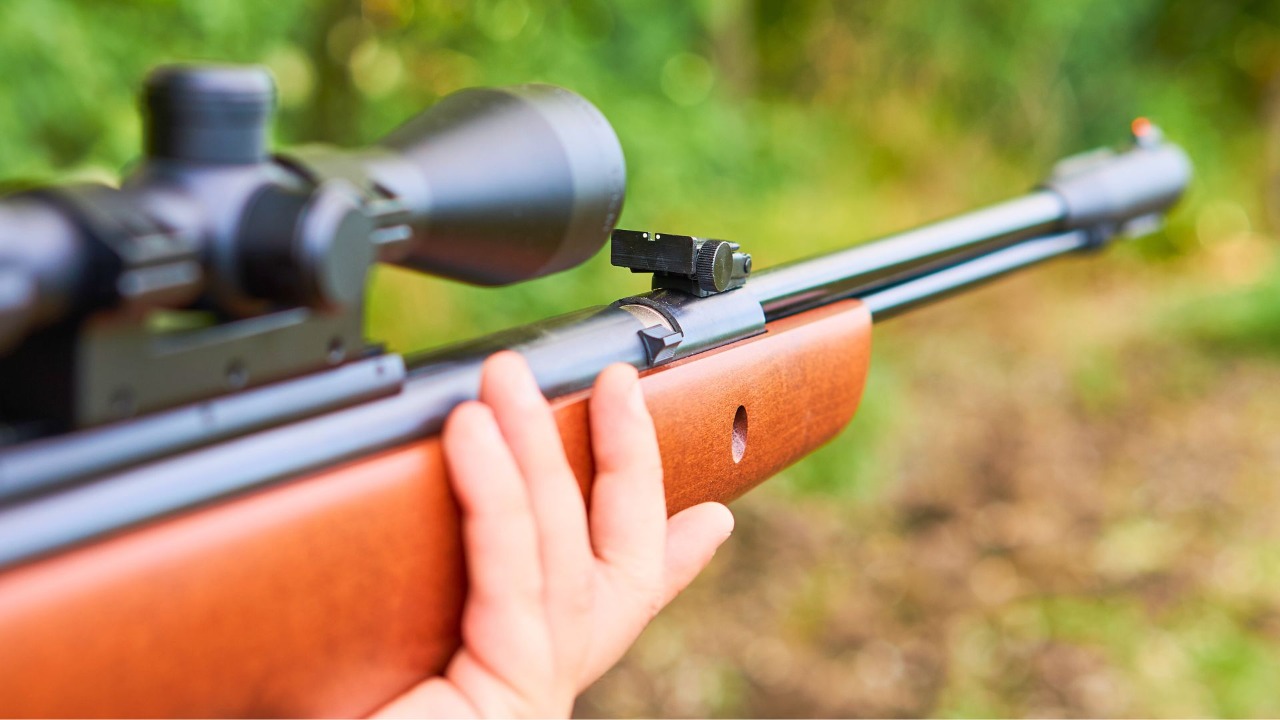
What separates a rifle that is merely old from one that feels timeless is often the way it is woven into family stories. A firearm that has been carried on the same deer ridge for 40 seasons or used to teach three generations of kids to shoot safely accumulates meaning that outlasts any spec sheet. That emotional patina tends to encourage better care, which in turn extends the rifle’s working life, creating a feedback loop between sentiment and stewardship.
I see the same pattern in other heirloom objects. Cast iron pans are often cited as the longest lasting items in a household, with owners noting that Cast iron cookware can be passed through generations and still maintain its quality. Rifles that do not fade with age occupy a similar place: they are functional tools, but they are also repositories of memory, which makes each new owner more likely to invest the time and money needed to keep them shooting.
Lessons from buy‑it‑for‑life culture
The broader buy‑it‑for‑life mindset offers a useful lens for thinking about rifles. Enthusiasts who prize durability in everything from boots to backpacks tend to prioritize repairable designs, proven materials, and brands with track records of supporting older products. Applied to firearms, that means favoring platforms with abundant spare parts, established aftermarket support, and a history of incremental refinement rather than constant reinvention.
When people talk about the longest lasting items in their lives, they often highlight how They keep using the same object for decades because it still does its job as well as anything new. That is the standard I apply when I evaluate a rifle’s staying power. If a firearm can still meet modern expectations for accuracy, reliability, and safety without constant tinkering, it has earned its place alongside the other tools and household items that truly do not fade with age.

Leo’s been tracking game and tuning gear since he could stand upright. He’s sharp, driven, and knows how to keep things running when conditions turn.