Calibers that don’t forgive bad angles
Every experienced hunter learns this sooner or later: not all cartridges give you room to recover from a less-than-perfect shot. Some rounds work fine when the deer is standing broadside and calm, but fall apart when bone, steep angles, or less penetration enter the picture. These calibers aren’t useless, and they’ve put plenty of animals in the freezer. But they demand discipline, patience, and shot restraint.
When angles get sharp, distance stretches, or heavy bone gets involved, these cartridges don’t offer much margin. If you rush the shot or misjudge entry, you’ll feel it quickly. Knowing their limits matters more than the headstamp on the case.
.223 Remington

The .223 Remington can take deer cleanly, but it’s unforgiving when angles aren’t right. With lightweight bullets and limited frontal area, penetration drops fast once you clip shoulder or hit at a quartering angle. You need controlled-expansion bullets and careful placement to make it work.
When the deer isn’t broadside, the .223 gives you very little room to correct mistakes. Any deflection through bone can rob energy fast. It’s a cartridge that rewards patience but punishes rushed decisions, especially beyond close range.
.243 Winchester
The .243 Winchester is popular for good reason, but it doesn’t tolerate sloppy angles. Its lighter bullets rely on velocity and precise placement rather than mass. On hard quartering shots, penetration can be inconsistent depending on bullet choice.
When you hit ribs and lungs cleanly, results are quick. When you hit heavy shoulder or enter from the rear third, things get dicey. The .243 works best when you wait, not when you force the shot because the tag’s burning a hole in your pocket.
6.5 Grendel
The 6.5 Grendel brings decent efficiency, but it’s still limited when angles turn steep. While heavier bullets help, velocity isn’t high enough to guarantee deep penetration through dense bone at odd angles.
On broadside deer, it performs well and tracks nicely. Start pushing quartering-to shots or hitting shoulder on entry, and performance can vary. It’s a cartridge that rewards calm shot selection and punishes impatience, especially on larger-bodied deer.
.30-30 Winchester
The .30-30 Winchester has history, but it doesn’t love bad angles. Traditional flat- and round-nose bullets shed speed quickly and don’t penetrate like modern high-velocity designs. On sharp quartering shots, results can be unpredictable.
Inside its comfort zone, it works as intended. Step outside that zone and hit heavy bone, and things change fast. The .30-30 asks you to stay disciplined and close, because forgiveness isn’t built into the cartridge.
.224 Valkyrie
The .224 Valkyrie looks good on paper, but angles expose its limits. Like other .22-caliber centerfires, it relies on velocity and bullet construction to do the work. Once velocity drops or bone intervenes, penetration suffers.
It can be effective with proper bullets and perfect shot angles. Miss that window and recovery becomes uncertain. This is a cartridge that rewards careful range and angle control, not quick decisions under pressure.
.25-06 Remington
The .25-06 Remington shoots flat and hits hard on clean angles, but it’s not forgiving when things go sideways. Many loads favor lighter bullets that expand quickly, sometimes too quickly on bone.
On broadside shots, it drops deer efficiently. On steep quartering shots, especially through shoulder, penetration can fall short. The cartridge shines when you wait for the right presentation and struggles when you try to force one.
.350 Legend
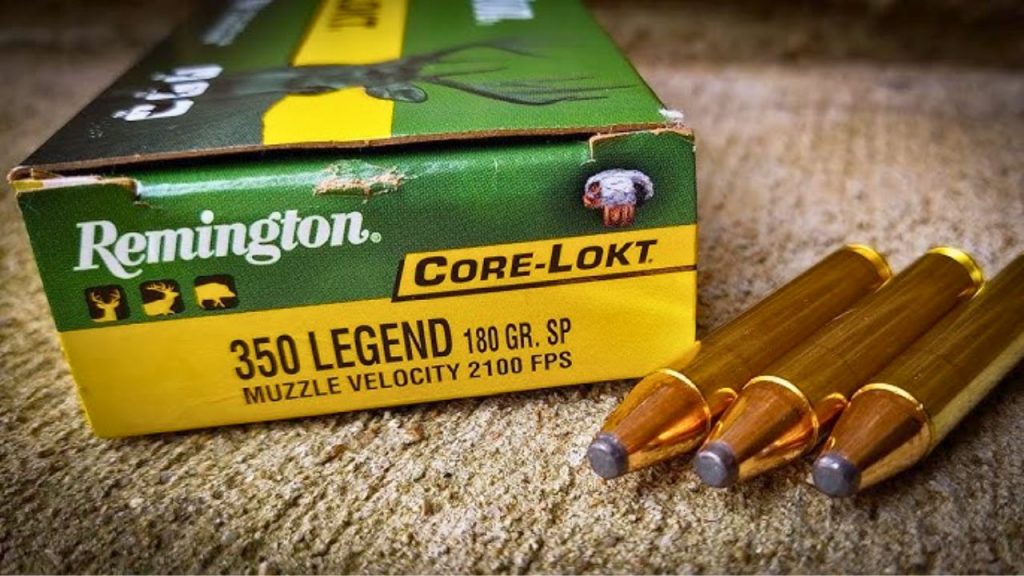
The .350 Legend is effective at short range, but angles matter a lot. Its moderate velocity and straight-wall design limit penetration once bone enters the equation. It works best on calm, broadside deer.
When shots turn steep or animals are moving, bullet performance becomes inconsistent. Heavy bone can soak up energy fast. This cartridge demands restraint and close-range discipline, because it doesn’t give you much help after a poor entry.
.450 Bushmaster
Despite its size, the .450 Bushmaster isn’t forgiving at odd angles. Large diameter bullets expand quickly and can lose penetration when striking heavy bone at sharp entry points.
Inside its ideal range and angle, it hits hard. Outside of that, especially on quartering-to shots, penetration can surprise you in the wrong way. Big holes don’t always mean deep wounds, and this cartridge reminds you of that fast.
.300 Blackout
The .300 Blackout is extremely angle-sensitive. Whether shooting supers or subs, penetration margins are thin compared to traditional deer cartridges. Bullet construction matters more here than almost anywhere else.
Broadside lung shots work. Shoulder shots and hard quartering angles often don’t. This is a cartridge that demands restraint and realistic range limits. Push it beyond those limits and recovery becomes a problem.
.357 Magnum (Rifle)
Out of a rifle, the .357 Magnum can work, but angles expose its limitations. Velocity and bullet weight help, but penetration still depends heavily on hitting soft tissue.
Quartering shots that clip shoulder or hip reduce effectiveness fast. It’s best suited for close, calm, broadside animals. When angles tighten, the cartridge gives you little room to recover from imperfect placement.
.22 Nosler
The .22 Nosler offers speed, but not forgiveness. Like other small-caliber centerfires, it depends on precise placement and controlled expansion. Heavy bone or steep angles drain effectiveness quickly.
It performs best when conditions are controlled and the shot is clean. Once angles worsen, penetration becomes unpredictable. This is a cartridge that punishes rushed decisions more than most hunters expect.
5.45×39
The 5.45×39 isn’t designed with deer angles in mind. Bullet construction and energy levels limit penetration, especially when bone is involved. Even with careful placement, margins are thin.
Broadside shots at close range can work. Quartering or shoulder shots often don’t. This cartridge demands strict discipline and a willingness to pass shots that other calibers could handle.

Asher was raised in the woods and on the water, and it shows. He’s logged more hours behind a rifle and under a heavy pack than most men twice his age.