What to know about ammo rules before heading to the range
Range trips go a lot smoother when you understand the rules that govern what you can shoot and how you handle it. Ammunition is at the center of most of those policies, from what calibers are allowed to how you store and load your rounds between the parking lot and the firing line. Before you haul a range bag full of mixed boxes, it pays to know how ammo rules work and why they are written the way they are.
I have spent enough time on public and private ranges to see that most conflicts and safety scares start with someone who did not read the fine print on ammo. If you know how facilities think about bullet construction, velocity, backstops, and basic handling, you can show up prepared, stay on the good side of the range staff, and focus on shooting instead of arguing over what is allowed.
1. Why ranges care so much about your ammo
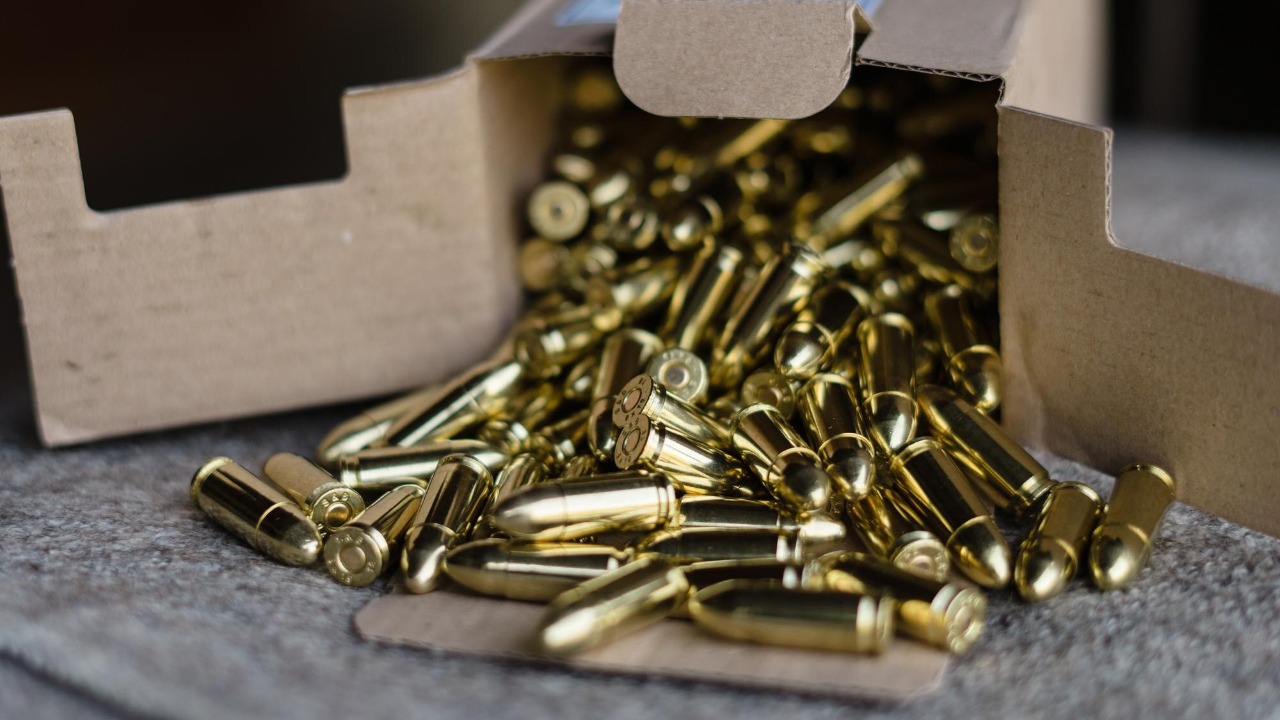
Every range is built around a simple idea: every bullet needs to stop safely in the backstop. The moment a round punches through steel, skips off the ground, or ricochets off a target frame, the risk to people and property jumps. That is why formal range rules often start with a broad statement that SAFETY FIRST! Every shooter is personally responsible for where each bullet lands. Ammo choice is a big part of that responsibility, because different loads behave very differently when they hit berms, traps, and target stands.
Indoor facilities in particular have to protect expensive bullet traps, ventilation systems, and concrete walls from damage. Many of them limit both caliber and bullet type, since high velocity or hardened projectiles can chew up steel and send fragments back toward the firing line. Shooters sometimes see these rules as arbitrary, but they are usually tied directly to how the range is engineered and insured. If you understand that the goal is to keep all rounds in the backstop and avoid structural damage, the rest of the ammo rules start to make a lot more sense.
2. Basic handling rules: how you bring ammo into the building
Before you ever touch the trigger, most facilities have strict expectations for how you carry guns and ammunition from the parking lot to the lane. A typical indoor house rule is that all firearms must be unloaded and cased when you enter or leave, and that applies whether you are carrying a pistol, a carbine, or a shotgun. One range spells it out clearly by requiring that Only ONE shooter may fire from a lane at a time and that All firearms arrive unloaded and cased, which keeps loose ammo and open actions from wandering through the lobby.
Once you are on the firing line, many facilities do not want you loading magazines or stuffing cylinders anywhere except your assigned stall. One set of posted GUN RANGE REQUIREMENTS flatly says you should DO NOT load ammo outside your lane, and limits each lane to a maximum of 2 shooters. That kind of rule keeps ammunition handling contained to a controlled space where muzzles are pointed downrange and staff can see what is happening. It also cuts down on people topping off magazines in the lobby or parking lot, which is where a lot of negligent discharges tend to happen.
3. Core safety expectations that shape ammo rules
Every range I have ever shot on builds its ammo policies on top of the same four fundamentals: treat every gun as loaded, keep the muzzle pointed in a safe direction, keep your finger off the trigger until you are ready to fire, and know your target and what is beyond it. Some facilities spell this out in a dedicated FIREARM AND AMMUNITION PROTOCOL that tells shooters to Treat all guns as if they are always loaded and Never point the muzzle at anything you are not willing to destroy. Those expectations drive decisions about when you can load, where you can clear malfunctions, and how you move with ammo in your hands.
Safety gear rules are part of the same mindset. One set of GUN RANGE REQUIREMENTS says you must ALWAYS wear eye and ear protection, and that you Must shield yourself from hot shell casings. That is not just about comfort. Different ammo types eject different amounts of gas and debris, and some calibers throw brass hard enough to injure someone who is not protected. When a range insists on glasses and muffs before you even open a box of ammo, it is because they have seen what happens when a hot casing or a fragment catches someone in the face.
4. What calibers and guns are usually allowed
Most public ranges try to accommodate a wide spread of firearms, but they still draw lines around what calibers and platforms they will accept. A typical club rule might say that Firearms Permitted: All types of legal rifles and handguns in centre-fire and rim-fire calibres are welcome, while Full automatic fire is not. That kind of language tells you that semi-auto rifles and pistols are fine, but you are not going to be running a giggle switch or a belt-fed on their line.
Indoor facilities often tighten things further with caliber ceilings and special rules for powerful pistol cartridges. One club lists specific pistol rounds that must be shot on the rifle side and adds that no ammunition exceeding 3,100 feet per second is Permitted, and that no Black powder or Muzzle Loaders are allowed. Another explanation of how ranges work in the United States notes that Indoor ranges often have caliber limits and bans on tracers or incendiaries for obvious reasons, while outdoor ranges typically do not. The pattern is clear: the more confined the space, the more picky the rules about what you can chamber.
5. Ammo types that are commonly banned
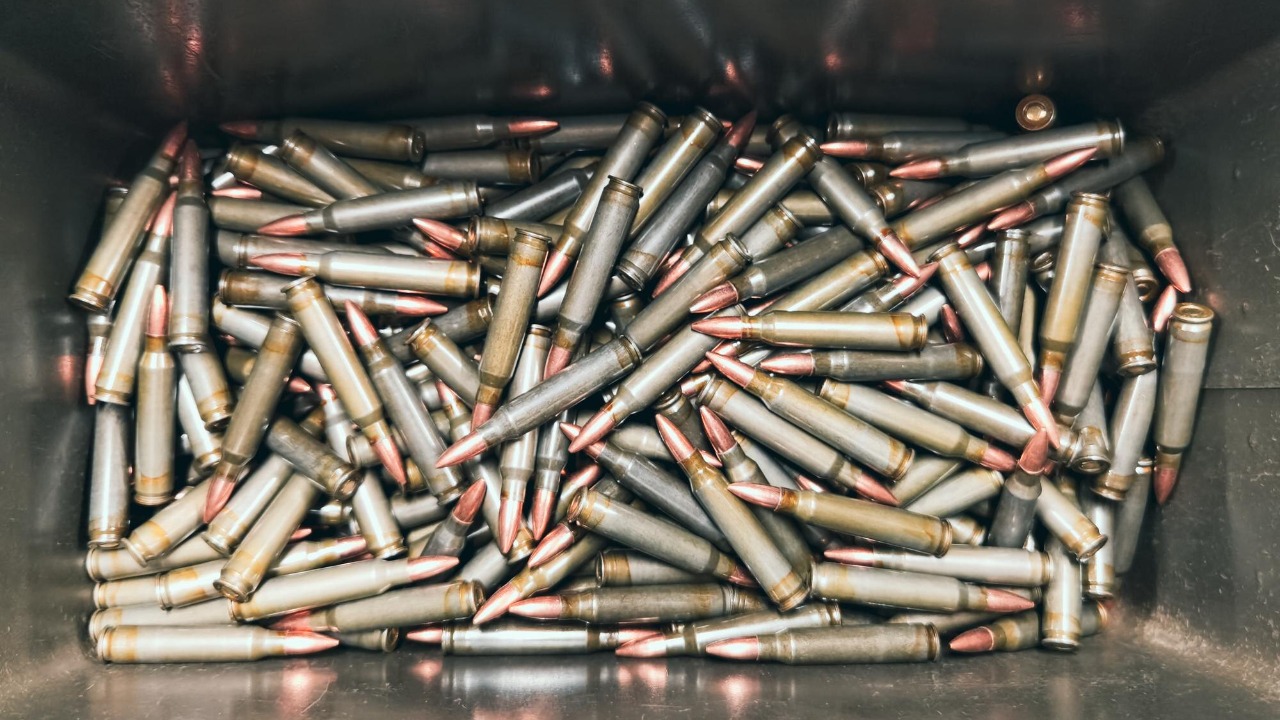
Once you get past basic caliber limits, the next big category is bullet construction. Many facilities publish a list under a heading like Certain ammunition is restricted from use on our range, then spell out specific offenders. One such list calls out Green Tip 5.56, 338 Lapua, 50 BMG, 50 Beowulf, and 458 SOCOM as prohibited, with the exact figures 5.56, 338, 50, 458 written into the rule. Those rounds are either too hard on steel, too powerful for the backstop, or both. If you show up with a box of any of them, expect to be turned away or told to buy different ammo at the counter.
Ranges also tend to lump tracers, incendiary loads, armor piercing bullets, and some steel-core or steel-jacketed rounds into the banned column. One indoor facility’s DON list notes that Tracer, incendiary, armor-piercing and some steel bullets may be banned, and that Food, beverages, and smoking are prohibited on the range. Those bans are not about being picky, they are about preventing fires, protecting steel, and keeping lead and other residues out of people’s mouths while they are handling ammo.
6. The special case of green tip and steel-core ammo
Few topics cause more confusion at the counter than so-called “green tip” rifle rounds. Many shooters know them as M855 or SS109, and they assume that if the Bureau of Alcohol, Tobacco, Firearms and Explosives has not outlawed them, ranges should allow them. In reality, a lot of facilities still say no. One explanation aimed at new shooters points out that Why Can You Shoot Green Tip Ammo at Shooting Ranges is a complicated question, and that over recent years the ATF has weighed in on whether these rounds count as armor piercing, even as many facilities still refuse to let them be used in their facilities.
Another breakdown of what these bullets are explains that they have a steel penetrator in the nose and that Shooting Green Tipped Ammo Beyond ownership raises a different issue, because most indoor ranges do not allow it. The reason is simple: steel cores are rough on bullet traps and can send fragments flying. If you like to shoot surplus 5.56 with painted tips, call ahead and be ready with a backup box of standard lead-core FMJ so you are not stuck watching from the lobby.
7. Lead, environmental rules, and where you shoot
Lead has been the default bullet material for generations, but regulators are tightening the screws in some places, especially around wetlands and game shooting. One detailed Q&A on this trend notes that the Lead ammunition restrictions being discussed by the Government would roll out in stages across different disciplines, with specific timelines for various types of shooting. Even if you are only punching paper, those kinds of policies can spill over into range rules as facilities look ahead to future regulations and liability.
Indoor ranges already have to manage air quality and lead dust, which is why many of them ban eating and drinking on the line and require handwashing after you handle ammo. Outdoor facilities are more focused on where bullets land and how much metal accumulates in berms and soil. Some clubs respond by steering shooters toward non-toxic loads for certain events, while others simply tighten their rules on what kind of bullets can be used on steel. If you see a sign that mentions environmental compliance or lead management, take it seriously, because those rules are often tied to the range’s ability to stay open at all.
8. Range-specific quirks: orientation, malfunctions, and target rules
Beyond the big categories of caliber and bullet type, every range has its own quirks that affect how you handle ammo. Many require a briefing before you ever unbox a cartridge. One facility tells visitors that Know before you go that Everyone who is using the range, regardless of experience, must first go through the range safety orientation. Another notes that New shooters will need to fill out paperwork, watch a safety brief, and that You cannot leave the building with any ammunition you rented. Those policies shape how you buy, store, and transport ammo during a visit.
Malfunction procedures are another place where ammo rules show up in disguise. One indoor range tells customers that if a malfunction occurs and you cannot clear it, you should keep your finger off the trigger, keep the firearm pointed downrange, and call for help, and that only certain calibers will be allowed for rental firearms. Target rules matter too. A state wildlife agency warns that Shooting at items placed on the ground or at targets not posted at the proper height can let rounds escape the range, which is why so many facilities ban improvised targets like bottles and cans. All of these details affect what ammo you bring and how you use it once you are on the line.
9. Self-defense ammo, legal context, and how to prep for your trip
Many shooters want to practice with the same hollow points or bonded bullets they carry for protection, but that is one more area where rules and laws intersect. A legal explainer on defensive loads notes that The use of ammunition for self-defense is governed by a myriad of laws and regulations that vary significantly across different areas, and that certain types of ammo may be regulated or even prohibited in specific areas. That legal patchwork sits on top of whatever your local range allows, so it is smart to confirm both before you burn through a box of expensive carry ammo.
On the practical side, I like to prep for a range trip by reading the facility’s posted rules, then packing ammo that clearly fits inside their lines. If a house rule says GUN RANGE REQUIREMENTS include that you Must keep firearms cased outside the lane and ALWAYS wear eye and ear protection, I treat that as the baseline and build from there. I avoid any load that looks like a tracer, has a painted tip I cannot identify, or advertises steel cores or extreme velocities. I also pay attention to posted signs that say Only aimed fire is allowed and that ammo must be fired in a safe manner by the shooter, because that tells me the staff expects deliberate, controlled shooting rather than mag dumps. If you show up with clean, clearly legal ammo, follow the protocols, and respect the staff, you will spend your time shooting instead of arguing over what is in your magazines.

Asher was raised in the woods and on the water, and it shows. He’s logged more hours behind a rifle and under a heavy pack than most men twice his age.