The biggest ammo stockpiling mistake preppers make
The biggest ammo mistake I see preppers make is simple: they chase raw quantity and ignore everything else. Piling cases of cartridges in a closet feels productive, but if the stash is unplanned, poorly stored, and impossible to move or manage, it can fail you at the exact moment you need it.
I am going to walk through how that mistake shows up in the real world, from unrealistic round counts to ruined boxes of cartridges, and how to build a stash that actually works when life goes sideways. The goal is not to brag about numbers, it is to have ammunition that fires, fits your guns, and can leave the house with you if it has to.
Section 1: The real “biggest mistake” preppers make with ammo
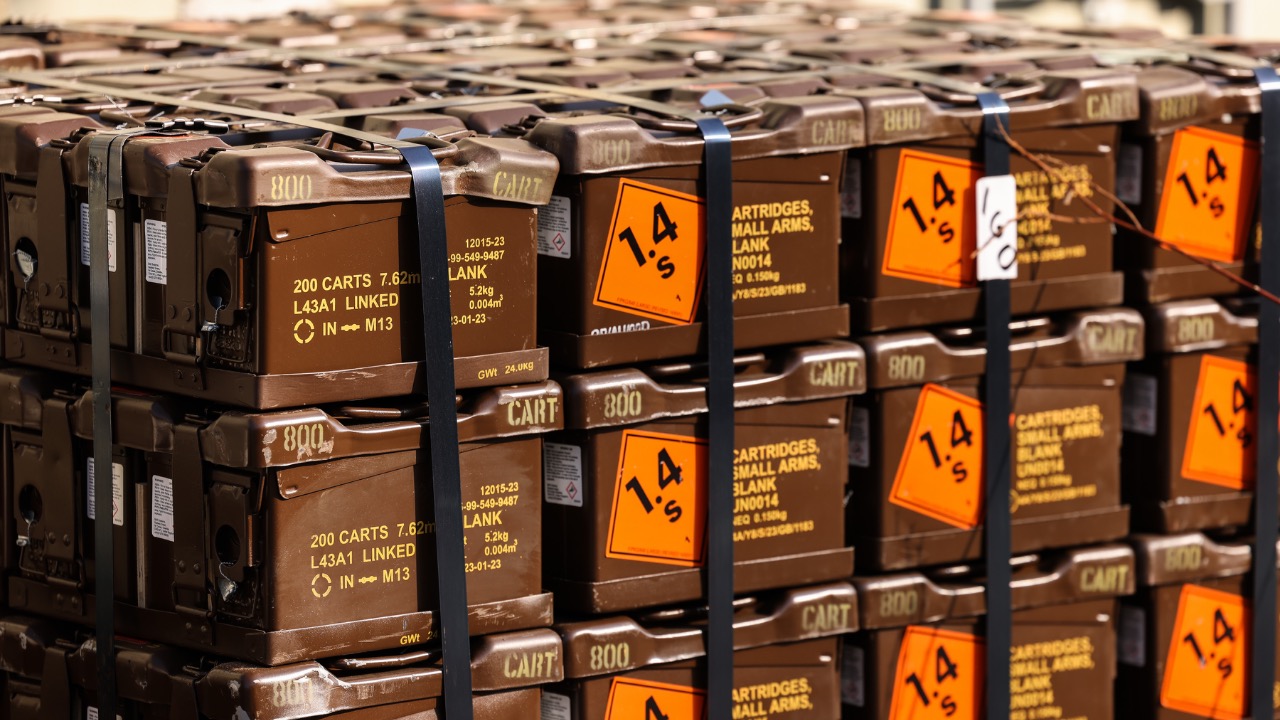
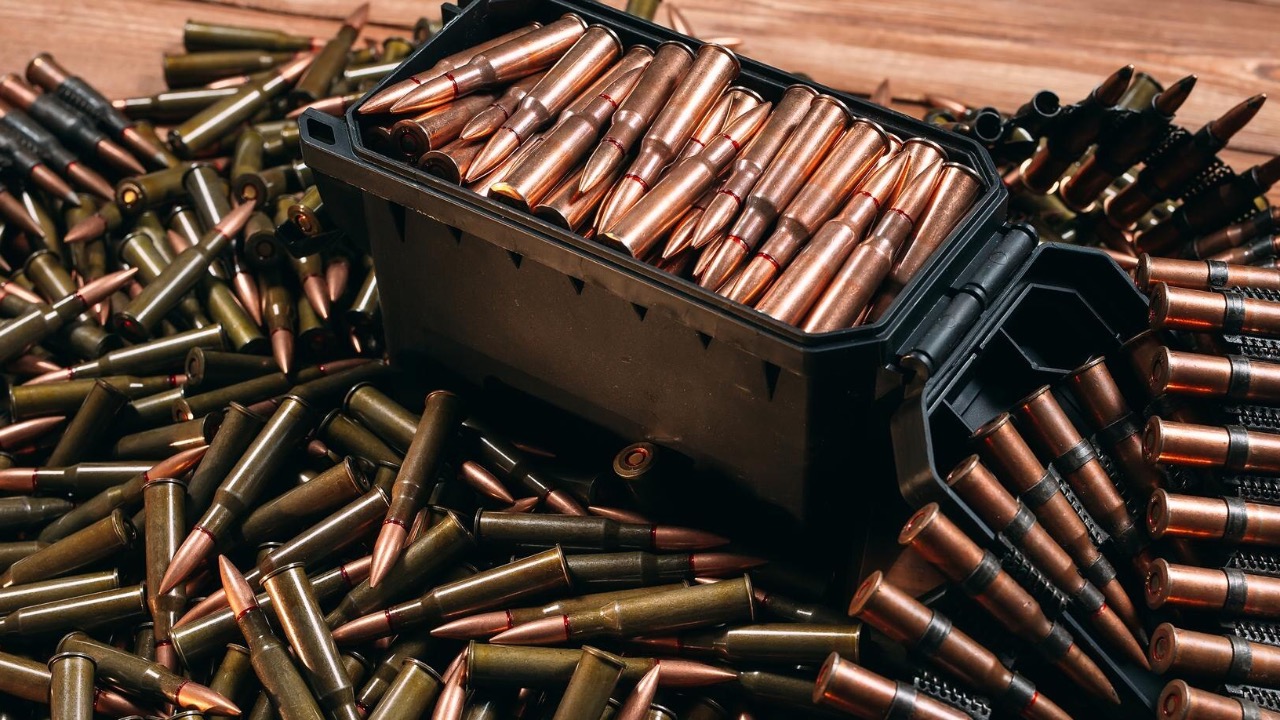
When people talk about ammo stockpiling, the conversation almost always jumps straight to numbers, as if survival comes down to who has the tallest stack of green cans. In my experience, the biggest mistake is treating ammunition like a hoarder’s trophy instead of a tool that has to be stored, rotated, transported, and actually fired. That mindset leads to closets full of random calibers, mystery reloads, and cardboard boxes soft from basement humidity, all of which look impressive until you try to load a magazine in the dark and find out half of it is unreliable.
Once you see ammo as a system instead of a pile, everything changes. You start thinking about where it sits in the house, who can access it, and how quickly you could move it if you had to leave. One detailed discussion of 5 ammo stockpiling mistakes points out that if you concentrate everything in one obvious spot, the “bad guys” can gain control of that part of the house and either use your stash against you or force you to abandon it. That is the logical end of the quantity‑only mindset: a mountain of cartridges that is more useful to whoever takes your home than it is to you.
Section 2: Chasing round counts instead of roles and scenarios
The second part of that big mistake is treating ammo like a high score instead of matching it to what each firearm actually does for you. A defensive pistol that lives on your belt has different needs than a .22 LR trainer or a .30‑06 deer rifle, yet I constantly see people bragging about “ten thousand rounds” without being able to say how much of that is defensive, hunting, or training ammunition. A more disciplined approach starts with roles: what guns cover home defense, what guns put meat in the freezer, and what guns are there for practice or backup.
Once you break it down that way, you can follow the kind of per‑gun planning laid out in a detailed SHTF ammo guide, which ties round counts to each firearm’s job. That guide explains that how much ammo per gun depends on whether it is for defense, hunting, or both, and it recommends a balanced stash that covers training, zeroing, and real‑world emergencies across a range of uses. When you plan that way, you stop buying random boxes on sale and start filling specific gaps, which is how you end up prepared instead of buried in mismatched calibers you will never shoot.
Section 3: Ignoring how ammo actually ages
Another piece of the “pile first, think later” mistake is assuming ammunition lasts forever no matter how you treat it. Modern cartridges are tough, but they are not magic. Primers and powder are chemical systems, and brass and bullets are metals that react to moisture and temperature swings. If you leave boxes in a damp garage or stacked against an exterior wall that bakes in summer and freezes in winter, you are quietly shortening the life of every round you own, even if the packaging still looks fine.
Good technical explanations of whether ammo goes bad make the point that cartridges are not perishable like food you can “eat and spread on toast,” but they still degrade when exposed to moisture, oil, or extreme heat. The worst‑case scenario with neglected ammo is not that it simply fails to fire, it is that inconsistent burn rates or corroded cases create pressure spikes or squib loads that can damage a firearm or injure the shooter. If you are stacking cases in a damp basement without climate control, you are not stockpiling for the future, you are running a slow experiment in how to ruin powder and primers.
Section 4: “You can never have too much” and other half‑truths
There is a popular saying in prepper circles that you can never have too much ammunition, and like most slogans, it hides a lot of nuance. In a vacuum, more ammo is better than less, but in the real world you have to carry it, secure it, and sometimes leave it behind. One seasoned voice in a Comments Section on how much ammunition to stockpile jokes that the only times you can have too much ammo are when you are drowning or when you have to bug out. That line lands because anyone who has tried to move several full ammo cans down a flight of stairs knows exactly how heavy “peace of mind” can get.
Weight and bulk are not the only limits. Local fire codes and insurance policies sometimes cap how much powder and loaded ammunition you can legally store in a residence, and even if they do not, your own floor joists and safe space do. If your stash is so large that you cannot reasonably move a meaningful portion of it into a vehicle in one trip, you have crossed from preparedness into fantasy. The smarter play is to decide how much you can realistically secure and transport, then build toward that number instead of chasing an internet meme about infinite ammo.
Section 5: Bad storage beats low round counts every time
Even a modest stash can serve you well if it is stored correctly, while a room full of cases can be worthless if you let moisture and temperature swings chew on it for a few seasons. The most common storage mistake I see is leaving ammo in original cardboard on concrete floors or against exterior walls, where condensation and humidity slowly work their way into the packaging. Once corrosion starts on case mouths or primers, you are gambling with every trigger press, and you will not always see the damage before you load a magazine.
Good storage is not complicated, but it does require discipline. Guidance on how to store ammo safely stresses that humidity and direct liquid water exposure can have “devastating effects” on ammunition, and that quality ammo cans, desiccant, and a stable environment are your best friends. In one cautionary story about a person who Stockpiled a Bunch of Ammo and Ruined It All, the problem was not a lack of cartridges but the way they were left in a damp area without proper containers. That is the heart of the big mistake: focusing on how much you have instead of how well you are taking care of it.
Section 6: Overpacking cans and unsafe storage hacks
Once people start buying ammo cans, another version of the same mistake shows up: cramming every cubic inch full without thinking about access or safety. I have seen cans so overloaded that the lids barely close, with loose rounds of different calibers mixed together because someone wanted to “get more in that way.” It looks efficient until you are sorting through a hundred loose cartridges trying to find the right ones while your heart rate is spiking.
In one thread on ammo storage specific questions, a user named gilbert2gilbert answers “Yes sir. You can get more in that way” when someone asks about packing methods, while another user, AmosTali, cautions “Not say” in response to a different storage shortcut. That back‑and‑forth captures the tension between squeezing in a few extra boxes and keeping things organized and safe. If you are stacking cans to the ceiling, mixing calibers, and burying your most important defensive ammo under range fodder, you are still making the same core mistake: chasing volume instead of building a system you can actually run under stress.
Section 7: Forgetting why you own the ammo in the first place
The healthiest ammo plans I have seen start with a simple question: what problem am I trying to solve? Some people are worried about short‑term disruptions, others about long‑term supply issues, and some are mostly focused on training and competition. When you skip that step, you end up with a stash that reflects sales and panic buys instead of your actual needs. That is how someone with one 9 mm pistol winds up with more .40 S&W and .380 ACP than they could shoot in a decade, because they bought whatever was on the shelf during a scare.
One thoughtful prepper named Schrecht explains that rather than obsessing over specific scenarios, he prefers to think in categories and build ammo reserves around those. That approach lines up with what I have seen work in the real world: decide how much you want on hand for training, how much for defense, and how much for hunting, then back into round counts from there. When you do that, you stop buying ammo to soothe anxiety and start buying it to support a plan, which is the opposite of the biggest stockpiling mistake.
Section 8: Reloaders are not immune to the same problem
Reloading can be a great way to stretch your budget and tailor loads, but it also gives you more ways to mess up your stockpile if you are sloppy. I have walked into reloading rooms where open jugs of powder sit next to unlabeled coffee cans of mixed brass, and the owner cannot quite remember which batch was which. That is not preparedness, it is a recipe for inconsistent ammo and potentially dangerous overcharges or squibs.
Good reloading practice starts with understanding that there are Two main environmental risks at the bench: Cross contamination of powders and static discharge. If you are not careful about keeping powders separate and handling them in a way that minimizes static, you can damage components or worse. On the brass side, detailed guidance on brass maintenance practices explains that it is best to sort by caliber, and even by brand or lot if possible, because mixing different cartridge cases of the same caliber can lead to inconsistencies. If your reloading shelves are full of mystery components and mixed brass, you are still making the same overarching mistake: accumulating without a system.
Section 9: Building a stash that survives real‑world stress
When you strip away the internet arguments, the goal is simple: you want ammunition that will fire when you need it, in guns you actually own, stored in a way that survives both time and chaos. That means right‑sizing your stash to your space and lifestyle, organizing it by caliber and role, and keeping it in containers that protect it from humidity and rough handling. It also means practicing with the same loads you plan to rely on, so you are not surprised by recoil, point of impact, or reliability quirks when the stakes are high.
If you need a mental picture of what not to do, think of the warning baked into the title of a video on How to ruin your Stockpiled AMMO STASH, or the hard‑earned lessons from people who have already watched their cartridges corrode in damp closets. The fix is not complicated: store ammo in dry, stable conditions, keep it organized, match your round counts to your guns and scenarios, and be honest about what you can move and defend. Do that, and you avoid the biggest ammo stockpiling mistake of all, which is confusing a big number on paper with real capability when it matters.

Asher was raised in the woods and on the water, and it shows. He’s logged more hours behind a rifle and under a heavy pack than most men twice his age.