Handguns that never quite find a role
Every handgun is built with a job in mind. Some are meant to ride a duty belt, others to disappear under a jacket, and a few to live their lives punching neat holes in paper. Every so often, though, a pistol shows up that never quite settles into any of those lanes. It isn’t terrible. It usually isn’t unsafe. It just lands in an awkward middle ground where better options exist on both sides.
You’ve probably handled a few of these at the range or gun counter. They spark curiosity, maybe even appreciation, but rarely commitment. This list isn’t about failures or punchlines. It’s about handguns that struggled to answer a simple question: why would you choose this over everything else on the shelf?
Glock 36
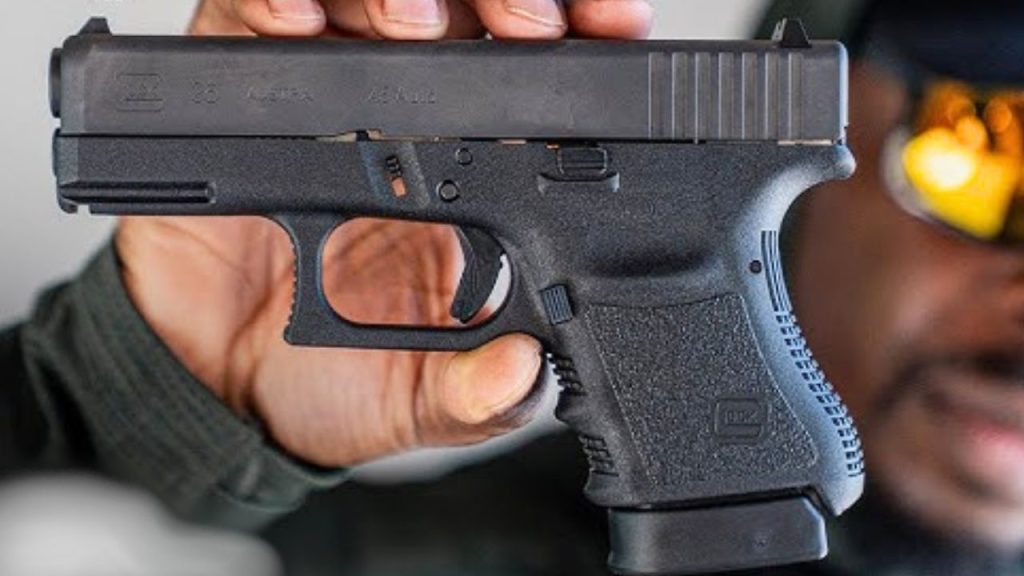
On paper, the Glock 36 looked like a home run. A slim, single-stack .45 ACP from a brand known for reliability should have checked a lot of boxes. In the hand, though, it felt like a compromise nobody asked for. Capacity was low even by single-stack standards, recoil was sharp, and the grip never felt as settled as smaller 9mm options.
For carry, it was heavier and thicker than many shooters wanted. For duty or home use, the limited magazine made little sense. The Glock 36 wasn’t bad at anything, but it never felt like the best choice for any role, which quietly pushed it into the background.
Smith & Wesson Sigma
The Sigma series arrived during the early rush to polymer striker-fired pistols. Smith & Wesson was trying to keep pace with changing tastes, but the execution missed the mark. The trigger was long and heavy, often compared to dragging furniture across carpet. Accuracy suffered, and shooters noticed.
It wasn’t unreliable, and it wasn’t unsafe, but it didn’t inspire confidence either. Law enforcement largely passed it over, and civilian shooters quickly found alternatives that were easier to shoot well. The Sigma existed in a crowded space and never separated itself enough to justify choosing it over more refined designs.
Heckler & Koch VP70
The VP70 was ahead of its time and oddly out of step with it. It used polymer decades before that became normal, but the trigger pull was extremely heavy. In civilian form, it was awkward to shoot accurately, and the grip angle felt strange to many hands.
Its select-fire capability with a stocked frame gained attention, but that feature never translated into practical use. The pistol was bulky, hard to control, and expensive compared to simpler options. The VP70 wasn’t misunderstood. It simply didn’t offer enough real-world advantage to justify its complexity.
Beretta 9000S
Beretta’s 9000S was an attempt to modernize the company’s image. The rounded frame and sculpted lines looked futuristic, but the feel didn’t match the looks. Controls were awkwardly placed, and the grip felt bulky without offering improved control.
Shooters who liked Beretta already had the 92 series. Those wanting polymer pistols had better striker-fired choices. The 9000S landed between audiences and never gained traction with either. It worked, it shot, and it faded quietly as Beretta shifted attention back to platforms people actually wanted.
Colt All American 2000
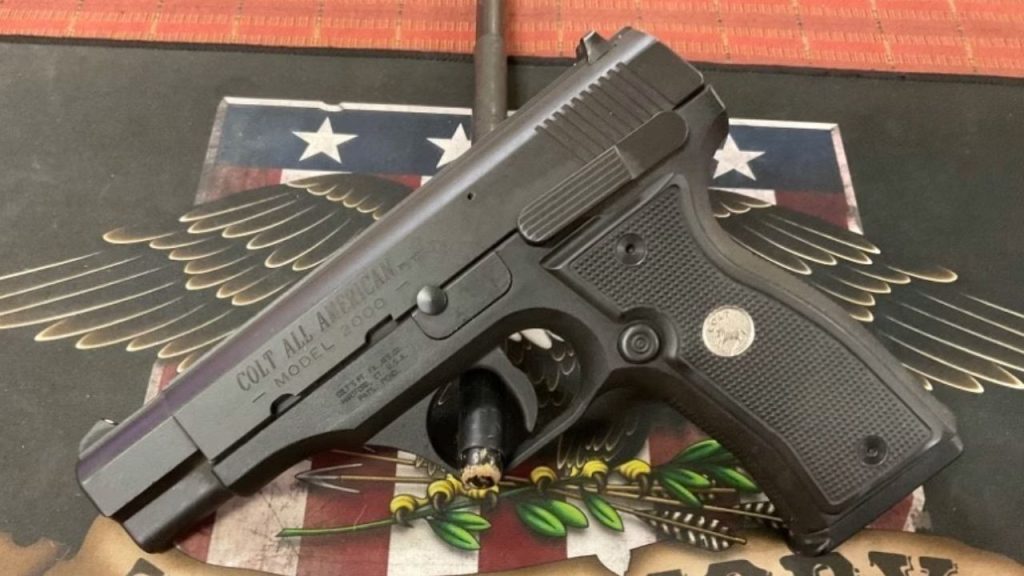
The All American 2000 carried serious expectations. Colt name, modern styling, and a new trigger system suggested a forward-looking design. What shooters got instead was inconsistent accuracy and reliability complaints that quickly damaged trust.
The rotating barrel concept sounded promising, but execution issues overshadowed the idea. Law enforcement showed little interest, and civilians were wary of a pistol with early production problems. Once confidence is lost, it’s hard to regain. The All American never recovered and became a lesson in how quickly momentum can vanish.
Ruger SR9
Ruger’s SR9 entered a market already crowded with capable 9mm pistols. Early safety recalls didn’t help, and the trigger, while usable, lacked the consistency shooters expected by that point. Ergonomics were decent, but nothing stood out.
For concealed carry, it was larger than necessary. For duty use, agencies already had established platforms. The SR9 wasn’t flawed enough to avoid, but it wasn’t compelling enough to choose. It ended up overshadowed by Ruger’s later designs that addressed those shortcomings more directly.
Remington R51
The R51 tried to revive an old operating system for modern concealed carry. The idea was appealing, but the rollout was rough. Early guns suffered from reliability issues, sharp recoil, and ergonomics that punished your hand during longer sessions.
Remington attempted a reset with a later version, but the damage was done. Trust is hard to rebuild once shooters get burned. The R51 never established itself as dependable carry gun or comfortable range pistol. It became a reminder that execution matters more than nostalgia.
Taurus Curve
The Curve grabbed attention with its bent frame and built-in laser. It was designed to hug the body, but that shape introduced new problems. The grip felt awkward, recoil control suffered, and accuracy was harder to manage than with flat-framed pistols.
While creative, the Curve asked shooters to accept trade-offs without offering clear benefits. Holster compatibility was limited, and maintenance wasn’t intuitive. In a market full of proven compact pistols, novelty alone wasn’t enough to justify choosing something that felt less capable in basic shooting tasks.
Walther CCP
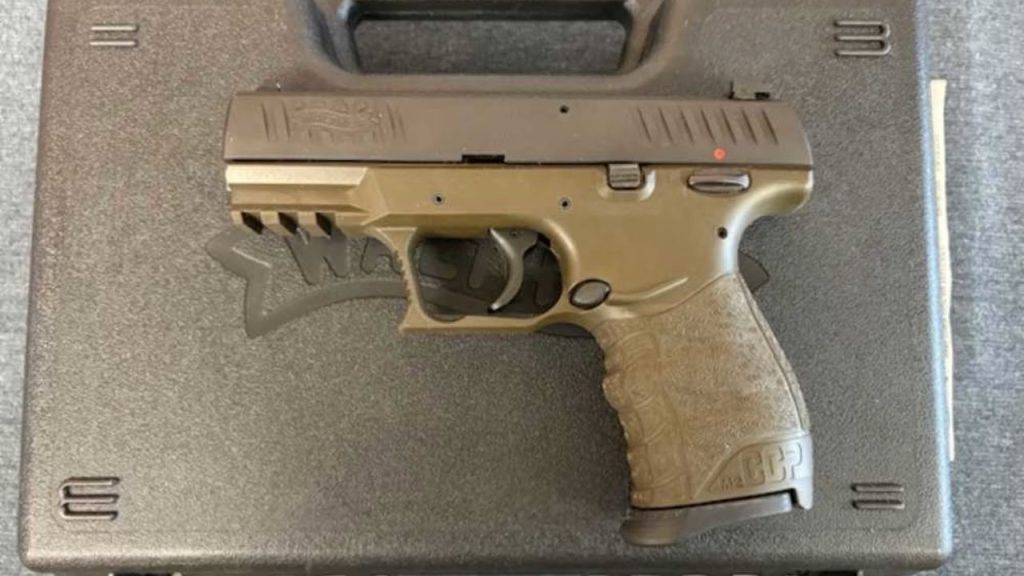
The Walther CCP aimed to reduce recoil using a gas-delayed system. In theory, that sounded appealing. In practice, disassembly required a tool, and maintenance became a chore compared to simpler designs.
The trigger was serviceable but unremarkable, and early models experienced heat-related issues during extended shooting. It wasn’t ideal for carry due to size, and it didn’t excel as a range pistol either. The CCP worked, but it asked more from the shooter without giving much back.
Springfield XD-E
The XD-E tried to bridge old and new by combining a hammer-fired system with modern ergonomics. That middle ground turned out to be narrow. Shooters who wanted hammers preferred traditional designs, while striker fans saw no reason to switch.
The pistol was reliable and accurate enough, but its size and weight limited carry appeal. Manual decocking added complexity some users didn’t want. The XD-E wasn’t wrong; it was simply aimed at a shrinking audience that already had options they trusted more.
FN FNP-45
The FNP-45 was big, soft-shooting, and accurate. It also arrived in a market drifting away from large-frame .45s. Grip circumference was a challenge for smaller hands, and the overall size limited carry or duty flexibility.
While it found some niche users, it never achieved widespread adoption. Agencies were moving toward lighter, higher-capacity platforms, and civilians had slimmer alternatives. The FNP-45 did its job well but belonged to a role that fewer shooters needed by the time it appeared.
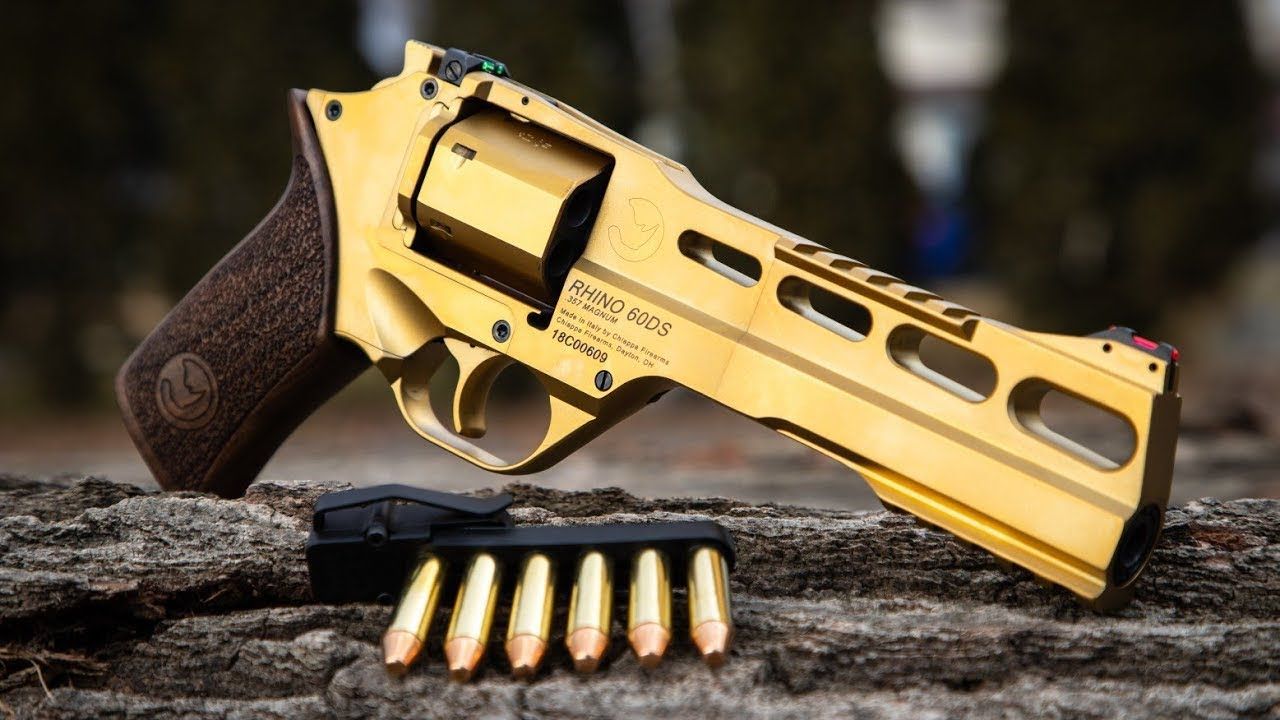
Chiappa Rhino
The Rhino flipped expectations with its low bore axis and angular design. Recoil control was impressive, but the unconventional layout felt foreign to many shooters. Trigger feel varied, and the aesthetics turned off traditional revolver fans.
It wasn’t a poor performer, but it demanded adjustment without offering a clear reason to abandon familiar wheelguns. For defense, capacity lagged behind semiautos. For range use, it was expensive. The Rhino remained interesting, but interest alone doesn’t define a practical role.

Leo’s been tracking game and tuning gear since he could stand upright. He’s sharp, driven, and knows how to keep things running when conditions turn.