Why Some Ammo Never Earns Your Trust
Every shooter eventually runs into a box of cartridges that feels wrong in the hand or runs poorly in the gun, and once that doubt creeps in, it is hard to shake. When the stakes are competition scores, hunting ethics, or self‑defense, some ammunition never earns your trust because it fails the basic tests of reliability, consistency, and accountability. I want to walk through how experienced shooters sort the keepers from the cartridges that stay on the shelf, and why that judgment call matters more than most people think.
What “bad ammunition” really means in the real world
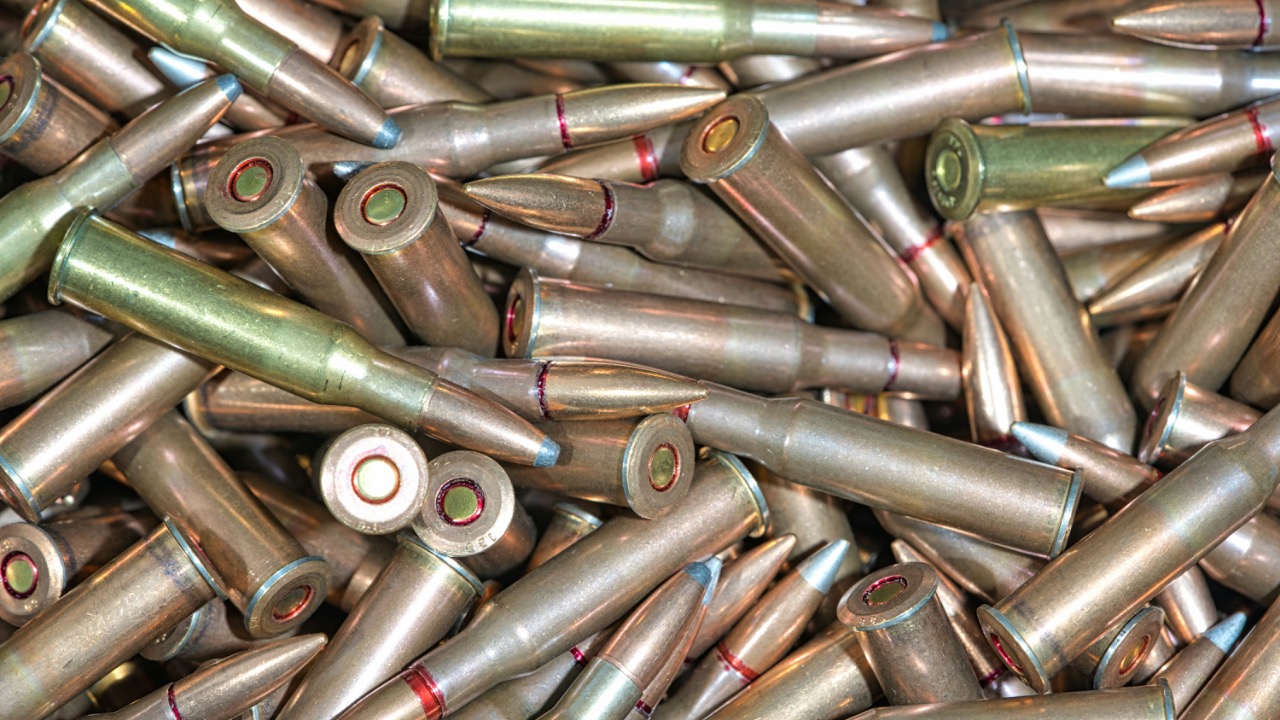
When I talk about ammo that never earns my confidence, I am not only talking about rounds that are obviously dangerous. The more common problem is ammunition that simply will not function reliably enough to stake anything important on it. One manufacturer spells this out bluntly, defining “Bad Ammunition” as any cartridge that is not going to function reliably in your firearm, including factory defects, faulty handloads, or rounds that have aged or been stored to the point that they will not function properly, and that broad definition matches what I see on the range. In practice, that can mean anything from inconsistent powder charges to out‑of‑spec brass that refuses to chamber smoothly.
Once you accept that “bad” can include anything that will not run every time, you start to see how many ways ammo can let you down. A detailed guide on how to tell if ammo is bad notes that this can be faulty handloads, corroded cases, or cartridges that have been exposed to moisture or extreme temperatures until they will not function properly, and it treats all of those as part of the same problem, not separate categories. When I sort through old boxes, I am looking for exactly those warning signs, because a round that misfires or sticks in the chamber at the wrong moment is not a minor annoyance, it is a failure of the most basic promise ammunition is supposed to keep.
Why reliability matters more than price or ballistics
Most of us start out chasing cheap ammo or flashy ballistics, but over time reliability becomes the only metric that really counts. Competitive shooters learn this quickly, because a single malfunction can wreck an entire match stage, and one veteran Steel Challenge shooter flatly says that, “If the gun does not run 100 percent of the time, it is not the right gun for the game,” putting reliability ahead of everything else. That same logic applies to the cartridges feeding that gun, because even the best pistol or rifle turns into dead weight if the ammo is inconsistent or poorly built.
The same priority shows up when you look at how people plan their ammunition reserves for serious use. One legal‑education group suggests that a good starting point is to have 500 rounds, 200 of which should be defensive ammo, for each regular‑use handgun, and that advice only makes sense if those defensive rounds are absolutely dependable. I can live with a cheap training load that needs more frequent cleaning or throws a flier now and then, but for anything that might be used to protect a life, reliability is the first, second, and third requirement, and any brand that cannot clear that bar never makes it into my carry rotation.
Mechanical risks: when bad ammo stops being theoretical
Untrustworthy ammo is not just a matter of annoyance, it can cross over into real mechanical danger. Injury lawyers who handle shooting cases point out that Mechanical failures that involve a faulty safety, a misaligned firing pin, or defective ammo can trigger an accident, and that last part is easy to overlook until you see a blown case head or a squib followed by a full‑power round. Safety campaigns that look at firearms and road environments together make the same point, listing Mechanical failures, Wear, faulty assembly, damage, or faulty design as reasons a firearm might not function as intended, and defective ammunition is part of that chain of failure.
On the range, the most common way this shows up is in stoppages and jams that trace back to poor cartridges. One breakdown of common malfunctions notes that using low‑quality ammo leaves more fouling and unburned powder, which can build up and cause feed issues, and it lists Magazine Malfunctions as another major reason semi‑automatic guns choke, especially when combined with dirty or inconsistent ammunition. I have seen that play out in real time, where one shooter’s rifle runs fine on decent brass loads, then starts double‑feeding and short‑stroking as soon as bargain‑bin steel cases go into the mag, and that is the kind of experience that makes you write a brand off for good.
Handloads, liability, and the problem with mystery reloads
Handloading can produce some of the most accurate and reliable ammo you will ever shoot, but it can also create rounds that nobody in their right mind should trust. The risk goes beyond your own gun, because if you loan a firearm and your handloaded ammo to someone else and it fails catastrophically, you own that decision. One discussion of this issue spells it out bluntly, noting that There is a liability issue if your reloads kaboom in another person’s hands, and that is before you get into the personal guilt of knowing your ammo blew up a friend’s revolver.
The same caution shows up whenever people talk about buying reloads from strangers. In one group, a shooter offers a blunt Word of warning about reloads purchased from unknown sources, pointing out that every trip to a gun show or yard sale seems to turn up someone selling bagged ammo with no real quality control. I have seen those plastic bags of mixed brass and mystery bullets on tables myself, and I treat them the same way I treat open gasoline cans at a flea market: maybe they are fine, but there is no way to know, and the downside is so high that I am not willing to find out.
Cheap training ammo versus truly untrustworthy rounds
Not all inexpensive ammo is untrustworthy, and it is worth separating budget training loads from cartridges that are genuinely suspect. Many shooters run bulk steel‑case or imported brass for practice without issues, accepting that they might need to scrub the gun more often or that some pistols are picky about certain case coatings. In one Comments Section on cheap ammo, a user named creepye1990 answers a question about bargain rounds with a simple “No,” then adds that Your gun may require more frequent cleaning or may not like different casings, which matches what I have seen with some striker‑fired pistols and lacquered steel cases.
The line gets crossed when the ammo shows clear signs of poor construction or inconsistent performance. A detailed guide on how to tell if ammo is bad explains that this can be faulty handloads, damaged cases, or cartridges that have been stored so poorly that they will not function properly, and it treats all of those as reasons to pull rounds from circulation rather than “shoot them up.” When I open a box and see dented shoulders, high primers, or mixed headstamps with wildly different case lengths, I do not care how cheap it was, that ammo is not going into any gun I care about, because the savings on the front end are not worth a stuck case or worse.
How experienced shooters judge brands and build trust
Over time, most shooters develop a mental list of brands they trust and others they avoid, and that list is built on a mix of personal experience and community feedback. One seasoned cowboy‑action shooter summed it up neatly by saying that, When he started out shooting, every brand was new to him, and One can only go by the reputation of the manufacturer and the experience of others, then adding that “Cheap can become expensive” when ammo causes problems. That is exactly how I have built my own list, paying attention to which boxes produce clean, consistent groups and which ones seem to be associated with stuck cases and weird pressure signs.
On the positive side, some manufacturers have spent decades proving they can be trusted. The shotgun brand TRUST is a good example, with the company described as Founded in 1926 and, Over the last 90 years, becoming one of the most reliable providers of shotgun ammunition on the market, and that kind of track record matters when you are choosing shells for a hunt or a match. On the handgun side, brands like Underwood have built a reputation on consistent performance, with one overview noting that This reputation is built on a foundation of reliability and innovation that shooters trust to perform flawlessly in critical situations, and that is exactly the kind of ammo I am willing to carry.
Components, primers, and why some rounds age badly
Even when the brass and bullets look fine, the internal components can make or break your confidence in a cartridge. Primers are a good example, because a weak or inconsistent primer can turn an otherwise solid load into a misfire waiting to happen. One detailed look at .45 ACP components notes that high‑quality primers are crucial for shooters who demand consistency and dependability for both competition and self‑defense, and it stresses that This reliability is crucial for anyone who needs their ammunition to go bang every single time. When I am evaluating older ammo, I pay close attention to how it was stored, because primers and powder that have been cooked in a truck or soaked in humidity for years are a lot more likely to let you down.
Visual inspection still matters, and that is where the earlier guidance on spotting Bad Ammunition comes back into play. The same source that defines bad ammo as anything that will not function properly also walks through signs like corrosion, discoloration, and physical damage that should make you think twice before loading a round. I treat those clues the way a whiskey drinker treats barrel notes, remembering that Every barrel develops its own unique profile, and in the same way, every batch of ammo carries its own history of storage and handling that shows up in how it looks and shoots.
Mission, use case, and matching ammo to the job
Trust in ammo is not one‑size‑fits‑all, it depends heavily on what you are asking it to do. A rifle that spends most of its life plinking at steel on the back forty can tolerate a lot more experimentation than a carbine staged for home defense. One analysis of rifle roles points out that Plinking places the least amount of stress on a rifle, while Defensive use demands the most from both the gun and the ammunition, including sustained round counts with only moderate maintenance, and that same spectrum applies to the ammo you feed those guns. For casual shooting, I am willing to run bulk loads that might be a little dirty, but for defensive roles I narrow the field to cartridges that have proven themselves over hundreds of rounds without a hiccup.
Carry pistols live under the same logic, and the concealed‑carry crowd tends to be ruthless about what earns a spot in their magazines. In one discussion about trusting a carry gun that has had occasional jams, experienced voices advise shooters to Clean the gun every time they use it, Inspect the gun and ammo, Try different types of ammo, and Try different magazines before blaming the firearm, and that checklist is a good way to separate ammo problems from mechanical ones. The thread, which you can find under Clean the, makes it clear that once you have done that work and still see issues with a particular load, the smart move is to drop that ammo from your carry rotation, no matter how good the marketing or how attractive the ballistics look on paper.
Practical rules for deciding which ammo you will never trust
After enough time on the range, you start to develop some hard rules about what ammo you will not shoot, and those rules are usually grounded in a mix of personal experience and shared wisdom. One Reddit thread on the difference between good and bad ammo includes a comment that highlights how premium nickel‑plated brass “takes the cake for environmental resilience,” and that kind of detail shows how shooters pay attention to corrosion resistance and long‑term storage when they pick loads. The same discussion, which you can find under And the, reinforces the idea that consistent construction and quality materials are what separate trustworthy cartridges from the stuff that sits in the bottom of the ammo can.
For my own part, I will not run bagged reloads from strangers, ammo with obvious physical defects, or brands that have given me repeated problems, no matter how cheap they are. I also pay attention to how much cleaning a particular load seems to demand, because as one breakdown of gun malfunctions notes, Aside from a dirty gun, magazine issues and low‑quality ammo are leading causes of jams, and I would rather spend a little more per box than fight constant stoppages. When I am stocking up, I keep that earlier advice in mind about having 500 total rounds with 200 defensive for each main handgun, and I make sure that the defensive portion is made up of brands that have earned my trust the hard way, through clean shooting and trouble‑free performance over time.

Asher was raised in the woods and on the water, and it shows. He’s logged more hours behind a rifle and under a heavy pack than most men twice his age.