The Mistakes Hunters Make When Choosing Gear
Gear decisions make or break a hunt long before a buck steps into a shooting lane or a bull answers a bugle. When hunters pick equipment that does not match their terrain, skills, or conditions, they end up cold, blistered, unsafe, and often empty handed. I want to walk through the most common mistakes I see hunters make when they choose gear, and how to fix them with practical, field tested choices instead of marketing hype.
Most of these errors are not about buying the wrong brand, they are about buying for the wrong reasons. From boots that cannot handle a ridge line to rifles that are harder to shoot than they should be, the pattern is the same: people chase features instead of fit, comfort, and real world performance. Clean those mistakes up, and your existing gear suddenly starts working a lot better.
Overlooking Footwear And Pack Fit
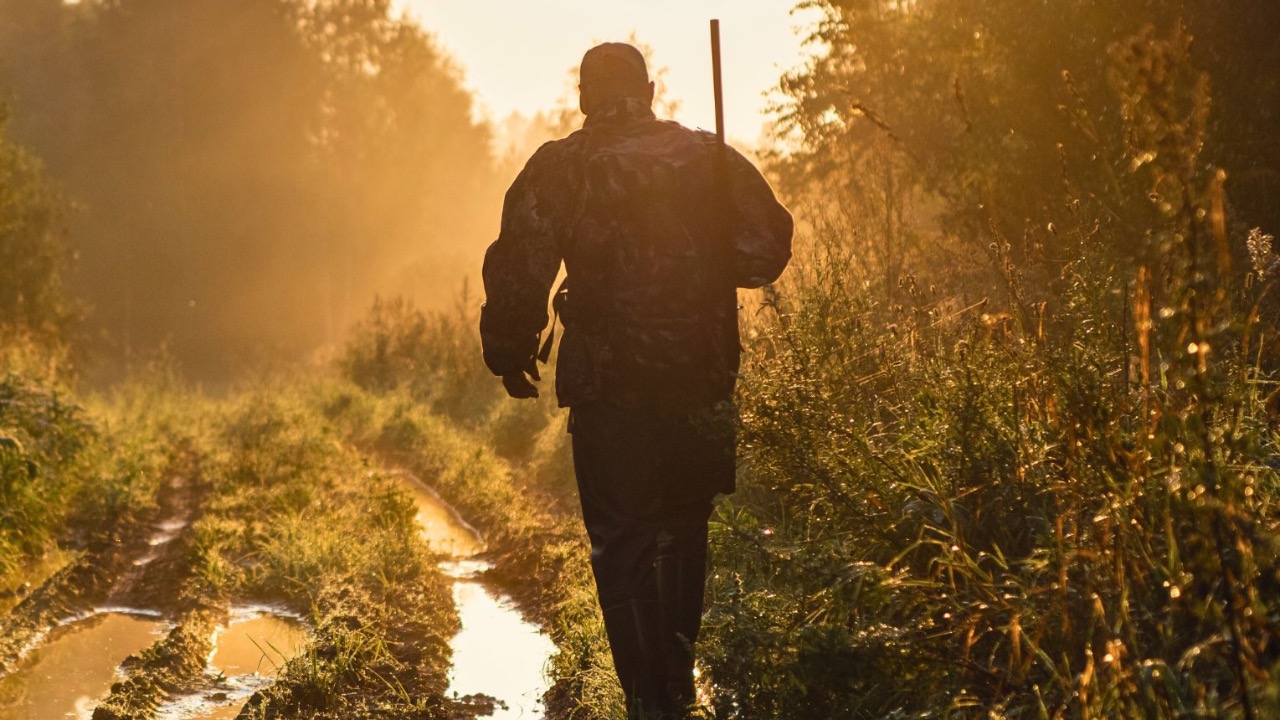
The most expensive rifle in the world will not help if your feet are wrecked by noon. I see hunters treat footwear like an afterthought, grabbing whatever “hunting” boot is on sale without thinking about miles, elevation, or weather. That is how you end up with stiff mountaineering style Boots in flat timber or light hikers on shale where, as one detailed breakdown of western gear mistakes puts it, Footwear seems so simple until blisters and rolled ankles end the hunt. The right boot is built for the terrain you actually hunt, with enough support for sidehilling and enough flex that you can still stalk quietly.
Packs get the same careless treatment. Hunters overload a bargain pack, then wonder why their shoulders are on fire two miles from the truck. A pack needs to transfer weight to your hips, ride close to your back, and stay stable when you crawl, kneel, or shoot. If the frame squeaks, the straps slip, or the belt will not cinch over layers, it is the wrong tool. A good pack and boot system disappears on your body so you can focus on wind, sign, and shot angles instead of every step hurting.
Hauling Too Many Clothing Items
One of the fastest ways to ruin a hunt is to bury yourself in fabric. I have watched new backpack hunters stuff their bags with a full “what if” wardrobe, then struggle under the weight and still end up cold or sweaty. A seasoned mountain hunter described how he used to bring a suitcase worth of layers until he realized that hauling TOO MANY CLOTHING ITEMS did not actually keep him more comfortable. The fix is a tight layering system: a wicking base, an insulating mid layer, and a weather shell that match the forecast and your exertion level.
Extra weight is not the only problem. When your pack is crammed with redundant hoodies and bulky jackets, the pieces you really need are buried or left at camp. That is how people end up glassing in a sweaty cotton shirt while their only dry base layer sits in the bottom of a stuff sack. I build my kit around versatility instead of quantity, choosing pieces that dry fast, pack small, and work across a wide temperature range. Once you trust a lean system, you stop packing your fears and start packing what actually earns its place.
Buying Clothing That Fights Your Shot
Plenty of hunters spend big on camo patterns and then ignore how those garments behave when they draw a bow or shoulder a rifle. Bulky sleeves, noisy fabrics, and stiff shoulders all steal accuracy. One bowhunting guide put it plainly: you need to Make sure you select hunting gear that is conducive to accuracy, whether you shoot a compound, a crossbow, or a long gun. If your jacket collar smacks the string or your pack straps block your anchor point, that is not “user error,” it is a gear problem.
The fix is simple but takes discipline. When I buy outerwear, I bring my bow or rifle to the shop or at least shoulder a similar one. I draw, kneel, sit, and twist. If the fabric grabs my forearm, I either size down, change the cut, or plan on an armguard. One detailed list of common bowhunting mistakes even suggests using an armguard to tame sleeve bulk if you notice string contact during practice, advice echoed in a rundown of common hunting mistakes hunters can easily avoid. Clothing should move with you, stay quiet, and stay out of the way of your shot, or it does not belong in your kit.
Ignoring Weather, Terrain, And Safety In Gear Choices
Too many hunters gear up for the hunt they wish they were on instead of the one they are actually walking into. I see whitetail hunters in the Midwest wearing ultralight western packs and minimalist boots meant for high country, then shivering in a tree stand when a north wind hits. On the flip side, western hunters sometimes show up with heavy rubber boots and cotton hoodies that soak up sweat on steep climbs. A practical rundown of Common mistakes to avoid when using hunting gear starts with Poor preparation and the Mistake of Heading into the field without matching your kit to your conditions and your own experiences.
Safety is part of that equation, not an add on. Every season, hunters are badly hurt because they treat tree stands and climbing systems as afterthoughts. A legal analysis of hunting accidents notes that Falls from tree stands are one of the most common hunting injuries, often leading to broken bones, spinal damage, or worse. A full body harness, a lifeline, and a safe climbing method are not optional accessories, they are core gear choices on the same level as your rifle or bow. When I plan a hunt, I start with weather, terrain, and safety, then build my gear list around those realities.
Using The Wrong Gear As A Beginner
New hunters are especially vulnerable to bad gear decisions because they do not yet know what matters. I have watched first timers show up with bargain scopes that will not hold zero, shotguns choked too tight for the cover, or rifles chambered in cartridges they are scared to shoot. A guide focused on mentoring new hunters warns that Using the Wrong Gear is one of the fastest ways to sour a first season, right alongside skipping hunter education where instructors Take the time to explain safe firearm handling and realistic shot selection. When your gear is mismatched, every miss and every flinch feels like a personal failure instead of a fixable equipment issue.
As a mentor, I try to steer beginners toward moderate recoil rifles with decent triggers, simple fixed power or low magnification scopes, and clothing that is warm, quiet, and not overly technical. A .243 Winchester with a 2 7x scope and a basic wool blend jacket will kill more deer in a new hunter’s hands than a magnum with a giant turreted optic and a closet full of untested camo. The goal in those first seasons is confidence and safety, not chasing every gadget. Once a hunter has a few years under their belt, they can start fine tuning gear to their style, but early on, simple and reliable beats fancy every time.
Misjudging Clothing For Deer Vision And Stand Time
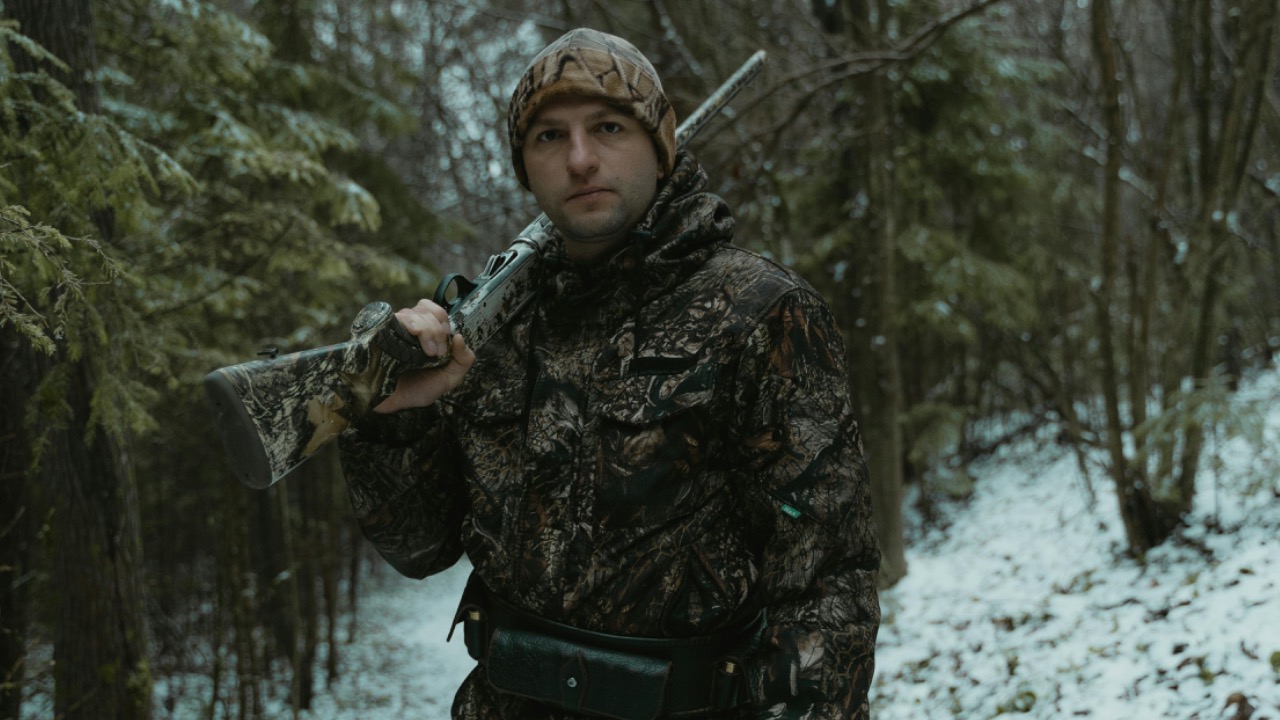
Deer do not see the world the way we do, and clothing mistakes often start with that misunderstanding. Hunters worry about the exact camo pattern while ignoring color science and movement. Vision research on whitetails notes that their eyes have fewer cones than ours and are less sensitive to long wavelength colors like red, but they are very sensitive to shorter wavelengths, which is why one analysis flatly states that the worst color you can wear is blue and emphasizes this with the phrase But their eyes have only about half the cones humans do, making blue stand out. Another practical clothing guide for deer hunters echoes that advice and says, very plainly, Don’t wear blue in the whitetail woods, even if some folks still throw on blue jeans.
Comfort is the other half of the clothing equation. A detailed list of deer hunting errors points out that Clothing Choice You make directly affects how long you can stay in the stand, and that Many hunters cut sits short because they are underdressed or soaked in sweat. I have learned to build my whitetail system around quiet, warm layers that I can add or shed on the walk in. I might hike in with my jacket strapped to my pack, then pull it on once I cool down in the tree. If your clothing keeps you warm, dry, and still, you will be on stand when that midday cruiser slips through, instead of thawing out in the truck.
Skipping Maintenance And Gear Checks
One of the laziest mistakes I see, and I have been guilty of it myself, is assuming last year’s gear is still ready to go. It is easy to believe that a rifle, bow, or harness will make it from one season to the next unscathed, but a detailed rundown of overlooked deer hunting errors warns that It’s easy to assume your hunting equipment will make it from one year to the next unscathed, and that assumption often fails in the field. Strings fray, scope mounts loosen, and dry rot creeps into straps while your gear sits in a damp basement.
My preseason routine now includes a full inspection and function check. I look over rifle stocks for cracks, confirm torque on bases and rings, and run patches through bores. With bows, I check serving, cams, and limb pockets, and I replace any suspect string before it becomes a problem. I also climb into my tree stands in daylight with a lineman’s belt and inspect every step, strap, and weld. That habit lines up with the safety concerns raised in the legal review of tree stand accidents, which ties many serious injuries to neglected gear. A few hours of maintenance in August saves heartbreak in November.
Choosing Rifles And Bows You Cannot Shoot Well
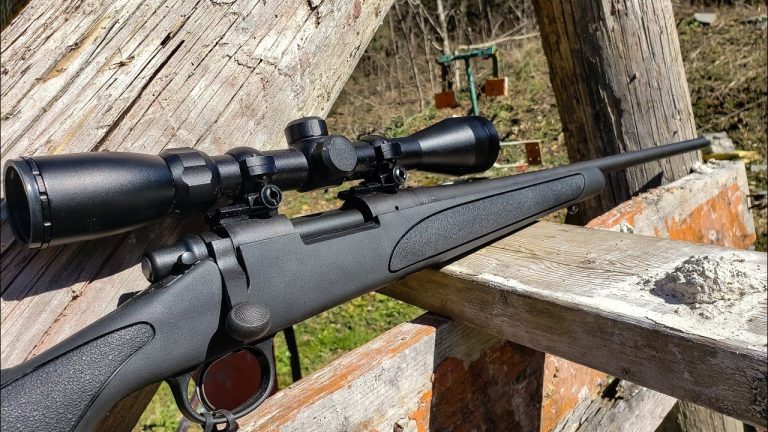
Hunters love to argue about calibers and draw weights, but the biggest mistake is picking weapons that are hard to shoot accurately from real field positions. A practical guide to rifle selection stresses that Field position means standing, kneeling, crouching or squatting, often on uneven ground, maybe braced on a sapling or rock, and that shots sometimes must be taken quickly or not at all. A lightweight magnum that kicks hard and jumps off target is a liability in those situations, no matter what the ballistics chart says. I would rather see a hunter with a mild 6.5 Creedmoor they can shoot well from sitting and kneeling than a big .300 they dread touching off.
The same logic applies to bows. Draw weight and speed are meaningless if you cannot come to full draw smoothly in cold weather or hold steady at full draw while a buck hangs up behind brush. A seasoned rifle and bow coach advises shooters to Use field positions such as leaning off a post or tree, sitting or kneeling in practice to stay familiar with real world shooting, and notes that he rarely shoots prone in the field. I follow the same approach: I sight in from a bench, then spend most of my range time shooting off sticks, packs, and improvised rests. If your rifle or bow feels awkward or punishing in those positions, the gear is wrong, not you.
Underestimating Practice And Realistic Range Limits
Even the best chosen gear will not save a hunter who does not practice. One detailed look at deer hunting errors highlights Not Enough Range Time as a core problem and points out that Hunters should practice each facet of the craft, from shooting to gear checks, instead of assuming last year’s skills will carry over. I have seen hunters uncase a rifle on opening morning that has not been fired since the previous season, then blame the scope when they miss a chip shot. In reality, they never confirmed zero, never checked their sling studs, and never fired from the positions they would use in the field.
My rule is simple: I do not take a shot at an animal that I have not replicated dozens of times in practice. If I want to be lethal at 300 yards from sitting with a pack as a rest, I shoot that exact setup at the range until it feels boring. If I plan to shoot whitetails from a saddle or climber, I practice drawing and shooting from that platform with broadheads. That kind of preparation also exposes gear flaws early, whether it is a sticky safety, a noisy jacket, or a quiver that rattles. When your gear and your practice match the shots you actually take, your odds of a clean kill go way up, and the “mistakes” people blame on equipment start to disappear.

Asher was raised in the woods and on the water, and it shows. He’s logged more hours behind a rifle and under a heavy pack than most men twice his age.