Hunting on a Budget: Gear That Works Without Breaking the Bank
Hunting has always rewarded woodsmanship more than wallet size, but the price tags on modern gear can make it feel like a rich person’s game. You do not need a premium catalog setup to fill a tag, you need a smart plan, a few reliable pieces, and the discipline to spend where it matters and save where it does not. I have watched plenty of new hunters succeed with bargain gear because they understood how to stretch a dollar without cutting corners on safety or ethics.
The goal is not to own everything, it is to own the right things, in the right order, at prices that leave money for tags, fuel, and time in the field. With a little strategy, you can build a kit that works in real weather, handles real abuse, and still fits a working person’s budget.
Start With Priorities, Not a Shopping Spree
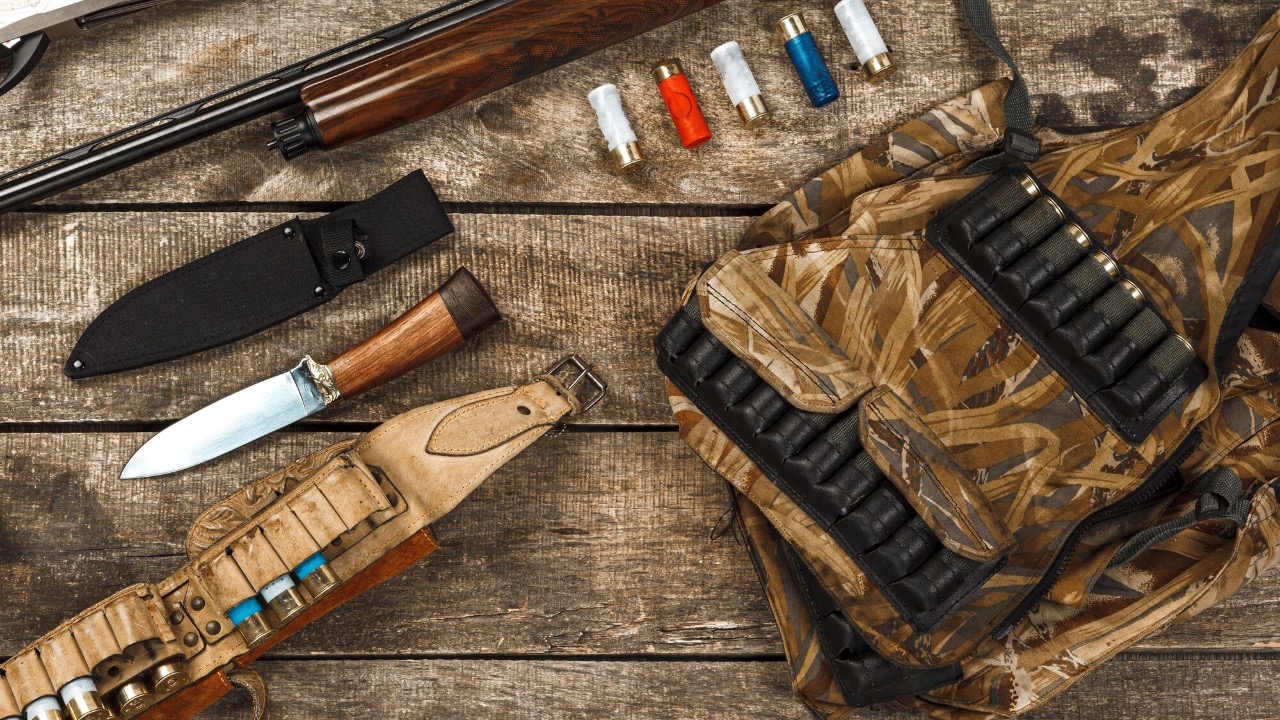
The biggest mistake I see new hunters make is trying to buy an entire “pro” kit in one season. That is how you end up with a garage full of mediocre gear and no cash left for gas to reach the trailhead. A better approach is to rank what actually affects your odds of success and comfort, then tackle those items in order. Core pieces like a safe weapon, decent boots, and weather-appropriate clothing should come long before niche gadgets or matching camo sets.
Several seasoned voices recommend focusing on versatility and long term value instead of chasing every new gadget. One guide to choosing outdoor gear notes that hunters who are “just starting” should prioritize multi season pieces that cover a wide range of conditions while minimizing strain on the budget. Another breakdown of Budget Friendly Hunting, Essential Tips for Gearing Up Without Breaking the Bank literally opens with “Shop Your Closet” and “Make a Solid Ch…” as the first moves, which is exactly how I advise new hunters to start.
Use Your Closet, Then Buy Incrementally
Before you spend a dollar, raid your own closet. Neutral hiking pants, a dark hoodie, and a basic rain shell will get you through early sits far better than you think, especially if you layer smart and add a cheap blaze vest. That frees up money for tags and ammo while you figure out what kind of hunting you actually enjoy. Once you know you are hooked, you can start upgrading the pieces that held you back, one season at a time.
Several budget guides hammer this incremental approach. One set of Budget Friendly Tips for Expanding Your Seasonal Hunting Gear flat out tells hunters to “Buy Incrementally,” treating each new piece as part of the experience instead of a one time splurge. A separate rundown on hunting on a budget leads with “Buy Used Gear,” pointing hunters toward consignment shops, classifieds, and online swaps for big ticket items. When you combine those two ideas, you end up with a steady, affordable path to a serious kit instead of a single painful hit to the bank account.
Budget Clothing That Actually Works
Clothing is where many hunters overspend, chasing brand names instead of performance. You do not need a closet full of high end membranes to stay warm and dry, you need quiet fabrics, decent wind resistance, and a layering system that matches your season. A mid weight shell over a fleece or wool base will cover a huge chunk of the calendar, especially if you are willing to hike a little to stay warm instead of relying on insulation alone.
There are plenty of mid priced pieces that punch above their cost. A mid season shell like the Mossy Oak mid-season anorak gives you wind resistance, a hunting friendly cut, and camo that works in mixed cover without the cost of a full cold weather parka. For wetter climates, a set like the TideWe hunting clothes offers a silent, water resistant jacket and pants combo with multiple pockets and duck or deer camo patterns at a price that undercuts many big name suits. For turkey hunters, one guide to Camo on a Dime points out that Turkeys have sharp eyesight, but you can still blend in effectively with affordable patterns and smart use of natural cover instead of premium camo head to toe.
Rifles, Shotguns, and Where to Spend
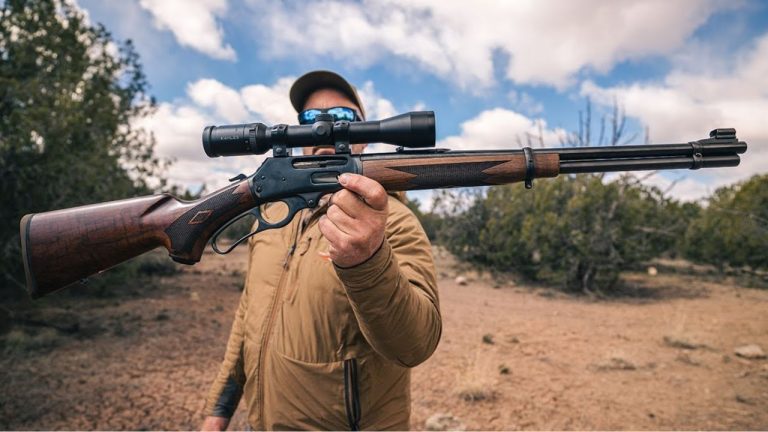
Firearms are where many new hunters feel pressured to overspend, but accuracy and reliability matter far more than engraving or brand prestige. A basic pump shotgun or entry level bolt rifle will kill game cleanly if you do your part. I tell new hunters to buy the most dependable platform they can afford, then spend time and money on practice ammo instead of chasing a more expensive model.
Several budget focused rundowns back that up. One guide to the best hunting gear for beginners on a budget highlights workhorse guns that have been around for decades. In that same reporting, a section on shotguns notes that the Mossberg 500 Field, at approximately 500, $35, is a versatile choice for upland birds and waterfowl. On the rifle side, the Ruger American Rifle is singled out as a bolt action that costs approximately $400 and is known for its precision and light weight, giving new hunters a capable big game tool without drifting into premium territory.
Optics: Spend Smart, Not Max
Good glass is one of the few areas where I tell people to lean toward quality, but that does not mean you need the most expensive scope on the shelf. Clear, repeatable optics help you spot game earlier and make ethical shots, especially in low light. If your budget is tight, I would rather see you run a solid mid range scope and skip a few nonessential accessories than the other way around.
One detailed QUICK LIST of Best Rifle Scopes lays out options across price tiers, from the NightForce NXS 5.5-22X56 at the high end to more modest glass that still performs. That same rundown highlights a Swarovski Optik Z5 3.5-18X44 P (BT) L as a versatile upper mid tier option, but the real lesson is how they separate “Best High End” from more budget friendly picks so hunters can match scope to rifle and terrain instead of chasing status. A separate set of Essential Tips for Gearing Up Without Breaking the Bank stresses that good optics like binoculars and rangefinders are worth prioritizing, even if that means running more basic clothing or boots for a season.
Knives, Tools, and Everyday Workhorses
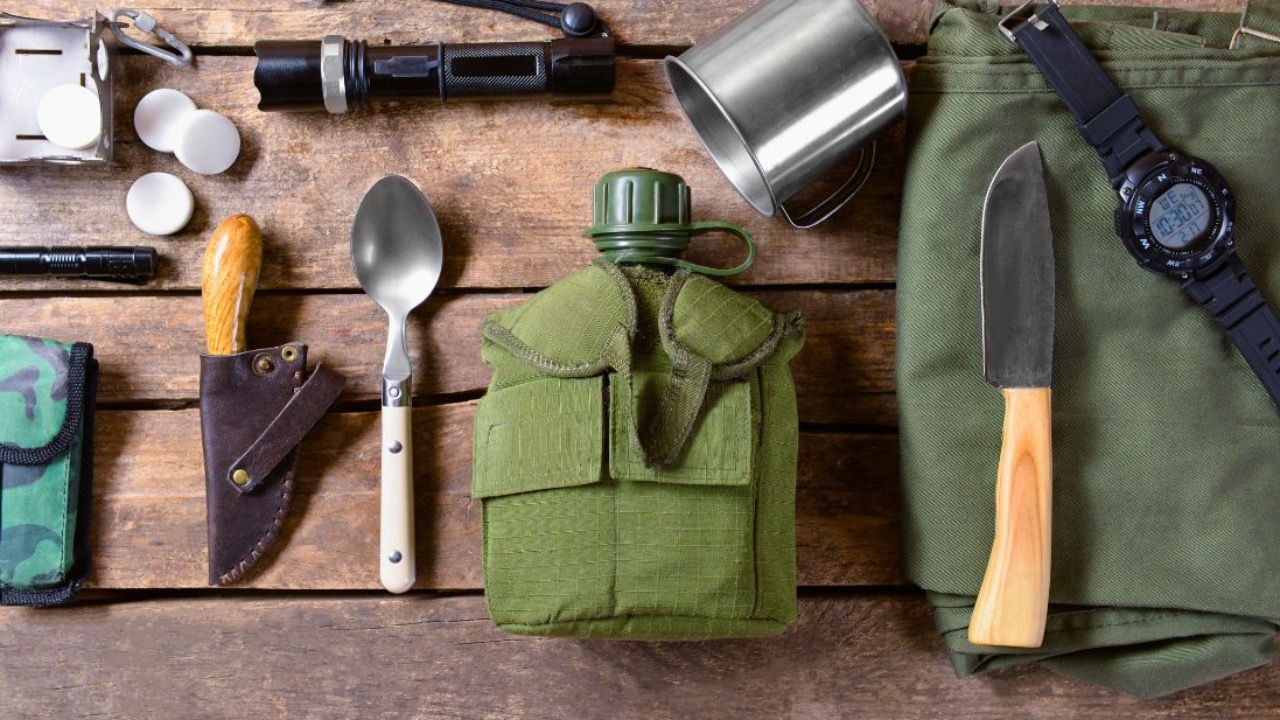
Once your weapon, clothing, and optics are squared away, the next tier of gear is knives and tools. This is where a little money can buy a lot of function. A sharp, reliable knife and a compact multi tool will handle most field chores, from cutting rope to fixing a loose sling swivel. I have carried the same belt knife for years, and it has done more work than any gadget in my pack.
One gear review on getting the most value from your kit highlights how multi tools can replace a whole pouch of single use items. In that piece, Mia Anstine, Leatherman Wave Multi Tool fan, points out that the Leatherman Wave has pliers, blades, and drivers that cover most field repairs and calls it “definitely worth the price.” A broader look at getting the most bang for your buck echoes that idea, steering hunters toward durable, multi use tools instead of single purpose gadgets that spend most of their life at the bottom of a pack. That same logic shows up in an urban gear guide that notes Building a kit does not need to be expensive if you focus on long term value over initial price, which applies in the woods as much as in town.
Leaning on Used Gear and Shopping Data
Used gear is the secret weapon of budget minded hunters. Rifles, packs, and even clothing that have seen a season or two often sell for half of retail while still having years of life left. I have bought lightly used packs and boots from hunters who were switching styles, and those pieces performed every bit as well as new ones. The key is knowing what you are looking at and using real product information to separate solid deals from worn out junk.
Guides that focus on Buy Used Gear walk through how to inspect stitching, zippers, and metal parts before handing over cash. On the digital side, modern shopping tools make it easier to compare prices and specs across brands. A breakdown of Google’s Shopping Graph explains how Product information is aggregated from brands, stores, and other content providers, which means a quick search can show you multiple offers for the same pack or jacket. When you click into specific listings, like a budget friendly hunting pack product or a pair of insulated boots, you can see reviews, specs, and competing prices in one place.
Small Upgrades That Make a Big Difference
Once the big pieces are covered, a few small upgrades can quietly improve your odds without wrecking your budget. Think about comfort and efficiency: a better seat cushion for long sits, a more supportive sling for steep hikes, or a compact headlamp that actually throws enough light to blood trail in the dark. These are not glamorous purchases, but they are the ones you notice at the end of a long day.
Online listings show how targeted upgrades can stay affordable if you shop smart. A compact LED headlamp product with multiple brightness settings, a supportive rifle sling product, or a quiet seat cushion product can all be found at modest prices if you are willing to compare a few options. Even something as basic as a better pair of wool socks or a compact field sharpener product can make long days more manageable.
Think in Seasons, Not Shopping Carts
The most sustainable way to build a hunting kit on a working budget is to think in seasons instead of shopping carts. Pick one or two priority upgrades each year, then let experience in the field tell you what needs attention next. Maybe this fall you focus on boots and a mid layer, next year you tackle optics, and the year after that you finally replace that hand me down pack. Over time, you end up with a dialed setup that fits you and your style of hunting, without ever taking on a painful lump sum expense.
Several planning focused guides echo that long view. One set of Conclusion Expanding tips notes that expanding your seasonal hunting gear on a budget is entirely achievable with planning and creativity, and that you can build a reliable collection without overspending. A broader look at Chris Howard’s expedition ready collection advice makes the same point for outdoor gear in general, urging newcomers to prioritize versatile items that cover multiple trips while minimizing strain on the budget. When you combine that mindset with the specific, budget conscious picks outlined above, you end up with a kit that works hard, costs less, and leaves more money for the part that matters most: time in the woods.
Supporting sources: Untitled.

Asher was raised in the woods and on the water, and it shows. He’s logged more hours behind a rifle and under a heavy pack than most men twice his age.