How to Train Like You Hunt: Real-World Tips
Hunting rewards the people who can move, think, and shoot under fatigue, not just those who look strong in a gym mirror. To train like you hunt, I have to build a program that mimics steep climbs with a loaded pack, long hours on my feet, and short bursts of effort right before a critical shot. That means blending strength, endurance, and mental focus into one realistic system instead of chasing isolated personal records.
Start with the real demands of the hunt
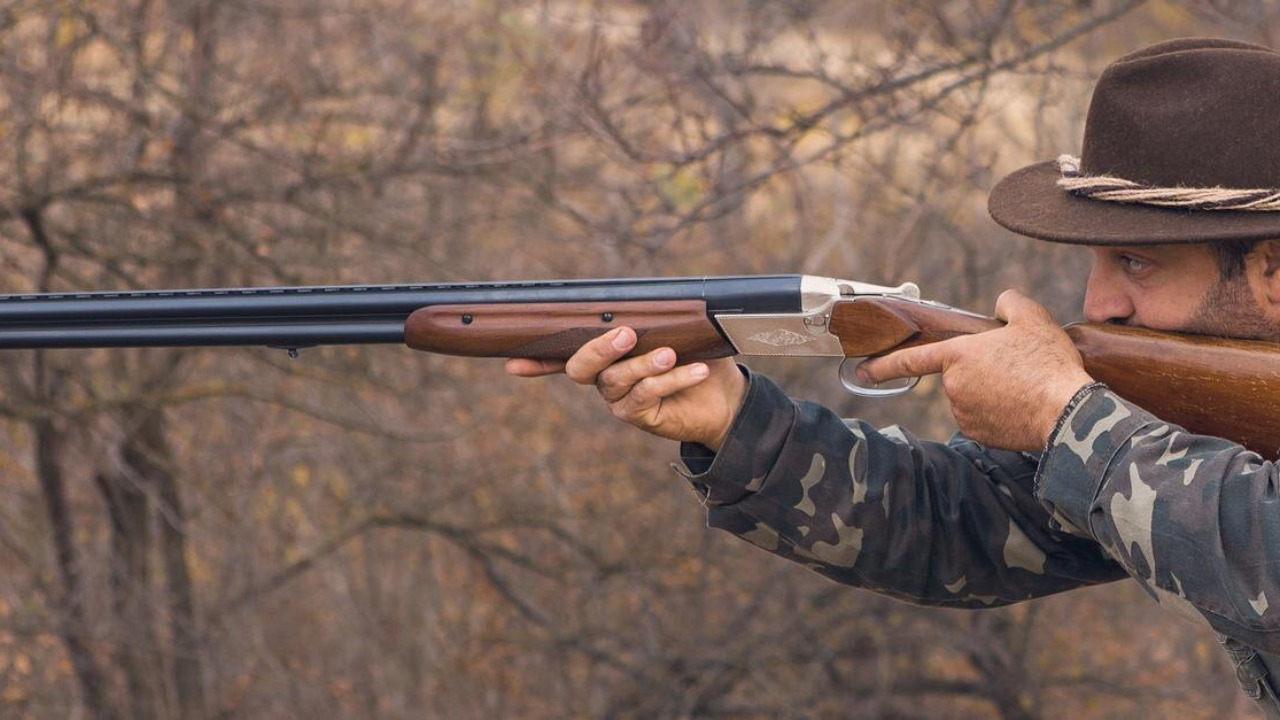
When I strip away the romance, Hunting is a full-body endurance test that mixes heavy carries, awkward terrain, and quick decisions. A day in the field can mean climbing for that perfect vantage point, dropping into a draw, then grinding back out with a pack that suddenly weighs far more than it did at the trailhead. Training that reality means prioritizing compound movements, loaded carries, and conditioning that keeps my heart rate elevated for long stretches, which is exactly the kind of real-world fitness described in backcountry-focused programs that emphasize jump squats, step-ups, and a hard-effort farmer carry before a shot to mirror the chaos of a stalk.
Those demands also explain why generic gym work is not enough. When I stalk game or still-hunt through broken country, I am constantly changing direction, stepping over deadfall, and dropping to a knee, all while trying to stay calm under pressure. That is why I look for guidance that stresses how I Build my endurance with cardio to Boost stamina so I can hunt longer, hike farther, and stay sharp when the shot finally appears, a point reinforced by practical hunting fitness advice that ties every workout back to time on the mountain rather than time under fluorescent lights.
Build a season-long timeline, not a last-minute scramble
Realistic preparation starts months before I ever lace up boots for opening day. Structured plans for Hunting Fitness are clear that when I ask myself When Should You Get in Shape for a big Shape for trip or local Hunt, the answer is that You should begin at least twelve weeks ahead so my joints, lungs, and connective tissue can adapt gradually instead of being shocked by a sudden spike in mileage. That long runway lets me phase in heavier packs, steeper hikes, and more intense intervals without flirting with injury right before the season.
I also have to think beyond a single tag and treat my body like it is in use all year. Guidance on How Do You Stay in Shape for Hunting Year-Round makes the case that staying in Shape for Hunting Year and Round requires a sustainable rhythm of strength, cardio, and recovery so I am not rebuilding from zero every fall. That year-round mindset turns fitness from a crash project into a baseline lifestyle, which is especially important as I age and discover that if I do not stay active, I quickly lose the specific capacity that elk, mule deer, or upland birds demand.
Prioritize strength that carries over to the backcountry
In the field, strength is not about a bench press number, it is about lifting my pack, dragging game, and staying stable on loose rock. Practical hunting programs emphasize Strength as one of three pillars, explaining that You need enough muscle to hoist gear, control recoil, and keep your knees from collapsing under a heavy load, and that the work does not have to be fancy, it just has to be consistent. I focus on deadlifts, lunges, step-ups, and core work that mirror the way I actually move when I am side-hilling or climbing with a rifle or bow in hand.
For elk and other high-country hunts, lower body strength becomes even more critical. One detailed breakdown of training for elk points out that What really matters is building legs and hips that can handle thousands of vertical feet, and that the Short answer to whether this kind of preparation is important is a blunt “hell yes,” Even if I am just chasing cow tags or hunting close to a road. Those same recommendations include weightlifting suggestions that treat my lower body as more important than my upper body, which matches the reality that my shoulders can be relatively modest as long as my legs and back can grind all day with a pack that feels like a sack of concrete.
Match your cardio to how you actually move
Cardio for hunting has to reflect the way my heart rate behaves in the field, which is rarely a smooth jog. Long, steady efforts train my body for sustained effort, and that kind of base is a must-have for backcountry success, but I also need Interval Training that is explicitly about Emulating the Hunt. Well-designed sessions use Exercises like sprints, jumps, and short hill repeats to copy the erratic rhythm of hunting, where I might hike slowly for an hour, then suddenly push hard to crest a ridge before light fades, then stop and try to control my breathing for a shot.
To keep that work grounded, I like templates that spell out exactly how to structure a day. One long-game plan, for example, calls for 20 minutes of Zone 2 work using a Row machine, ski erg, bike, run, ruck, or step-ups, my choice, with Every 4 minutes interrupted by a short, sharp effort like 100 fast bodyweight reps or a heavy carry. That mix of Zone 2 base and periodic spikes looks a lot like the way my heart rate behaves when I am climbing with a pack, glassing, then hustling to cut off a moving herd, and it trains me to recover quickly instead of feeling wrecked after a single push.
Use sport-style intervals and drills to sharpen speed and shooting
Hunting often requires covering long distances at a steady pace, then suddenly closing the last few hundred yards quickly, which is why I Incorporate short bursts into my Cardio Training instead of only plodding along. When I Aim for a mix of hiking, running, cycling, or swimming that includes sprint intervals or hill climbs, I am essentially borrowing from field sports, where athletes learn to repeat high-intensity efforts without losing form. That same logic shows up in track workouts that explain how, Of course, acceleration is still important, but speed endurance is much more important once you work your way up to the 400-meter dash, a distance that feels a lot like a hard push to get into shooting position before an animal disappears.
Team sports and ball games also offer a useful model for skill work under fatigue. Netball coaches, for example, design Shooting drills that start as stationary practice, then progress into movement-based reps when players are feeling tired to mimic game-like situations, and that is exactly how I should treat my rifle or bow. Instead of only shooting from a bench, I can hike a short loop, do a set of jump squats or burpees, then practice a kneeling or prone shot so my trigger press and sight picture stay clean when my legs are shaking and my lungs are burning.
The same principle shows up in football conditioning, where one coach warns that traditional gassers and 110-yard repeats did not get him ready for the chaos of a real game. In a detailed breakdown of HOW TO CONDITION FOR FOOTBALL 🏈 he explains that training speed and practicing at a high intensity was the best way to condition for a football game, a lesson that carries directly into the mountains when I design short, brutal efforts that feel like a final sprint to the ridge instead of endless, slow laps around a track.
Borrow proven hunting-specific workouts and movements
To keep my training grounded in reality, I look for movements that show up again and again in hunting-specific programs. One backcountry plan recommends that I Do 10–15 jump squats, then immediately shoulder my pack for a heavy carry, then finish with a high-effort farmer carry and shoot, a sequence that forces my legs, grip, and nervous system to work together under fatigue. That kind of circuit reflects the way Whether I am chasing elk, deer, or pronghorn, I often have to move quickly, stabilize a rifle or bow, and make a clean shot while my heart is still pounding.
I also build my weekly template around simple, repeatable patterns. A practical guide to getting in shape for the season suggests that I Build Your Endurance with steady hikes and Cardio Training, then Incorporate strength days that focus on the legs and core, and Aim for at least a few sessions each week that combine both, such as rucking followed by step-ups or lunges. To fill in the gaps, I can lean on lists of common movements that highlight 12 essential exercises every hunter should know, including Plan based strength work, balance drills, and Stretching that keeps my hips and ankles mobile so I am ready for the next adventure instead of sidelined by a preventable tweak.
Train your mind and stay consistent year after year
Physical capacity is only half of what I need when the weather turns ugly or the pack-out looks miserable. Psychologists who study high performers point out that Physical training is just half the game; mental preparation makes champions, and that is as true in the elk woods as it is on a tennis court. I can build that inner game by rehearsing tough scenarios in my head, practicing breath control before every shot, and deliberately finishing workouts when I would rather quit so my brain learns that discomfort is not an emergency.
Real hunters also remind me that consistency matters more than any single heroic effort. One 42-year-old who chimed in on a hunting-specific fitness question explained that basketball helps him a lot, but he stressed that But you really have to stay active the older you get or you quickly lose the specific strength and stamina that elk will demand, a reality that hits hard when a steep pack-out exposes every shortcut I took in the off-season. Long-term programs for staying in shape all year echo that message, noting that just like with cardio, there will always be obstacles such as time, willpower, and soreness, but the best investment you can make is a simple, repeatable routine that keeps you moving even when life gets busy.
To tie it all together, I treat my hunting fitness like a sport season, not a crash diet. I map out twelve or more weeks of progressive strength and cardio, plug in hunt-specific drills that combine movement and shooting, and keep my mental game sharp with small daily habits. If I do that, the transition from training to the mountains feels seamless, and my body and mind are already living the way I plan to hunt long before the first legal light of the year.

Leo’s been tracking game and tuning gear since he could stand upright. He’s sharp, driven, and knows how to keep things running when conditions turn.