10 reasons simple gun designs last longer
Simple gun designs tend to outlast more complicated platforms, and the Glock 19 is one of the clearest modern examples of that principle. By looking closely at why this mid-sized pistol has become a default everyday carry choice, I can show how straightforward engineering, practical materials and user-friendly controls translate into decades of reliable service.
1. Fewer Moving Parts in Designs Like the Glock 19
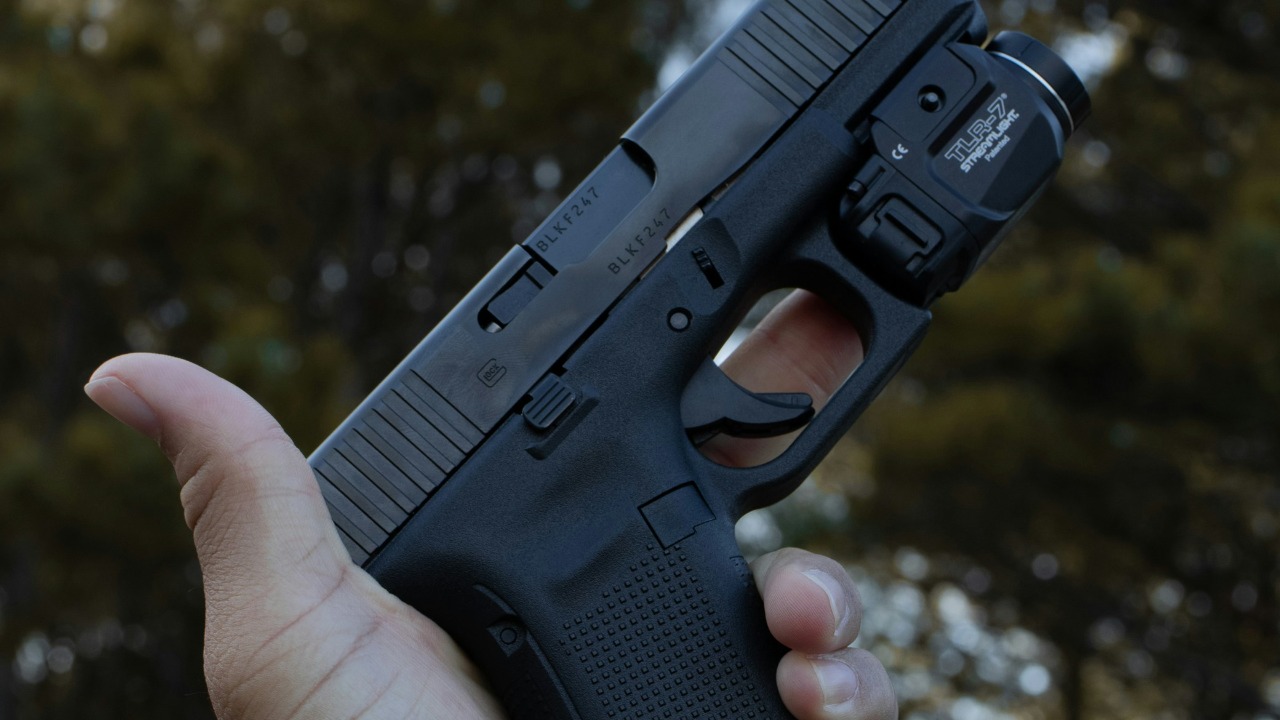
The Glock 19 relies on a streamlined internal layout with relatively few moving parts, and that simplicity is central to its reputation for reliability. Coverage of the pistol’s role as a great carry gun notes that its basic, striker-fired mechanism and lack of external safeties keep the action uncomplicated, which in turn reduces the number of components that can crack, bend or drift out of spec. When a design avoids intricate linkages and tiny springs, each firing cycle puts less cumulative stress on the system.
Over years of daily carry, that reduced stress matters for owners who expect a sidearm to function after thousands of holster draws and live rounds. A simple design like the Glock 19 is easier for armorers to inspect, and wear patterns are more predictable, so parts can be replaced before they fail. In practical terms, that means fewer unexpected stoppages for law enforcement officers, private security or civilians who depend on a consistent, repeatable trigger press every time.
2. Simplified Maintenance Routines for the Glock 19
The Glock 19 also shows how simple construction makes long-term maintenance straightforward. Fieldstripping the pistol requires no specialized tools, and the takedown process is limited to a few basic steps that most owners can memorize quickly. Reporting that highlights why the Glock 19 is a great carry gun points out that this ease of disassembly encourages regular cleaning, which is essential for preventing carbon buildup and fouling that can shorten a firearm’s service life.
Because the maintenance routine is so simple, users are more likely to follow it after training sessions or extended carry in dusty or humid environments. That habit keeps critical surfaces lubricated and free of debris, preserving the fit between slide, barrel and frame. Over time, consistent cleaning and inspection slow the progression of wear, so the pistol can stay in service longer before needing major parts replacement or professional gunsmith attention.
3. Reduced Malfunction Risk in Glock 19-Style Builds
Designs modeled on the Glock 19 benefit from a clear link between simplicity and low malfunction rates. One detailed breakdown of the Glock 19 Gen 3 notes that its simple design with few moving parts directly reduces the chance of malfunction, and that regular cleaning helps prevent stoppages. When a pistol has fewer interacting components, there are fewer ways for dirt, worn edges or user error to interrupt the firing cycle.
For stakeholders like concealed carriers and agencies issuing sidearms to large numbers of personnel, that reduced malfunction risk translates into confidence and lower training overhead. Instructors can focus on fundamentals rather than troubleshooting complex mechanical quirks. Over tens of thousands of rounds, a design that rarely chokes undercuts the need for frequent diagnostic work, which is another way simplicity extends the practical lifespan of the platform.
4. Durable Material Choices Echoed in the Glock 19
The Glock 19 pairs a steel slide and barrel with a polymer frame, and that material mix is a key reason simple designs last. The polymer frame resists sweat, rain and everyday abrasion in a way that traditional blued steel frames do not, while the steel components handle chamber pressures and barrel wear. In coverage of why the Glock 19 is such a strong carry option, this combination is repeatedly cited as a practical balance between strength and corrosion resistance.
For long-term owners, that means less time fighting rust on grip surfaces and frame rails, and more confidence that the pistol will function after exposure to moisture or body oils. Agencies that issue the Glock 19 can store and carry the pistols in varied climates without constant refinishing. The durable materials complement the simple design, ensuring that the core structure remains sound even as small parts like recoil springs are replaced over the years.
5. Proven Field Endurance of Glock 19 Simplicity
The Glock 19’s widespread adoption by professionals is strong evidence that simple designs endure in real-world use. A detailed feature on why it is a great carry gun explains that the model has been carried by uniformed officers, detectives and armed citizens who subject it to daily holster wear, sweat and repeated training cycles. That broad user base effectively stress-tests the pistol’s design under countless conditions that a more complex firearm might not tolerate as well.
When I look at that track record, the implication is clear: a straightforward mechanism that keeps working for thousands of people in varied roles is likely to keep working for decades. Departments and individuals who standardize on the Glock 19 benefit from shared parts, consistent manuals of arms and predictable maintenance schedules, all of which reinforce the long-term viability of the platform and reduce lifecycle costs.
6. Cost-Effective Longevity from Glock 19 Principles

Simple guns like the Glock 19 also last longer because they are cheaper to keep running. With a limited number of core components and a design that has remained stable across generations, replacement parts are widely available and relatively inexpensive. That availability is highlighted in discussions of the pistol’s appeal as an everyday carry choice, where owners can easily source new recoil springs, magazines or small pins without resorting to custom work.
For budget-conscious shooters and agencies, this cost-effective support structure matters as much as the initial purchase price. When a pistol can be refreshed with a few affordable parts instead of a full overhaul, it is more likely to stay in service rather than being retired. Over time, the combination of simple internals and accessible spares makes the Glock 19 a long-term investment rather than a disposable tool.
7. User-Friendly Operation in Simple Glock 19 Designs
The Glock 19’s user-friendly controls show how simplicity in operation can protect a gun from premature wear. The pistol’s consistent trigger pull, lack of external manual safeties and straightforward magazine release reduce the number of complicated manipulations a shooter must perform under stress. In a forum discussion of Five Reasons the Glock is a Great Carry Gun, contributors emphasize that this intuitive layout helps new and experienced users alike run the pistol effectively.
Fewer awkward or forced movements mean fewer chances to ride the slide stop, slam magazines at odd angles or otherwise abuse the mechanism. Over years of training and defensive use, that gentle treatment helps preserve feed lips, locking surfaces and control levers. For organizations training large numbers of shooters, a simple, forgiving control scheme reduces user-induced damage, which in turn extends the working life of each issued pistol.
8. High Tolerance for Abuse in Glock 19-Inspired Simplicity
The Glock 19’s reputation for toughness illustrates how simple designs can tolerate significant abuse without failing. A video feature titled 7 Reasons You’ll Want To Take The Glock 19 Everywhere describes The Glock as an excellent mid-sized gun that can serve as both a carry weapon and a professional handgun, implying it is built to handle constant use and rough handling. That dual role demands a design that keeps functioning after drops, impacts and exposure to dirt or sweat.
Because the internal geometry is uncomplicated and the polymer frame absorbs some shock, the pistol can shrug off incidents that might bend or misalign parts in more intricate designs. For users who carry daily in demanding environments, that resilience means fewer trips to the armorer and less downtime. Over the long term, a gun that can survive hard knocks without developing chronic issues will naturally outlast a more delicate counterpart.
9. Modular Yet Uncomplicated Glock 19 Framework
The Glock 19 manages to be both modular and simple, which helps extend its service life. Owners can swap sights, add lights or change grip textures without altering the core operating system. In-depth coverage of why it is a great carry gun notes that this flexibility allows the same basic pistol to serve in concealed carry, duty and home-defense roles with only minor configuration changes.
That modularity means users are less likely to replace the entire firearm when their needs evolve. Instead, they can update accessories while relying on the same proven slide, barrel and frame. For agencies, this reduces procurement churn and allows incremental upgrades. The underlying simplicity of the design ensures that these modifications do not introduce new failure points, preserving reliability even as the pistol is tailored to different missions.
10. Exceptional Round Count Sustainability with Glock 19 Simplicity
The Glock 19’s ability to handle high round counts without major degradation is perhaps the clearest proof that simple designs last longer. Detailed evaluations of the pistol as a great carry gun describe it as capable of enduring extensive training regimens and defensive use without significant loss of accuracy or reliability. Enthusiasts and instructors routinely cite examples of Glock 19 pistols running tens of thousands of rounds with only routine spring and small-part replacements.
That kind of endurance is possible because the basic internals are robust and easy to service. When a design can realistically support 50,000 or more rounds before any major overhaul, it outpaces many more complex competitors that require frequent tuning. For serious shooters, that longevity means more time on the range and less money spent on replacement guns, reinforcing the broader lesson that simple, well-executed engineering tends to stand the test of time.

Leo’s been tracking game and tuning gear since he could stand upright. He’s sharp, driven, and knows how to keep things running when conditions turn.