When a Bigger Gun Isn’t Better
Firearms culture loves superlatives, from the biggest magnum revolver to the tiniest pocket pistol. Yet the promise that more size, more caliber, or more power automatically equals better performance rarely survives contact with physics, training realities, or daily carry needs. When a bigger gun is not matched to the shooter or the job, it can become a liability instead of an advantage.
I have found that the most capable shooters are usually the ones who pick the gun they can control, conceal, and maintain, not the one that looks most impressive on a spec sheet. The real question is not how large a firearm you can buy, but how much gun you can actually run well under stress.
Power, Physics, and the Limits of “More Gun”
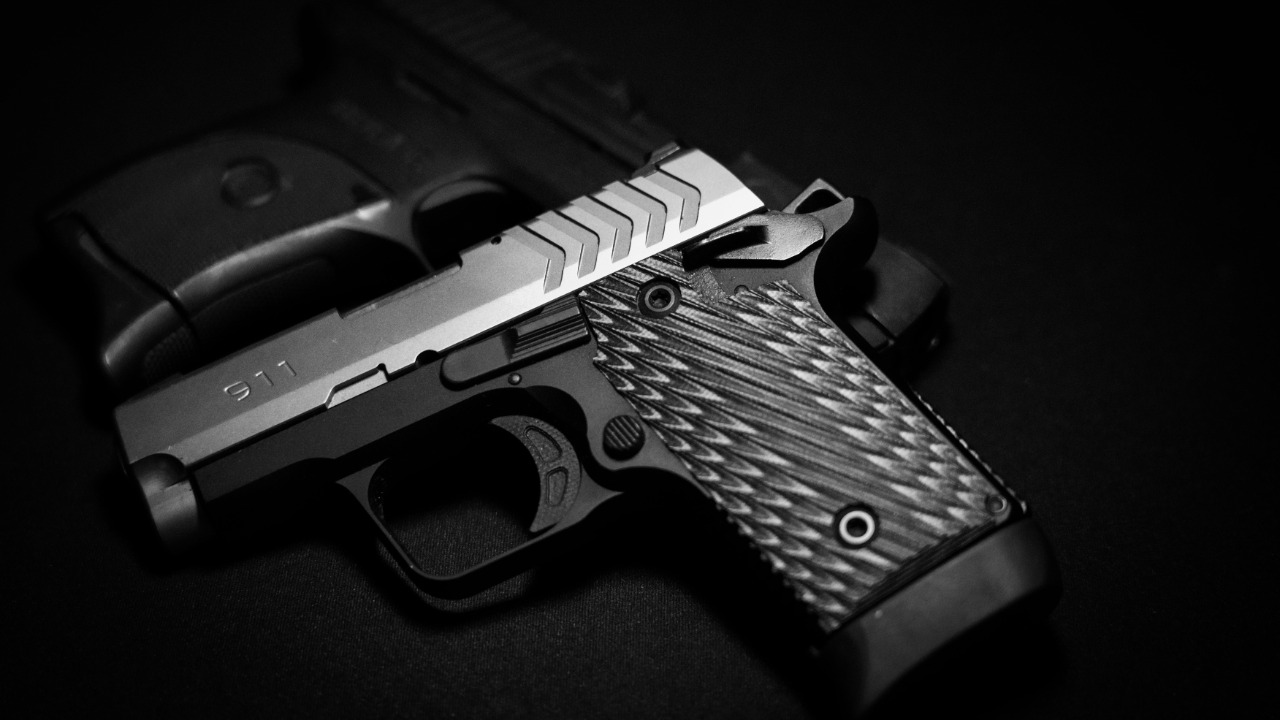
The intuitive case for a larger firearm is simple: a bigger cartridge hits harder, and a heavier frame looks more intimidating. In practice, the tradeoffs start the moment you press the trigger. As one detailed look at big-bore rifles notes, the argument that a larger gun delivers greater penetration and shock is easy to make, but the biological and mechanical costs of that extra power quickly add up in the form of increased recoil, slower follow-up shots, and shooter fatigue, turning what seems like an upgrade into a bigger headache. The physics are unforgiving: every gain in muzzle energy has to be managed somewhere, usually in the shooter’s hands, wrists, and shoulders.
Even when a larger platform softens the blow, the underlying recoil impulse does not disappear. A physics-focused discussion of firearm dynamics points out that a heavier gun firing the same mass of projectile at the same velocity will generate the same total recoil, but the shooter feels less of it because the weight spreads that impulse over a longer time, which is why a full-size steel pistol can be more comfortable than a featherweight snub nose in the same caliber. That does not mean a giant handgun is always easier to shoot, only that mass can tame kick if all else is equal, a nuance that often gets lost when people assume a big gun automatically equals less recoil.
Caliber Choices: When “Enough” Beats “Maximum”
Caliber debates tend to reward bravado, but the more useful question is how much power is sufficient for the task. A comparison between The Short Answer on 45 and 70 caliber rifle cartridges illustrates this point clearly: the 45-70 offers more power and is ideal for bigger game, while the 30-30 delivers less recoil, is easier to shoot accurately, and is generally cheaper to feed. For many hunters, the cartridge that allows consistent hits and regular practice will outperform the one that looks more impressive on paper but punishes every trigger pull.
Understanding why that balance matters starts with the basics of how calibers work. A primer on gun dimensions explains that caliber refers to the internal diameter of the barrel and interacts with bullet weight, muzzle velocity, and design to determine recoil, control, and stopping power, which is why its section on Understanding Recoil and Control treats Recoil as a central factor in choosing a round. A defensive shooter who can place rapid, accurate hits with a moderate cartridge is usually better served than one who flinches through a handful of heavy loads and avoids training because every session feels like punishment.
Concealment: The Gun You Can Actually Carry
For people who carry daily, the most powerful pistol in the safe is irrelevant if it is too large to conceal in normal clothing. Practical discussions among concealed carriers stress that Height is only part of the concealment equation, and that build, wardrobe, and holster choice often matter more than raw stature when deciding how much gun you can hide without printing or discomfort. One widely shared conversation notes that even tall carriers can struggle with grip length and slide height if they dress light, underscoring that Height alone does not guarantee you can get away with a full-size pistol.
Instructional content on appendix carry goes further, warning that Your Gun can be TOO BIG for your Concealment Sweet Spot and that chasing capacity or barrel length without regard to body shape leads to hot spots, awkward draw strokes, and a constant urge to adjust the holster. One popular breakdown of Appendix Carry Mistake patterns shows how a slightly smaller frame or shorter grip often disappears under the same shirt that struggles to hide a duty-size slide, a reminder that the gun you can comfortably wear for twelve hours is more valuable than the one that only works under a winter coat, no matter how BIG it is.
Small Guns, Big Surprises
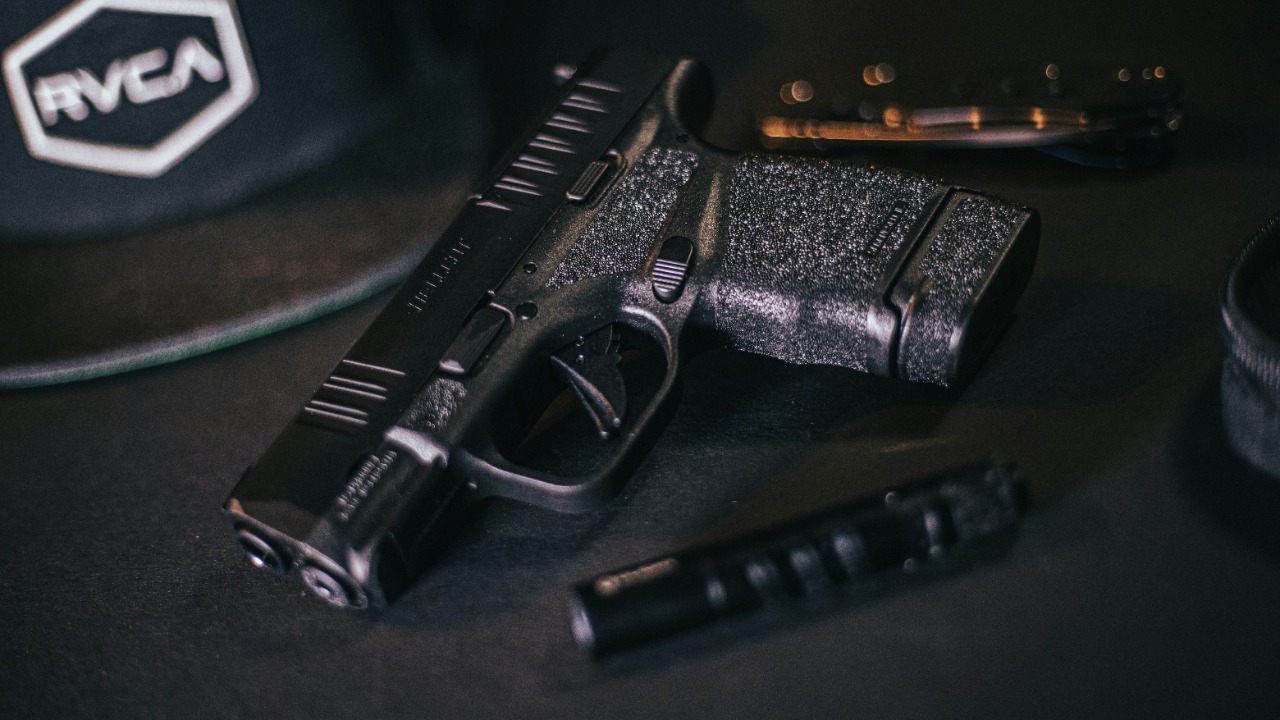
If bigger is not always better, smaller is not automatically easier either. Training groups that work with new shooters regularly point out that compact pistols can be snappy and unforgiving, and one widely shared post bluntly states that Bigger is not always scarier and smaller is not always easier, pushing back on the idea that a tiny handgun is the natural choice for anyone with limited experience or smaller hands. That same guidance notes that micro pistols often have abbreviated grips and minimal sight radius, which can make them harder to control and slower to shoot well, even if they look less intimidating on the counter at Bigger gun shops.
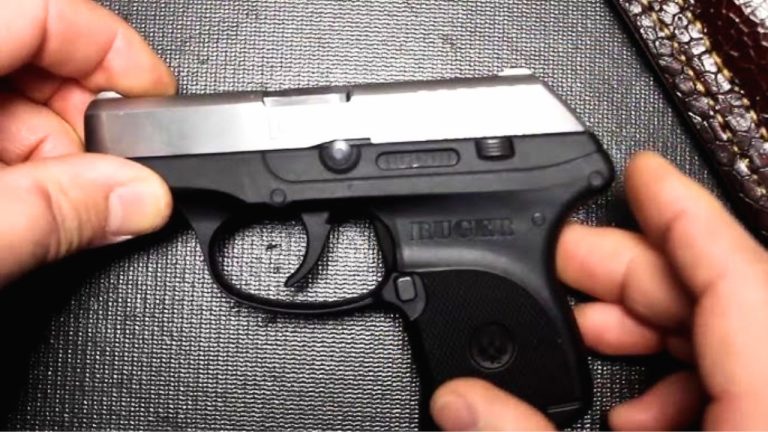
Retail-focused advice echoes that warning. An Expert Tip on pistol sizes notes that, in general, the smaller the handgun, the more felt recoil, and calls it a common misconception to assume the smallest possible gun is the best choice for new or recoil-sensitive shooters. A separate analysis of concealed carry options points out that a 380 ACP micro-compact such as the Ruger LCP or GLOCK G42 is often harder to control than a slightly larger compact, and explicitly states that Smaller handguns are generally harder to manage than full-size models, especially for those still building fundamentals, which is why many instructors steer beginners away from the tiniest 380 pistols.
Skill, Not Size, As the Real Force Multiplier
Once the basics of power and concealment are covered, the conversation inevitably turns to how many guns and how much gun a person really needs. In one candid exchange among self-described liberal firearm owners, a commenter argues that Unless you are arming your neighborhood in a societal collapse scenario, you are usually better off becoming proficient with a few adequately built guns than spreading time and money across a large stable of marginal ones, even suggesting a single primary handgun with a backup as a more realistic path to competence. That perspective treats training hours and ammunition budgets as finite resources, and implies that a modest, reliable pistol shot well is more valuable than a safe full of exotic calibers that rarely leave the range bag, a point many experienced shooters quietly endorse in Unless threads.
Instructors who work with new and returning shooters see the same pattern. A guide to handgun selection for women notes that S&W 29s rule in the cultural imagination, but that a male novice has just as much chance of taking a whuppin’ from that 44 M as a female does, because Magnum recoil does not care about gender, only about grip, stance, and experience. The message is blunt: a powerful revolver that intimidates its owner into flinching or limiting practice is a poor defensive choice compared with a softer-shooting pistol that encourages regular range time, a reality that undercuts the idea that buying a larger caliber can substitute for Magnum skill.
Right-Sizing the Gun to the Mission
Choosing the wrong size firearm is not just a comfort issue, it can be a tactical mistake. In a widely viewed breakdown titled Why You’re Carrying the Wrong Size Gun, an instructor walks through non-typical firearms to show how oversized pistols slow draws, complicate concealment, and encourage people to leave the gun at home, while undersized models sacrifice shootability and capacity. The core argument is that the size of a defensive handgun should be driven by realistic scenarios and clothing, not by ego or marketing, and that many people would be better served by a mid-size pistol they can carry daily than by a massive model that only works on the range, a point that resonates across Jan training videos.
Even in fictional settings, the tradeoff between a few large weapons and many smaller ones is a recurring theme. A debate among Star Wars ship enthusiasts pits the idea of lots of smaller guns against fewer big guns, with users like Dragonkingofthestars and Emillllllllllllion arguing that the right answer depends on what you are shooting at and how you expect to fight. That conversation mirrors real-world naval and ground combat doctrine, where flexibility, rate of fire, and coverage often matter more than sheer caliber, and where a mix of systems can outperform a single oversized cannon, a lesson that applies just as well to personal defense choices as it does to Jul starships.
History’s Warning: The Schwerer Gustav Problem
History offers a stark example of how the pursuit of the biggest possible gun can backfire. The Nazi regime’s Schwerer Gustav rail gun was a colossal artillery piece that required enormous resources to build, transport, and operate, yet delivered relatively modest strategic returns. Analysts of that project note that Bigger is bigger, but is not necessarily better in an armed struggle, and that the Schwerer Gustav gun demonstrates how a weapon can be technically impressive while being operationally inefficient, vulnerable, and inflexible, especially when opponents adapt with mobility and air power that render a single giant asset Schwerer Gustav obsolete.
The lesson from that era is not that large weapons are always a mistake, but that scale without flexibility is a dead end. Modern shooters face a similar, if smaller scale, choice every time they stand at a gun counter: invest in the largest, most powerful firearm they can afford, or choose the one that fits their body, training schedule, and likely threats. When I weigh those options, I see the same pattern that doomed the giant rail gun, where resources poured into a single oversized solution could have been better spent on a balanced mix of tools and skills, and where the most effective force is rarely the one with the biggest gun, but the one that knows exactly how much gun it needs and no more.

Leo’s been tracking game and tuning gear since he could stand upright. He’s sharp, driven, and knows how to keep things running when conditions turn.