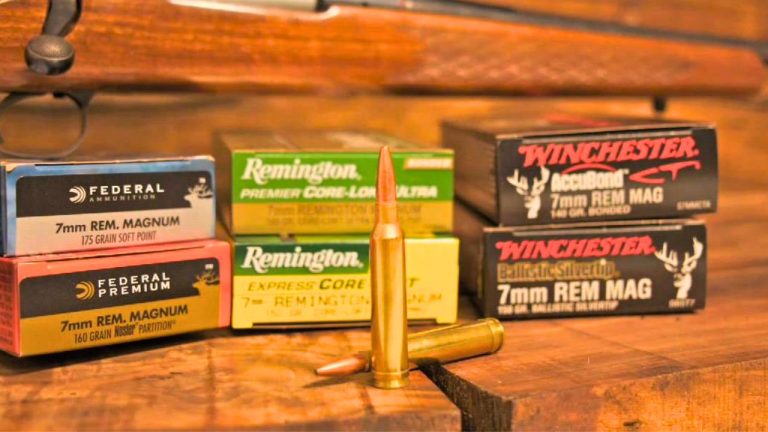
10 Guns That Look Good but Fall Short in the Field
Some guns look perfect on the rack, with pretty wood, sharp engraving, or slick camo, then let you down when birds are flying and your hands are sweaty. I have spent enough time in fields and blinds to know that good looks do not always translate to clean kills. Here are 10 guns and gun-adjacent choices that can turn out to be more show than go when the pressure is on.
1. Remington 870 Dove Gun Setups
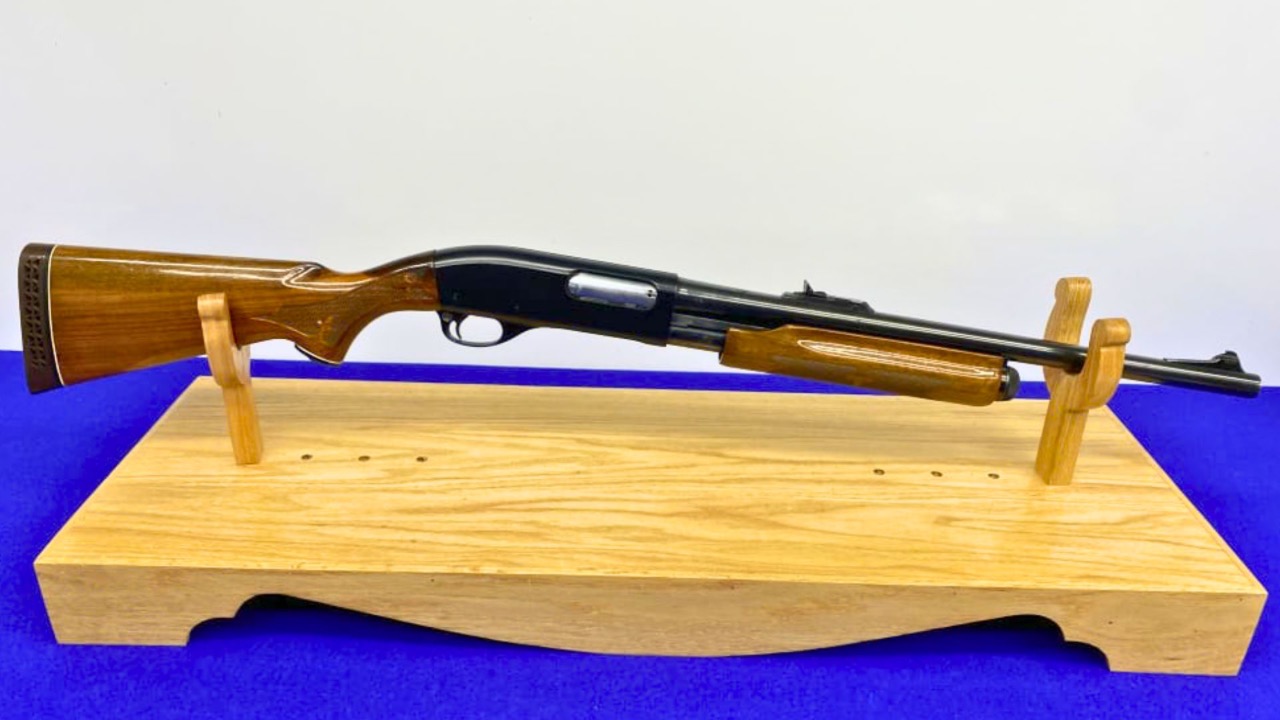
The Remington 870 has classic lines that photograph well in any dove spread, especially in Fieldmaster trim with its upgraded finish and wood. Reviews of the Fieldmaster point out that it keeps the familiar handling of the old Express while cleaning up rough edges, so it looks and feels like a more refined pump. On a gun rack or in a tailgate photo, that matters, and it is easy to see why many hunters keep reaching for an 870.
Out in a dusty sunflower field, though, the same 870 action can start to show its age if it is not spotless. The tight tolerances that help it feel solid can magnify grit, and a long afternoon of fast shooting will expose any weakness in cheap shells or worn extractors. A separate look at the Remington Fieldmaster review notes that early impressions are positive, but that does not erase decades of sticky pumps and short-stroking under stress, which is exactly when dove hunters need a gun to run without drama.
2. Benelli Montefeltro
The Benelli Montefeltro is the kind of shotgun that turns heads at a dove opener. Its slim fore-end, clean receiver, and Italian styling make it look like a high-end field piece even in basic walnut trim. In lineups of the best 12-gauge dove guns, it often earns praise for that sleek profile and fast handling, which on paper sounds perfect for birds that rocket over a tree line without warning.
Where the Montefeltro can fall short is in long, hot shoots where you are burning through boxes of shells. The inertia system that keeps the gun so light and trim also transfers more of the work to the shooter, and fatigue shows up in slower follow-ups and flinches late in the day. When you add in the need for a firm shoulder mount to keep it cycling, the Montefeltro’s runway-model looks can mask a gun that is less forgiving than many hunters expect once the barrels heat up and the barrel smoke hangs over the field.
3. Beretta A400
The Beretta A400 family looks like a modern classic, with smooth receiver lines and tasteful checkering that make it feel at home in any upscale dove camp. Gas operation and trim stocks promise soft recoil and fast second shots, and on a clean range, the gun often lives up to that promise. It is no surprise that when people talk about premium semi-autos for birds, the A400’s name comes up early and often.
Problems start when the weather turns or the field gets muddy. Gas systems need attention, and the A400 is no exception, so a gun that looked flawless at the truck can start to choke if it is dragged through wet milo or dropped in a dusty blind. When a dove wave finally hits and you are clearing a sluggish bolt instead of swinging, the gap between catalog beauty and field reality becomes painfully clear, especially for hunters who assumed a high sticker price meant they could ignore basic maintenance.
4. Winchester SX4
The Winchester SX4 wears its modern styling proudly, with synthetic stocks, aggressive texturing, and a profile that looks ready for any weather. Many owners on forums say they run well and appreciate the lighter weight, which helps the gun feel quick on the shoulder. In a store rack, the SX4 can seem like the perfect answer for hunters who want a tough, no-nonsense dove gun that still looks current.
Extended field sessions tell a more complicated story. That light build and upright grip can translate into sharper recoil over several boxes of shells, especially with heavy dove loads, and shooters who do not fit the stock well can start to feel beat up. Once fatigue sets in, even a reliable semi-auto becomes harder to control, and the SX4’s tactical styling does not change the fact that a gun that punishes the shooter will cost birds late in the day when concentration and form are already slipping.
5. Mossberg 500
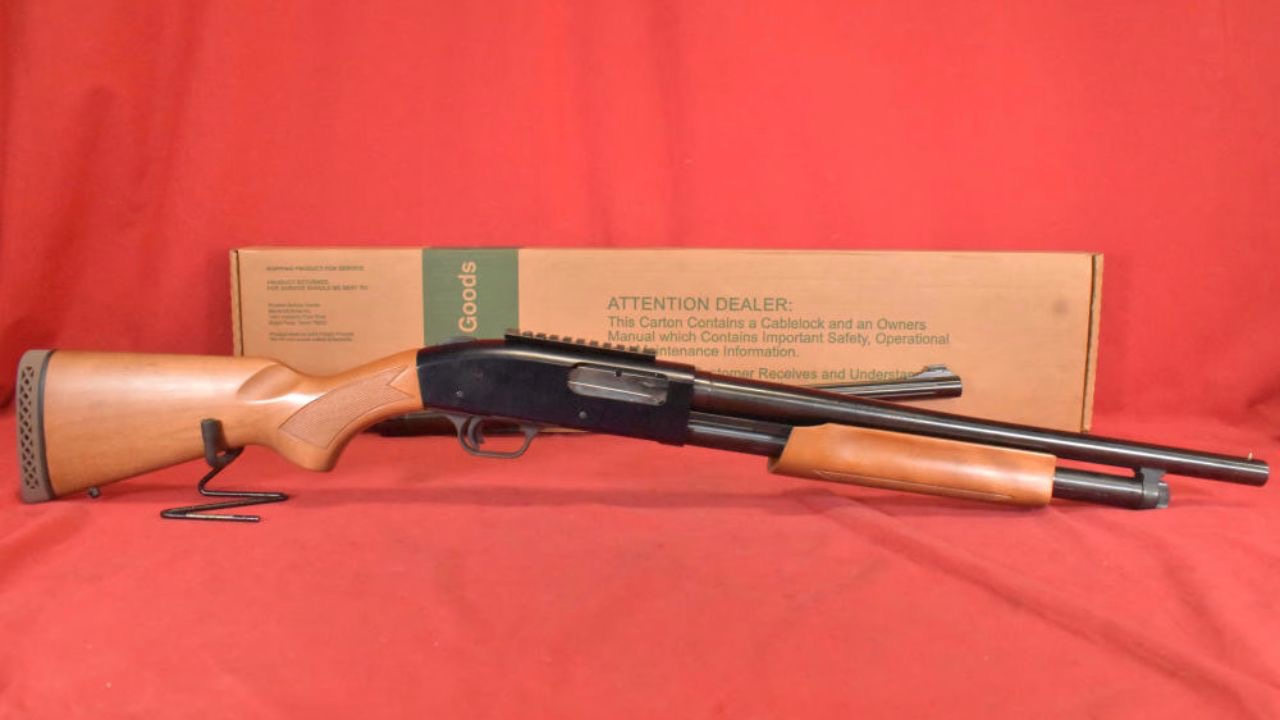
The Mossberg 500 has a rugged, almost nostalgic look that appeals to hunters who like a gun that seems ready for anything. With its tang safety, simple lines, and often surprisingly nice wood on field models, it can look like a blue-collar classic in a dove spread. Many shooters appreciate that it appears more polished than its budget price suggests, which makes it an easy choice for a first-season gun.
In real-world dove fields, the 500’s budget roots can show. Rougher internal finishes and looser tolerances mean that dust, cheap shells, and rushed pumping can combine into occasional short-strokes or failures to feed, especially when the gun is not cleaned between outings. Those hiccups might be acceptable on a casual clay day, but when a big flock swings into range and you are fighting the action instead of leading birds, the Mossberg’s workmanlike looks feel like a promise the mechanics do not always keep.
6. Browning Maxus II
The Browning Maxus II is built to catch the eye, with glossy finishes, sculpted stocks, and trim that looks more upland lodge than gravel parking lot. Catalog photos show a shotgun that seems ready for a lifetime of hard hunting without losing that shine, and the gas system is marketed to keep recoil manageable. On paper, it appears to be a semi-auto that can do everything while still looking sharp in trophy photos.
Once the gun starts seeing real field time, cosmetic wear and shifting point of impact can creep in faster than some owners expect. A finish that looked bulletproof in the box can pick up scratches and dings from fences and truck beds, and any small change in stock fit or barrel regulation shows up quickly when you are trying to center small birds. For hunters who paid for both performance and polish, watching patterns wander or the finish fade is a reminder that pretty lines do not guarantee long-term consistency.
7. Franchi Affinity
The Franchi Affinity has a trim, lightweight look that appeals to anyone who walks long fence lines for doves. Its synthetic stocks and clean receiver give it a modern, minimalist style, and the inertia system helps keep the profile slim. On the rack, it feels like the kind of gun you could carry all day without thinking about it, which is a strong selling point for early-season heat.
That same light build can work against you once the shooting starts. A gun that weighs less kicks more, and the Affinity’s balance can feel whippy to shooters who are used to heavier gas guns, leading to rushed swings and misses on crossing birds. Over a long afternoon, the combination of extra recoil and quick handling can magnify small form mistakes, turning what looked like the perfect walkabout gun into a source of frustration when birds are flaring off the edge of your pattern.
8. Stoeger M3000
The Stoeger M3000 is a classic case of a gun that looks more expensive than it is. With its clean receiver, decent finishes, and optional camo patterns, it can pass for a higher-end semi-auto at a glance. Budget-minded hunters see a shotgun that appears ready for serious dove work without the price tag of Italian cousins, and that showroom impression is a big part of its appeal.
Durability in harsh conditions is where the M3000 can lag behind its looks. Inertia systems are sensitive to ammo choice and mounting pressure, and cheaper internal parts can start to show wear after seasons of dusty fields and wet blinds. When the gun begins to hiccup on lighter loads or fails to cycle during a hot streak of shooting, the gap between its polished appearance and its long-term reliability becomes obvious, especially to hunters who thought they were getting premium performance at a discount.
9. CZ-USA All American
The CZ-USA All American is styled to mimic custom over/unders, with eye-catching engraving and stock work that stand out on a gun rack. For the price, it offers a level of visual flair that many budget-conscious shooters are not used to seeing, which makes it tempting as a crossover gun for clays and doves. Set up in a field, it looks like something that should crush birds and targets with equal authority.
Feeding and ejection, however, can be less refined than the cosmetics suggest. Reports of occasional failures to eject or inconsistent shell presentation under fast shooting mean that a gun that looks ready for competition can stumble when birds are coming in waves. For hunters who bought the All American expecting custom-shop performance to match the custom-shop appearance, those small but critical reliability issues are a harsh reminder that fancy engraving does not fix mechanical shortcuts.
10. Mossberg 940 Pro Turkey
The Mossberg 940 Pro Turkey wears some of the sharpest camo patterns in the turkey world, and the short barrels and optics-ready receivers make it look like a purpose-built killer. In lineups of the best turkey shotguns, it earns attention for that dedicated setup, and on a gun counter it feels like a turnkey solution for modern gobbler hunting. The styling alone sells a lot of hunters on the idea that they will be more effective the moment they mount it.
Pattern performance in the field can be more uneven than the looks suggest. With some loads and chokes, the 940 Pro Turkey can throw tight, even patterns, but other combinations produce holes or erratic point of impact that cost birds at the edge of range. When a shotgun that looks so dialed in on the rack requires extensive tinkering to find a trustworthy pattern, the disconnect between appearance and real-world performance becomes obvious, especially for hunters who bought it expecting plug-and-play results.
Supporting sources: The Hottest New Shotguns from the 2025 SHOT Show, The 6 Best Semi-Auto Shotguns in 2025.

Asher was raised in the woods and on the water, and it shows. He’s logged more hours behind a rifle and under a heavy pack than most men twice his age.