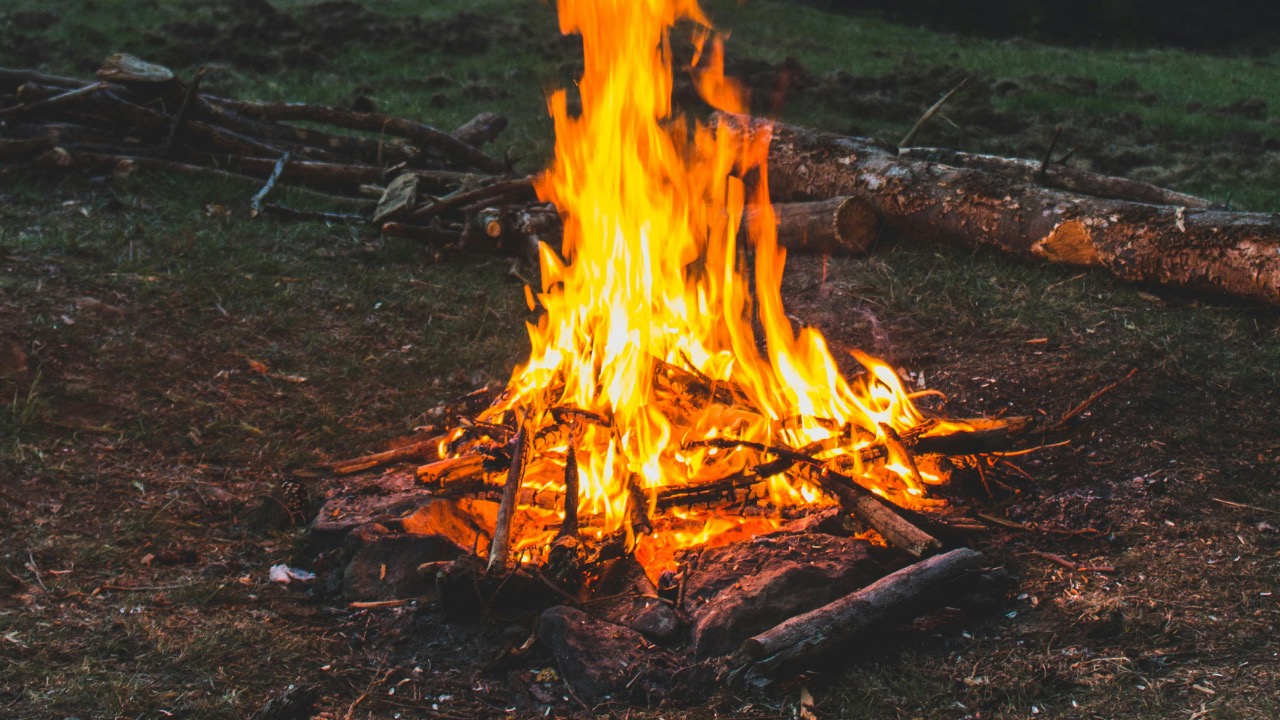
10 types of wood you should never burn because of toxic smoke
A good fire should give you heat, light, and maybe a place to cook a steak, not a lungful of poison. Some wood products kick out toxic smoke, corrosive gases, and heavy metals when they burn. Here are 10 types of wood I will never throw in a stove, fireplace, or campfire.
1. Pressure-Treated Wood
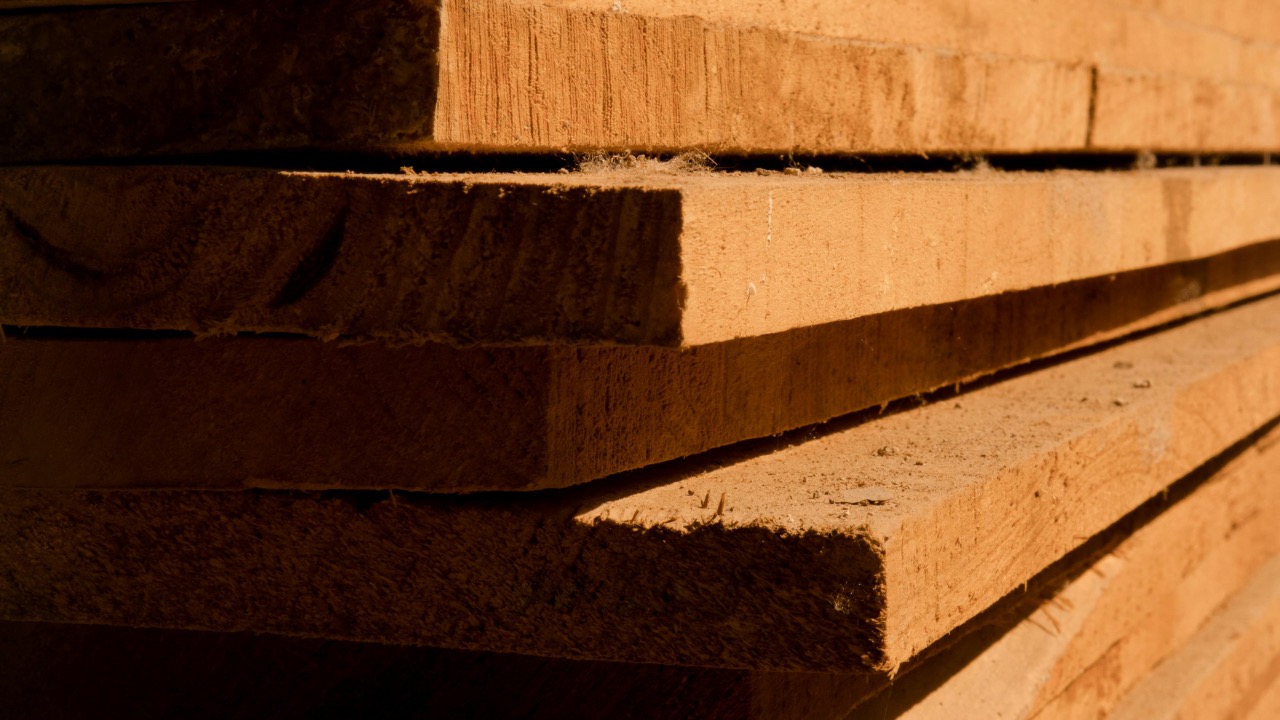
Pressure-treated wood is loaded with preservatives that keep decks and fence posts from rotting, but those same chemicals turn nasty in a fire. Guides on what to never burn explain that treated boards can release arsenic and other preservatives into the smoke, creating a toxic plume that is dangerous to breathe.
That contaminated ash can also linger in soil, on patios, and on grill grates long after the flames die. I treat any green-tinted or stamped “treated” lumber as off-limits fuel and follow warnings like the ones in fireplace safety lists that single out this material.
2. Plywood
Plywood might look like ordinary lumber, but it is built from thin veneers glued together with industrial adhesives. When burned, those glues break down into harsh fumes that irritate eyes and lungs, a problem highlighted in guidance on things you should indoors.
Sheets pulled from old cabinets, roofing, or subfloors can also carry coatings, oils, and construction dust that add to the chemical cocktail. I cut plywood into shop projects or haul it to proper disposal, but I never feed it to a wood stove or backyard fire pit.
3. Particleboard
Particleboard is made from sawdust and chips bonded with strong resins, and those binders are the real problem in a fire. Advisories on unsafe fireplace fuels note that particleboard can release formaldehyde gas when it burns, turning a cozy blaze into a serious indoor air pollution source.
Old bookcases, cheap desks, and flat-pack furniture are common examples. I break these down for the dump instead of the fire ring, because the formaldehyde-laden smoke and ash are not something I want around kids, pets, or my own lungs.
4. MDF
Medium-density fiberboard, or MDF, is even more resin-heavy than particleboard. Safety lists on what not to burn explain that MDF can produce dense smoke loaded with urea-formaldehyde resins, which are linked to cancer risks when they off-gas at high temperatures in enclosed spaces.
Trim scraps, cabinet doors, and router templates made from MDF all fall into this category. I might reuse them in the shop, but once they are done, they go to waste facilities, not into the stove, because that resin-rich smoke is far more hazardous than any benefit from a few minutes of heat.
5. Driftwood
Driftwood looks romantic stacked around a beach fire, yet it is one of the worst choices for a chimney or stove. Reports on wood-burner safety explain that salt-soaked driftwood can create salty, acidic smoke that accelerates creosote buildup and corrodes metal flues and stove parts.
Those same sources warn that the smoke can carry extra irritants as the salt and organic material burn together. I leave driftwood on the shoreline as habitat and decoration, and I stick with seasoned hardwoods that guides like wood-burner advice recommend instead.
6. Painted Wood
Painted wood is another no-go, especially older boards that may be coated in lead-based paint. Fireplace warnings point out that burning painted trim or siding can vaporize pigments and binders into hazardous airborne particles, turning your living room into a place you should be wearing a respirator.
Even modern latex or enamel paints contain volatile compounds that do not belong in your lungs or your neighbor’s. I plane or strip boards if I really want the lumber, but if the paint has to stay, it never goes into the fire, a stance echoed in detailed fireplace cautions.
7. Stained Wood
Stained and varnished wood might look like clean lumber, yet the finish is a chemical layer that burns dirty. Heating safety articles explain that stains and clear coats release volatile organic compounds when they burn, adding toxins to the smoke that can irritate airways and cling to indoor surfaces.
That risk is even higher when stained scraps are used as kindling, because low-temperature starts produce more incomplete combustion. I keep finished flooring, furniture offcuts, and varnished trim out of the woodpile and follow the same logic as the stained wood discussions that warn about extra toxins.
8. Oleander Wood
Oleander is not just another shrub, it is a poisonous plant loaded with cardiac glycosides. Regional fireplace reminders stress that burning oleander branches or trunk pieces can send those toxins into the smoke, creating a real poisoning risk for anyone breathing nearby or roasting food over the flames.
Every part of the plant is dangerous, green or dry, so I treat oleander trimmings like hazardous waste. They go into yard debris programs or landfill, never into a campfire, even if the wood looks perfectly seasoned and convenient after a pruning job.
9. Yew Wood
Yew wood belongs on the same blacklist. Guidance on what to never burn notes that yew contains taxine alkaloids, and those compounds do not disappear when the branches dry out, they move into the smoke and vapors when the wood is burned in a stove or outdoor fire.
Because yew hedges are common around older homes, it is easy to mistake pruned limbs for safe firewood. I keep yew clippings separate from my log pile and follow the same cautionary approach outlined in detailed fireplace guidance that singles out toxic plants.
10. Green or Wet Wood
Green or wet wood is not chemically toxic like treated lumber, but it burns poorly and dirties everything it touches. Wood-burner regulations explain that unseasoned logs smolder, creating tarry smoke loaded with particulates and carbon monoxide, and in some areas that kind of burning can trigger fines up to £1,000.
That heavy smoke also coats chimneys with creosote, raising the odds of a flue fire. I split and stack fresh-cut rounds for at least a year before burning and pay attention to reminders like the Minnesota fireplace advisories that push people toward dry, seasoned fuel only.

Asher was raised in the woods and on the water, and it shows. He’s logged more hours behind a rifle and under a heavy pack than most men twice his age.