Backup guns guides trust — and the ones they leave at home
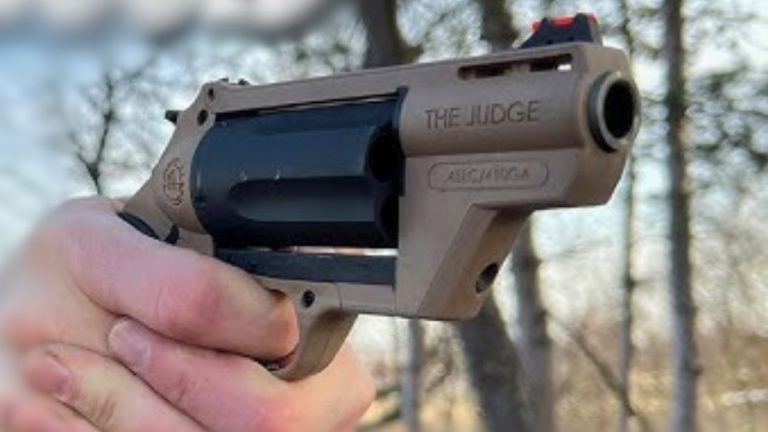
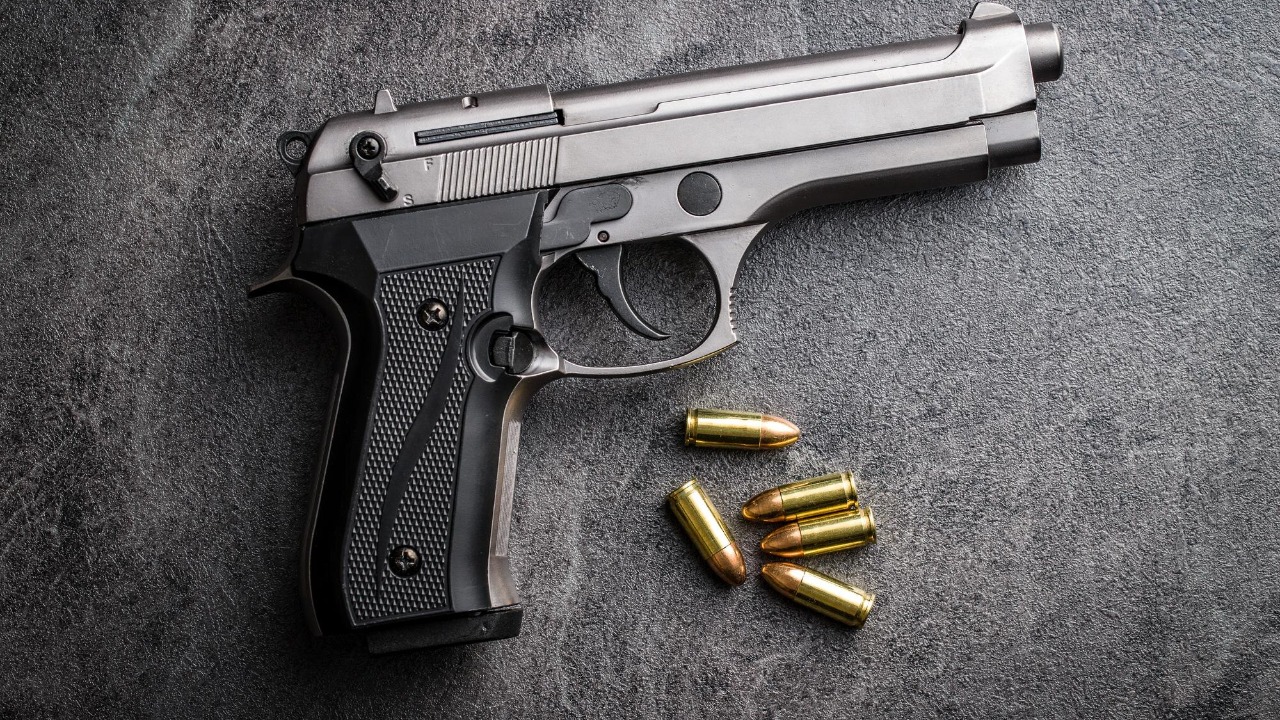
Backup guns are supposed to be the last line of insurance when everything else has gone wrong, yet many of the models that sell briskly in gun shops never make it into the holsters of people who stake their lives on them. Professional guides, trainers, and serious concealed carriers quietly sort handguns into two piles: the compact workhorses they actually trust and the finicky curios that stay in the safe or the glove box. The split between those categories, and the reasons behind it, reveal as much about judgment and discipline as they do about calibers and model names.
At the same time, the firearms that earn a place as backup guns often overlap with the pistols recommended for home defense and everyday carry, from compact 9 mm workhorses to micro-compacts that disappear in a pocket. The same focus on reliability, shootability, and support gear that drives choices for a nightstand or duty belt also shapes which backup guns professionals carry into the field and which they quietly refuse to touch.
How serious users define a backup gun
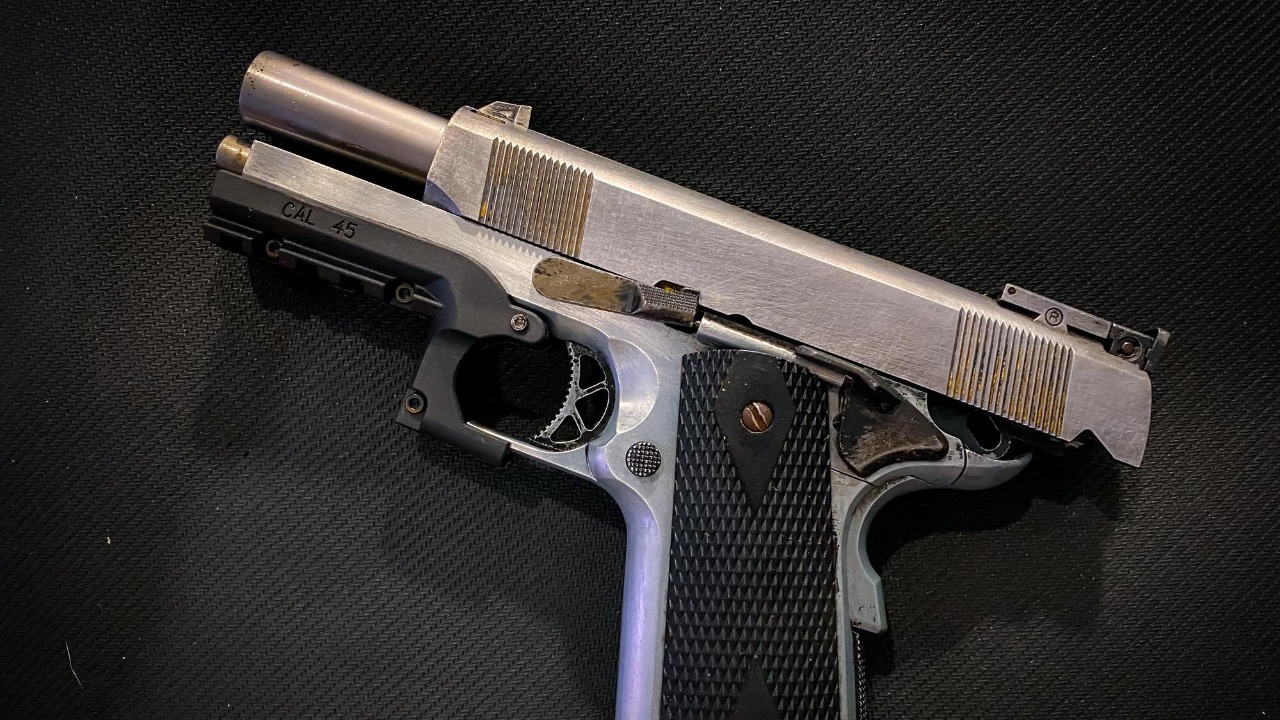
When I talk to experienced carriers, the first dividing line they draw is conceptual: a backup gun is not just any small pistol, it is a second weapon that can be brought into play quickly if the primary fails or is inaccessible. One detailed explanation frames a backup as a handgun that can be reached with either hand and deployed in a hurry if the main sidearm malfunctions, is grabbed, or cannot be drawn, while a separate “hideout gun” is a deeper concealment tool that trades speed for stealth and may be slower to access from an ankle or pocket holster. In that view, the defining trait of a true backup is easy accessibility under stress, not simply size or caliber, which is why some carriers accept a slightly larger footprint in exchange for controls and sights that mirror their main pistol in a fight.
That distinction matters because it shapes what gets carried and what gets left at home. A pistol that is tiny enough to vanish in a boot but too awkward to draw with the support hand, or too unreliable to fire after months of pocket lint and sweat, fails the core mission of a backup. One analysis of backup versus hideout roles stresses that the gun must be brought into action “relatively quickly” if the primary weapon goes down, and that requirement pushes many professionals toward compact versions of their main platform rather than exotic micro guns that are difficult to run under pressure, a pattern that shows up repeatedly in the models they recommend and the ones they quietly avoid.
Why guides and trainers blacklist certain backup guns
Outdoor professionals who guide clients in remote country often have the clearest opinions about what not to carry as a secondary weapon. In one widely shared rundown of Guns that guides refuse to use as backups, the pattern is blunt: anything with a reputation for spotty reliability, fragile construction, or ammunition sensitivity is quickly crossed off the list. The Avid Outdoorsman perspective in that piece, credited to a The Avid Outdoorsman Story by Jos, highlights how quickly a gun’s reputation spreads in small communities where malfunctions are remembered and repeated. If a revolver’s timing goes out of sync after a few hard seasons, or a compact semi-auto chokes when dust and pine needles get into the action, it is quietly retired from serious use even if it remains popular with casual buyers.
Trainers who focus on concealed carry echo that skepticism toward “science project” pistols that demand constant tinkering. A separate critique of carry guns that are easy to buy but hard to trust warns against models that only run with one specific load, need aftermarket magazines to feed properly, or ship with triggers and sights that are all over the place from the factory. The message is consistent: if a handgun requires a long troubleshooting journey just to reach basic reliability, professionals will not stake their lives on it as a backup, no matter how compact or affordable it might be.
The backup guns that actually earn trust
On the positive side of the ledger, the backup guns that guides and instructors do carry tend to be scaled-down versions of mainstream duty pistols with long track records. One influential list of the THE QUICK LIST of backup options opens with “Ole Reliable, Glock 26,” a subcompact 9 mm that shares magazines and controls with larger Glock models. That same rundown points to a double action .380 ACP Remington RM380 Executive as a pocketable alternative, again emphasizing simple operation and proven function over novelty. The pattern is clear: backup guns that earn trust are usually derivatives of service pistols, not experimental designs.
Broader surveys of reliable handguns reinforce that bias toward established platforms. A detailed breakdown of Jump To sections on What Makes a Gun Reliable and Most Reliable Handguns highlights Glock models like the G17 and G19, SIG Sauer P226 and P229, and Heckler & Koch pistols, all of which have decades of service use behind them. When those designs are shrunk into compact or subcompact variants, they bring the same engineering and parts support into the backup role, which is why they show up repeatedly in the holsters of people who carry a second gun by choice rather than curiosity.
Lessons from home defense guns that “mean business”
The same traits that make a handgun a credible backup also define the firearms that experts recommend for defending a home. One detailed guide to 10 firearms for protecting family and property singles out the Glock 19 as a “timeless” choice, noting that The Glock 19 balances capacity, controllability, and ease of use in a way that works for a wide range of shooters. Another rundown of home defense options, framed around guns that Forget the fluff and focus on stopping a threat quickly, emphasizes that these are not range toys or collector pieces but purpose-driven tools. In both cases, the emphasis is on platforms that run reliably with common ammunition and can be handled effectively under stress, the same criteria that should govern any backup gun.
Long guns also shape the conversation about what “serious” defensive hardware looks like. A detailed overview of home defense choices notes that The AR-15 is frequently mentioned as one of the best options for home defense because of its low recoil, capacity, excellent accuracy, and ease of customization, while also acknowledging that While it is not the only viable choice. That focus on controllable recoil and user-friendly ergonomics mirrors the criteria that trainers apply to backup pistols: if a gun is too punishing to shoot or too complex to run under pressure, it may look impressive on paper but will not be trusted when lives are on the line.
Carry guns, micro-compacts, and the backup overlap
Modern concealed carry pistols have blurred the line between primary and backup guns, especially as micro-compacts have grown more capable. A detailed review of the SIG P365 notes that SIG’s P365 redefined the standard for CCW pistols by combining Good sights, a strong trigger, and a 10+1 capacity in a package small enough to fit into a pocket. That formula, high capacity in a tiny frame, makes the P365 a natural candidate for backup duty as well as primary carry, especially for shooters who want the same manual of arms across both roles. Similarly, the Springfield Armory Hellcat is singled out as a micro-compact that stands out among concealed carry pistols and is praised as a strong option for both open and concealed carry when paired with the right holster, another sign that the smallest guns are no longer limited to niche backup roles.
At the same time, some of the most respected full-size and compact pistols are being adapted into configurations that suit both home defense and backup use. A comprehensive test of the best handguns highlights an Apr section on Other Noteworthy Handguns that includes a Glock G19 with an Aimpoint optic, an OA Defense 2311 Pro Elite, and other models that could serve as primary home defense guns while their smaller siblings ride as backups. The trend is toward ecosystems: a shooter might keep a full-size optic-equipped pistol on the nightstand, carry a compact version during the day, and rely on a micro-compact from the same family as a backup, all sharing similar triggers, sights, and manual of arms.
Training, investment, and the “science project” trap
Hardware alone does not explain why some backup guns inspire confidence while others gather dust. Instructors who coach new handgun buyers stress that reliability and commonality should outweigh short-term savings. One detailed guide to choosing a first handgun advises buyers to treat the purchase as an investment rather than an expense and explicitly urges them to pay a little extra for quality, a point captured in the phrase Think of the gun as a long-term tool. That same resource highlights Commonality as a key factor, encouraging shooters to pick platforms with widely available magazines, holsters, and spare parts so that training and support gear can be shared across primary and backup roles.
Video instruction aimed at everyday carriers reinforces the idea that a second gun is worthwhile only if it can be run with the same confidence as the first. One detailed breakdown of which backup gun to trust answers the question of whether to carry a second gun with a clear “yes” if the law allows it, then walks through how to select a model that mirrors the primary pistol’s controls and recoil characteristics so that the transition under stress is as seamless as possible, advice captured in a widely viewed backup tutorial. Another video focused on Oct home defense choices opens with the line that When safeguarding a residence, the focus must be on functionality and shootability, a standard that applies just as much to a backup pistol as to a bedside gun. The common thread is a warning against turning carry guns into hobby projects that demand constant tweaking instead of consistent practice.
Trends, fads, and the guns that stay home
The market’s appetite for novelty can pull buyers toward pistols that look exciting but struggle to earn long-term trust. A recent video rundown of Dec handguns that are pitched as “next level” tells viewers to forget Glock in favor of new designs, highlighting Comments about INSANE Pistol Caliber Carbines 2026, Survival Gear New 9.6K views, and a wave of Micro Pisto offerings. Many of these guns may prove themselves over time, but professionals tend to wait for thousands of rounds and hard use before trusting a new platform as a backup. Until that track record exists, the safest place for such experimental designs is often the range bag, not the ankle holster.
By contrast, curated lists of defensive pistols and long guns tend to circle back to familiar names. One overview of the best home defense firearms presents a Feb THE QUICK LIST that includes a Best CCW slot for the Glock 19 Gen 5, alongside full-size pistols, shotguns, and rifles. The repetition of certain models across home defense, concealed carry, and backup recommendations is not an accident; it reflects a consensus that some platforms simply work. When guides and trainers quietly leave a gun at home, it is usually because it has not yet joined that circle of proven tools, no matter how aggressively it is marketed or how compact it might be on paper.
Supporting sources: Backup Guns vs.

Leo’s been tracking game and tuning gear since he could stand upright. He’s sharp, driven, and knows how to keep things running when conditions turn.