Carry pistols that balance concealment and shootability
Choosing a defensive handgun is no longer a simple matter of picking the smallest pistol on the shelf. Modern designs pack serious capacity and performance into compact frames, but the real trick is finding a carry pistol that hides easily while still being controllable enough to shoot well under pressure. The current crop of micro and compact 9 mm pistols shows how far that balance has evolved, and why size alone is a poor proxy for real-world shootability.
As I weigh the latest data and range reports, a clear pattern emerges: the best everyday carry guns pair slim dimensions with smart ergonomics, tuned triggers, and sighting systems that help ordinary shooters run them like larger duty pistols. The models that keep surfacing in independent tests and buyer guides are not always the tiniest, but they consistently hit the sweet spot between concealment and confident performance.
Why concealment cannot come at the cost of control
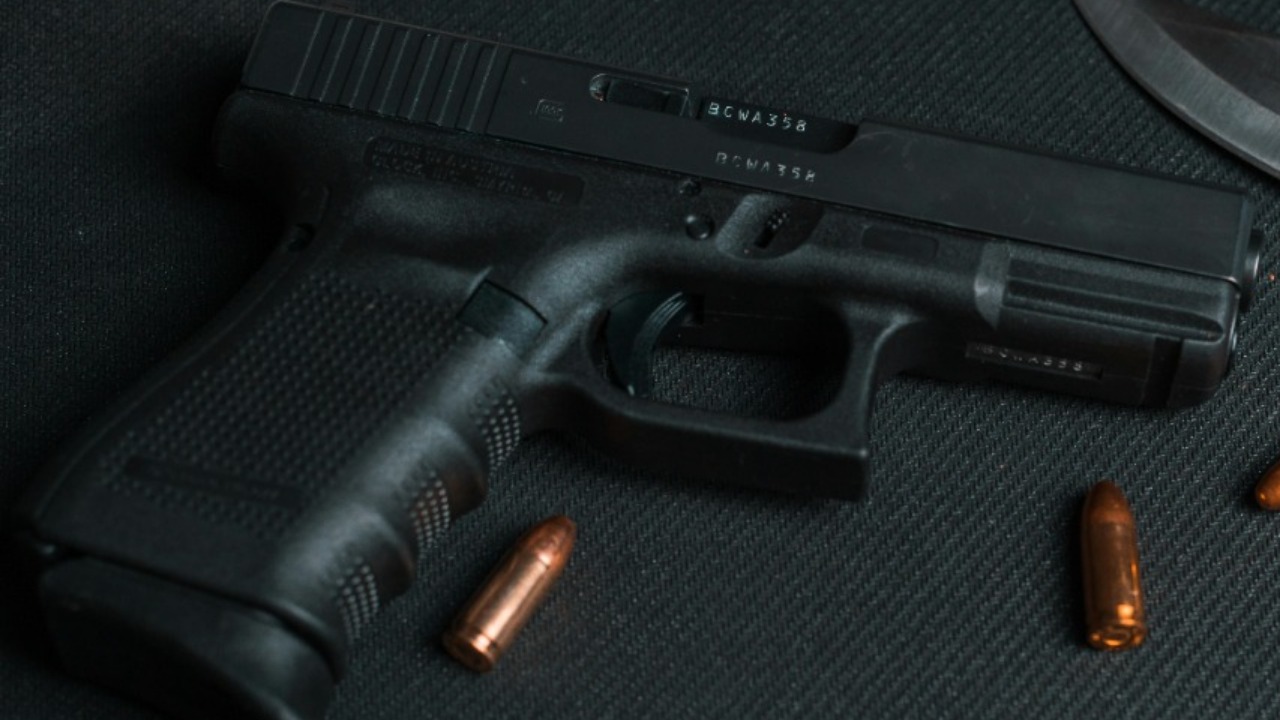
For a pistol that lives on your belt, concealment is non-negotiable, yet the smallest footprint is not always the safest choice. Ultra-short grips and featherweight frames can print less under a T-shirt, but they also magnify recoil, slow follow-up shots, and make it harder to establish a consistent firing grip when the draw really counts. Recent compact 9 mm roundups show that many of the most recommended carry guns sit in a middle band of size, where a slightly taller grip and longer slide deliver better control without compromising daily concealment, a trend that shows up clearly in independent lists of compact 9mm pistols.
Capacity is another part of that control equation. A pistol that is easy to hide but only carries a handful of rounds forces more frequent reloads in the rare worst case, and it often does so with a grip so short that the shooter’s little finger dangles in space. The current generation of slim double-stack designs has shifted expectations by offering service-pistol capacities in packages that still disappear under light clothing, and that extra real estate for the hand often makes them easier to shoot accurately than older, smaller single-stack designs.
SIG P365: the micro-compact that reset expectations
When I look at how the market moved toward higher capacity in smaller frames, the SIG Sauer P365 stands out as the pivot point. The original model arrived as a striker-fired, polymer-framed 9 mm that fit into the “micro” footprint yet carried a double-digit round count, a combination that helped it quickly become a reference point for concealed carry buyers. Detailed reviews of the Sig Sauer P365 describe how its short, slim grip still manages to feel secure in the hand, which is critical when a pistol this small is expected to handle full-power defensive loads.
What keeps the P365 relevant is not just its size, but how it shoots. User feedback collected in a comprehensive Pistol Guide highlights a controllable trigger, usable sights, and controls that are easy to reach despite the compact frame. Later testing notes that Sig Sauer made a huge splash with the design in 2018 and that, even Years later, the pistol still holds up in range evaluations that emphasize reliability, last-round slide hold-open, and practical accuracy, as detailed in an Aug review of its performance.
The P365 family: from Base Model to XMACRO COMP
The P365 platform has since grown into a full family of carry guns that let shooters fine-tune the balance between concealment and shootability. The Sig Sauer P365 Base Model is described as a compact pistol that offers a strong balance of capacity and compactness, forming the core of what one guide calls The Sig Sauer P365: The Ultimate Concealed Carry Handgun Series. That same overview of The Sig Sauer line details how the Base Model anchors The Ultimate Concealed Carry Handgun Series by giving everyday carriers a starting point that is small enough for pocket or appendix carry, yet still large enough to manage recoil.
At the other end of the spectrum sits the P365-XMACRO COMP, which pushes the concept toward a more shootability-focused package while staying within the same ecosystem. Sig’s own description of the XMACRO COMP emphasizes that it brings MORE of everything that made the P365 the #1 selling gun in America, including an innovative magazine design and an integrated compensator that tames muzzle rise. For a carrier who can conceal a slightly larger footprint, that COMP slide and extended grip frame turn the micro-compact concept into something closer to a duty-capable pistol that still rides comfortably inside the waistband.
Glock 43X and 48: slimlines that trade length for stability
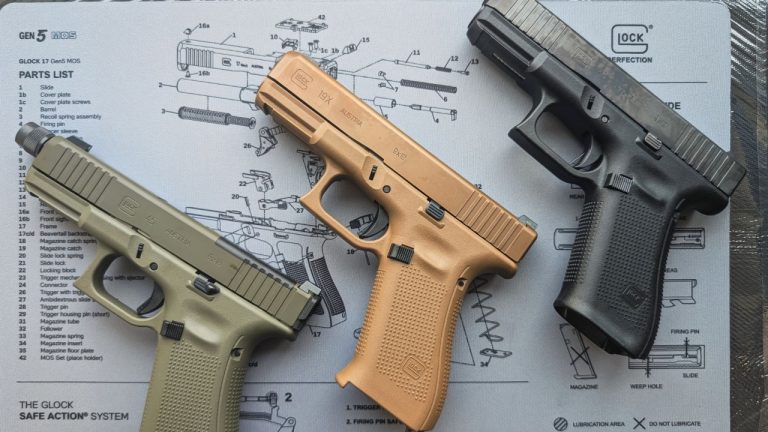
Glock’s answer to the micro-capacity race takes a slightly different path, prioritizing a longer grip and slide in the so-called slimline series. The Glock 43X has become a staple recommendation for concealed carry, with one overview noting that The Glock 43X continues to be one of the top choices for concealed carry and is Known for its reliability and lightweight build that make it easier to use compared to the original Glock 43. That assessment of The Glock 43X underscores how a slightly taller grip can improve control without making the pistol unmanageable to hide.
The Glock 48 stretches that idea further by adding slide length while keeping the same slim frame, a change that many shooters find improves balance and sight radius. A detailed comparison of the Glock 43X vs Glock 48 notes that both are 9×19 chambered handguns that are part of Glock’s slimline family and that both offer a capacity of 10 rounds, but the 48’s longer slide and barrel shift the feel on recoil. That General Overview frames the choice as one between maximum concealment and a bit more stability, a theme echoed in other comparisons that stress how the 48’s extra length can make it track flatter in rapid fire.
Inside the 43X vs 48 debate: length, Trigger Pull, and carry comfort
When I drill into the 43X versus 48 debate, the tradeoffs become more concrete. One analysis of Glock 48 vs 43X points out that the Glock 48 is longer and heavier than the Glock 43X, and that Mos shooters who prefer a slightly longer sight radius and reduced muzzle flip gravitate toward the 48, while those who prioritize minimal printing lean toward the shorter gun. That same breakdown of Which One is Better for Concealed Carry emphasizes the importance of pairing each model with a holster customized for its dimensions so the extra slide length does not compromise comfort.
Specs from another technical comparison show that the Trigger Pull on both pistols sits at about 5.5 lbs, and that The Glock 43X vs Glock 48 specs confirm the 43X is shorter and lighter, while the 48’s longer slide changes how it behaves in recoil. That Glock focused analysis notes that the 48’s extra length can help some shooters track the front sight more consistently, which directly feeds into shootability, especially for those with larger hands who may find the 43X a bit too compact.
How holster makers and trainers frame the “just right” carry gun
Holster makers who see what people actually carry every day tend to converge on a similar set of pistols that balance concealment and control. One list of top firearms for concealed carry highlights the SIG Sauer P365 and P365 XL as prime examples of Reliable, Compact, and Carry Ready designs that reshaped expectations for what a small gun can do. That same overview from Oct underscores that shooters are increasingly willing to accept a slightly larger footprint if it means better ergonomics, more capacity, and a trigger they can run confidently.
Holster-focused comparisons of the Glock 48 vs 43X echo that logic, noting that the Glock 48 is longer and heavier than the Glock 43X but that many carriers find the extra slide length disappears inside a quality inside-the-waistband rig. One such breakdown of carry benefits points out that the 43X’s shorter slide can be more comfortable for some body types, while others appreciate the 48’s slightly longer slide for its smoother recoil impulse. Trainers and holster makers alike tend to stress that the “right” choice is the one a shooter can conceal in their normal wardrobe while still getting a full, repeatable firing grip on the draw.
Beyond micro-compacts: compact 9 mm and performance-focused carry
Not every concealed carrier wants the smallest possible pistol, and recent buyer guides reflect a growing interest in compact 9 mm models that lean harder into shootability. One list of Best Concealed Carry Guns for 2025 names an Editor Pick in the Shadow Systems CR920XP and a Budget Editor Pick in the PSA Dagger / Micro, both of which show how slightly larger frames and tuned triggers can deliver duty-grade performance in carryable packages. That Best Concealed Carry roundup also highlights how optics-ready slides and improved sights are becoming standard, further narrowing the gap between compact carry guns and full-size pistols.
Independent testing of compact 9 mm pistols for 2026 reinforces the same pattern. One evaluation singles out the SPRINGFIELD ARMORY HELLCAT PRO COMP OSP 9MM LUGER at a listed price of $706, describing how the HELLCAT PRO COMP uses a compensator-style barrel and slide cut to vent gases and reduce muzzle rise. That assessment of the SPRINGFIELD ARMORY HELLCAT PRO COMP shows how manufacturers are borrowing features from competition guns to make compact carry pistols more controllable, even if it means a slightly larger footprint than the smallest micro-compacts.
Other standouts: Shield Plus, SHADOW 2 CARRY, and subcompact trends
The trend toward better shooting manners in small guns is not limited to SIG and Glock. One comparison of top 9 mm sub-compact guns notes that The Smith & Wesson Shield Plus redefines concealed carry excellence with its compact size and impressive firepower, pairing a higher capacity magazine with a smooth trigger and enhanced sights that ensure quick target acquisition. That description of The Smith Wesson Shield Plus underlines how even traditional single-stack platforms have evolved into double-stack variants that keep the same concealment profile while dramatically improving capacity and shootability.
On the larger end of the carry spectrum, performance-focused models like the CZ SHADOW 2 CARRY show how competition DNA can be adapted for everyday use. The manufacturer describes how the ergonomics of the controls go hand in hand with its SHADOW 2 CARRY comfortable grip, noting that the controls are always easily accessible and are holster-friendly for real-world carry. That emphasis on SHADOW CARRY ergonomics illustrates the far end of the balance curve, where a slightly larger, heavier pistol offers exceptional control and comfort for those who can conceal it, rounding out a market that now gives carriers a full spectrum of options between deep concealment and maximum shootability.
How I would choose: capacity, grip, and real-world carry
Looking across these reports, I see three practical filters that help narrow the field to pistols that truly balance concealment and shootability. First is capacity: designs like the Sig Sauer P365 Base Model, the Glock 43X, and The Smith & Wesson Shield Plus show that there is little reason to accept a low round count when slim double-stack magazines are now common. Second is grip length and shape, where models such as the P365-XMACRO COMP, the Glock 48, and the HELLCAT PRO COMP demonstrate how a slightly longer frame can dramatically improve control without making the gun unmanageable to hide.
The third filter is how the pistol integrates into a complete carry system. Holster makers who recommend Reliable, Compact, and Carry Ready guns like the SIG P365 and P365 XL, and who analyze the nuances between the Glock 43X and 48, consistently stress that the best pistol is the one a shooter will actually carry every day. When I weigh the evidence from compact 9 mm tests, Sig Sauer and Glock comparisons, and performance-focused models like the SHADOW 2 CARRY, the pattern is clear: the ideal carry pistol is not the smallest or the largest, but the one that lets its owner forget it is there until the moment they need to shoot it well.
Supporting sources: Untitled, Untitled, Untitled, SIG P365 Review:, Glock 48 VS, p365-xmacro comp –, Top Firearms for, Sig Sauer P365, Best Concealed Carry, Top 10 Compact, Top Concealed Carry, Glock 43X vs, Concealed Carry Comparison:, Glock 43X vs, Glock 48 vs, Sig Sauer P365:, Top 9mm Sub-compact, CZ SHADOW 2.

Leo’s been tracking game and tuning gear since he could stand upright. He’s sharp, driven, and knows how to keep things running when conditions turn.