Why smaller calibers aren’t as useless as people think
Caliber debates tend to get loud fast, and the smaller rounds usually take the beating. The reality on the range and in the field is a lot more nuanced. With decent ammo, smart shot placement, and a gun you can actually control, the so‑called “mouse guns” and light rifle rounds can punch well above their reputation.
I have carried, hunted, and trained with everything from .22 LR to magnum rifle cartridges, and I keep seeing the same pattern. When people match the cartridge to the job and shoot within their limits, smaller calibers stop looking weak and start looking like practical tools. That is what I want to walk through here, using real‑world data and hard lessons instead of internet bravado.
The myth of “useless” small calibers
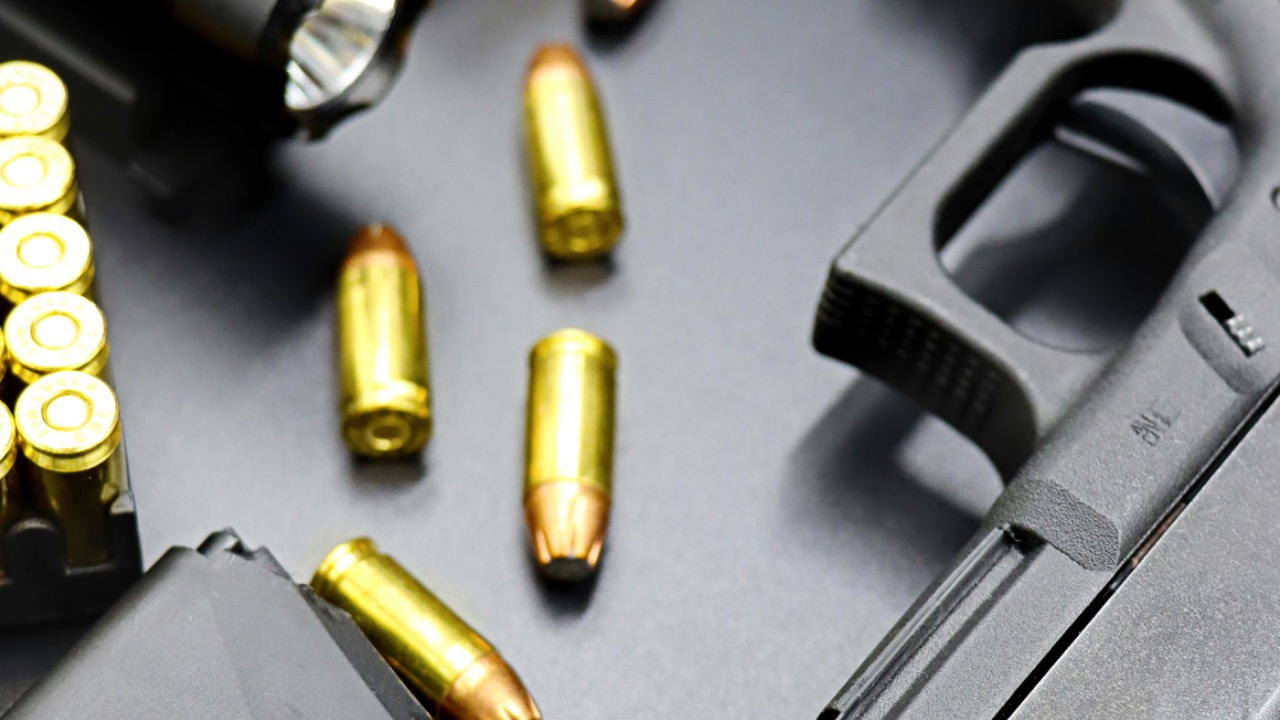
The idea that anything under 9 mm or .30 caliber is worthless is mostly a product of gun‑counter storytelling, not evidence. In real defensive shootings and hunting scenarios, what matters most is whether the bullet reaches vital structures and whether the shooter can put it there under stress. Smaller rounds can absolutely do that, especially at the close distances where most fights and a lot of woods hunting actually happen.
Modern ammunition has also changed the game. A well built .32 JHP that is designed to expand and penetrate can perform better in tissue than a bargain 9 mm load that uses a steel case FMJ and behaves like a drill bit. One detailed look at small defensive rounds points out that a . 32 JHP of good construction is going to expand and do its job, while a cheap 9×19 mm steel case FMJ is only good for the range, which undercuts the lazy assumption that “bigger is always better” when you ignore bullet design and terminal performance.
What militaries actually learned about caliber
Military history gets dragged into caliber arguments all the time, usually in half‑remembered form. The truth is that armed forces have bounced between larger and smaller rounds because they were balancing recoil, weight, and hit probability, not because one size magically “kills better.” In discussions of infantry cartridges, some analysts still highlight that Larger calibers offer More “stopping power” and can drop an enemy with fewer hits, but they also note that heavy recoil Encourages slower follow up shots and more fatigue over a long patrol, which is a real tradeoff for anyone who has humped a rifle all day.
When people ask why sidearms historically used big bullets, the answer is not that small calibers are useless, it is that early pistol technology was limited and armies wanted a simple, close‑range fight stopper. In one detailed Comments Section, a user named drinkmorejava lays out how older militaries leaned on large bore revolvers because they were dealing with black powder, low velocities, and crude bullets, then Edited that explanation to point out that as ammo tech improved, smaller, faster rounds became more viable. That arc mirrors what we see today: once bullet construction and velocity get better, the size of the hole matters less than where and how consistently you can put it.
Why modern forces moved toward smaller rifle rounds
The shift from full power battle rifle cartridges to intermediate calibers is often misread as a step backward in lethality. In reality, it was a move toward what soldiers could actually carry and shoot well. One detailed breakdown of that change notes that Less damaging rounds can still be more reliable in combat because you do not need a full powered rifle cartridge to put a threat out of the fight, and lighter ammo lets troops carry more rounds and stay in the fight longer, which is exactly what users like Kilahti emphasize when they explain why militaries switched to smaller calibres for general issue rifles.
That same logic shows up in more technical debates about infantry rounds, where people argue over the balance between Larger calibers and lighter options. In a long discussion of smaller calibres, contributors point out that a lighter, lower recoil cartridge lets average soldiers shoot more accurately and carry more ammunition without wrecking their backs. For a civilian hunter or defensive shooter, the lesson is similar. A smaller round that you can fire quickly and precisely, and carry in quantity, is often more useful than a thumper that you flinch with and leave half your ammo at home because it weighs too much.
Recoil, control, and why hits matter more than caliber
If you strip away the internet noise, the most important advantage of smaller calibers is simple. They kick less, which means more people can shoot them well. For personal defense, that matters more than any energy number on a box flap. One practical guide to carry guns spells this out clearly, noting that Small caliber handguns have less recoil and are sometimes easier to shoot, and Also pointing out that these guns are easier to control for people with less grip strength or limited training, which directly translates into more hits where they count.
I have watched new shooters struggle with compact .40s and lightweight .357s, then immediately tighten their groups when they move to a .380 or .22 LR. That is not a character flaw, it is physics and ergonomics. A smaller, softer shooting round lets you focus on sight picture and trigger press instead of bracing for impact. When you factor in that most defensive shootings happen at close range and are over in seconds, the person who can put three controlled rounds of a modest caliber into the upper chest is in a far better position than the one who launches a single flinched magnum and misses. The data on small‑caliber handguns backs up what most instructors see on the line every weekend.
Training value of rimfires and other light rounds
For building skill, smaller calibers are not a compromise, they are a shortcut. A .22 LR rifle or pistol lets you run the same fundamentals as your centerfire gun with a fraction of the cost and recoil. That means more repetitions, more feedback, and less fatigue. In one long thread about learning to shoot with a cheaper rifle, a user named Corey307 pushes back on the idea that experienced shooters do not benefit from .22s, arguing that You can still gain a lot from low recoil practice and that All the fundamentals, from trigger control to follow through, transfer directly when you step back up to a larger caliber.
I have seen that play out with kids, new adult shooters, and seasoned hunters who are trying to clean up bad habits. A brick of .22 LR and a simple bolt gun will expose every flinch and jerk you have, without punishing you for it. Once you can run a rimfire cleanly from field positions, your confidence with a .243 or .308 jumps. The same logic applies to handguns. A .22 trainer that mimics your carry gun’s controls lets you ingrain draw strokes and sight tracking without burning through your defensive ammo. The conversations around smaller caliber practice rifles keep circling back to that point, and they are right.
Ballistics: what bullet size really does
When you look at ballistics instead of internet slogans, bullet construction and velocity matter at least as much as diameter. Heavier bullets have more mass and tend to carry energy better, but that does not automatically mean you need a huge bore. One technical overview of bullet behavior notes that While this is not a physics lesson, it is important to understand that you do not need a large caliber for effective performance, especially when a small‑caliber bullet is long, streamlined, and driven at the right speed, which is why modern 5.56 and 6 mm class rounds can punch well above their weight.
The same source explains that heavier bullets are affected less by wind and can stay stable farther downrange, which is why some long range shooters favor high BC projectiles even in moderate calibers. That is echoed in a separate breakdown of long range options, which points out that These longer projectiles are more aerodynamic and that When combined with a heavier weight, they are extremely effective at distant impact, rather than an almost immediate effect at the muzzle. Put together, those insights show that a small bore pushing a long, sleek bullet can carry serious authority at distance, which is a far cry from the idea that anything under .30 is a toy. The key is matching bullet shape, weight, and velocity to the job, not chasing diameter for its own sake, as the data on bullet size and mass makes clear.
Hunting with smaller calibers

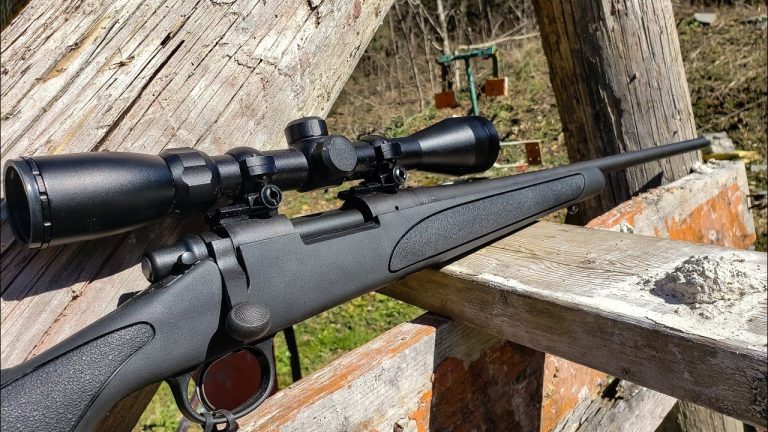
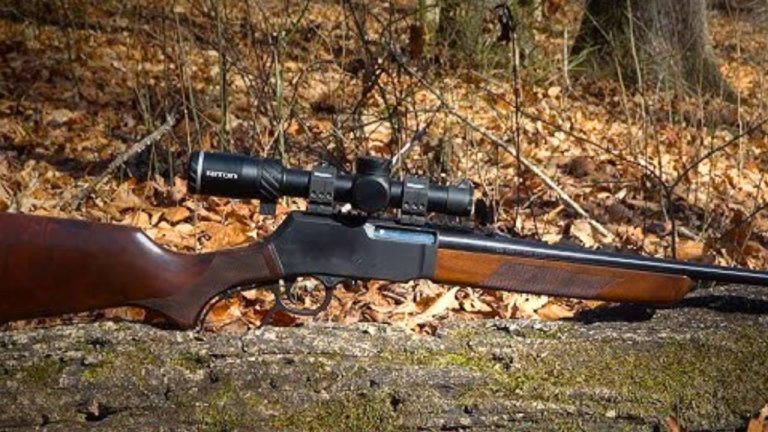
On the hunting side, smaller calibers have been quietly filling freezers for generations. Plenty of whitetails have fallen to .243 Winchester, .257 Roberts, and 6.5 Creedmoor, and small game has always been the domain of .22 LR and .17 HMR. The key is staying within the cartridge’s effective range and using bullets built for the animal you are chasing. A recent rundown of reasons to shoot smaller calibers for hunting, shared in Jan as a short video, highlights how lighter recoiling rifles help people place shots better, and how modern bullets let modest cartridges perform cleanly on deer sized game when you keep your distances reasonable, which lines up with what I have seen in the field.
There is also a practical side that hunters sometimes overlook. Smaller calibers are cheaper to feed and easier to shoot for long practice sessions, which means you are more likely to show up in November with your dope confirmed and your confidence high. That matters more than whether your rifle is stamped with a magnum name. The Jan video on why you should shoot smaller calibers for hunting drives that home by pointing out that for a lot of people, the first reason to downsize is cost and comfort, not ego, and that those two factors often lead to better real world performance. When you can afford to practice and you are not dreading the recoil, your odds of making a clean shot on game go way up, which is exactly what the smaller caliber hunting advocates are getting at.
Defensive carry: small guns, small rounds, real stakes
When it comes to concealed carry, the “bigger is better” crowd often forgets that the gun you actually carry beats the one you leave in the safe. Slim, lightweight pistols chambered in .380, .32, or even .22 LR are easier to conceal, more comfortable to tote all day, and more manageable for people with smaller hands or less grip strength. That matters for real people living real lives, not theoretical gunfighters. A detailed look at small defensive calibers makes the point that if there is one rule that matters, it is choosing a gun and load you can shoot accurately, and it uses the example of a . 32 JHP of good construction doing its job compared to a cheap 9 mm steel case FMJ that is only good for the range, which is a blunt reminder that ammo choice and shot placement trump caliber alone.
There are tradeoffs, of course. Smaller rounds usually mean less penetration and expansion margin, which is why you need to be picky about your carry load and realistic about your expectations. But for many people, especially those who are recoil sensitive or have to dress around strict concealment needs, a small caliber pistol is the only gun they will actually have on them when trouble shows up. In that context, a reliable .380 or .32 with quality JHPs in the magazine is far from useless. It is a lifeline. The key is to treat it seriously, train with it, and understand its limitations instead of dismissing it out of hand, as the analysis of small calibers for self defense keeps stressing.
Where smaller calibers shine in carbines and high volume shooting
Smaller calibers also come into their own when you start looking at pistol caliber carbines and lightweight rifles for training, home defense, and competition. A 9 mm or .40 S&W carbine gives you a longer sight radius, more stability, and a big bump in hit probability compared to a handgun, all while keeping recoil low and ammo costs manageable. In a detailed breakdown of pistol caliber carbines, Chris Baker walks through why these guns can be the best or worst of both worlds, and he notes that for many shooters, the low recoil and cheap ammo make them ideal for high volume practice and practical matches, which is exactly where smaller calibers earn their keep.
The same logic applies to rimfire and intermediate caliber carbines. A .22 LR AR‑15 trainer or a 5.56 rifle set up like your duty or hunting gun lets you run drills, clear malfunctions, and practice positional shooting without beating yourself up or draining your wallet. That kind of repetition is what builds real skill. The conversations around pistol caliber carbines keep circling back to that point, and they are right. Smaller calibers make it possible to shoot more, learn faster, and stay sharp, which is the opposite of useless.
Weight, logistics, and why ounces matter
There is a reason both militaries and backcountry hunters obsess over weight. Every ounce you shave off ammo and gear is an ounce you do not have to haul up a ridge or through a city block. Smaller calibers almost always mean lighter cartridges, which lets you carry more rounds for the same burden. That is not theory, it is logistics. A technical look at modern polymer cased ammunition notes that Not only do lighter cases cut shipping costs for militaries that move vast quantities of ammunition across the globe, they also mean individual soldiers will appreciate the weight savings, however minute, when they are carrying full combat loads, which shows how even small reductions add up in the real world.
Civilian shooters feel the same effect on a smaller scale. A day of hiking with a .223 and a couple of 20 round magazines in your pack is a different experience than lugging a heavy magnum and a belt full of big brass. The same goes for defensive use. A compact 9 mm or .380 with a spare magazine is easier to keep on your belt all day than a full size .45 with double stack mags. When you factor in that lighter recoil and cheaper ammo make you more likely to train, the case for smaller calibers gets stronger. The data on polymer cased ammo is a reminder that weight and logistics are not side issues. They are central to how useful a cartridge really is.
Putting caliber in perspective
When you stack all of this up, the picture that emerges is pretty clear. Smaller calibers are not magic, but they are far from useless. They offer lower recoil, cheaper practice, lighter carry weight, and, with modern bullets, plenty of performance for training, hunting within their limits, and personal defense. Military debates over Larger versus smaller rounds, from the early big bore pistols discussed in that Jan pistol caliber thread to the modern arguments about intermediate rifle cartridges, all point to the same conclusion. The best caliber is the one that lets you hit what you are aiming at, as often as you need to, with ammo you can actually carry.
As a shooter, that means being honest about your skills, your needs, and your environment. If a smaller caliber lets you train more, shoot better, and keep a gun on you when a larger one would stay home, it is not a compromise. It is a smart choice. The next time someone tells you that anything under their favorite big bore is worthless, ask them how often they practice, how many rounds they can carry, and whether they have ever watched a .22 or .243 quietly get the job done. The answers usually say more about the shooter than the cartridge.

Asher was raised in the woods and on the water, and it shows. He’s logged more hours behind a rifle and under a heavy pack than most men twice his age.