Fishing methods that work even when conditions are poor
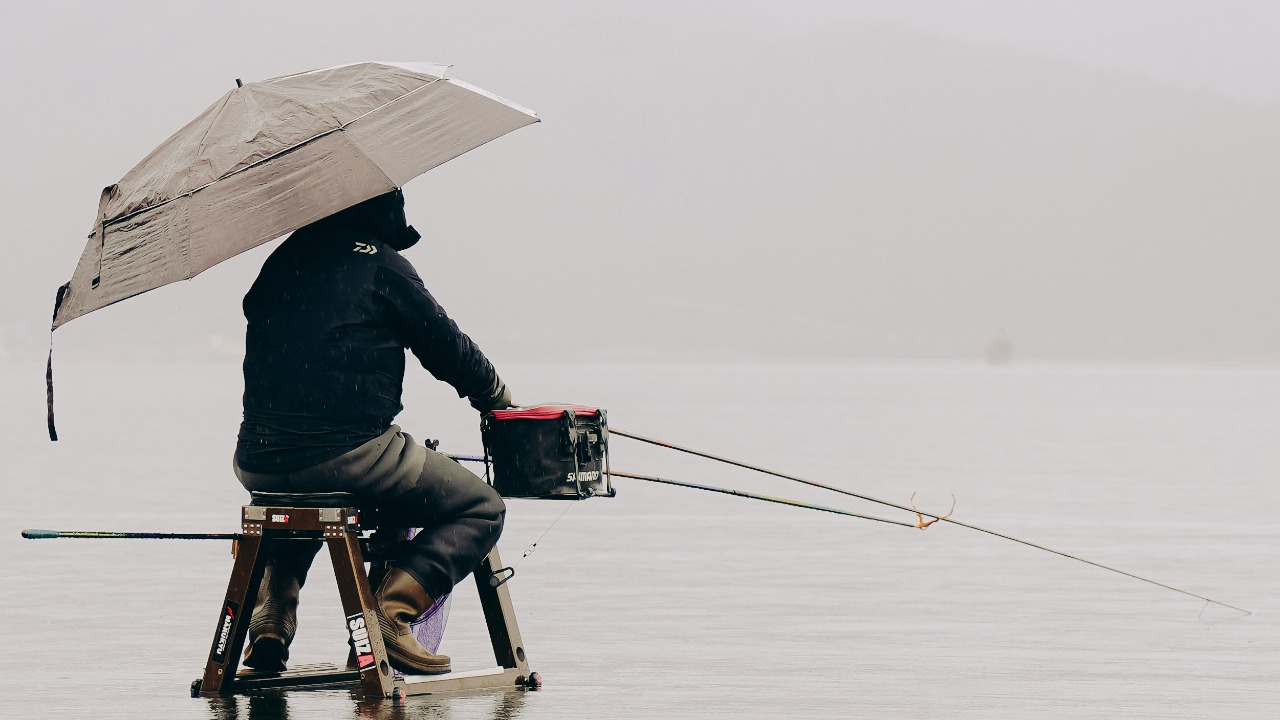
When the wind is howling, the water is dirty and the bite seems to have vanished, the anglers who keep catching fish are usually the ones who change methods, not just lures. Techniques that cut through current, reach deep structure or soak baits for hours can turn a miserable day into a productive one. I focus on approaches that still put fish in the net when visibility is low, waves are stacked or you are working with minimal gear.
Those conditions are not rare outliers, they are the norm in many surf zones, big reservoirs and tidal rivers. From surf rigs that hold bottom in pounding breakers to long‑proven commercial tactics like Longlining and modern vertical Jigging offshore, the most reliable methods share a few traits: they keep a bait in the strike zone, they are stable in rough water and they do not depend on fish feeding on the surface.
Reading bad weather and using it to your advantage
When the forecast turns ugly, I start by treating wind and waves as variables I can work with rather than obstacles that automatically shut down the bite. Strong wind stacks baitfish along windward shorelines and pushes surface food into predictable lanes, so casting with the wind instead of fighting it lets me cover more water and keep lures moving naturally. Tournament anglers do not get to pick their weather, and their habit of adjusting casting angles, lure weight and rod choice in heavy gusts shows how much control you can regain simply by aligning your presentation with the conditions instead of against them.
That mindset matters most when the water is choppy and visibility is poor, because fish often slide deeper or tighter to structure instead of cruising open flats. I rely on heavier lures and compact profiles that cut through the wind, then I cast downwind so the line stays tight and the bait tracks straight, a tactic that mirrors how experienced competitors handle gusty days with a bait‑casting rod, even when, as one guide put it, “However, when a tournament is scheduled, of course, the tournament director can’t schedule the weather.” You can see the same principle in play in detailed bad‑weather advice that emphasizes casting with the wind and adjusting tackle to maintain control in rough conditions, guidance that is laid out in depth for anglers learning to manage strong gusts and awkward casting angles in bad weather.
Surf rigs that still fish in big waves, current and kelp
In the surf, poor conditions usually mean big sets, strong lateral current and rafts of kelp that drag lighter rigs out of position. When I want to keep catching through that mess, I simplify my terminal tackle and lean on proven surf rigs that pin baits to the bottom and resist tangles. A basic Single or Double Dropper Loop rig, built with enough weight to hold in the sand, lets me present multiple baits just off the bottom where fish shelter from the worst of the surge, while a streamlined Carolina rig helps me slide a bait through pockets in the kelp without snagging every strand.
Those setups are not just personal preferences, they are the same Rigs for Beach Casting that experienced West Coast surf anglers recommend when conditions are Rough Conditions with heavy kelp and strong current. Detailed surf instruction stresses that if you Choose the right rigs, especially a Single or Double Dropper Loop or a Carolina rig, you can still catch barred surfperch, corbina and all species of bass even when the waves are pounding and the salad is thick. That guidance is laid out clearly for California surf anglers who are learning how to handle big waves, current and kelp and still catch fish, with specific rig diagrams and weight recommendations in Aug surf tips.
Survival‑style methods that work with minimal gear
When conditions are poor and access is limited, I often borrow from survival fishing playbooks that are designed to produce food with minimal equipment. In a true survival context, Why Fishing matters is simple: it delivers more calories for less energy than almost any other foraging method, especially if you can set lines that fish for you while you focus on shelter or fire. That same logic applies on a tough day at a remote pond or river, where a compact handline, a short collapsible rod or even improvised cordage can still put a bait in front of fish that are hugging the bottom or hiding under cover.
Some companies make ultra‑packable rods built into survival knives or walking sticks, and I have seen those niche tools catch panfish and trout when a full‑size rod would have been impossible to carry. Survival manuals point out that a simple length of strong line, a few hooks and basic natural baits are enough to catch fish if you focus on ambush points and watch for movement on the water, and they explain in detail Why Fishing earns its place in survival planning because it gives you more food for less effort. That philosophy, along with examples of compact rods and improvised gear, is laid out in practical terms for anyone learning survival fishing, and the same ideas translate directly to recreational anglers trying to stay effective when they are under‑equipped or pinned down by bad weather.
Going deep: dredging, Longlining and Trotlines Stretch
When surface activity dies and fish refuse to rise, I shift my attention to methods that probe the depths where light, temperature and current are more stable. In fly fishing, dredging heavy flies along the bottom or through mid‑water columns is one of the most reliable ways to connect with fish that have abandoned the top, especially at night or in cold fronts. Done correctly, dredging does not have to feel like drudgery, it can be a deliberate, almost meditative way to cover a specific depth range with sinking lines and weighted patterns until you intersect the band of water where fish are actually holding.
Experienced saltwater fly anglers describe how dredging not only produces when surface presentations fail, it is also deadly at night when predators are tracking silhouettes and vibrations rather than chasing bait on top, and they emphasize that the technique is about maintaining a consistent depth and speed rather than random blind casting. That same deep‑focused mindset shows up in commercial and artisanal methods like Longlining, which has been used for centuries from Cornish ports to target species such as turbot, ling, hake and skate with baited hooks deployed on long lines that soak near the bottom. Historical accounts of Cornish fleets explain how Longlining relied on hundreds of hooks spread along the seabed to keep baits in front of demersal fish for hours, a strategy that is still recognizable in modern bottom tactics and is documented in detail in the Cornish fishing record.
On rivers and lakes, I see the same principle in Trotlines Stretch across current seams or along lake edges, where a heavy main line is anchored and several shorter drop lines with hooks are tied along its length. Those stationary systems excel at catching catfish and other bottom feeders in muddy or high water because they keep multiple baits soaking right where fish travel, even when visibility is near zero. Survival guides describe how Trotlines Stretch a heavy line across a river or along a lake edge, then tie several shorter drop lines with hooks along it, and they highlight how effective that passive approach can be for catching catfish or other bottom feeders while you conserve energy, a tactic laid out step by step in practical trotline instructions.
Longline and Jigging tactics from offshore playbooks
Offshore, poor conditions usually mean big swells, fast drift and scattered marks on the sounder, so I look to methods that keep baits or lures in the strike zone even as the boat moves. Longline systems, which recreational anglers sometimes adapt from commercial practice, are similar to trolling in that the boat is moving, but instead of a single lure they involve a series of over one hundred hooks hanging from a main line. That spread dramatically increases the odds of intersecting pelagic fish that are cruising at a particular depth, and it keeps hooks in the water even when the surface is too rough for precise casting.
Researchers documenting recreational fishing trends in the Mediterranean describe how a Longline is similar to trolling as the boat is moving, but Longline involves a series of over one hundred hooks hanging from the main line, and they contrast that with other methods such as using a spear gun without dive equipment. While most sport anglers will never deploy a full commercial‑style Longline, the underlying idea of covering a swath of water with multiple baits is directly relevant when you are trying to stay on fish in sloppy seas, and it is explained clearly in studies of Longline use among Mediterranean anglers.
Vertical Jigging offers a more hands‑on version of the same concept, especially around offshore structure where fish stack deep when the surface is churned up. In heavy current or deep water, I rely on dense metal jigs that drop quickly and stay near the bottom, then work them in an up and down jigging method that mimics wounded baitfish. Offshore guides in places like Cape Verde stress that Jigging is where you select your lure of choice or the ones the captain has recommended and a heavy jig is needed due to depth and current, and they coach clients to move the rod in a consistent up and down jigging method so the lure pulses through the strike zone. That approach, described in detail for visiting anglers learning offshore Jigging, is one of the most reliable ways I know to keep catching when surface trolling is impossible and fish are glued to deep structure.
Bottom‑oriented rigs and baits that ignore surface chaos
When wind and waves are wrecking the surface, I treat the bottom as a different world with its own calmer rules. Bottom fishing rigs that use enough weight to reach and hold near the substrate are essential, especially over reefs or wrecks where fish tuck in to escape current. In those situations, I favor large heavy‑duty jigs or sinker‑rigged natural baits that get down quickly and stay there, because every second a bait is fluttering mid‑water in heavy chop is a second it is not in front of the grouper, snapper or cod I am actually targeting.
Offshore operators who specialize in taking tourists deep sea fishing spell this out bluntly: if you are bottom fishing, use lures like large heavy‑duty jigs to get the bait down deep into the water so it is not swept away by current or lifted by swell. That advice, aimed at casual anglers who may only fish offshore once a year, mirrors what experienced crews do every day when they rig for rough conditions, and it is laid out clearly in practical deep sea tips that emphasize lure weight and bottom contact as the keys to success when the surface is chaotic.
Smelly, durable baits that keep working in dirty water
In muddy, fast‑moving water, I put far more emphasis on scent and bait durability than on visual appeal. Catfish specialists have refined this logic into an art form, building baits whose ingredient lists range from home kitchen staples to truly exotic additions, all in service of creating a scent trail that cuts through turbidity and triggers bites. The main goals are to create bait with a strong smell and a texture that will stay on the hook when cast or after soaking, because in poor conditions you often need to leave a bait in place for long stretches to give fish time to find it.
That combination of potent odor and staying power is what makes many prepared catfish baits so effective in flooded rivers and wind‑stirred reservoirs, and it is why I often borrow those recipes or buy commercial versions when I know I will be fishing in chocolate‑colored water. Detailed catfish guides explain that the list of ingredients can range from home kitchen staples to the truly exotic, but they all aim for a strong smell and a bait that will not fly off the hook when cast or after soaking, a philosophy that is spelled out clearly in breakdowns of the best catfish baits. When visibility is low and current is high, those smelly, resilient offerings often keep producing long after flashier lures have stopped drawing strikes.

Leo’s been tracking game and tuning gear since he could stand upright. He’s sharp, driven, and knows how to keep things running when conditions turn.