Fishing setups that look right but catch nothing
Every angler has seen it: a rod and reel that looks perfect, flashy line, and colorful lures, but when you cast, nothing bites. Appearance and hype don’t always equal results. Factors like line type, lure weight, hook size, and even reel drag can turn a “ready-to-go” setup into a frustrating, empty-handed session. Experienced anglers know it’s not just about the gear—it’s about how it interacts with water, fish behavior, and conditions. Here are setups that, despite looking capable on the dock or in the tackle shop, consistently underperform in the field.
Oversized Spinning Rod With Ultra-Light Line
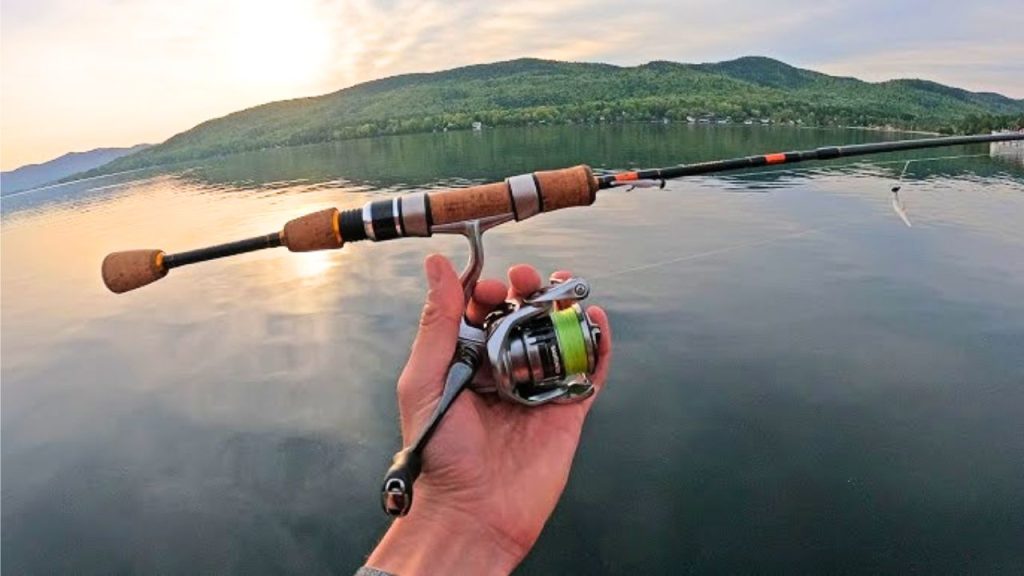
A long, flashy spinning rod paired with extremely light monofilament might look ready for action, but it often fails when you need backbone. Casts are erratic, especially with heavier lures, and the line stretches excessively under tension.
Even experienced anglers find themselves missing strikes or losing fish. The rod’s leverage can work against you, and drag adjustments become critical yet unpredictable. While it looks impressive, it’s more of a showpiece than a practical tool, and frustration quickly replaces confidence during extended outings.
High-Speed Baitcasting Reel With Cheap Line
Pairing a top-speed baitcasting reel with low-quality line is a recipe for trouble. Line twists, tangles, and breakages are common, making precise casts almost impossible.
Even skilled hands can’t compensate for the unpredictable behavior of cheap line under pressure. Fish that bite lightly often pull the lure without setting the hook. While the reel looks serious and capable, the setup consistently underperforms compared to moderate-speed reels with quality line, frustrating anglers who expect control and consistency.
Oversized Soft Plastic Worm Rig
Using a massive soft plastic worm on a standard spinning rod can appear effective, but fish rarely respond. The lure sinks slowly, unnatural in both movement and size, spooking wary bass or panfish.
The rod’s balance feels off, making subtle presentations awkward. Even a technically skilled angler struggles to maintain lifelike action. Fish avoidance combined with casting difficulties makes this setup more of a hindrance than a tool for catching. Visual appeal hides its lack of practical effectiveness.
Trolling Rods in Shallow Water
A long trolling rod with a heavy lure or downrigger setup is impressive, but in shallow water, it’s overkill. Fish are easily spooked, and precise lure placement is nearly impossible.
Experienced anglers notice the drag of heavy tackle interferes with natural lure movement. Even patient casts fail to entice strikes. The setup’s power and size, while technically “capable,” works against subtle presentations, leaving the rod more decorative than functional.
Multi-Lure Spinner Rig
Rigging three or four flashy spinnerbaits together may look ready for any fish, but it creates turbulence that repels bites. Hooks tangle mid-cast and in the retrieve, creating endless frustration.
Even skilled hands can’t maintain proper lure separation or presentation. Fish often strike at none of them or miss entirely. The “more is better” approach sacrifices effectiveness for showiness, turning a theoretically versatile rig into a cumbersome, bite-free trap.
Oversized Crankbait With Light Rod
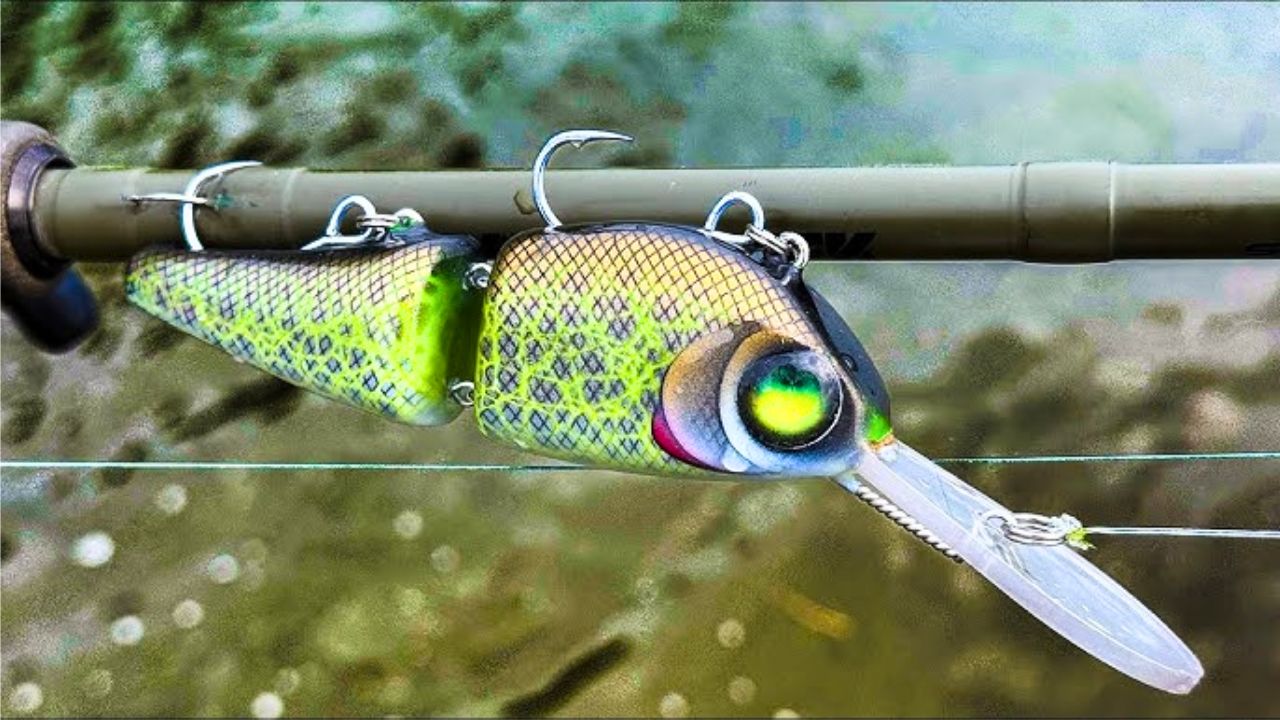
A heavy crankbait on a light, flexible rod is visually striking, but it doesn’t transmit action properly. Hooksets feel mushy, and the lure rarely dives as intended.
Even anglers with solid technique struggle with depth control and distance. Fish may bite the lure without setting properly, or avoid it altogether. While the setup draws attention at first glance, it consistently frustrates in practical applications, highlighting the mismatch between rod and lure.
Ultralight Jig with Deep Diving Lures
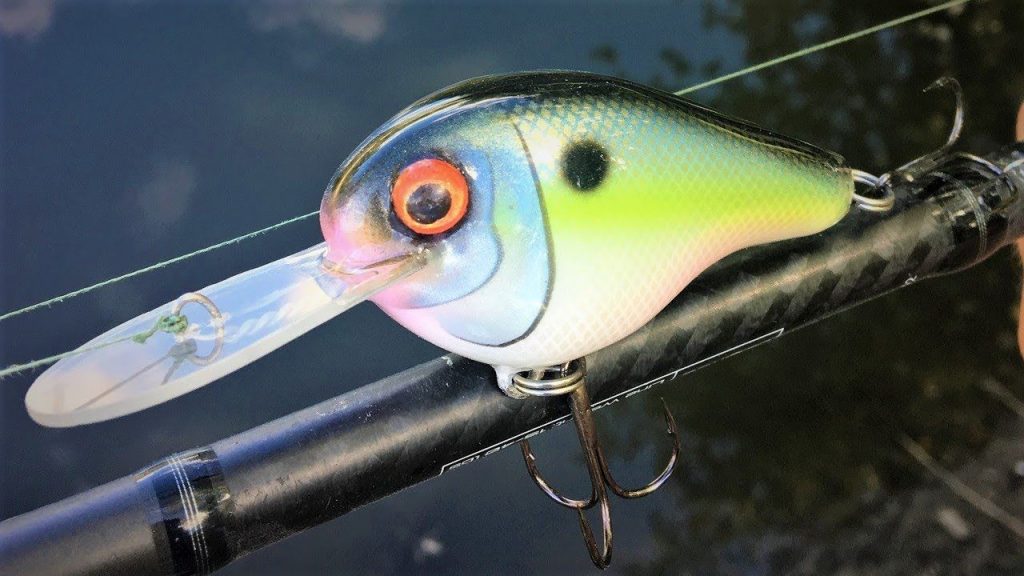
A delicate ultralight jig rod paired with a deep-diving lure looks finesse-friendly but fails when trying to reach fish in deeper water. The rod can’t handle the lure’s weight or resistance.
Experienced anglers notice slow sinking, erratic action, and poor hook engagement. The setup sacrifices depth control for appearance. Fish often ignore the unnatural presentation, leaving the angler struggling to correct the mismatch. The visual appeal is deceiving, hiding practical shortcomings.
Oversized Baitcasting Rod With Micro Lures
A large baitcasting rod meant for heavy bass lures paired with micro jigs or tiny crankbaits creates inconsistent casts. Lures fail to move naturally, and subtle strikes are missed.
Even skilled anglers can’t replicate proper action or feel. Fish detect unnatural presentation, and the rod’s stiffness exaggerates oversights. This combination consistently turns promising bites into lost opportunities, frustrating those who expect precision and responsiveness.
Long Fluorocarbon Line on Short Rod
Pairing long, high-visibility fluorocarbon line with a short, medium-power rod can ruin presentation. Line stretch and drag prevent lifelike movement, reducing strikes.
Anglers notice poor control and delayed hooksets. Fish either ignore or easily escape the lure. While visually impressive with a long line for “reach,” the setup consistently underperforms because the rod and line don’t complement each other in practical scenarios.
Oversized Popper for Small Ponds
A giant surface popper might look ready for explosive strikes, but in small ponds or pressured waters, it often scares every fish away. The wake and splash overwhelm natural feeding behavior.
Even experienced anglers with delicate technique struggle to get any engagement. Fish rarely approach closely, and retrieving the lure without hitting vegetation or debris becomes a hassle. The oversized popper is more showpiece than functional, frustrating anglers despite its dramatic appearance.
Ultra-Fast Reel With Soft-Plastic Swimbait
An extremely high-speed reel with a soft-plastic swimbait designed for finesse creates unrealistic lure action. Retrieval is too quick for proper fish detection.
Skilled anglers find themselves overshooting strikes or missing subtle bites. The lure’s movement appears unnatural in water, and fish hesitate. While the setup looks capable of covering water quickly, it rarely results in consistent catches, turning technique into repeated frustration.
Oversized Spinner with Heavy Terminal Tackle
Pairing a large spinnerbait with heavy terminal tackle seems tough enough for any fish, but it reduces natural vibration and action. The lure often rides unnaturally, reducing appeal.
Even experienced hands notice fish avoid it or strike incorrectly. The extra weight hampers hooksets and makes subtle adjustments nearly impossible. Visual appeal masks ineffective action, making this setup frustratingly unreliable in practical fishing scenarios.
Ultralight Rod With Oversized Spoon
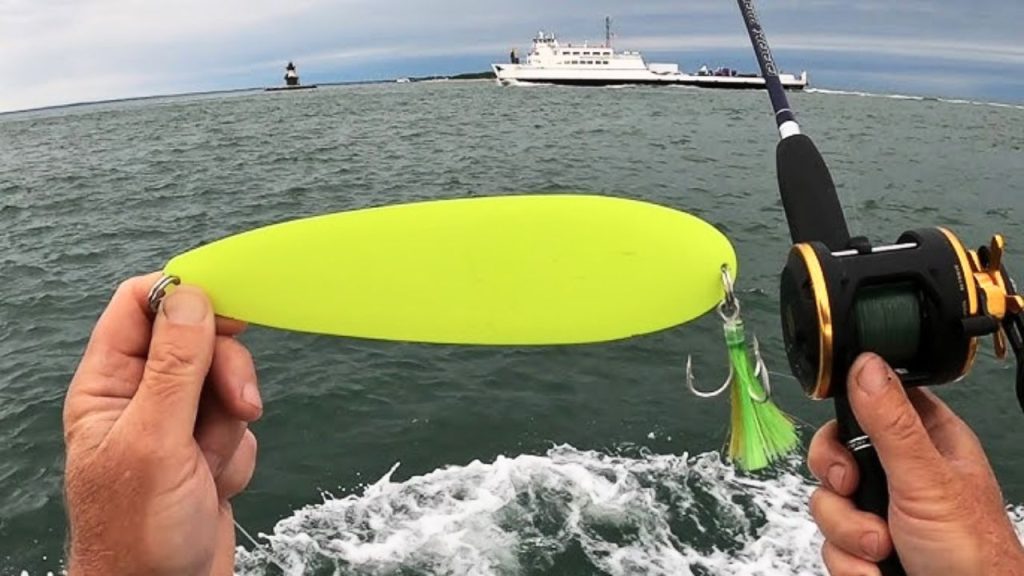
An ultralight rod paired with a large spoon is appealing on paper but punishes anglers with missed strikes and poor lure control. Casting distance and accuracy are compromised.
Experienced anglers quickly see the mismatch: the rod flexes too much, absorbing energy, and the lure doesn’t maintain intended action. Fish either ignore it or escape. While the setup looks ready for big catches, practical performance consistently underwhelms.
Tackle Combo With Excessive Hardware
A rod loaded with multiple attachments—weights, swivels, and leader material—looks prepared for anything but reduces lure action and increases tangles.
Even skilled anglers struggle with smooth retrievals and natural presentations. Fish notice unnatural movement and avoid the lure. The setup appears serious, but functionally it frustrates, proving that more components don’t always equal more fish.

Asher was raised in the woods and on the water, and it shows. He’s logged more hours behind a rifle and under a heavy pack than most men twice his age.