The California desert’s abandoned military stockpile: tanks, billions spent, and unanswered questions
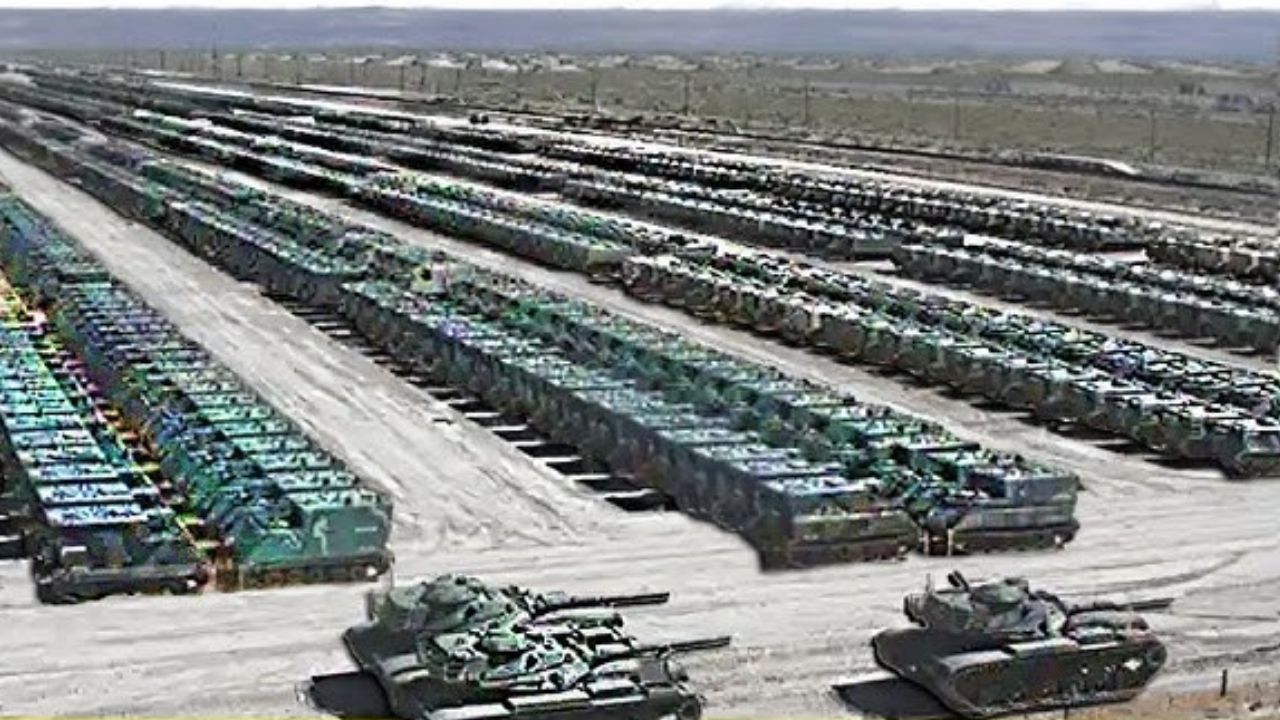
In the high desert of Northern California, rows of armored vehicles stretch to the horizon, a silent monument to decades of American defense spending. What looks like an apocalyptic junkyard is in fact a carefully managed stockpile of tanks and other hardware, worth staggering sums and raising equally large questions about strategy, waste, and political power. The California desert’s abandoned military stockpile is less a graveyard than a mirror, reflecting how the United States prepares for war, manages surplus, and struggles to turn off the tap once the money is flowing.
From the air, the site resembles a vast parking lot etched into the sagebrush, but on the ground each vehicle carries a budget line, a congressional fight, and a maintenance bill. The story of how tens of thousands of machines ended up here, and why so many remain, is a story about Cold War fears, post‑9/11 procurement, and a political system that often prefers to buy first and ask hard questions later.
The desert depot that became a symbol
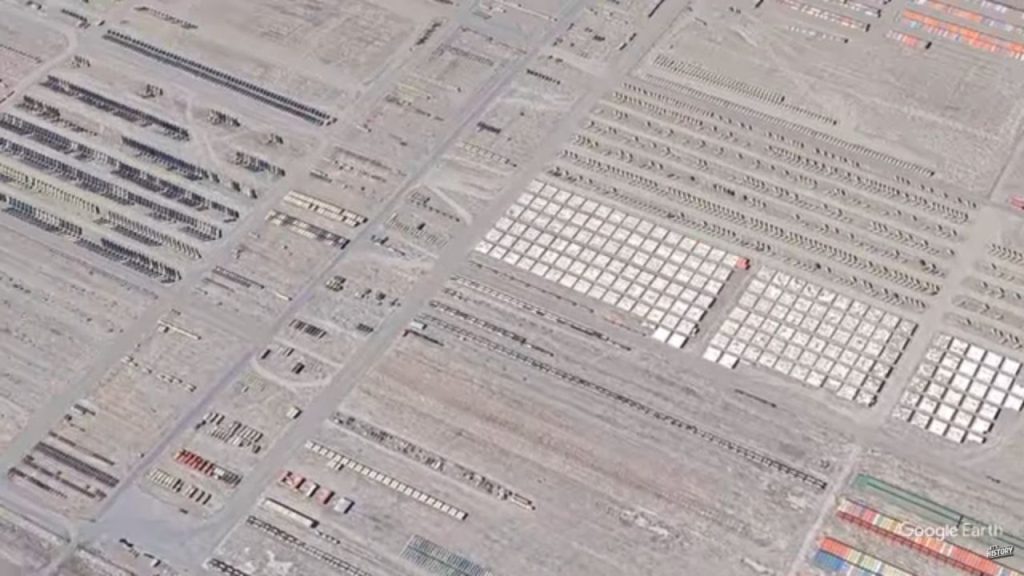
The heart of this story is Sierra Army Depot, a remote logistics base that sprawls across a 36,000-acre patch of high desert near the town of Doyle. Established during World War II, it was designed as a back‑of‑beyond insurance policy, a place where weapons, vehicles, and even petroleum and water systems could be stored far from enemy reach yet still connected to the national rail network. Today it doubles as a disposal site for outdated munitions and a long‑term parking lot for armored vehicles that no longer fit neatly into the Army’s plans but have not been scrapped.
Nearly a mile above sea level in an isolated corner of Northern California, more than 26,000 armored vehicles, trucks, and other equipment stand in orderly rows. The scale is hard to grasp until you realize that each of those hulking silhouettes once rolled off an assembly line with a specific mission in mind. Now they sit in the thin desert air, preserved, cataloged, and waiting for a future that may or may not arrive.
Why the Army chose this stretch of California
The choice of this particular landscape was not accidental. As the Army later explained in BRAC testimony, planners wanted a site “near enough to Pacific ports, but far enough from the coast” to be shielded from potential attack. The result was a depot that could feed equipment to West Coast shipping hubs in a crisis while remaining tucked safely inland, a logic rooted in the anxieties of global conflict and the need to sustain forces across oceans.
The environment itself is part of the strategy. The high desert is dry, windy, and relatively stable, which slows the corrosion that would eat away at steel in more humid climates. During the winter months of December and January, average lows drop to near freezing, around 34 degrees Fahrenheit, while summer highs soar, baking the vehicles but not soaking them. That climate, combined with meticulous preservation routines, lets the Army mothball equipment for years without the kind of deterioration that would plague a wetter or saltier location.
From Cold War stockpile to post‑9/11 overflow
The depot’s role has shifted with each era of American military planning. After World War II and the Korean War, it functioned as a classic stockpile, holding weapons and vehicles in case the Cold War turned hot. Untold numbers of crates, spare parts, and fuel systems cycled through its warehouses as the Pentagon built a logistics machine capable of sustaining global operations. The end of the Cold War did not end that mission, but it did begin to change the mix of what was stored and why.
As one account of the depot’s evolution notes, After the major global conflicts of the twentieth century, the site began to transform from a pure weapons cache into something closer to a massive parking lot. Tanks, armored personnel carriers, and other vehicles that had cycled through wars in Iraq and Afghanistan or never left training grounds at home were shipped to the desert. There they joined older Cold War hardware, creating a layered archive of American military technology that stretches from analog to digital, from steel plates to composite armor.
How many tanks, and what they are worth
Numbers tell part of the story, and they are eye‑watering. Deep in California‘s high desert, row after row of U.S. Army tanks, Humvees, and armored carriers sit baking in the sun. More than 20,000 vehicles are stored there, making it one of the largest such depots in the United States. A separate analysis of the broader California desert stockpile puts the figure at 20,000 tanks alone, with an estimated value of $200 billion. Even allowing for different counting methods, the scale is unmistakable.
These are not museum pieces. Many are variants of the M1 Abrams, the main battle tank that has defined American armored power for decades. Earlier reporting noted that there were already more than 2,000 inactive M‑1 Abrams tanks sitting in storage at one point, even as production lines kept turning. When you add in older models, support vehicles, and specialized platforms, the California desert becomes a ledger of sunk costs, each hull representing millions of dollars in procurement, training, and maintenance.
Preserved, not quite abandoned
From a distance, the rows of armor look forsaken, but up close the picture is more complicated. The vehicles are assigned to the U.S. Army Tank‑Automotive and Armaments Command, which treats the site as a managed reserve rather than a scrapyard. One detailed account notes that this vast expanse of desert is home to dunes, Joshua tree forests, over 10 kinds of scorpions, and the desert tortoise, which California has listed as a threatened species. The climate that protects steel also shapes a fragile ecosystem, forcing the Army to balance preservation of hardware with environmental rules.
Maintenance crews periodically service the vehicles, sealing openings, rotating positions, and cannibalizing some for parts to keep others viable. A training resource that invites students to Course Preview content about the depot emphasizes that the tanks are not simply dumped and forgotten, but managed as a strategic reserve. The phrase “abandoned” captures the eerie visuals, yet the reality is closer to a library of war machines, cataloged and occasionally checked out.
Congress, industry, and the politics of surplus
If the desert rows are the visible outcome, the causes are largely political. Over the past decade, Army leaders have repeatedly told lawmakers they have more tanks than they need, only to see Congress fund additional production anyway. One budget proposal included $181 million for tanks the Army did not want or need, a line item driven less by battlefield requirements than by the desire to keep factories open and jobs intact in key districts.
Earlier reporting captured the dynamic bluntly, noting that Congress Is Forcing. The result is a pipeline that keeps feeding vehicles into storage even as commanders argue they have enough. A separate review of government waste highlighted how the Defense Department could save money by eliminating such excess, listing unwanted tanks alongside other examples of spending that persists largely because it is politically easier to continue than to confront.
Billions spent, and the questions that linger
When you add up the procurement costs, the maintenance bills, and the opportunity cost of tying up industrial capacity, the California stockpile becomes more than a curiosity. The estimate that Why 20,000 tanks are worth $200 billion is not just a trivia fact, it is a measure of how much capital is locked into metal that may never see combat again. At a time when policymakers debate how to fund new technologies like drones, cyber defense, and space systems, the sight of so much legacy hardware sitting idle raises sharp questions about priorities.
Those questions are not purely fiscal. The depot is a reminder that once a weapons system is built at scale, it is hard to unwind the ecosystem around it. Communities depend on the jobs, contractors depend on the contracts, and lawmakers depend on both. The result is a landscape where, as one podcast framed it, Deep in the desert, the leftovers of modern power sit in formation, waiting for a mission that may never come while the next generation of weapons is already on the drawing board.

Leo’s been tracking game and tuning gear since he could stand upright. He’s sharp, driven, and knows how to keep things running when conditions turn.