10 American cities adjusting to increased bear activity
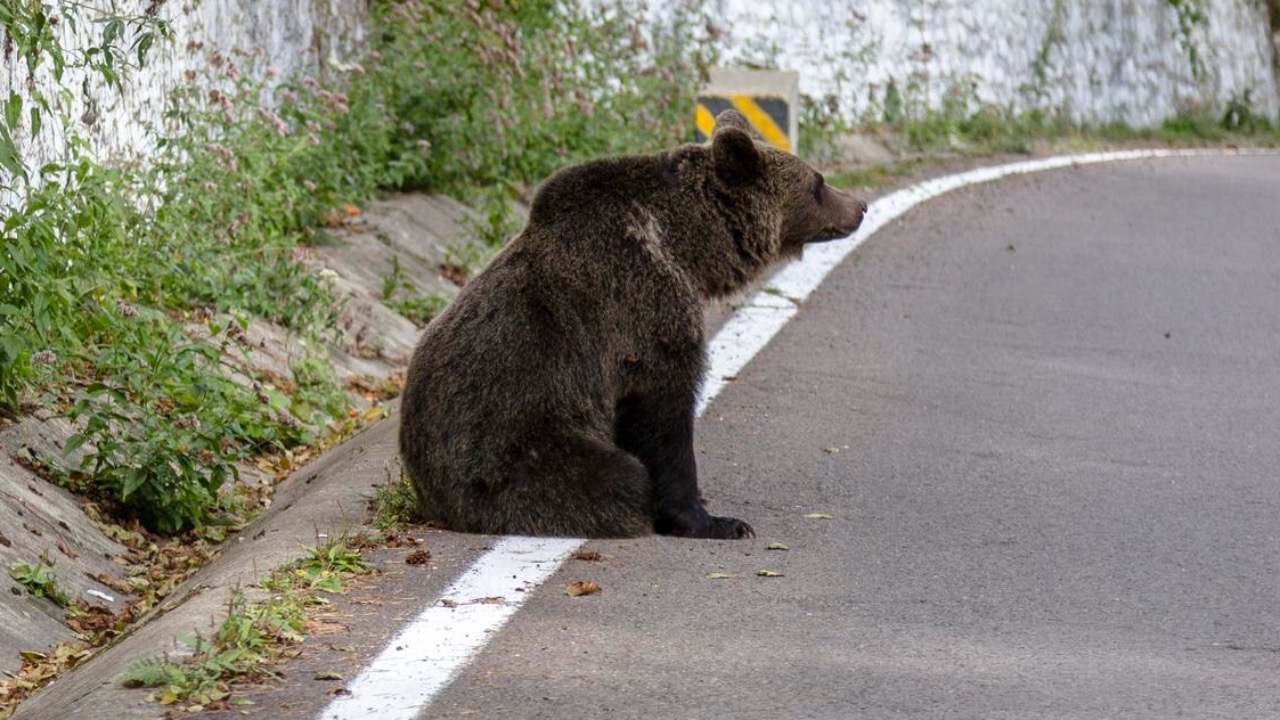
High-elevation Colorado towns sit right in black bear country, and more of those bears are learning that trash cans and trailheads are easy meals. I have watched these places shift from shrugging off the odd sighting to rewriting local rules around food, garbage, and camping. Here are ten American cities adjusting fast as bear activity ramps up around them.
1. Alma, Colorado, Implements Bear-Resistant Trash Measures
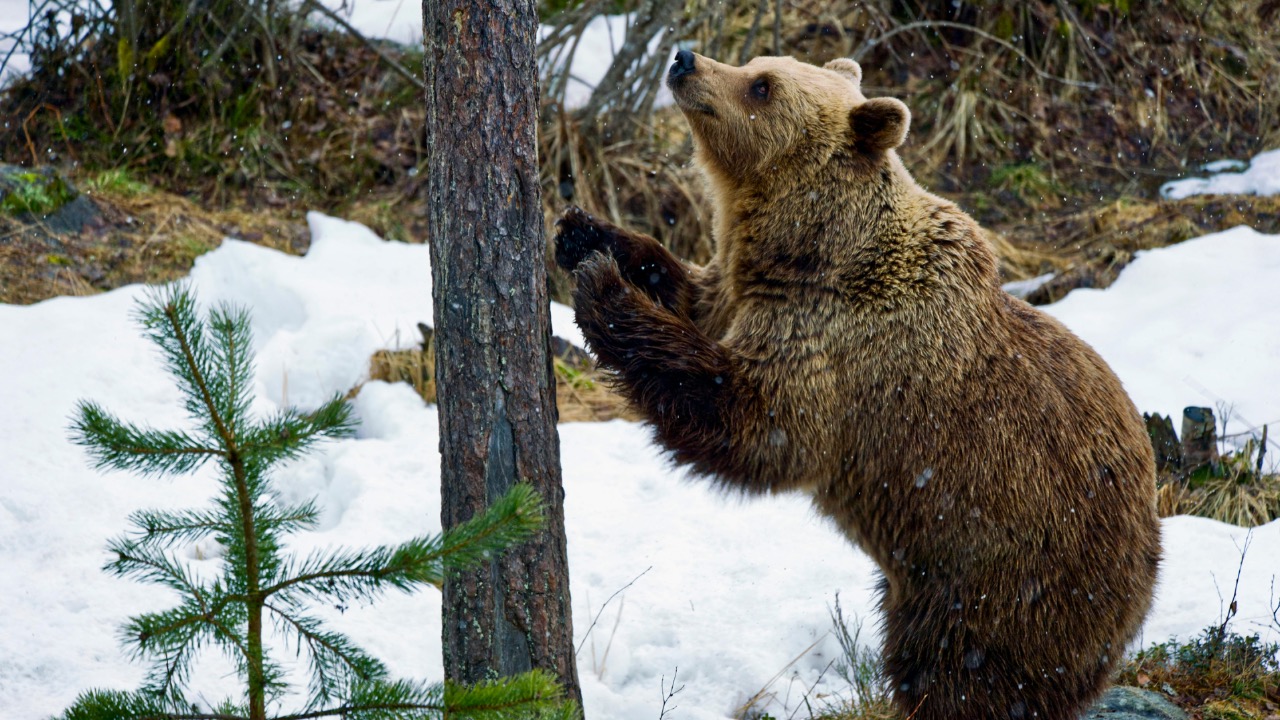
Alma is the highest-elevation incorporated city in the United States, with one listing putting it at 10,361 feet and several others noting the 10,361 feet mark among the country’s top mountain communities. At that height, spruce and fir forest wrap right around town, so black bears can step straight from cover into alleys and porches whenever trash is left out.
Locals are now shifting to bear-resistant cans and tighter pickup schedules, because a single food-conditioned bear can work through a street of unsecured lids in one night. When a town this small has to destroy a problem bear, everyone feels it, so residents are learning that locking trash is as important as locking the front door.
2. Leadville, Colorado, Launches Community Bear Awareness Programs
Leadville sits at 10,152 feet and is widely described as the highest incorporated city in North America, with that 10,152 figure repeated across elevation lists. Surrounded by timber and old mining cuts, the city gives bears plenty of daytime cover before they slip into neighborhoods after dark.
In response, Leadville has leaned into community bear-awareness nights, school talks, and signage that explains how unsecured dog food, coolers, and open garage doors pull bears into town. The stakes are simple: if people do not change habits, officers end up killing or relocating bears that were following their noses.
3. Breckenridge, Colorado, Installs Electric Fencing Around Garbage Sites
Breckenridge sits at about 9,600 feet, placing it among the highest elevation towns in Colorado and squarely in prime black bear habitat. Ski-area infrastructure concentrates restaurants, condos, and dumpsters in tight pockets, which creates a buffet line if those dumpsters are not locked down.
To keep bears from turning commercial alleys into feeding grounds, the town and resort operators have been adding electric fencing and hard-lidded enclosures around garbage sites. That kind of aversive conditioning teaches bears that metal bins bite back, and it protects workers, tourists, and the animals themselves from dangerous close encounters.
4. Silverton, Colorado, Enforces Hazing Techniques for Intruding Bears
Silverton, in Southern Colorado on the Million Dollar Highway, sits at 9,318 feet, a figure repeated in elevation rundowns and high-country community lists. The town is ringed by steep San Juan County slopes, so bears can drop into backyards from the timber in a matter of minutes when natural food runs thin.
Rather than defaulting to lethal control, volunteers and wildlife staff are leaning on hazing, using air horns, rubber slugs, and loud group pressure to push bold bears back into the hills. When residents participate, bears relearn that town is uncomfortable, which lowers the odds of a mauling or a bear being labeled too dangerous to keep alive.
5. Telluride, Colorado, Adopts Bear-Proof Food Storage Ordinances
Telluride, perched at 8,750 feet in a tight box canyon, is listed among Colorado’s high mountain municipalities in several elevation tables. That geography funnels both people and wildlife into the same narrow corridor, so any unsecured food quickly becomes a magnet for bears moving along the valley floor.
New ordinances now require bear-proof storage for trash, pet food, and even some outdoor freezers, especially in rental properties that cycle through inexperienced visitors. For outfitters, homeowners, and short-term landlords, compliance costs money, but it is cheaper than property damage, emergency responses, and the public backlash that follows a high-profile bear euthanization.
6. Ouray, Colorado, Deploys Bear Deterrent Sprays in Public Areas
Ouray sits at 7,792 feet, another high-elevation town carved into steep, forested slopes that naturally carry bears right down to the hot springs and motels. With trailheads and soaking pools starting almost at the city limits, visitors often forget they are standing in the middle of a wildlife corridor.
Local officers and some business owners now keep bear deterrent spray handy in public areas where encounters are most likely. The idea is not to play hero, but to have a last-resort tool if a food-conditioned bear corners someone, buying time for people to back away and for wildlife staff to respond without immediately resorting to a firearm.
7. Creede, Colorado, Organizes Bear-Safe Gardening Workshops
Creede, a historic mining town at 8,799 feet, sits along creeks that double as travel routes for bears moving between higher basins and lower berry patches. As more residents plant fruit trees and lush gardens, those riparian corridors now lead straight to calorie-dense landscaping.
Workshops on bear-safe gardening focus on swapping out attractants, picking fruit early, and using electric fencing around compost and chicken coops. Gardeners get to keep their backyard projects, but they learn that every crabapple and sunflower head is either feeding a songbird or training a bear to patrol the neighborhood.
8. Lake City, Colorado, Sets Up Relocation Protocols for Problem Bears
Lake City, at 8,671 feet in a narrow valley, naturally channels wildlife movement along the same flat ground where cabins, campgrounds, and trailheads sit. When drought or late frosts knock back natural forage, bears follow the river corridor and end up in coolers, tents, and open truck beds.
Wildlife officers have formalized trapping and relocation protocols for repeat-offender bears that keep returning to campsites. Relocation is not a cure-all, and some animals walk right back, but it gives managers one more option before lethal removal and signals to campers that their behavior directly affects whether those bears live or die.
9. Aspen, Colorado, Bans Unsecured Bird Feeders to Reduce Attractants
Aspen, sitting around 8,000 feet, regularly appears on lists of high elevation cities in the United States, and its surrounding aspen and conifer stands are classic black bear habitat. Wealthy neighborhoods with ornamental landscaping, grills, and hot tubs create a patchwork of easy calories if residents are careless.
One of the quieter but important changes has been banning unsecured bird feeders that spill seed and suet onto lawns and decks. Homeowners who want chickadees now have to think about bears too, because a feeder that brings in a 300‑pound bruin can also bring in property damage, injured pets, and hard choices for game wardens.
10. Vail, Colorado, Integrates Bear Monitoring Tech in Resort Vicinity
Vail, at roughly 8,150 feet, is another resort town that shows up in high elevation discussions alongside Alma, Colorado and Leadville. Dense clusters of hotels, restaurants, and vacation homes mean that when a bear wanders through, dozens of people might be within a few yards without realizing it.
To stay ahead of that, resort managers and local officials are leaning on cameras and alert systems that track bear movements around lodges and service areas. When staff get real-time pings about a bear working a dumpster line, they can lock doors, reroute guests, and haze the animal early, which keeps a curious bruin from turning into a headline-making incident.
Supporting sources: Leadville the highest.

Asher was raised in the woods and on the water, and it shows. He’s logged more hours behind a rifle and under a heavy pack than most men twice his age.