
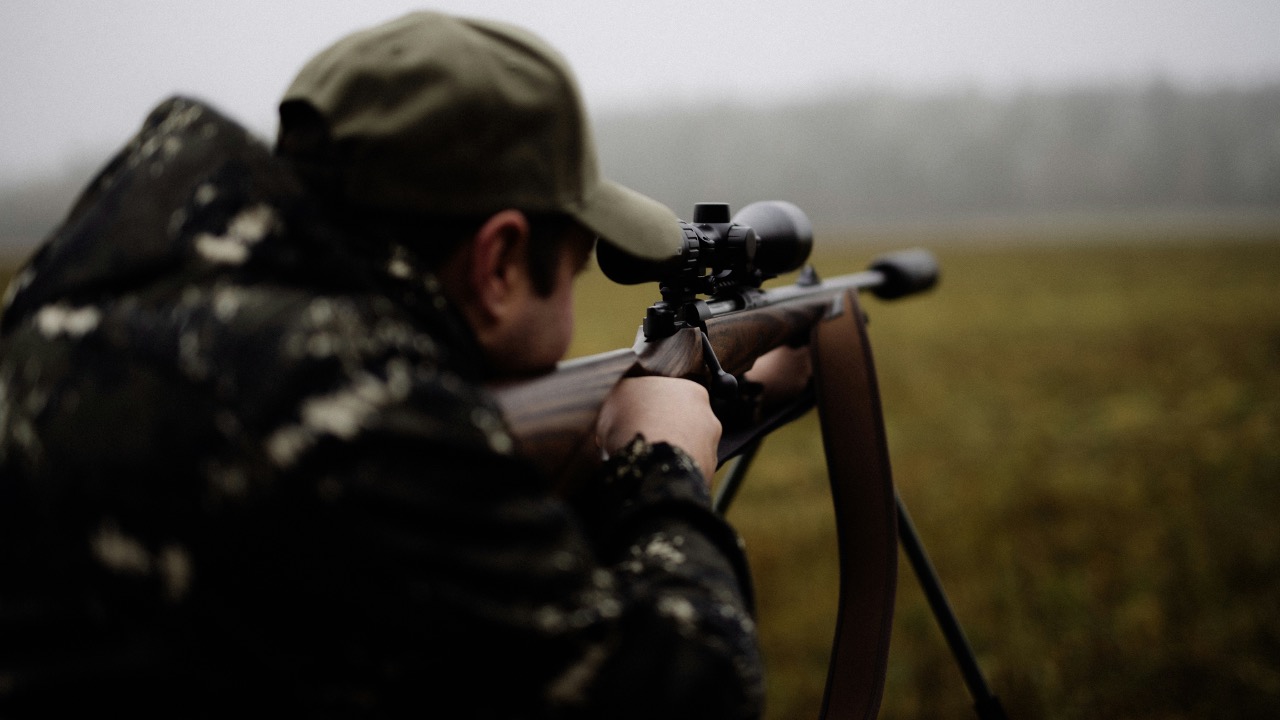
The Skills You Can Only Learn by Shooting Regularly
Good shooting is not a trick you learn once and keep forever. It is a stack of small, hard‑earned skills that fade if you do not keep feeding them with live rounds, dry fire, and honest feedback. The shooters who stay sharp year after year are the ones who build those skills on purpose, through regular, structured time behind the gun.
When I look at the people who can pick up a rifle or handgun and make clean hits on demand, what stands out is not talent, it is repetition. They have trained their eyes, hands, and brain to work together under pressure, and they keep that edge by shooting often enough that those abilities never get stale.
The Perishable Nature of Marksmanship
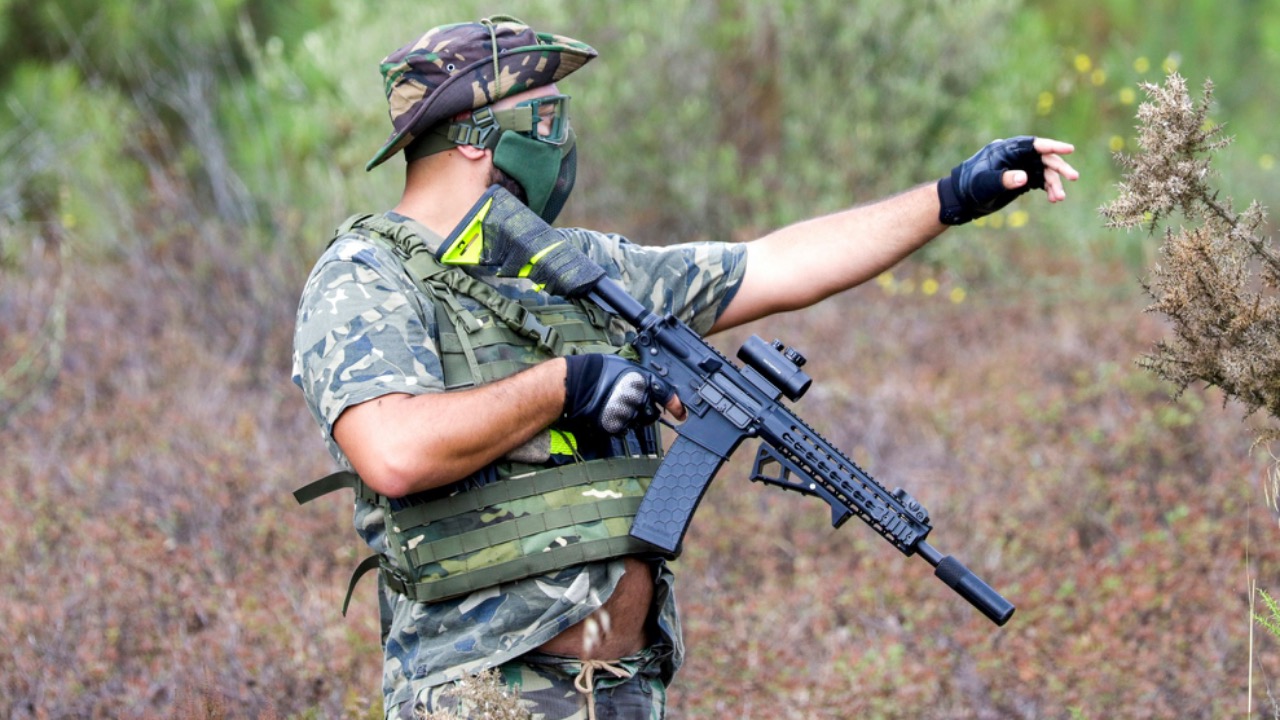
The first thing regular shooting teaches you is humility about how quickly skill slips away. You can be dialed in one season and noticeably rusty the next if you let the gun sit in the safe. That is because marksmanship is a coordination task, and coordination decays when you stop asking your body to perform it. The longer the layoff, the more you feel it in your wobble zone, your trigger press, and your confidence on the first shot of the day.
Experienced hunters and instructors talk about Accurate shooting as a “perishable” skill with a real shelf life, and they are right. If you do not practice regularly and consistently, the fine motor control that lets you break a clean shot erodes, even if you still remember the theory. Regular range time is what keeps that shelf life from expiring, and it is the only way to learn how your own performance curve changes when you have been away from the gun too long.
Consistency: The Foundation You Cannot Fake
Shooting on a schedule, instead of whenever you feel like it, teaches you how much consistency matters. When you show up week after week, you start to see patterns in your groups, your flinches, and your mental game. You learn that a single “good day” does not mean much if you cannot repeat it, and that the real measure of progress is how tight your worst days become, not how tiny your best group was.
That lesson shows up in every serious shooter’s routine. People who treat the gun as a tool, not a toy, understand that Like any other skill, mastery comes from regular practice and repetition. When you visit the range often and dedicate focused time to the basics, you build a baseline you can trust. That baseline is a skill in itself, and you only earn it by showing up on a regular rhythm, not in random bursts.
What “Regularly” Really Means
Spend any time around serious shooters and you will hear the same debate: how often do you actually need to shoot to stay sharp. The honest answer is that it depends on what you want to do with the gun. A casual plinker can get away with less than someone who carries a handgun for defense or hunts big game in tight windows of opportunity. The more critical the shot, the more often you need to be behind the sights.
That “it depends” answer shows up even in online communities, where people like Trollygag and others in a Jul Comments Section point out that how often you should practice, and how hard, depends on what you want to do. If you are training for defensive use, you will need more frequent, structured sessions than someone who only shoots steel on weekends. Regular shooting teaches you to be honest about your goals and to match your practice tempo to the level of performance you are asking of yourself.
Dry Fire: The Hidden Reps That Build Real Skill
One of the most valuable skills you only pick up by shooting regularly is how to use dry fire correctly. At first, most people treat dry fire as a poor substitute for live ammo. Over time, if you stick with it, you realize it is where you can get the most high quality repetitions without burning powder or money. You learn to run your trigger, refine your grip, and clean up your draw stroke in your living room, then confirm it on the range.
That habit is grounded in a simple truth: Marksmanship, like any skill, diminishes if you are not doing it repetitively and frequently. Dry fire lets you stack those repetitions on days when you cannot get to the range. Over months and years, regular shooters learn how to structure dry practice so it is safe, focused, and directly tied to what they are trying to improve, instead of random trigger clicking that builds bad habits.
Reading Your Own Performance, Not the Target Next Door
When you shoot once in a while, every target feels like a verdict. You either “shot well” or you did not, and that is about as deep as the analysis goes. When you shoot regularly, you start to read your own performance like a coach. You notice how your groups shift when you rush the trigger, how your hits climb when you start anticipating recoil, and how your eyes fatigue over a long string. That awareness is a learned skill, and it only comes from seeing enough of your own targets to recognize patterns.
Regular shooters also get better at separating signal from noise. A single bad group does not send them into a tailspin, because they have a track record to compare it to. They know what their normal looks like, and they can tell the difference between a fluke and a real problem that needs work. That kind of self‑diagnosis is what lets you fix issues on the fly, whether you are on a public lane or sitting in a deer stand waiting for a buck to step out at the edge of your comfort zone.
Building Real-World Confidence Under Pressure
Confidence with a firearm is not bravado, it is familiarity. The more often you shoot, the more the gun feels like an extension of your hands instead of a foreign object. That comfort shows up when the stakes rise, whether you are lining up on a whitetail in fading light or trying to make a clean shot in front of other shooters. Regular exposure to those little pockets of pressure teaches you how your body reacts and how to manage it.
Over time, you learn that confidence is not about assuming every shot will be perfect. It is about knowing, from experience, what you can do on demand. Regular shooting gives you a mental library of past successes and failures to draw on. You remember the time you rushed and yanked a shot, and the time you slowed down, trusted your hold, and broke a clean hit. That memory bank is what steadies your breathing and your trigger finger when it really counts.
Translating Range Skills to Field Reality
Another thing you only learn by shooting often is how different the field feels from the bench. On a calm day at the range, with sandbags and a perfect rest, almost anyone can print a decent group. In the woods or on the back forty, you are dealing with awkward positions, uneven footing, and a heart rate that spikes the second an animal steps out. Regular shooters learn to bridge that gap by practicing from kneeling, sitting, and standing, and by accepting that their field groups will never look like their best bench work.
That translation from paper to real life is where regular practice really pays off. When you have spent time shooting from field positions, you know which shots you can ethically take and which ones you need to pass. You understand how much your wobble grows at 200 yards offhand compared with prone, and you have felt how wind and adrenaline change the picture. Those are not lessons you can pick up from a single preseason sight‑in session, they come from a steady diet of rounds fired with purpose.
Designing a Practice Routine That Actually Works
Once you commit to shooting regularly, the next skill you develop is how to structure your practice so it is worth the time and ammo. At first, most people burn through boxes of cartridges without much of a plan. Over time, you learn to walk onto the range with a short list of things you want to work on, and you build your session around those goals. That might mean starting with slow, deliberate groups to confirm zero, then moving into timed drills or positional work instead of mag‑dumping until you are tired.
Regular shooters also figure out how to balance live fire with dry work, and how to scale their sessions to their budget and schedule. Some weeks that might mean a single, focused trip to the range and several short dry‑fire blocks at home. Other weeks it might mean more live rounds and less dry practice. The key is that you are making those choices on purpose, based on what you need to improve, not just shooting whatever feels fun in the moment.

Asher was raised in the woods and on the water, and it shows. He’s logged more hours behind a rifle and under a heavy pack than most men twice his age.


