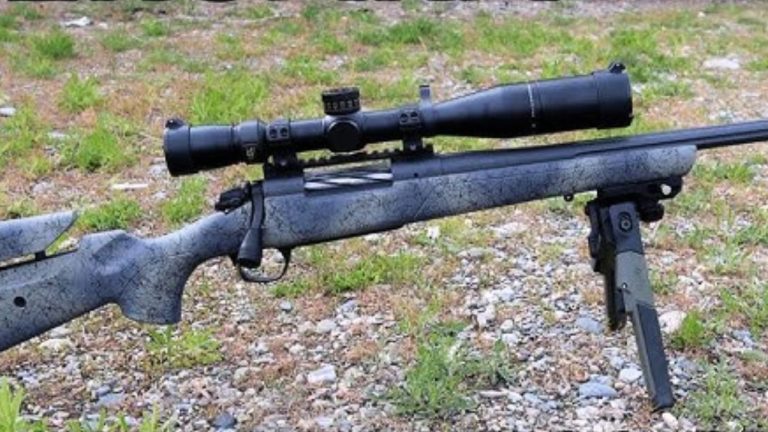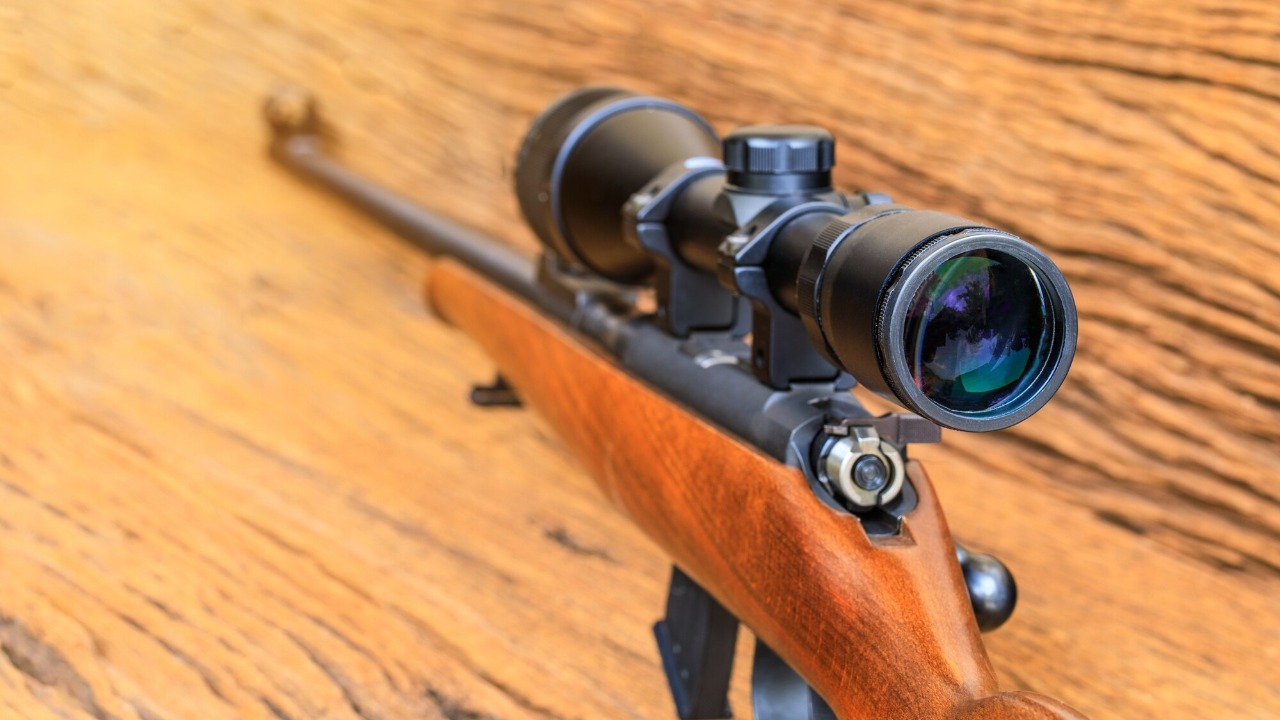
The biggest reason scopes lose zero in the field
Rifle shooters tend to blame drifting impacts on cheap glass, bad turrets, or mysterious “wandering zero.” In reality, the biggest reason scopes lose zero in the field is far more basic: the interface between rifle and optic is not doing its job. When the mounting system is even slightly compromised, every bump, recoil cycle, or temperature swing has a chance to move the point of impact.
Once that foundation is shaky, everything else becomes harder to diagnose, from tracking tests to spotting genuine internal failures. I find that nearly every credible explanation for lost zero eventually circles back to how the scope is attached, how it is handled, and how consistently the rifle is set up and shot.
Why the mount is almost always the culprit
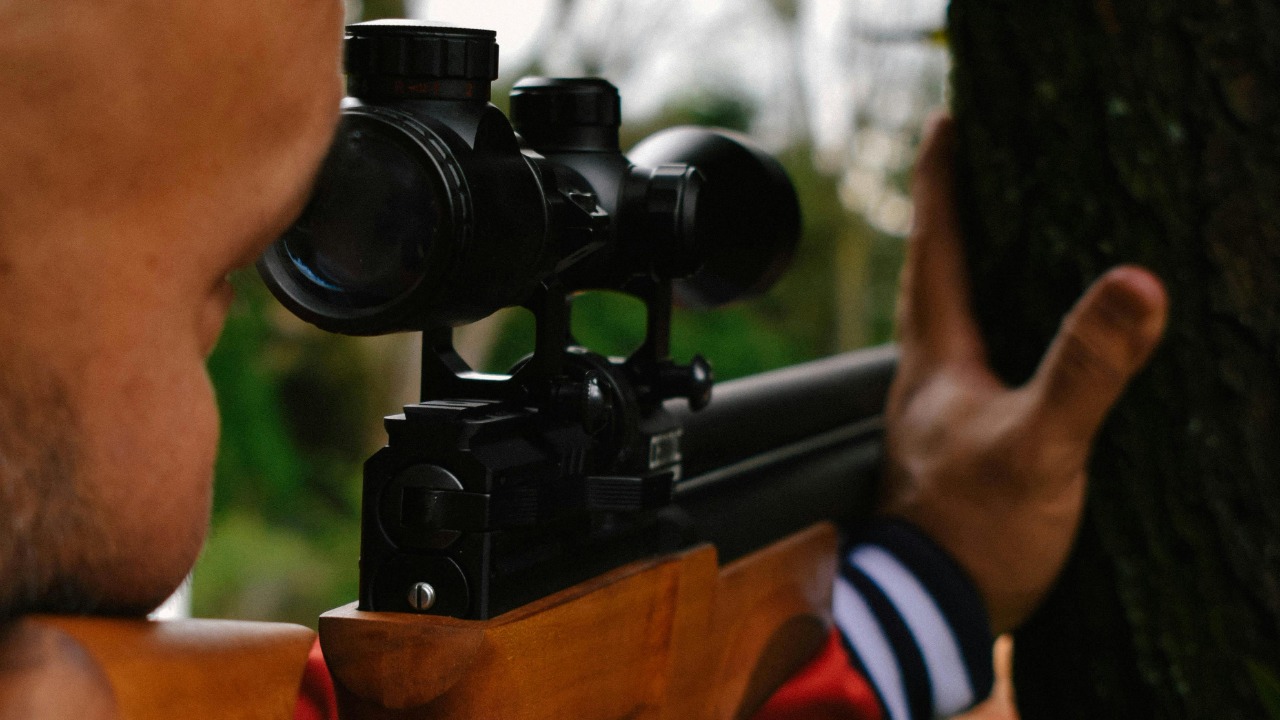
The core problem is mechanical, not mystical. A scope can only “hold zero” if the connection between the optic and the rifle is rigid, repeatable, and aligned with the bore. When bases, rings, or rails shift under recoil, the optic moves even if the glass and turrets are perfect. Detailed breakdowns of Mounting Issues point to torque, alignment, and the materials of the rings and bases as the first suspects whenever a rifle starts printing groups in new places.
That mechanical reality is why experienced shooters treat the mount as part of the rifle, not an accessory. If the rail screws are not properly torqued into the receiver, or if the rings are out of spec and only grabbing the tube at a couple of high spots, recoil will slowly walk the scope out of position. Manufacturers that specialize in rings and bases stress that They design Our hardware to survive repeat recoil specifically so the optic does not slip on recoil and start losing zero, which is an admission that the mount is the weak link if it is not built and installed correctly.
Torque, alignment, and the myth of “just crank it down”
Once shooters suspect the mount, many reach for the torque wrench and simply add more pressure to the ring screws. That instinct is understandable and often wrong. Over-tightening can dent the scope tube, bind the erector system, and still fail to fix the underlying problem if the rings are misaligned or the bases are not seated. In one detailed field discussion, a user warned that Increasing the torque on the rings will not help and only raises the risk of damage, especially when the scope body is already stressed.
Correct torque is only one part of the equation. The rings must be square to each other and to the bore, and the base must be fully seated without rocking or gaps. Detailed mounting guides treat torque, alignment, and ring lapping as a single process rather than separate chores, because a misaligned ring can twist the tube even if the torque values are perfect. When shooters follow a structured process that starts with the base, then the rings, then the optic, they are far less likely to chase phantom zero shifts that are really just the result of a scope being clamped into a crooked or uneven cradle.
What “holding zero” really means in the field
There is also confusion about what it means for a scope to “hold zero.” In practical terms, the optic must return the rifle’s point of impact to the same place every time, across recoil cycles, handling, and environmental changes. Detailed explanations of Zero Retention Explained describe “Holding Zero” as the ability of the mount and optic to resist slipping under recoil, which is why a Quality Mount Makes All the Difference once the rifle is sighted in.
In the field, that definition has to survive real abuse. Rifles ride in scabbards on side-by-sides, bounce in the back of pickup trucks, and get leaned against trees and rocks. Over the summer, one widely shared note from a hunting personality pointed out that the chances are high that a shooter has already knocked a scope around enough to make it inaccurate, asking Just how easy it is to do that without noticing. That kind of handling is exactly where a solid mount and correctly installed optic either prove their worth or quietly let the zero drift away.
Why internal failures are rarer than most shooters think
When a rifle starts missing, it is tempting to blame the scope itself. Modern optics are complex, with erector assemblies, springs, and lenses that all have to work together. Yet detailed technical breakdowns argue that genuine internal failures are relatively rare compared with mounting and handling problems. One analysis framed it bluntly: Basis for most lost-zero complaints is not a defective optic, because a scope is a complex optical device that usually needs significant abuse or manufacturing defects to produce the kind of wandering impact many shooters report.
That does not mean internals never fail. It means that before sending a scope back, shooters should rule out loose bases, slipping rings, and user error. A structured troubleshooting process starts with confirming that the rifle and ammunition are consistent, then checking every fastener in the mounting system, and only then moving on to box drills and tracking tests to see if the turrets and erector are behaving. When that process is followed, many “bad scopes” turn out to be bad installs, and the biggest reason the zero moved is still the way the optic was attached and treated.
Installation mistakes that quietly sabotage zero
The most common installation errors are small, but they add up. Using the wrong screw length can bottom out in the receiver before clamping the base, leaving the rail loose even though the screws feel tight. Mixing threadlocker types or skipping it entirely can let vibration work the hardware loose over time. Detailed mounting guides for beginners emphasize that it It Starts With Mounting, and that the same process should be followed every time so the base and rings become a repeatable, known quantity instead of a variable.
Ring spacing and placement matter as well. Clamping too close to the turrets can stress the tube, while stretching the rings too far apart on a short tube can leave very little material actually gripped. Some manufacturers explicitly call out Torque, Alignment, and Materials as a trio of failure points, because soft or out-of-spec rings can deform under torque and recoil, slowly letting the scope tube creep even when everything looks fine at a glance.
How handling, storage, and shooting technique move your impacts
Even a perfectly mounted scope can lose its practical zero if the rifle is handled roughly or shot inconsistently. Field tests have shown that rifles left untouched in a safe tend to keep their zero, with one video explicitly asking whether a rifle that has been sitting in the safe can truly stay zeroed all by itself and then testing that assumption on Nov. The more common problem is not quiet storage, it is the series of knocks, drops, and impacts that happen between the safe and the field.
Those impacts are often subtle. A rifle falling over in camp, a scope bell catching the edge of a truck door, or a hard ride in a scabbard can all tweak the mount just enough to matter at distance. At the same time, inconsistent shooting technique can masquerade as a shifting zero. Changes in cheek weld, grip pressure, or how the rifle is supported can move the point of impact, especially with lightweight hunting rifles. When shooters combine rough handling with variable form, they create the perfect conditions for a “mystery” zero shift that is really a mix of mechanical movement and human inconsistency.
Simple tests that separate real shifts from user error
Once a shooter suspects the zero has moved, the next step is to test systematically rather than chase the group around the target. A straightforward approach is to confirm the rifle’s baseline at a known distance, then run a box drill to see if the turrets track and return to the starting point. In one long-running Comments Section, a user named One of the more experienced voices suggested that many apparent zero problems would be exposed or dismissed by simply shooting a controlled box drill at the range.
Video breakdowns of real-world misses reinforce the same point. In one widely shared clip titled “Your Zero Is Off And You Don’t Even Know It,” the host walks through how small mounting and handling issues can stack up until the shooter is surprised by a miss, noting at one point that “okay I realize how dumb that is that we had to censor” while explaining how a suppressor and recorder setup affected the test on May. The lesson is that structured testing, not guesswork, is what reveals whether the mount is slipping, the scope is failing, or the shooter is simply not replicating the same conditions from one session to the next.
Why the boring basics decide whether your zero survives
When I look across the technical explanations, field tests, and user experiences, the pattern is blunt. The biggest reason scopes lose zero in the field is not exotic internal failures or mysterious drift over time, it is the combination of imperfect mounting and real-world abuse. Detailed breakdowns of Mounting Issues, careful definitions of Holding Zero, and practical tests from safe storage to rough field carry all point back to the same conclusion.
For shooters, that conclusion is liberating. If the mount is treated as a critical part of the rifle, installed with attention to torque, alignment, and materials, and protected from unnecessary abuse, most modern scopes will track and return to zero reliably. When problems do appear, a disciplined process of checking hardware, confirming technique, and running simple drills will usually reveal whether the issue is mechanical, optical, or human. The glamorous part of precision shooting may be dialing dope and reading wind, but the boring basics of how the scope is attached are what decide whether any of that effort lands where it should.

Leo’s been tracking game and tuning gear since he could stand upright. He’s sharp, driven, and knows how to keep things running when conditions turn.