8 hog loads that perform even at bad angles
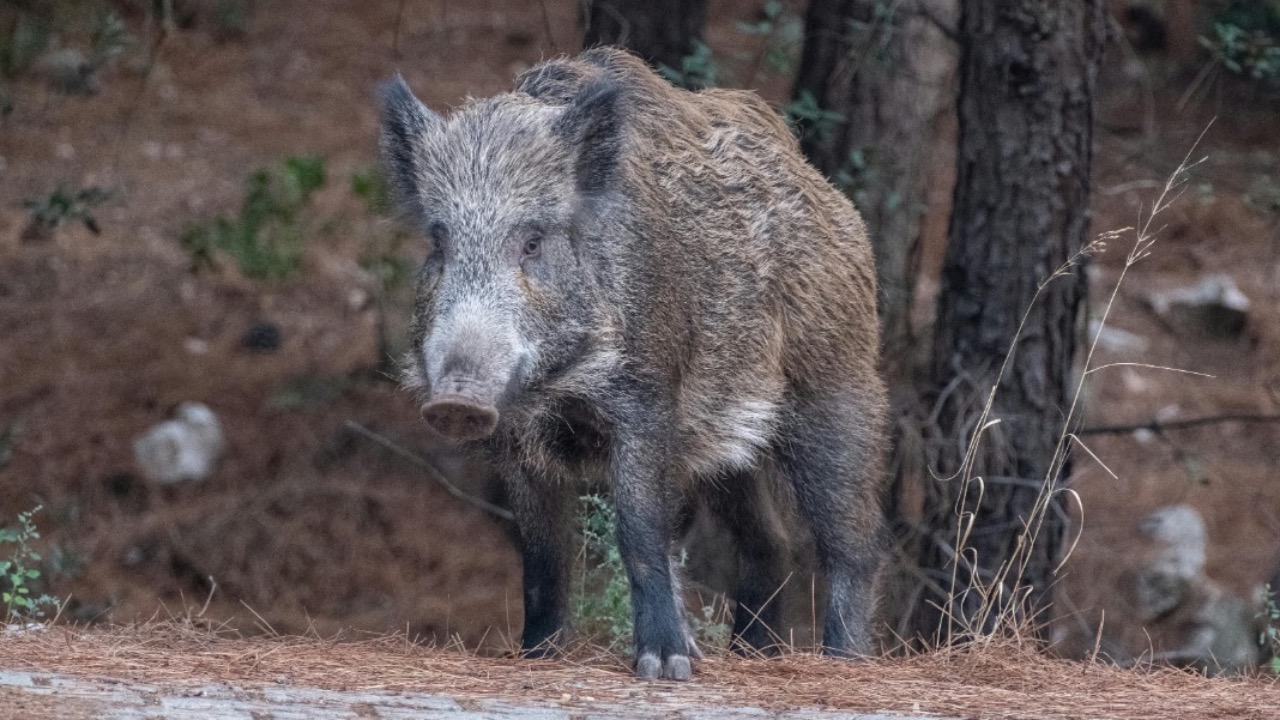
Hogs are tough, cagey animals that rarely stand broadside in perfect light. They slip through brush, quarter away, and soak up marginal hits. When shots come at bad angles, bullet construction matters more than caliber. I look for loads that hold together, drive deep, and still open reliably at real-world impact speeds. Here are eight proven hog loads that keep working when the shot is less than ideal.
1. Why bullet construction matters more than caliber
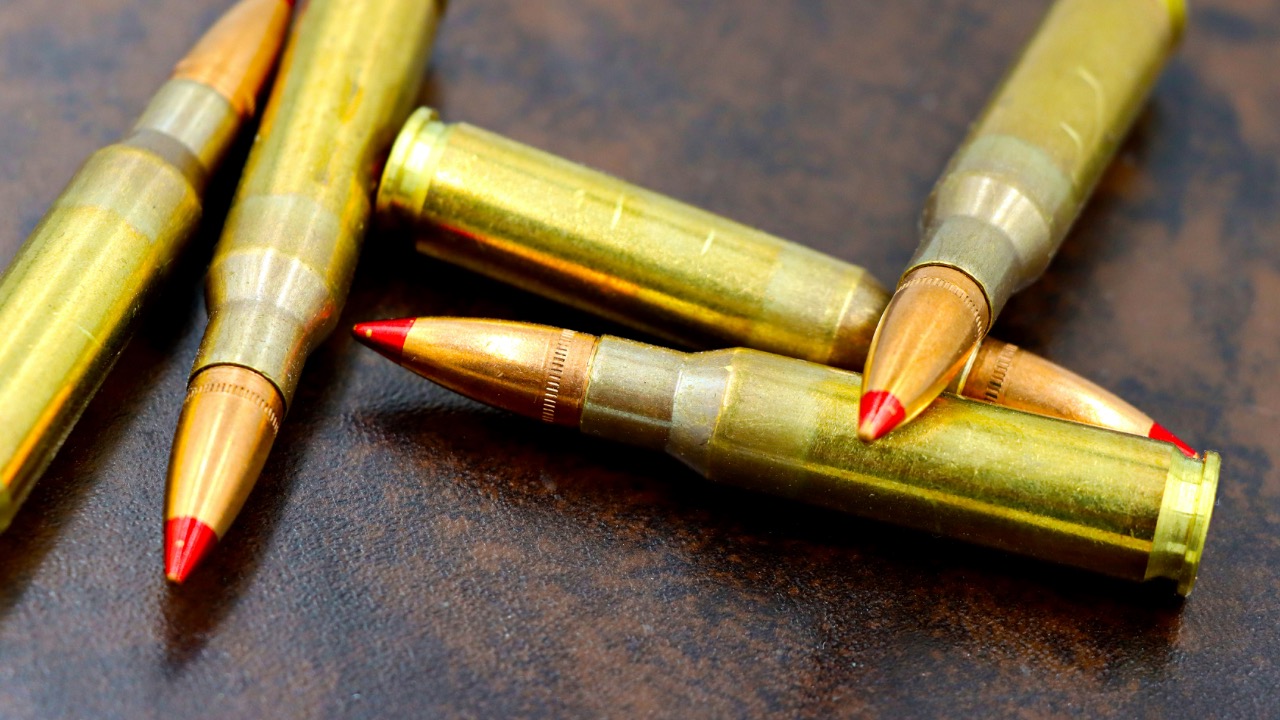
On hogs, bullet construction decides whether a marginal angle turns into a recovered animal or a lost one. A boar’s shield of scar tissue and fat can be more than an inch thick over the shoulders, and lighter, thin-jacketed bullets can come apart before reaching the vitals, especially when they hit heavy bone. Controlled-expansion designs with bonded cores or mechanical locking rings keep the bullet together so it can punch through that shield, break shoulders, and still reach lungs or spine.
Caliber still plays a role, but within common hog rounds, a tough bullet in a moderate bore usually outperforms a fragile bullet in something bigger. When I pick a load for bad angles, I want a bullet that will hold most of its weight, track straight, and still mushroom at lower impact speeds. That combination gives you margin for error when a hog is quartering away or facing you in the brush and you have to take the shot you are given.
2. Heavy-for-caliber bullets and penetration
Heavy-for-caliber bullets are a strong hedge against poor shot angles because they carry more sectional density, which helps them drive deep. In cartridges like .308 Winchester or .30-06 Springfield, stepping up to 180-grain bullets instead of 150-grain options usually means better momentum and more reliable performance when you hit shoulder, gristle, or the off-side leg. That extra weight also helps the bullet stay on track when it encounters dense tissue at odd angles.
On big boars, penetration is the difference between a superficial wound and a through-and-through hit that leaves a solid blood trail. A heavy bullet that exits often vents both sides of the chest, which makes tracking easier in thick cover. When I know shots might be raking from hip to opposite shoulder, I lean toward the heaviest bullet my rifle stabilizes well and that still groups tight, because deep, straight penetration forgives a lot of imperfect shot placement.
3. Controlled-expansion soft points for quartering shots
Controlled-expansion soft points are built for the kind of quartering shots hog hunters see all the time. These bullets start with an exposed lead tip that initiates expansion, but their thicker jackets and internal design slow that expansion so the bullet does not blow up on impact. On a quartering-away hog, a good soft point can enter behind the last rib, angle forward through the liver and lungs, and still have enough steam to break the off-side shoulder.
That balance of expansion and weight retention is what keeps tissue damage high while still giving you the penetration you need. When a hog is moving and never quite turns broadside, I trust a controlled soft point to open up even at modest impact speeds, then keep driving. It is a forgiving style of bullet for hunters who might be shooting from improvised rests, at odd angles, and in low light where exact shot placement is harder to guarantee.
4. Monolithic copper bullets for shield-busting hits
Monolithic copper bullets shine when you have to punch through a boar’s shield or take a steep quartering-to shot. Because they are made from a single piece of copper or gilding metal, they tend to retain nearly all of their weight, even after hitting bone. Many designs use pre-cut petals that peel back in a controlled way, creating a wide wound channel while the shank keeps driving. That combination is tailor-made for breaking shoulders and still reaching the vitals.
These bullets are usually lighter than comparable lead-core options, but they penetrate like something heavier because they do not shed fragments. On tough hogs, that means you can aim for the point of the shoulder without worrying that the bullet will come apart. I like monolithic loads when I expect close shots in thick brush, where hogs are likely to be facing me or slipping through at hard angles and I need a bullet that will not quit on impact.
5. Bonded bullets for close-range impact
Bonded bullets earn their keep on hogs when shots are close and impact speeds are high. In these designs, the lead core is chemically or mechanically bonded to the jacket so the two stay together as the bullet mushrooms. That bond keeps the bullet from shedding big chunks of lead, which preserves mass and helps it push through heavy tissue. On a close-range shoulder shot, a bonded bullet is far less likely to grenade than a standard cup-and-core design.
For hunters who run faster cartridges like .270 Winchester or 7 mm Remington Magnum, bonded bullets are a smart way to keep performance consistent across a wide range of distances. At bad angles, especially on quartering-to hogs, that toughness lets you drive the bullet through the near-side shoulder and into the chest cavity. The result is a deeper wound channel, more reliable exits, and a better chance of recovering hogs that do not fall in sight.
6. Moderate-velocity loads that avoid over-fragmentation
Moderate-velocity loads can actually perform better on hogs at bad angles than ultra-fast options, because they are less likely to over-expand or fragment on impact. When a bullet hits at very high speed, especially at close range, it can shed too much weight early and fail to reach the vitals after encountering bone. Keeping muzzle velocity in a reasonable window helps controlled-expansion bullets behave the way they were designed, with steady mushrooming and straight-line penetration.
For many hunters, that means favoring traditional mid-speed cartridges or choosing slightly heavier bullets that naturally run slower. On hogs in thick cover, where most shots are inside 150 yards, you do not need extreme speed to get expansion. What you need is a bullet that stays together through the shield and shoulders. A moderate-velocity load gives you that consistency, which is especially important when the hog is angled and you are asking the bullet to travel diagonally through the body.
7. Tough handgun and straight-wall rifle loads
Handgun and straight-wall rifle loads can be very effective on hogs if you pick bullets built for deep penetration. Hard-cast lead bullets with wide flat noses are a classic choice in revolvers like the .44 Magnum, because they crush tissue and keep driving even after hitting bone. In straight-wall rifles such as .450 Bushmaster or .350 Legend, heavy soft points and bonded bullets give similar performance, combining expansion with enough weight retention to reach the vitals from odd angles.
These setups are popular in thick woods and in states that limit hunters to straight-wall cartridges. At the close ranges where they are usually used, hogs are often moving fast and rarely present perfect broadside shots. A tough bullet that can handle raking hits from front or rear keeps these cartridges in the game. When I carry a big-bore revolver or straight-wall rifle, I treat bullet choice as seriously as I would with any centerfire rifle.
8. Shot placement priorities when angles are bad
Even with the best hog loads, shot placement still matters, especially when angles are poor. On quartering-away hogs, I aim tight behind the last rib on the near side and visualize the bullet exiting through the off-side shoulder. That path usually takes out liver and lungs, and a tough bullet will often break the far leg as it exits. On quartering-to shots, I favor the point of the shoulder, letting a controlled-expansion or monolithic bullet drive through bone and into the chest.
Frontal shots are the most unforgiving, so I only take them when the distance is short and the hog is calm. In that case, I hold between the base of the neck and the center of the chest, depending on the angle, and rely on a deep-penetrating bullet to reach the spine or heart. The right load gives you more options, but it does not erase poor decisions. Matching tough bullets with disciplined shot choices is what keeps hogs from running off into the dark.

Asher was raised in the woods and on the water, and it shows. He’s logged more hours behind a rifle and under a heavy pack than most men twice his age.